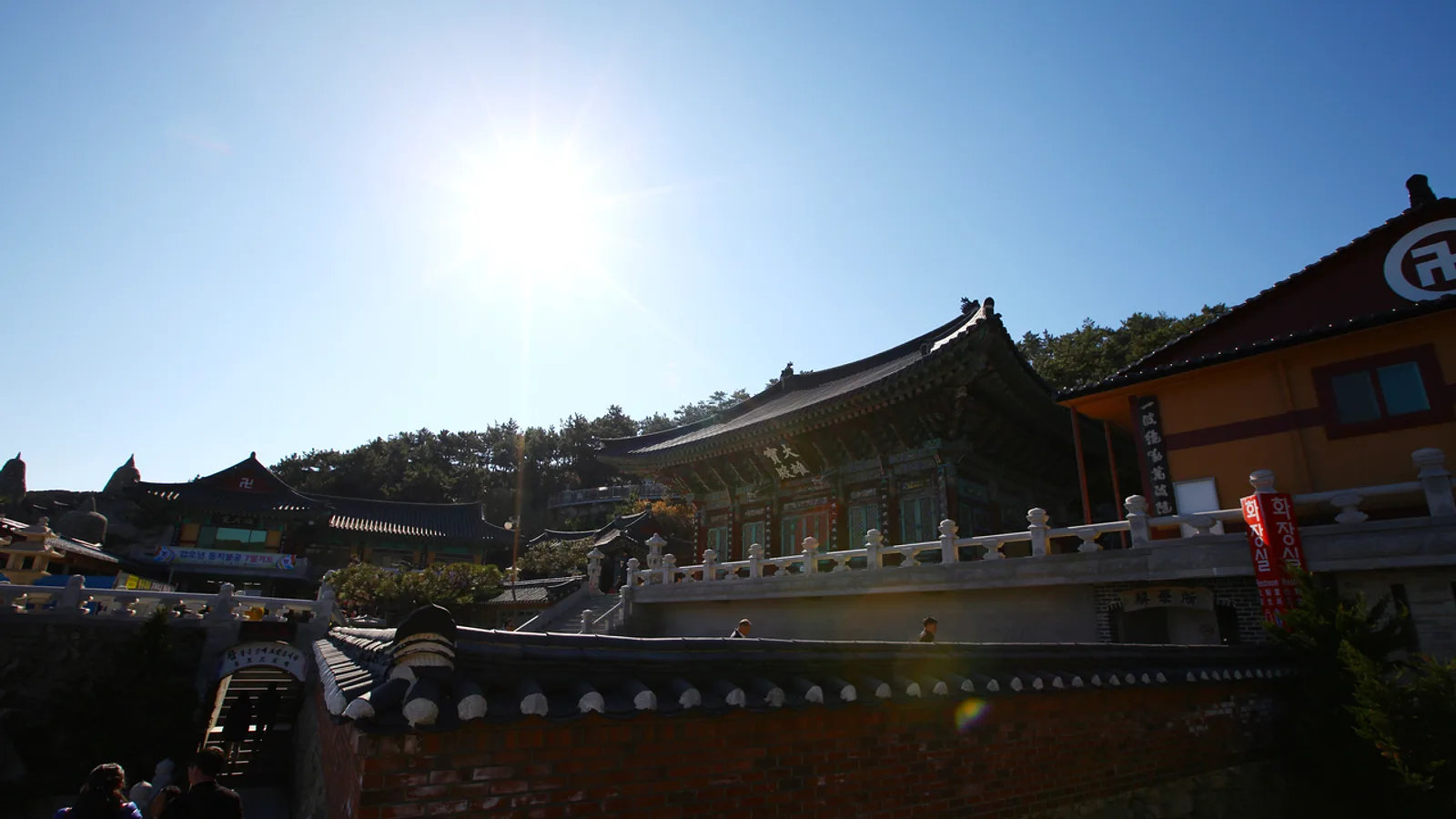
Gijang-gun sits on the northeast edge of Busan, away from the beaches and high-rises of Haeundae. It is a working fishing coast, and its reputation rests on two products: anchovies (myeolchi) and seaweed, both miyeok (wakame-type seaweed) and dasima (kelp). Daebyeon Port is the best-known stop for anchovy, while Yeonhwari is a village of snow crab restaurants. A visit works well as a half-day or full-day food trip, especially when combined with a temple and some shopping.
Why Gijang for seafood
Most visitors to Busan eat seafood at big central markets. Gijang offers something different: small harbour towns where the catch is the main business and the menu is built around it. Anchovy and seaweed appear in everyday Korean cooking, so eating them here shows where common ingredients come from. Anchovies are the base of many Korean broths, and miyeok is the seaweed served in birthday soup. Seeing them at the source makes the food easier to understand.
Daebyeon Port and anchovy
Daebyeon Port is the anchovy centre of the area. Anchovies here are eaten in two main ways:
- Raw, as hoe: thin, fresh and usually eaten with dipping sauces and vegetables.
- Grilled: a more approachable option for people who do not like raw fish.
The port holds an annual anchovy festival in spring. If the timing suits your trip, check the dates and programme through the official Busan or Gijang tourism channels, since schedules change from year to year. Outside festival season the port is still a working harbour, but food stalls and events will be quieter.
Seaweed on the Gijang coast
Gijang is also associated with miyeok and dasima. These are seen in restaurant side dishes, soups and sold products in the area. Fresh or lightly processed seaweed is a practical thing to look for if you want an edible souvenir. Check packaging labels and customs rules for your home country before buying food to take back, as limits on animal and plant products vary.
Yeonhwari and snow crab
Yeonhwari is a restaurant village known for snow crab (daege). Crab is usually served as a shared meal, so it suits groups better than solo travellers. Practical points:
- Look at how the crab is priced and weighed before ordering, and confirm the total with staff. Check reviews on Naver Map or Kakao Map for current information.
- Crab meals often come with several side dishes and a finishing course such as rice or noodles.
- Expect to spend time on shelling and eating. This is not a quick lunch.
Pairing with other sights
Two well-known places fit naturally into the same trip:
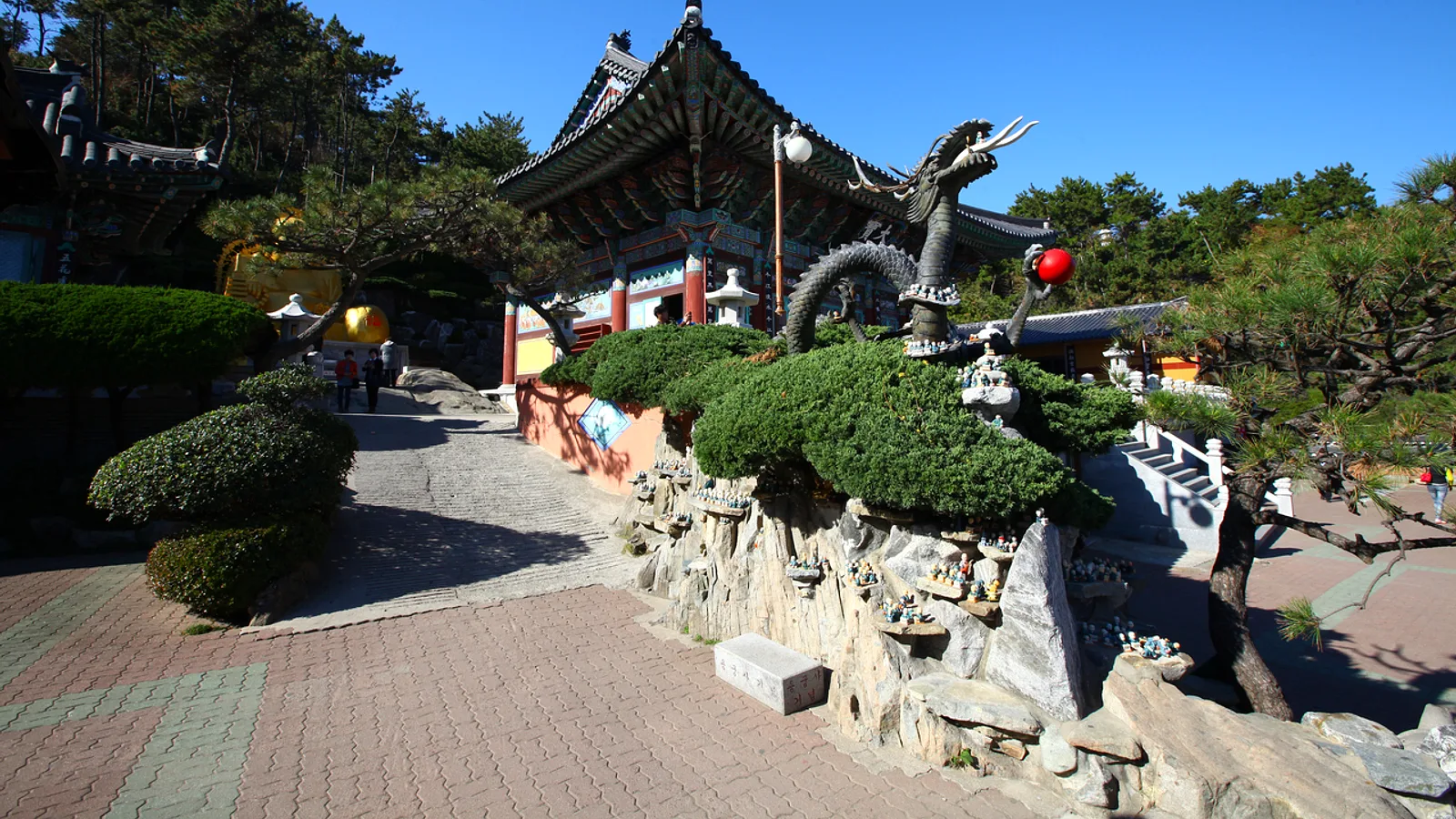
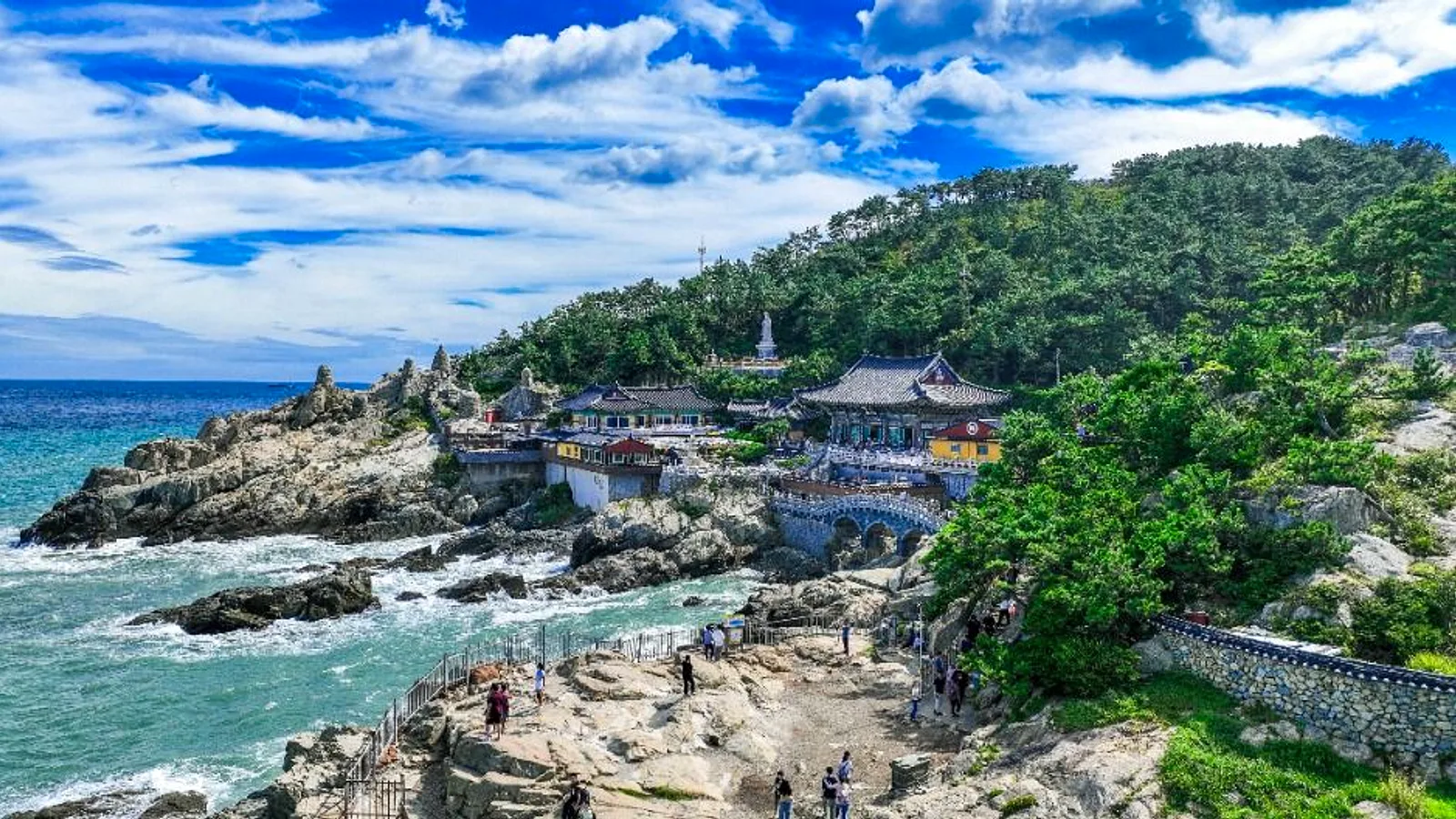
- Haedong Yonggungsa Temple: a temple on the coast, a popular sightseeing stop that pairs well with a seafood meal. Dress modestly and follow posted rules.
- Lotte Premium Outlet Dongbusan: useful for shopping, or for a rainy-day stop when outdoor plans are less appealing.
A practical order is the temple in the morning, then a seafood meal, then the outlet or a harbour walk. Opening hours and entry details should be checked on each official site before you go.
Getting there
From Haeundae, you can reach Gijang by bus or taxi. The Donghae Line commuter train also stops at Gijang and Osiria, which can be a convenient option if you want to avoid road traffic. Train stations are not always next to the harbours or restaurant areas, so plan a short bus or taxi leg for the last stretch. Use Naver Map or Kakao Map for current routes, transfers and timetables, because Google Maps directions in Korea can be limited.
Food cautions
- Raw anchovy and other raw seafood carry a higher risk of food-borne illness. Pregnant travellers, young children, older adults and anyone with a weakened immune system should consider cooked options such as grilled anchovy.
- Fish and shellfish allergies are common triggers. Crab is a shellfish. Anchovy is also used in broths and sauces, so it can be hidden in dishes that look vegetarian.
- Seaweed soups and side dishes are often made with fish-based stock. Vegetarians and vegans should ask before ordering, though options may be limited in fishing-town restaurants.
- Anyone with an iodine or thyroid concern should ask a doctor about eating large amounts of kelp and seaweed.
Tips
- Go with a clear meal in mind: anchovy at Daebyeon Port, snow crab at Yeonhwari. Trying to do both in one meal does not work.
- Visit in spring if anchovy is the priority, and check festival dates in advance.
- Bring a card and a small amount of cash, as some small vendors may prefer one or the other.
- Save the destinations in Naver Map or Kakao Map before leaving Haeundae, since signal and English information can be thinner in smaller harbour areas.
- Ask staff to confirm how a dish is prepared if you have any allergy. A translation app with a written note such as "no shellfish" can help.
- Weather matters on an exposed coast. Check the forecast and bring a light layer, especially if the plan includes the temple and harbour walks.