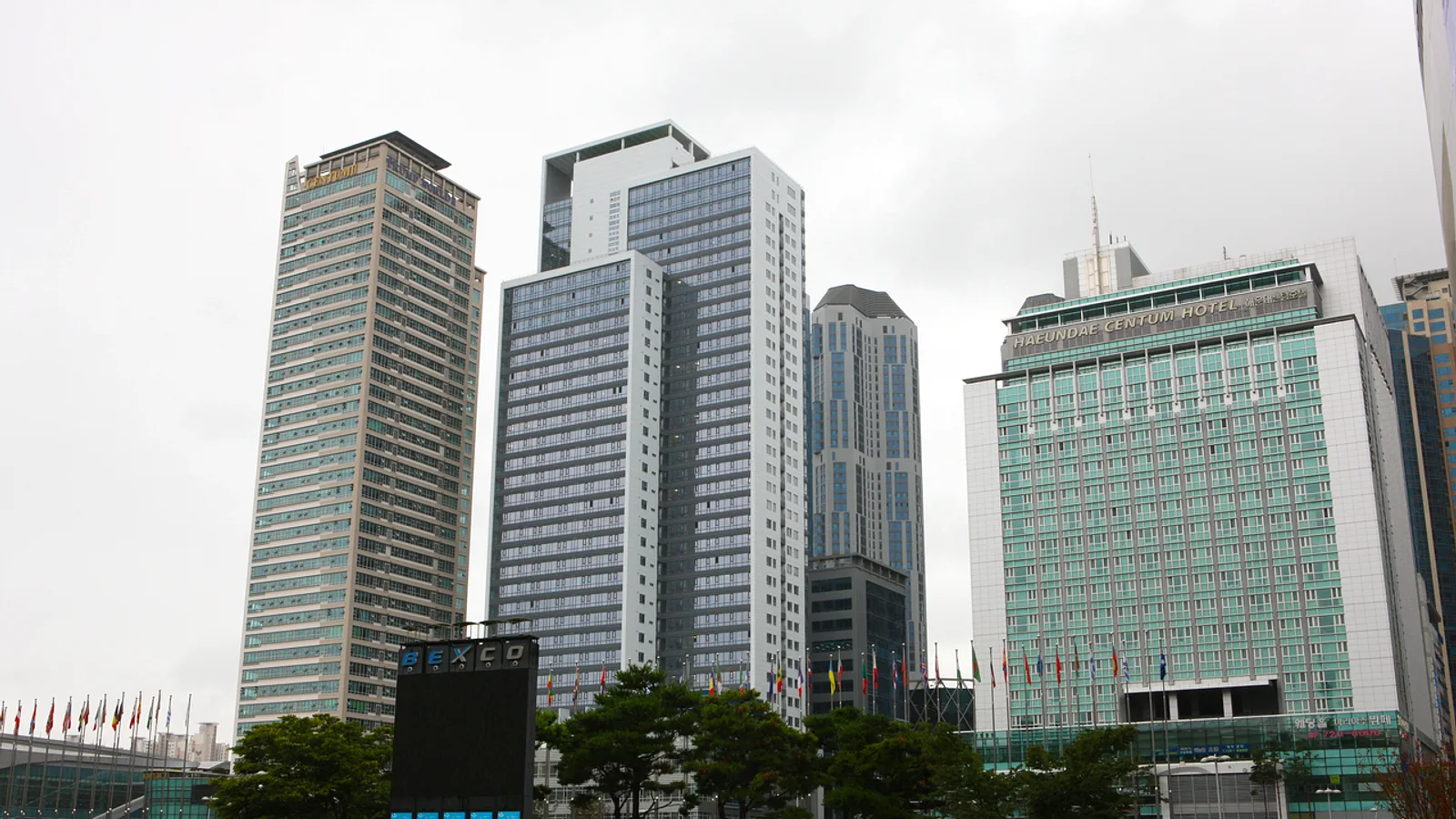
Rain is a regular part of travel in Busan, especially in summer, and a wet forecast does not have to cancel a trip. The city has enough large indoor venues to fill a full day without much time outdoors. Many of them cluster around Centum City and Haeundae, which makes it easy to link several stops by subway or a short taxi ride. This guide groups the options by area and explains how to adapt plans when the weather turns more serious.
Centum City: Shopping and Spa in One District
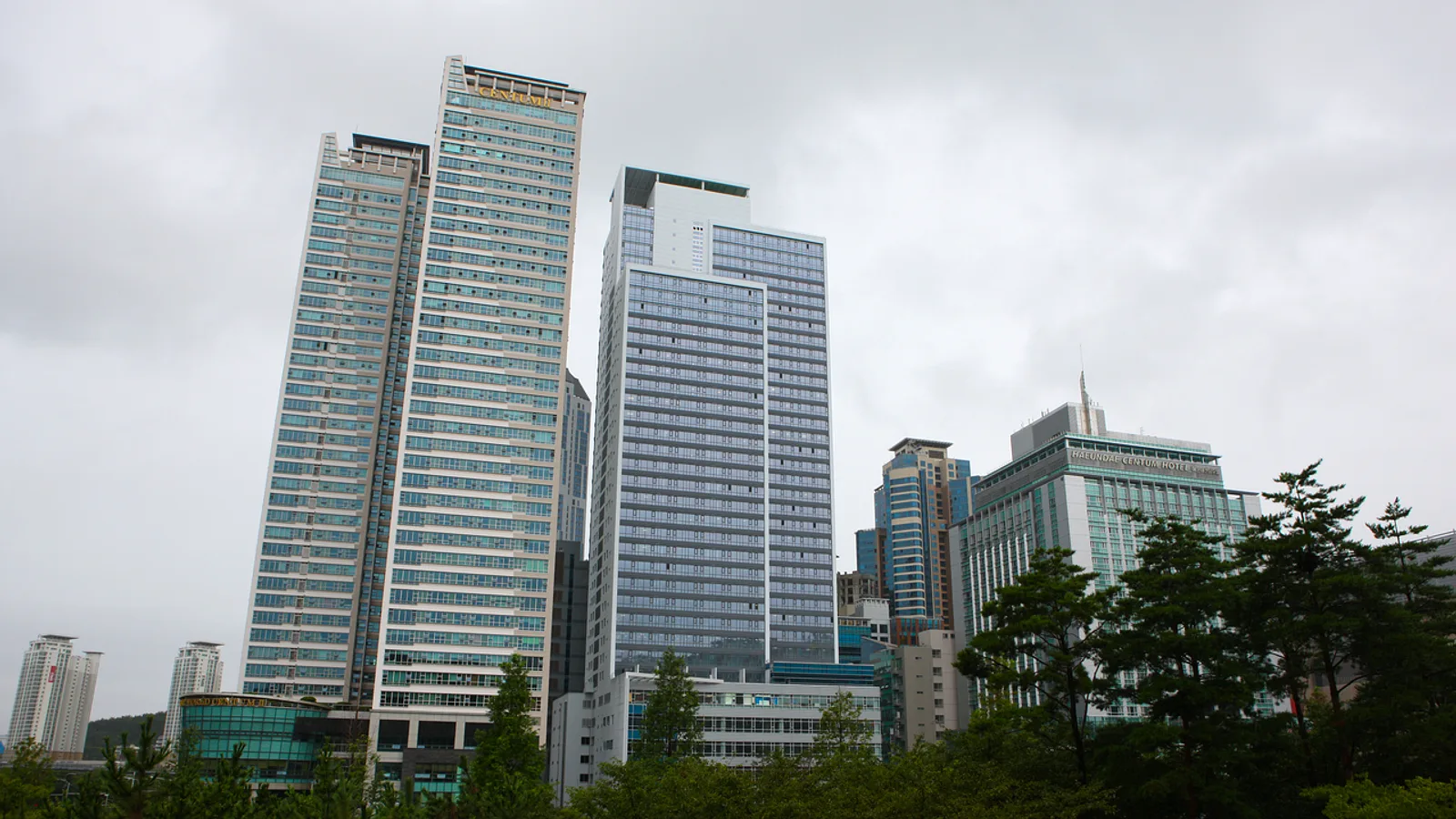
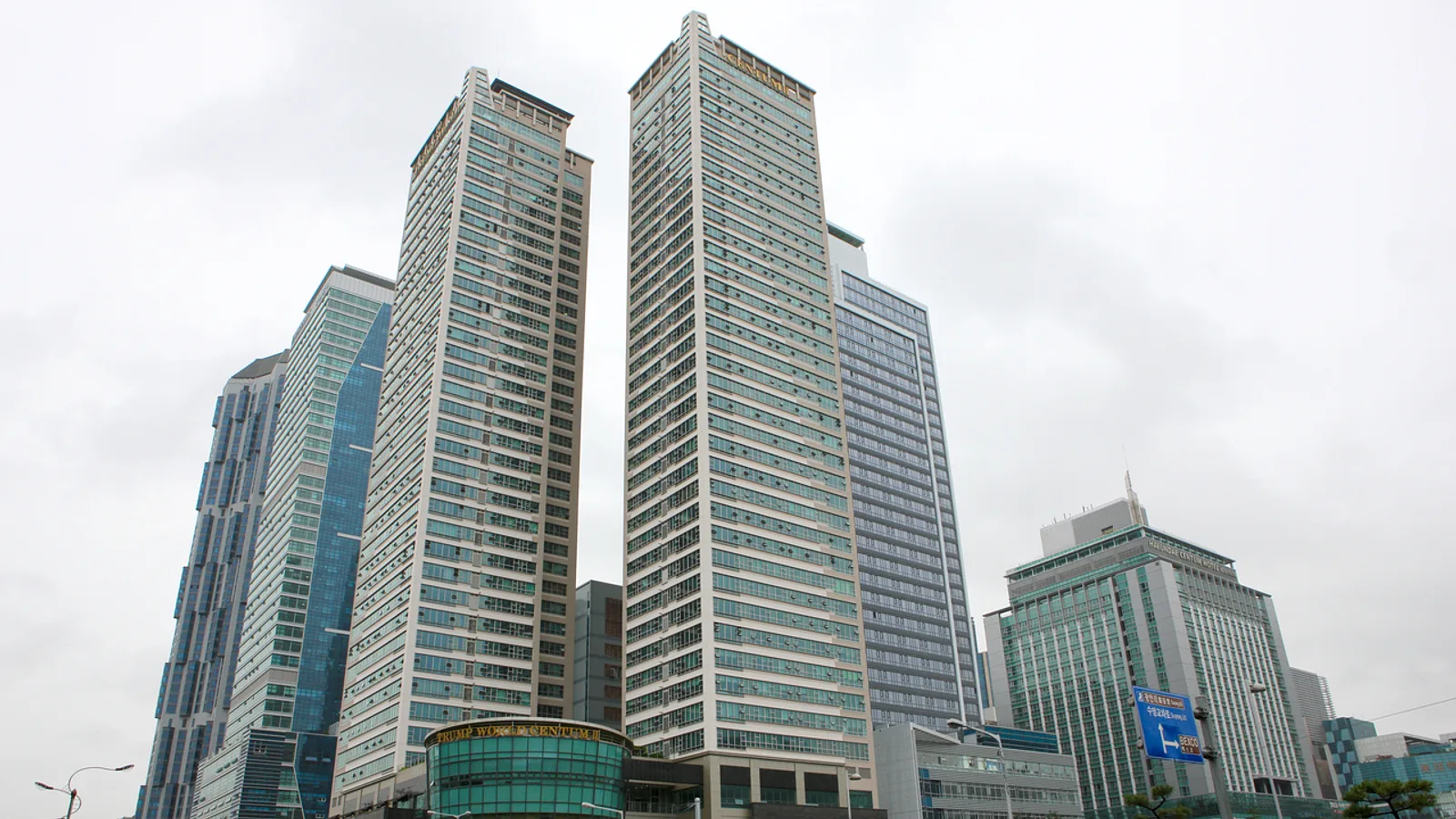
Centum City is the most practical base for a wet day. It holds a very large department store, and the surrounding blocks are connected by indoor passages and underground links, so little walking in the rain is needed.
- The department store has multiple floors of fashion, cosmetics, a food hall and restaurants, enough to spend several hours inside.
- Shinsegae Spa Land is a jjimjilbang, a Korean bathhouse, and is one of the better ways to spend a cold or wet afternoon.
- Opening hours and entry rules change, so check the official site before going.
Spa Land etiquette: bathing areas are usually gender-separated and require washing before entering the baths, and visitors are typically nude in those areas. Visitors with tattoos should check the facility's current policy in advance. Those who prefer not to bathe can often still use the mixed-gender areas in provided clothing.
Busan Cinema Center
The Busan Cinema Center is associated with the Busan International Film Festival and is a notable piece of modern architecture. Its large roof structure gives some shelter, and the complex sits close to Centum City, so the two pair easily.
- Check the schedule for screenings and exhibitions; programs vary by season.
- The area has places to sit and eat nearby, which helps if a shower passes and then returns.
- Foreign-language subtitles are not guaranteed for every film, so confirm before buying a ticket.
Busan Museum
The Busan Museum is a good choice for understanding the history of the city and the wider region, and it works well as a quiet half-day plan.
- Exhibits cover local history and culture, which gives useful context for the port city seen from outside.
- Museums often close on certain weekdays or holidays. Confirm the schedule on the official website or Naver Map or Kakao Map.
- Check whether English, Japanese or Chinese guides or audio support are available.
Sea Life Busan at Haeundae
The aquarium at Haeundae is an easy rainy-day option for families and groups, since the experience is entirely indoors. The beach is close, so it also fits a loose Haeundae plan, with the beach itself left for a drier moment.
- Book through the official site where possible, because wet days can bring larger crowds.
- Feeding shows and special programs may run on set schedules, so check the day's information on arrival or online.
- Allow time for the entry queue and for the walk between exhibits.
Jagalchi: Seafood Market Building
The Jagalchi building is Busan's best known seafood market, and the main building offers indoor space where much of the activity continues despite weather. It suits visitors who want local atmosphere without standing in the rain.
- Floors typically combine fresh seafood stalls with upstairs restaurants where raw and cooked fish are served.
- Food caution: the market is heavy on shellfish, raw fish, squid, octopus and other seafood. Anyone with shellfish, fish or other seafood allergies should be careful, and cross-contact is common because stalls share prep surfaces and oils. Raw dishes carry additional risk for pregnant visitors and people with weaker immune systems.
- Vegetarians and vegans will find very limited choices here. Ask clearly about broth and sauces, since fish stock is common in Korean cooking.
- The floors can be wet and slippery, so closed shoes with good grip are advisable.
Cafes as Rain Breaks
Busan has a strong cafe culture, and rain is a good excuse to use it. Cafes near the sea often have big windows, which makes watching waves and weather part of the visit.
- Use Naver Map or Kakao Map to search for cafes near wherever you are, and read recent reviews for crowd levels and seating.
- Some cafes have seating limits or time rules at busy periods.
- Dairy, nut and gluten ingredients are common in desserts and drinks. Staff can often explain ingredients, but a translation app helps for allergy questions.
Summer Rainy Season and Typhoons
Korea has a summer rainy season, usually called jangma, which generally falls in early to mid summer. Rain can be heavy and long-lasting, and humidity stays high. Typhoons can also affect the south coast, including Busan, in late summer and early autumn.
- During heavy rain or a typhoon warning, ferries, flights, trains, and some attractions can be delayed or suspended. Check transport operators' official notices.
- Stay away from the coastline, seawalls and beach areas in high wind or surf, even when the rain looks light.
- Keep a flexible schedule and avoid non-refundable bookings on peak typhoon days when you can.
- Follow local weather alerts and any guidance from your accommodation.
Tips
- Carry a compact umbrella or a light rain jacket, and bring a spare pair of socks if you plan to be out for long.
- Choose shoes with grip, since wet marble and tile in malls, stations and markets can be slippery.
- Combine nearby sights, such as Centum City with the Busan Cinema Center, to reduce time spent in transit.
- Check opening days and hours on official sites, Naver Map or Kakao Map before leaving, since closures are common on weekdays and holidays.
- Pre-book popular attractions such as the aquarium and the spa where possible.
- Keep a small plastic bag for wet umbrellas and electronics, as many indoor venues ask visitors to bag or store umbrellas at the entrance.
- Tell staff about food allergies before ordering, and write the allergen in Korean on a phone note for clarity.