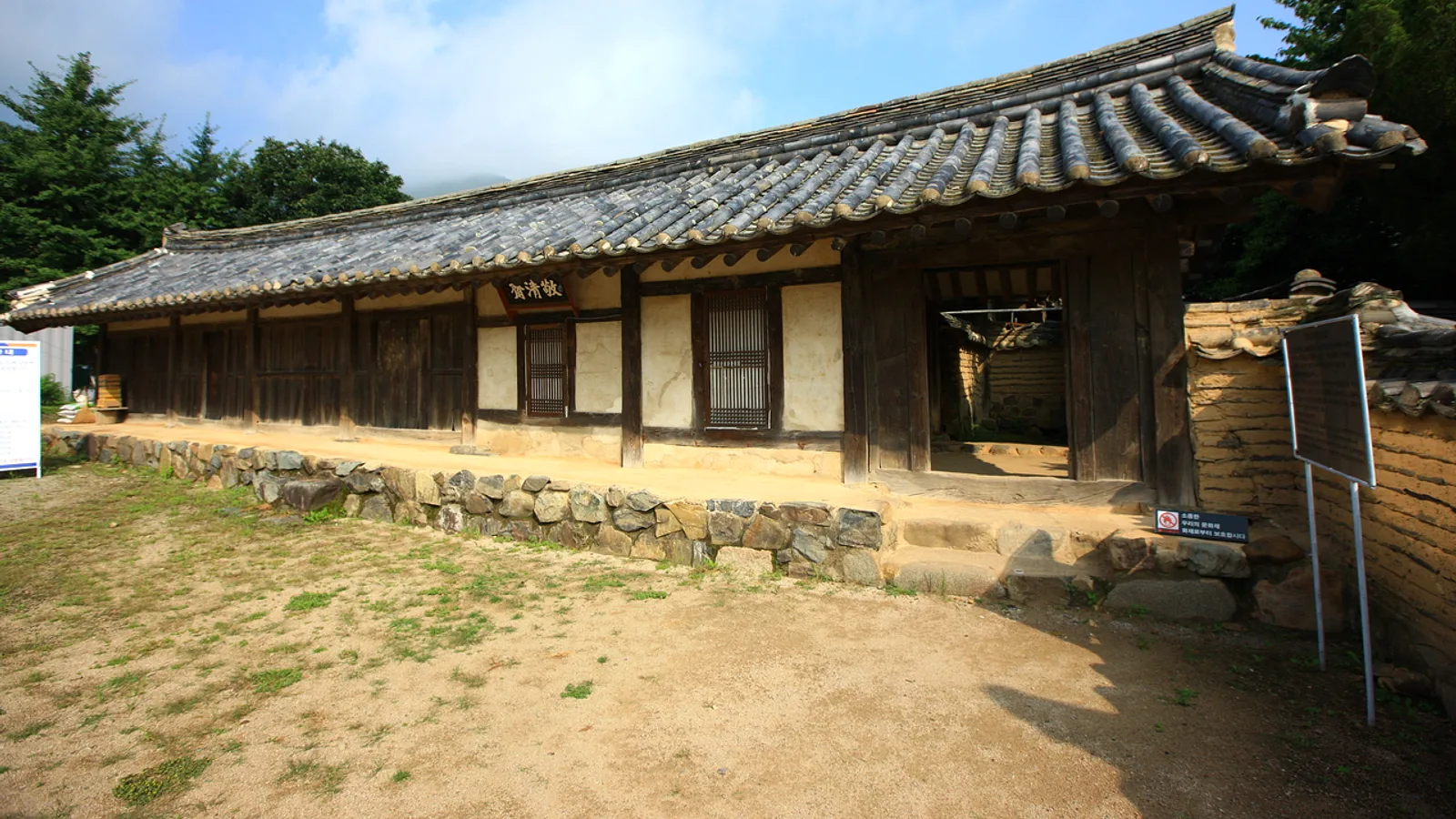
Gyeongju is a compact city, but its sights are spread out. The historic core around the royal tombs is walkable, while the lake resort area at Bomun sits farther away. Where you sleep decides how much you walk, how much you rely on buses or taxis, and how quiet your nights are. This guide compares the three main options so you can match one to your plans.
Hanok Stays in Gyochon
Gyochon is a traditional village area where some houses operate as guesthouses in hanok style. Expect wooden structures, courtyards and a slower, residential atmosphere.
- Best for travelers who want the traditional setting as part of the trip rather than only a place to sleep.
- Walking access to nearby historic sites is good, which suits visitors without a car.
- Hanok buildings have thinner walls and sliding doors than modern hotels, so sound from neighbors and the courtyard can carry.
- Floor bedding (yo) is common. Check the room description if you have back or knee problems, or difficulty getting up from the floor.
- Facilities vary widely between properties. Check the booking page for heating, bathrooms and luggage access, and confirm check-in arrangements directly with the property.
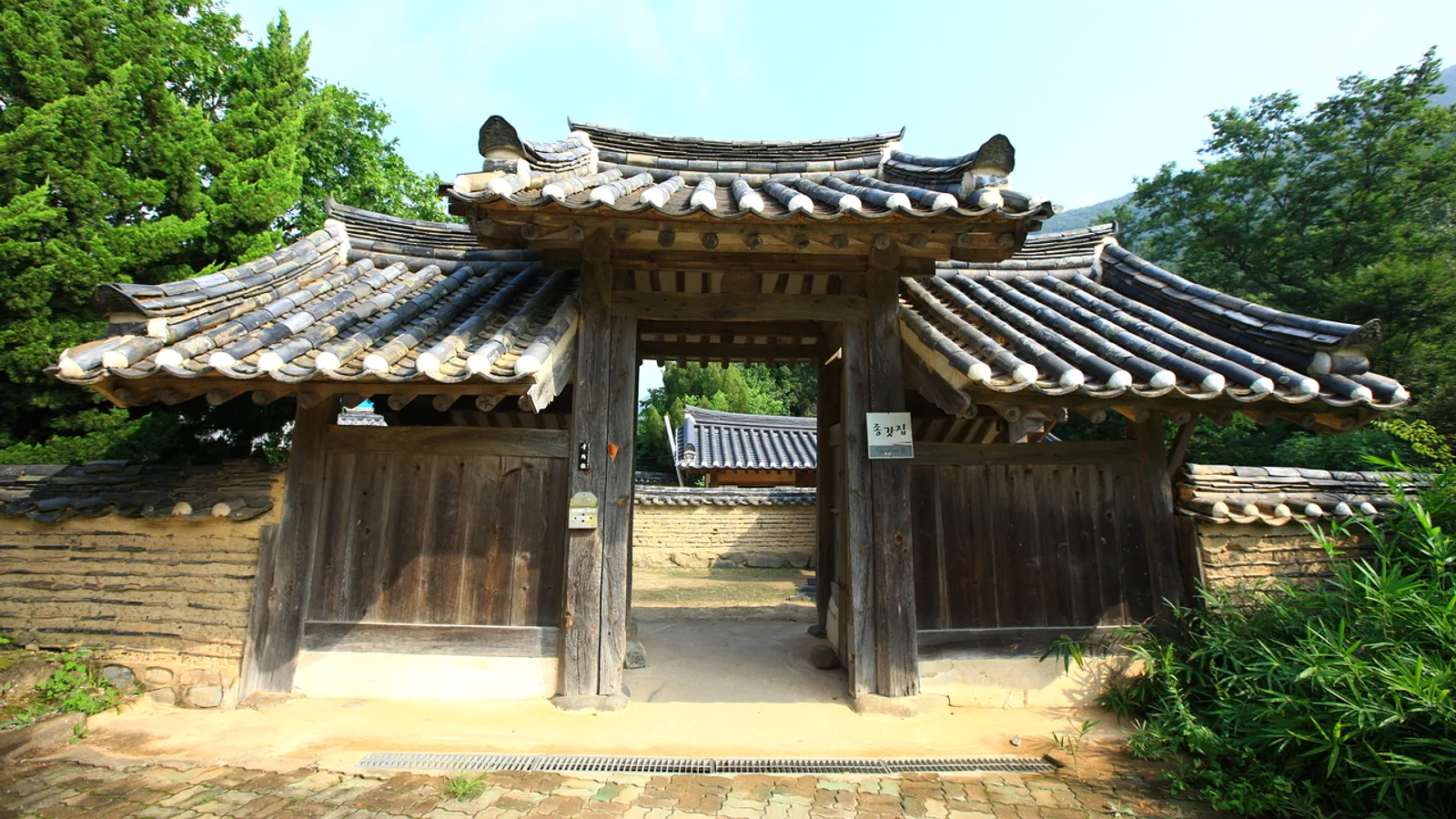
Hanok Stays Around Hwangnidan-gil
Hwangnidan-gil is the area of restored old houses converted into shops, cafes and guesthouses. Staying here puts you in the busiest pedestrian district, close to the tomb area.
- Convenient for evening walks, with plenty of options within a short stroll.
- Evenings can be lively, particularly on weekends and holidays. Light sleepers should ask for a room away from the main lanes.
- Lanes are narrow, so taxis may drop you at the edge of the district. Pack luggage accordingly.
- Compared with Gyochon, the atmosphere is more commercial and social.
Downtown Hotels Near the Tombs
Standard hotels near the tomb parks offer a conventional room and fewer surprises than hanoks.
- Walking access to the tomb area and the Hwangnidan-gil district is strong, so a car is not needed for the central sights.
- Rooms generally offer better sound insulation, beds rather than floor bedding, and modern bathrooms.
- Street noise depends on the room's direction. Request a higher floor or a quieter side if this matters to you.
- Intercity buses and trains arrive in the city, and a downtown base shortens the final transfer. Check Naver Map or Kakao Map for the route from your arrival point.
Resorts at Bomun Lake
The Bomun area is built around a lake and is oriented toward resort-style stays rather than the old town.
- Suits visitors who want a relaxed, leisure-focused stay with lake scenery.
- Quieter at night than the busiest parts of the old town, though event periods can change this.
- The central historic area is not within comfortable walking distance. Plan on buses, taxis or a rental car for day trips.
- Without a car, check bus routes and last-service times on Naver Map or Kakao Map before booking.
Choosing by Priority
- No car, first visit: downtown near the tombs, or a hanok in Gyochon or Hwangnidan-gil.
- Atmosphere above all: a hanok, accepting the trade-offs in noise and comfort.
- Quiet and comfort: a downtown hotel with a carefully chosen room, or a Bomun resort.
- Traveling with a car: Bomun becomes much easier, but check parking at any property in the old town, where lanes are tight.
- Families with young children or older relatives: modern beds, elevators and step-free access favor hotels. Ask hanoks about steps and thresholds.
Booking Checks
- Read recent guest reviews for comments on noise, heating and cooling, and cleanliness.
- Confirm cancellation terms and the check-in process before paying.
- Verify the distance to sights on Naver Map or Kakao Map rather than relying on the property's own description of being "near" something.
- If you have allergies or dietary restrictions and the stay includes breakfast, ask in advance what is served. Do not assume a traditional breakfast is free of common allergens such as soy, sesame, shellfish or fish-based stock.
Tips
- Book hanoks and popular properties early for spring, autumn and holiday weekends, when Gyeongju is busiest.
- Message the property before arrival to confirm access, since hanok lanes can be hard to navigate with luggage.
- Pack earplugs if you are a light sleeper, regardless of the area you choose.
- Check prices and availability on the official site or major booking platforms, as rates change by season.
- A split stay is possible. Some visitors spend one night in a hanok for atmosphere and the remaining nights in a hotel for comfort.
- Check current opening hours and access conditions for sights on official sites before building your daily plan around them.