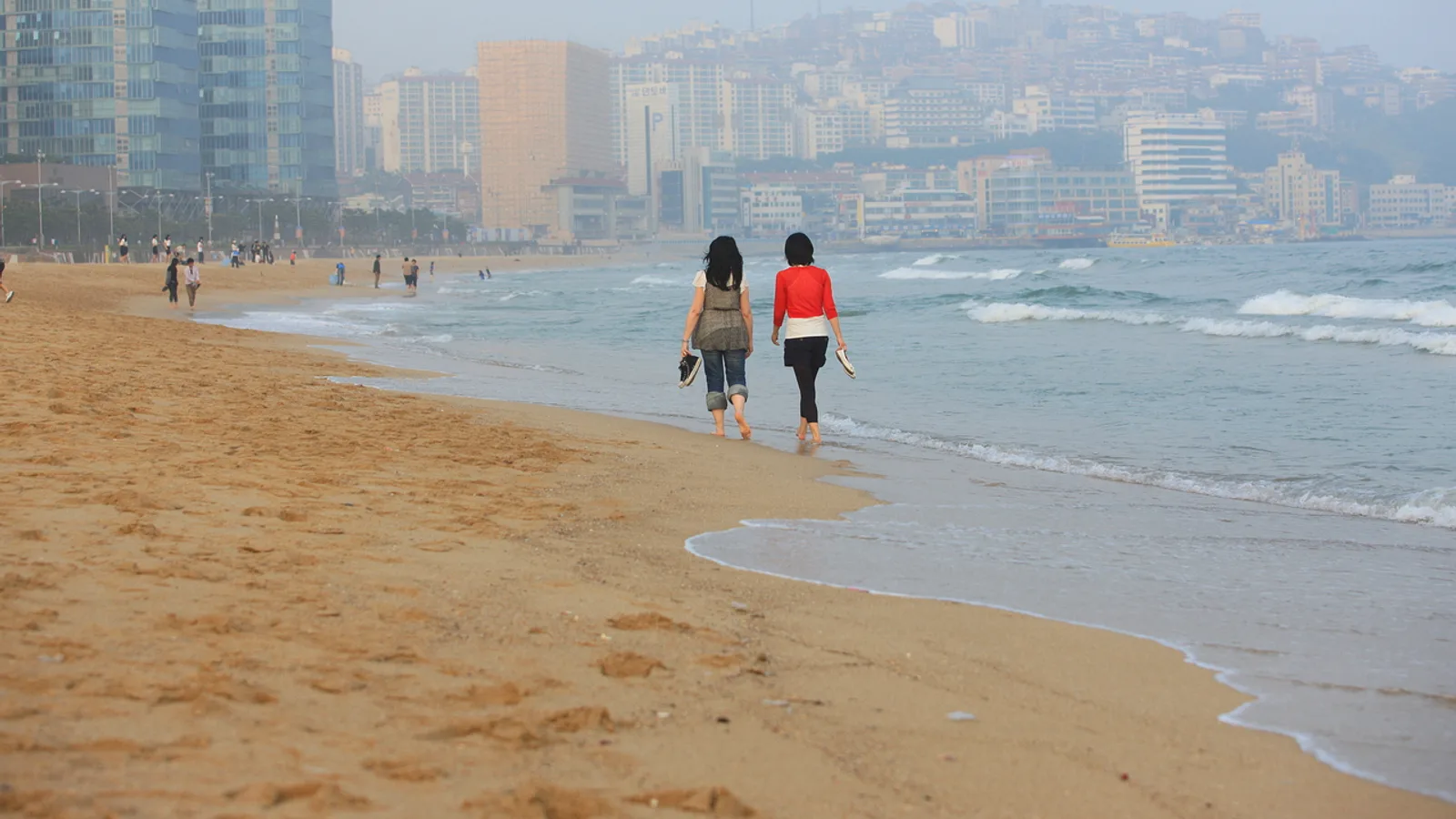
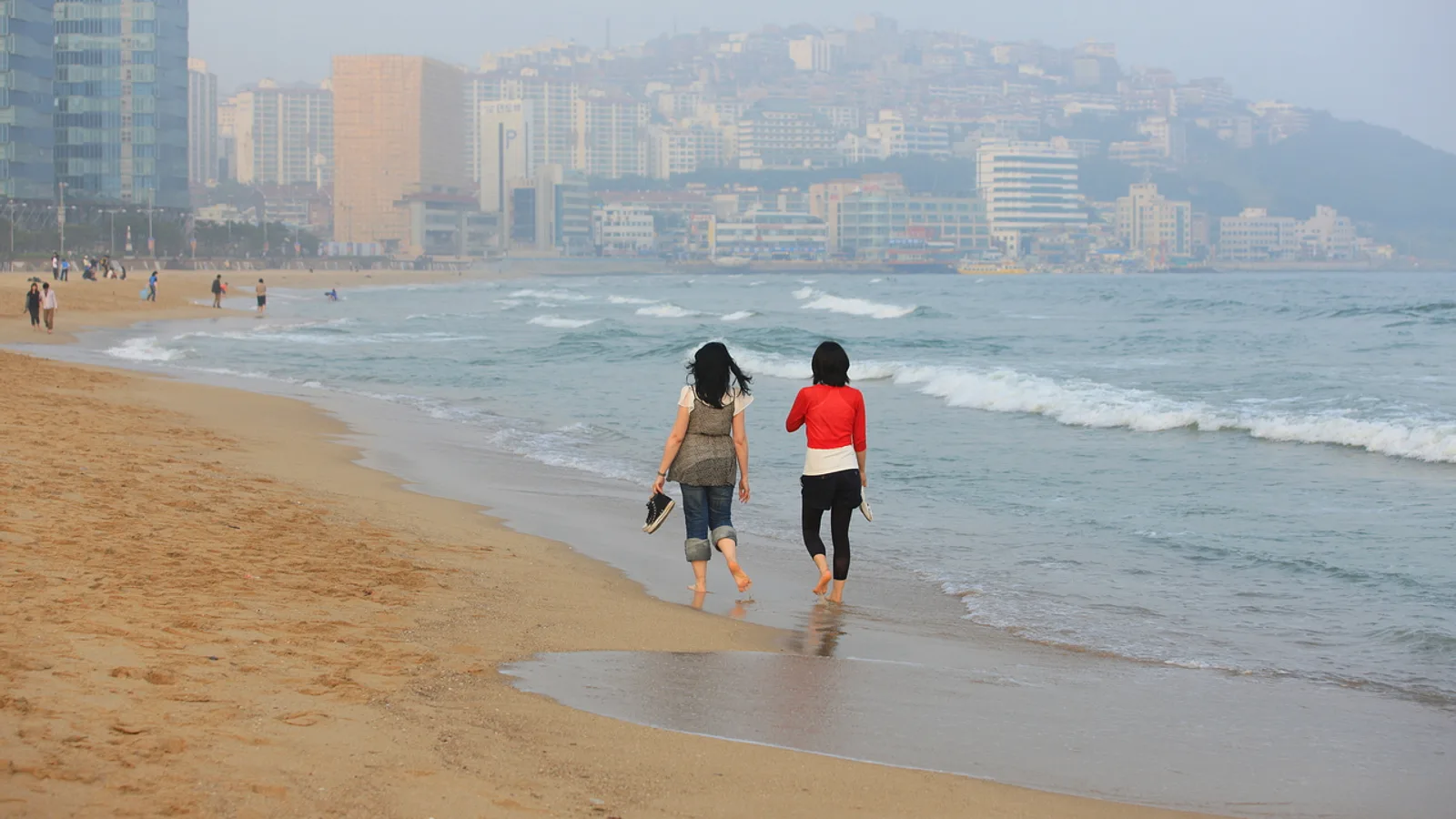
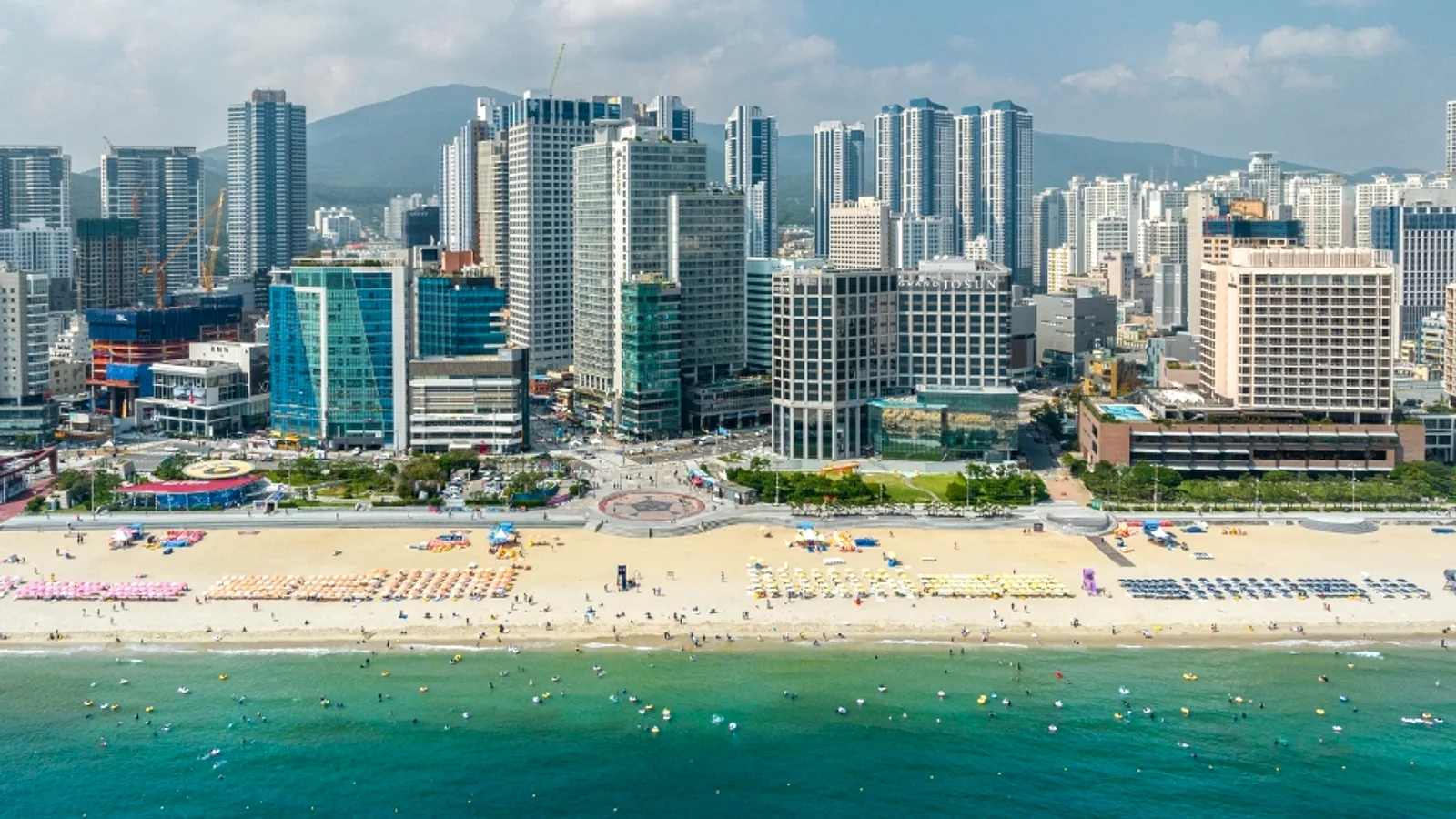
Haeundae Market sits a short walk from Haeundae Beach, which makes it an easy stop for visitors who want a cheaper lunch than the seafront restaurants usually offer. Local blogs often recommend it for exactly that reason. The market is a working neighborhood market, so it feels different from the resort area nearby. Stalls sell fried snacks, tteokbokki, fish cake, dumplings and seafood, and most of it can be eaten standing up or taken away. This guide explains what to look for, how to order without speaking Korean, and what to watch for if you have dietary restrictions.
Getting There and Setting Expectations
The market is within walking distance of the beach, so it works well before or after a swim or a coastal stroll. Use Naver Map or Kakao Map to find the entrance and to check the current layout, since stalls change over time.
- Treat it as a snack-and-small-meal stop rather than a sit-down restaurant experience.
- Stall hours vary by vendor and day. Check Naver Map or Kakao Map for current information rather than relying on a fixed schedule.
- Prices are usually shown on signs or boards. Compare a few stalls before committing.
- Many vendors prefer cash or card depending on the stall, so carry both.
Fried Snacks
Fried snacks are the most visible street food in a Korean market. Expect trays of items cooked in oil and sold by the piece or in small portions.
- Look at the tray and point to what you want. This is normal and vendors are used to it.
- Fried items are usually best eaten right away, while hot.
- Batter and frying oil are shared between items at many stalls, which matters for allergies (see below).
Tteokbokki
Tteokbokki is a dish of chewy rice cakes in a sauce, typically a sweet and spicy red chili sauce. It is one of the most common market snacks in Korea.
- The sauce is often spicy. If you are sensitive to heat, ask whether a milder version exists, or choose a different snack.
- The rice cakes are served hot, so wait a moment before the first bite.
- It pairs well with fish cake and fried items, and many stalls sell these side by side.
Fish Cake
Fish cake, called eomuk in Korean, is a processed seafood product usually served on skewers or in a warm broth. It is a common, inexpensive snack, especially in cooler weather.
- Fish cake is made from fish paste and often contains wheat flour and other additives. It is not a safe choice for people avoiding fish or gluten.
- The broth is usually fish-based as well.
- Skewers are typically counted at the end, so keep track of how many you have eaten.
Dumplings
Dumplings, known as mandu, appear in steamed and fried forms. They are a filling option when you want something more substantial than a skewer.
- Fillings commonly include meat, vegetables or noodles, but the contents differ by stall. Ask or check the sign if you avoid pork or beef.
- Wrappers are made from wheat flour.
- Steamed dumplings are generally lighter, while fried ones are heavier.
Seafood
Because Busan is a port city, seafood is a natural part of the market experience. The brief lists seafood among the items on offer, and it is worth looking at what vendors have on display.
- Choose seafood that is cooked or served hot if you are cautious about raw food.
- Raw or lightly prepared seafood carries a higher risk of food-related illness for some people, including pregnant visitors and those with weakened immune systems.
- If you want a full seafood meal, ask the vendor how it is prepared before you buy.
Dietary and Allergy Cautions
Street food in Korea is not designed around allergen labeling, and ingredients are rarely listed.
- Shellfish, fish, wheat, soy, sesame and egg are common across many market snacks.
- Shared frying oil and shared cooking surfaces make cross-contamination likely.
- Vegetarian and vegan options are limited. Sauces and broths often contain fish or meat-based stock even when the main item looks plant-based.
- If you have a serious allergy, consider carrying a written note in Korean that names your allergen, and show it to the vendor. A translation app can help prepare it in advance.
- When in doubt, skip the item. Vendors may not be able to confirm every ingredient.
Tips
- Go with an appetite and sample small portions from several stalls rather than filling up at one.
- Bring small bills and a card, and check Naver Map or Kakao Map for current stall information.
- Eat near the stall where possible, since many vendors do not provide seating or take-away containers for hot broth.
- Keep tissues or hand wipes with you, as fried and sauce-covered snacks can be messy.
- Use the market as a lunch stop, then walk to the beach afterward.
- Dispose of skewers and wrappers in the bins provided, or carry them with you until you find one.
- Check the official Busan tourism site for any market events or temporary changes before you visit.