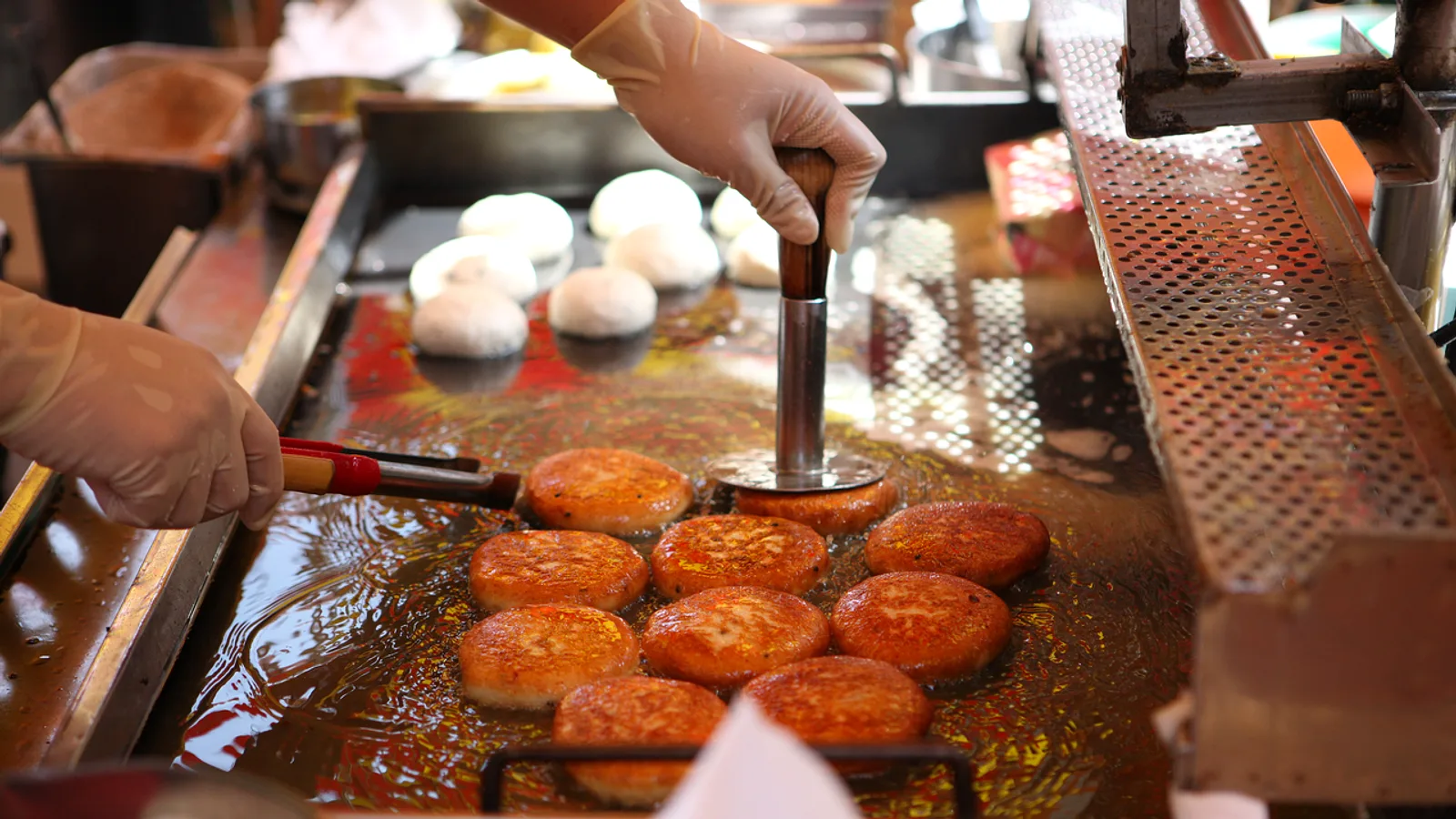
BIFF Square sits in the Nampo-dong district of Busan's old downtown, and it is one of the easiest places in the city to eat well on foot. The area is named after the Busan International Film Festival, and the street stalls around it serve a small set of well-known snacks that can be sampled in a single afternoon. Gukje Market and Bupyeong Kkangtong Market are right next door, so the walk combines food, browsing and a little film history. This guide explains how to get there, what to order, and what to watch for if you have dietary restrictions.
Getting There
The nearest metro stations are Jagalchi and Nampo, both on Line 1. Either works as a starting point, and the district is compact enough to cover on foot. Check Naver Map or Kakao Map for exit numbers and walking routes, since the streets around the markets are crowded and the lanes can be confusing at first.
- Nampo Station is the more common choice for reaching BIFF Square and the market streets.
- Jagalchi Station is a good option if you are combining the walk with a visit to the Jagalchi seafood area.
- Both stations are on Line 1, so you can enter at one and leave from the other.
What BIFF Square Is
BIFF Square commemorates the Busan International Film Festival. Handprints of film stars are set into the pavement, and visitors often compare their own hands with the casts. It works as a landmark and a meeting point as much as a sightseeing stop. Allow time to look at the handprints, then move on to the stalls, which are the main reason most people come.
Ssiat Hotteok
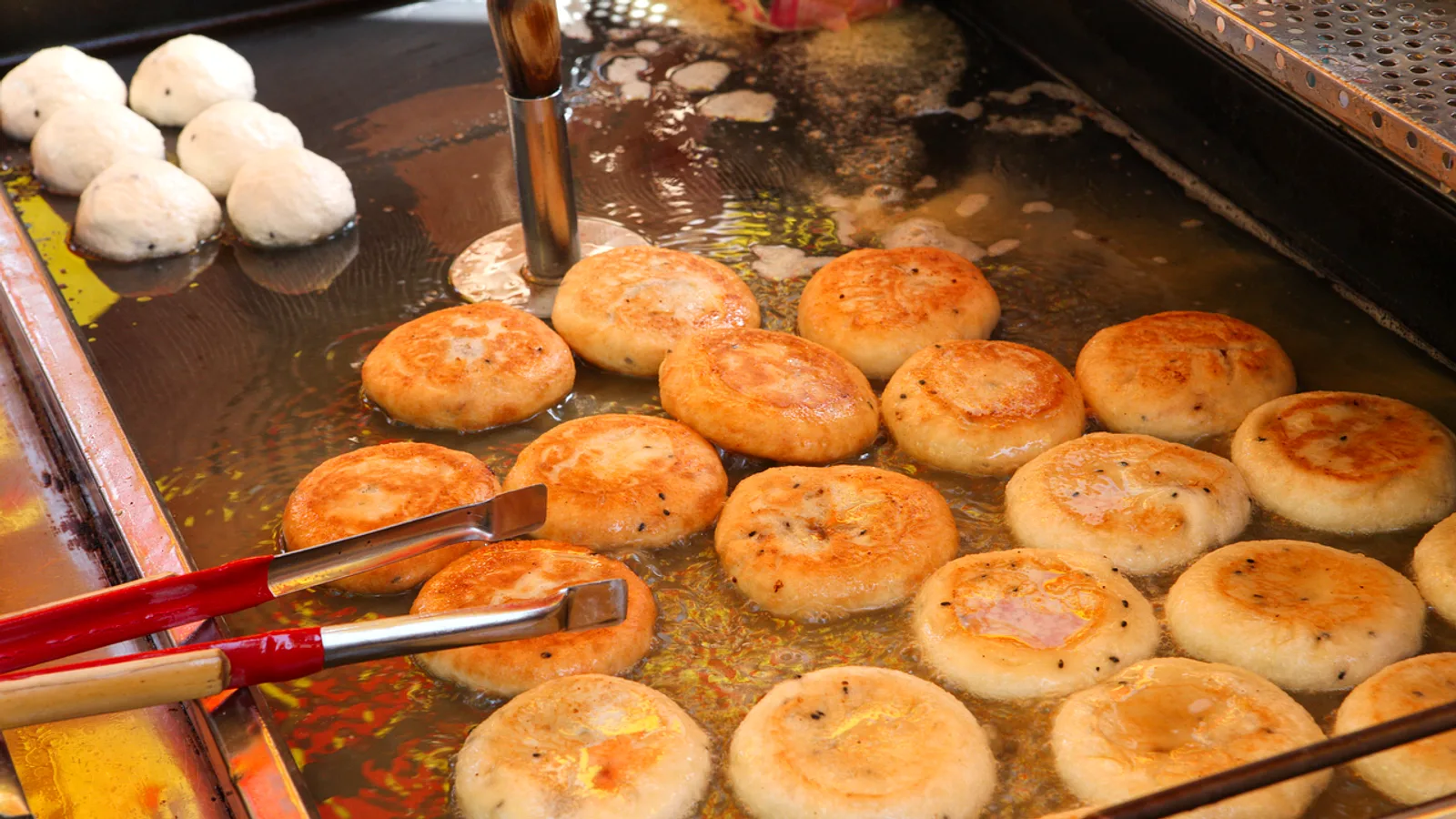
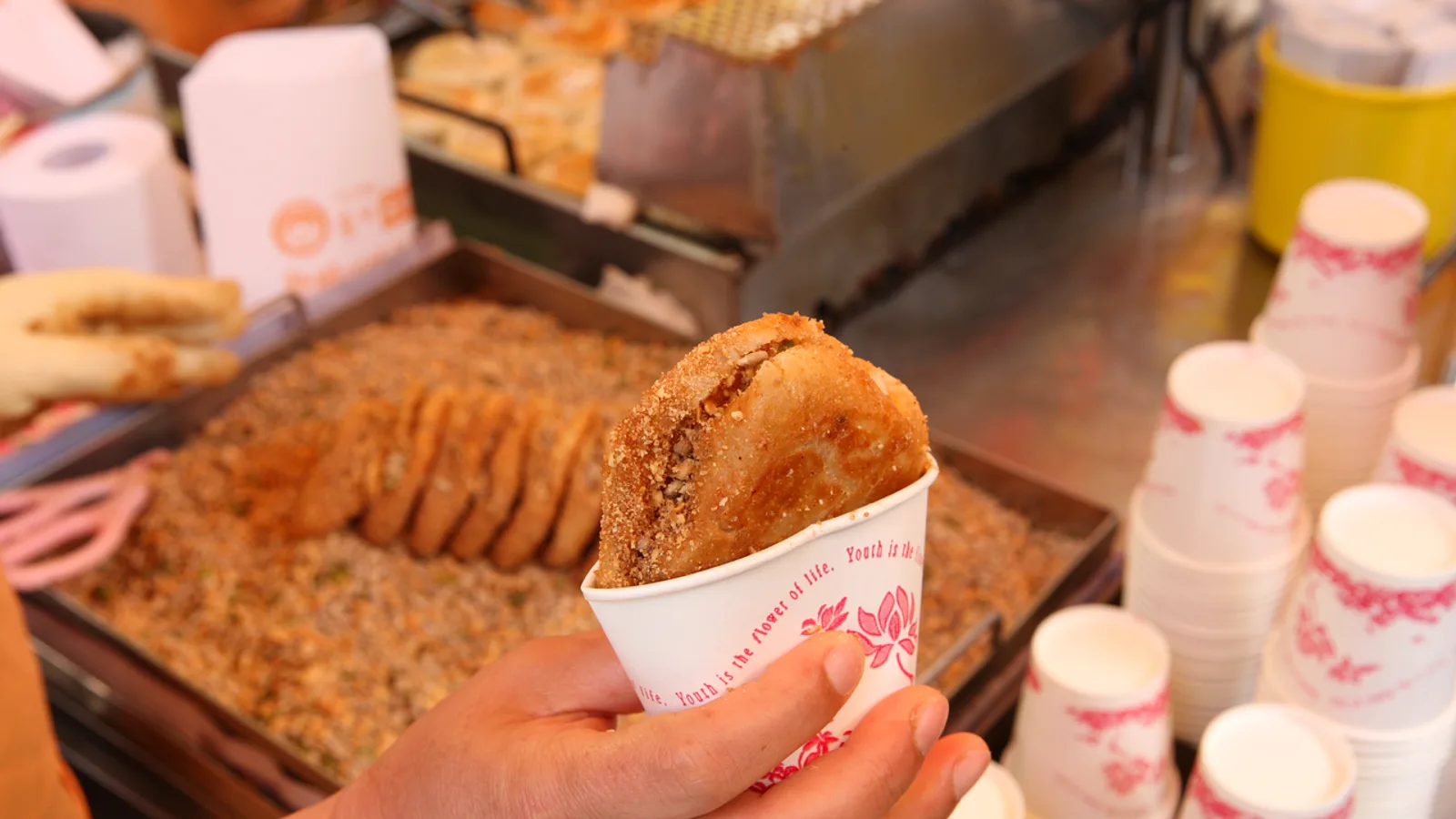
Ssiat hotteok is the snack most closely associated with this area. It is a fried pancake stuffed with brown sugar and seeds, and it is served hot, so let it cool briefly before biting in, as the filling is molten sugar.
- The seeds in the filling make this a risk for people with nut or seed allergies. Ask the stall before ordering, using a translation app if needed.
- The pancake is made from wheat dough, so it is not suitable for gluten-free diets.
- Stalls often use shared oil and surfaces, so cross-contact is likely.
Eomuk
Eomuk is fish cake served on skewers, usually standing in a warm broth. Visitors typically eat it at the stall, drinking the broth from a paper cup. It is a light snack and suits a cold day well.
- Eomuk is made from fish paste, so it is not suitable for people with fish allergies or for vegetarians and vegans.
- The fish cake often contains wheat starch, and the broth is typically fish-based.
- Shellfish may also be involved in the broth or processing, so people with shellfish allergies should avoid it unless a vendor can confirm otherwise.
Bibim Dangmyeon
Bibim dangmyeon is a dish of glass noodles tossed in a seasoned sauce. It is a chewier, more savory contrast to the sweet hotteok. The sauce is commonly spicy, so ask for a milder version if you are sensitive to chili.
- Glass noodles are usually made from sweet potato starch, which is generally gluten-free, but the sauce often contains soy sauce, which commonly contains wheat.
- Sesame is a common ingredient in Korean seasoning, which matters for allergy sufferers.
- Dishes may include egg, fish cake or other toppings depending on the stall, so check what is on the plate.
Gukje Market and Bupyeong Kkangtong Market
After eating, the neighboring markets give you a reason to keep walking. Gukje Market sells clothing, kitchenware and souvenirs, and it is a practical place to look for small gifts. Bupyeong Kkangtong Market has a night market section, which makes it a reasonable choice for an evening visit when more stalls are active.
- Bring a bag for purchases, as many stalls do not offer large ones.
- Check opening days and hours on Naver Map or Kakao Map before going, because individual stalls vary.
- The lanes are narrow and busy, so keep valuables close.
Tips
- Plan to eat several small portions rather than a full meal at one stall. The snacks are filling, and sharing lets you taste more.
- Carry some small change or a payment card, and check at each stall which payment methods it accepts. Prices vary, so confirm them at the stall.
- Street food is often eaten standing or while walking, but some stalls have a small area for eating. Follow the vendor's lead and dispose of cups and sticks in the bins provided.
- If you have an allergy, write down the ingredient in Korean or use a translation app before ordering. Vendors work quickly, and a clear written note is more reliable than a spoken explanation.
- Visit outside the busiest meal periods if you want shorter queues, and check current conditions on Naver Map or Kakao Map.
- Wear comfortable shoes, since the pavement and market lanes can be uneven and crowded.