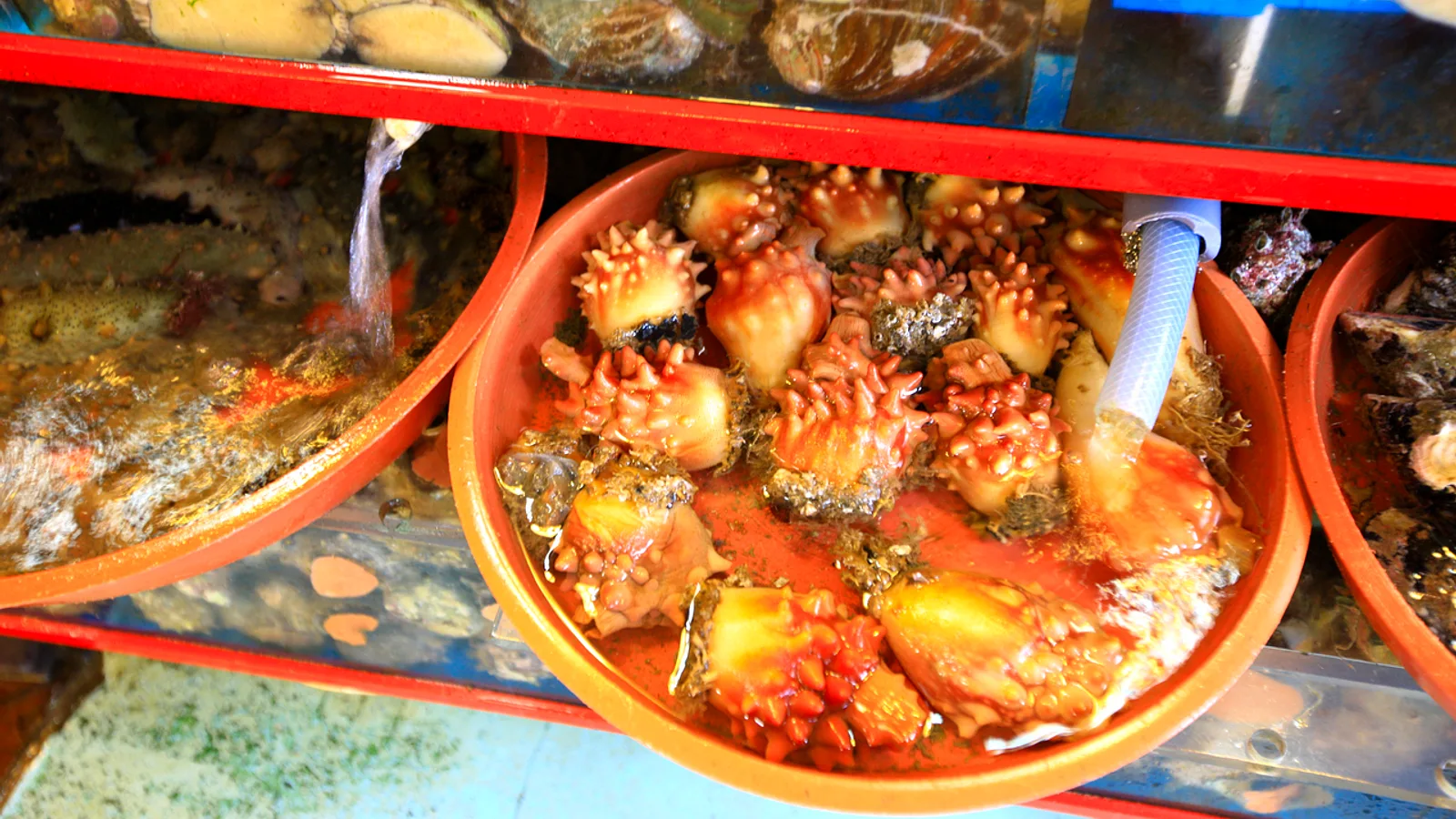
Hoe is the Korean word for raw fish, and in Busan it is more than a plate of sashimi. A hoe meal is a set sequence: sliced fish, a spread of side dishes, a spicy fish stew to finish, and a particular way of wrapping and eating. Busan is a port city, so fresh fish is easy to find. That also means prices vary widely depending on where and how a visitor orders. Knowing the format and asking a few questions before sitting down is the best way to avoid a surprise bill.
What a Hoe Meal Includes
Hoe is sashimi served with side dishes, called banchan. These are small plates that arrive with the fish and are usually part of the meal rather than extras. Expect items such as kimchi, vegetables, and other small portions, though the selection differs by restaurant.
After the raw fish, many restaurants serve maeuntang, a spicy fish stew. It is usually made from the leftover bones and trimmings of the fish just eaten. Some places include it in the set, while others charge separately or offer rice and noodles to go with it. Ask which applies when ordering.
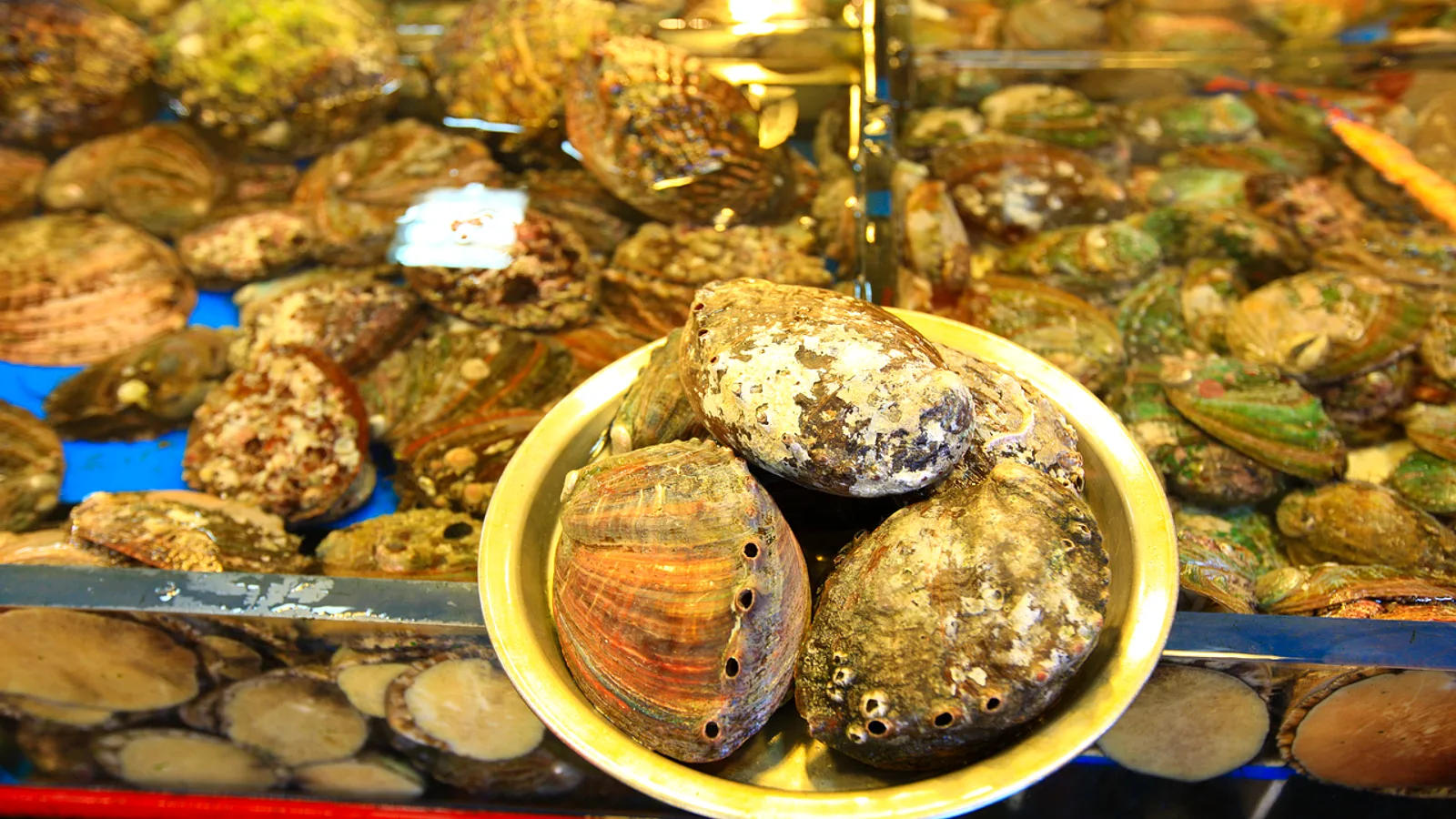
How to Eat Hoe
The usual method is to wrap the fish rather than eat it plain.
- Take a piece of lettuce or another leaf in the palm of one hand.
- Add a slice of fish, a dab of ssamjang (a thick, savory, mildly spicy paste), and a slice of raw garlic.
- Fold the leaf into a single bite and eat it whole.
Soy sauce with wasabi is also common for dipping, and nobody will object if a visitor eats the fish that way. Garlic and ssamjang are optional, so those who dislike strong flavors can skip them.
Three Ways to Buy: Market Floor, Upstairs, or Millak
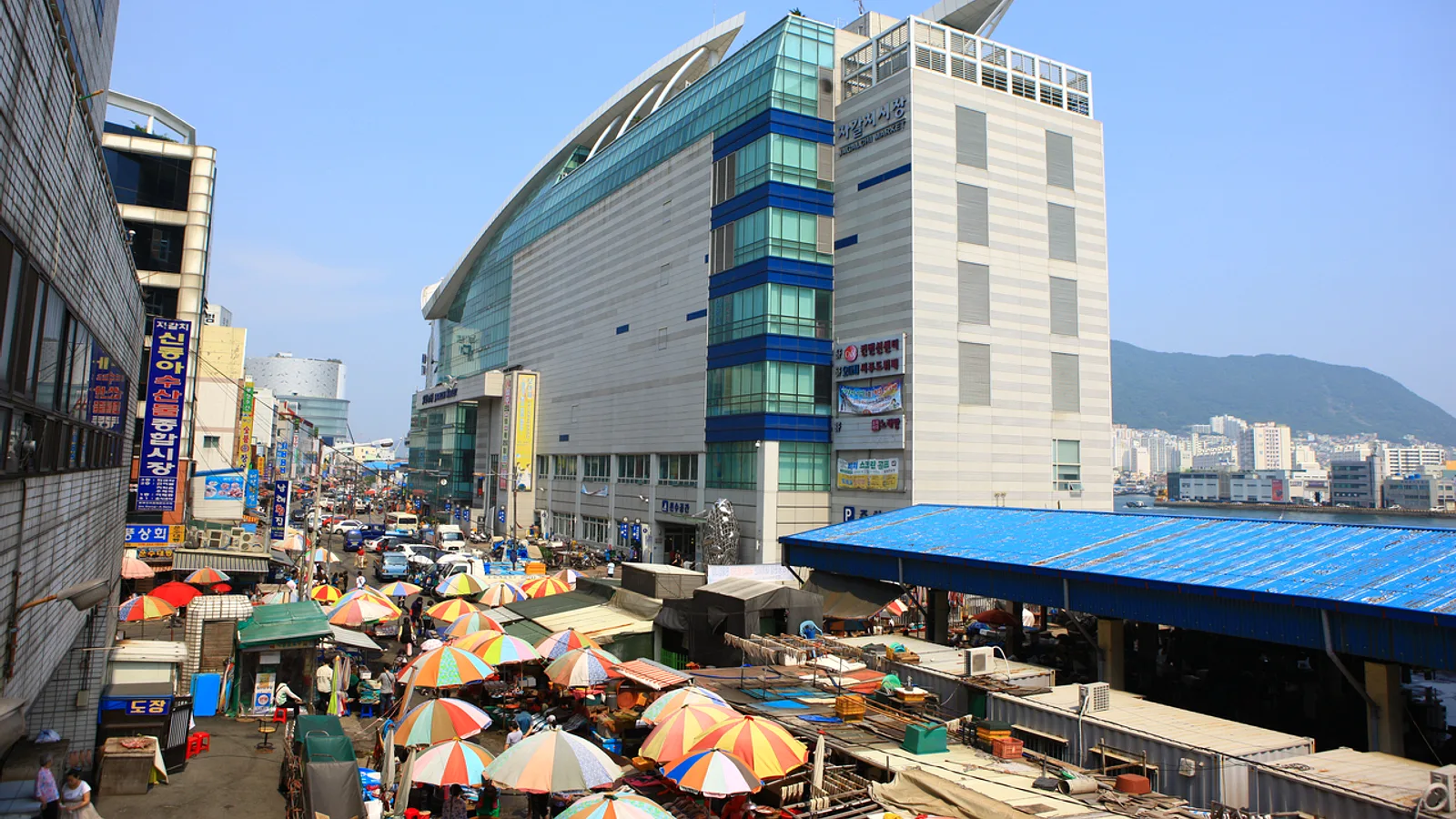
Jagalchi Market is Busan's best-known seafood market, and it offers two quite different experiences.
- Market floor: Vendors sell live fish from tanks. A visitor chooses the fish and agrees on a price for it. This is the most direct option, but it requires comfort with negotiating and a clear understanding of what the quoted price covers.
- Upstairs restaurants: Many Jagalchi buildings have restaurants above the selling floor. A fish bought downstairs can often be taken up to be prepared and served, with banchan and stew added. The sit-down setting is easier for first-timers, but fees for preparation and seating may apply.
- Millak: The Millak area, near the waterfront, is a separate option with its own cluster of hoe restaurants and a more local, neighborhood feel. It is often considered less tourist-focused than Jagalchi, but conditions and prices still vary by shop, so the same questions apply.
None of these is automatically cheaper. The better choice depends on group size, language comfort, and how much a visitor wants to handle personally.
Confirm the Price Before Anything Is Cut
Most overpaying comes from misunderstanding rather than outright dishonesty. Before the fish is prepared, confirm these points:
- The total price: Ask for the full amount for the fish, not just the per-unit figure. A written or typed number on a phone screen avoids confusion.
- Seating charge: Ask whether a table or room fee applies when eating upstairs.
- What is included: Check whether banchan, stew, rice, and drinks are part of the price or billed separately.
- Portion size: Confirm that the amount of fish matches the group size so the order is neither too small nor wastefully large.
Prices are not listed here because they change often. Check current information through Naver Map or Kakao Map reviews, or ask the vendor directly.
Seasonal Fish
The fish on offer changes with the seasons, and what is plentiful at one time of year may be limited at another. Seasonal fish is generally better value than out-of-season fish. Ask what is in season and recommended rather than pointing at the most unusual-looking tank. Staff can usually say what is freshest, even with simple English or a translation app.
Allergies and Dietary Cautions
Raw fish carries its own considerations, and seafood meals involve many ingredients that are not obvious.
- Shellfish allergies: Hoe platters, side dishes, and stews often include shellfish or shellfish-based broth. Tell the staff clearly before ordering and ask which dishes contain shellfish. Saying it in Korean, or showing a translation on a phone, is more reliable than assuming.
- Cross-contact: Shared cutting boards, tanks, and preparation areas are common in markets, so those with severe allergies should weigh that risk.
- Other fish allergies: Maeuntang is made from fish, so it is not a safe choice for anyone avoiding fish.
- Raw food caution: Pregnant visitors, young children, older travelers, and anyone with a weakened immune system should consider whether raw fish suits them. Cooked options are widely available at the same restaurants.
- Sauces and banchan: Some pastes and side dishes contain seafood or other allergens, so ask when in doubt.
Tips
- Decide in advance whether the goal is a quick market experience or a relaxed sit-down meal, then choose the floor or an upstairs restaurant accordingly.
- Compare more than one vendor before committing, and confirm the total each time.
- Ask whether the stew is included before the fish is served.
- Keep the agreed price visible on a phone screen or note.
- Check official sites, Naver Map, or Kakao Map for current hours and location details rather than relying on fixed times.
- Bring a translation app for ordering and allergy communication.
- If something on the bill differs from what was agreed, raise it politely at the table before paying.