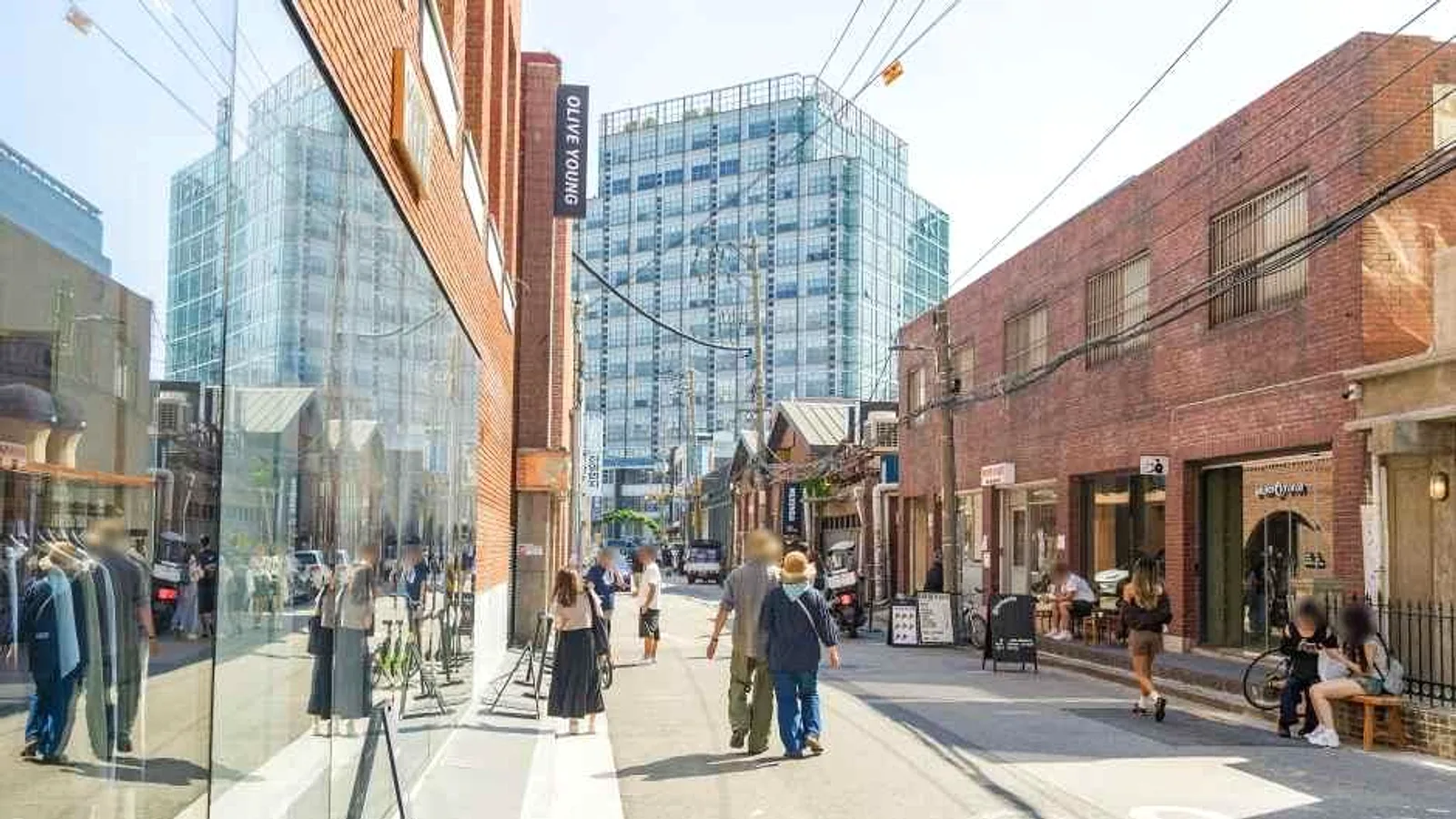
Seongsu-dong is a former factory area in eastern Seoul that now holds a dense mix of cafes, pop-up stores and design shops. Old brick workshops and low industrial buildings sit next to renovated spaces, and the neighborhood sits close to Seoul Forest. It suits visitors who like wandering between small venues more than ticking off one big sight. The main difficulty is crowding, since weekends bring long lines and many cafes keep waiting lists.
Getting Oriented
The area is easiest to reach by subway. Seongsu Station on Line 2 is the usual starting point, and Ttukseom Station on the same line is another common entry. Seoul Forest Station sits on the southern side. Most of the interesting streets are within walking distance of one another, so a loose loop on foot works better than taxis.
Before leaving, search the specific venues you want in Naver Map or Kakao Map. These apps show current locations, closures and reviews, and they are more reliable than printed guides in a district where shops change often.
What the Cafes Are Like
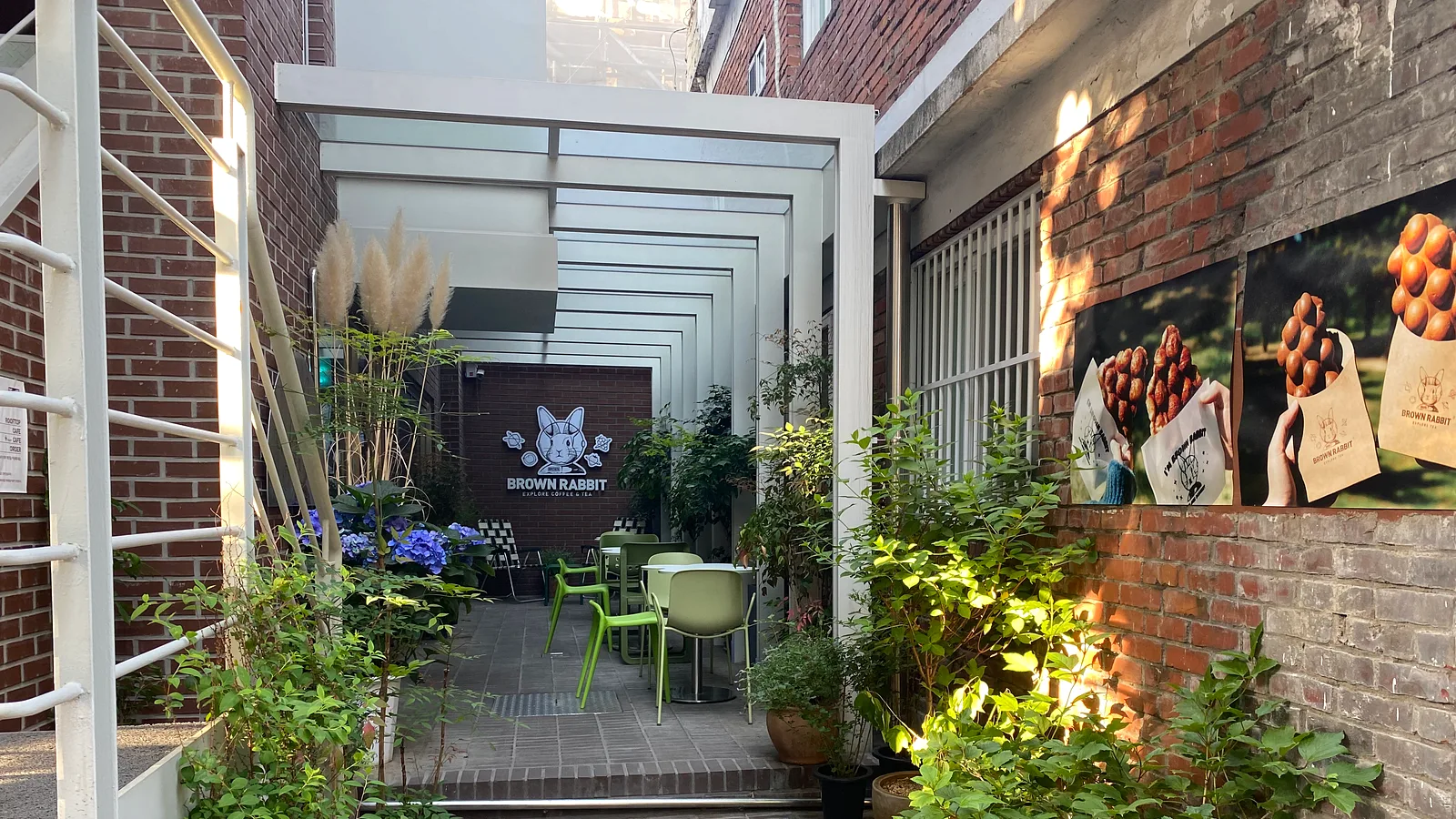
Many cafes here occupy converted industrial buildings, so expect high ceilings, exposed brick or concrete, large windows and carefully designed interiors. Some are small and focus on a single drink or dessert. Others are large multi-floor spaces that double as galleries or event venues.
- Seating is often limited, and some places have rules about orders, such as one item per person.
- Several cafes use waiting lists, usually through an on-site tablet or a phone app. You may be asked to leave and return when called.
- Photography is a big part of the culture. Be considerate of other customers and staff when taking pictures, and look for signs about restricted areas.
Check each cafe's official page or map listing for current hours and menus, because these change often.
Pop-up Stores
Pop-up stores are a defining feature of Seongsu-dong. Brands, characters, fashion labels and food companies open temporary shops that may last only a short time. Some require reservations or entry registration, while others admit walk-ins. Popular pop-ups can have queues that are longer than the nearby cafes.
Because these events rotate, there is no fixed list worth memorizing. Look at the official social media accounts of brands you like, or search Naver Map and Kakao Map for pop-ups in the area shortly before your trip. Confirm the end date, since a pop-up you saw online may already have closed.
Design Shops and Browsing
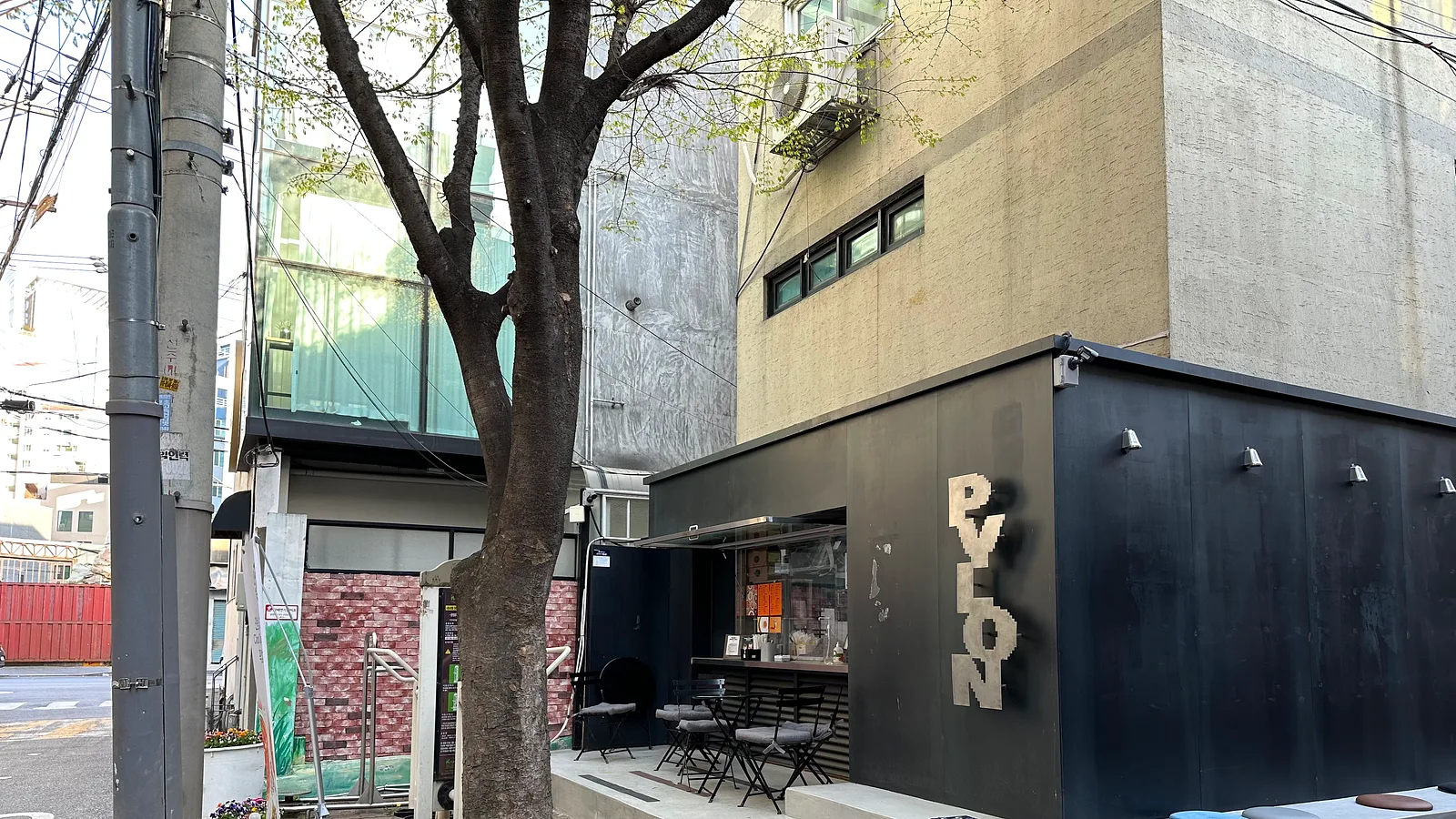
Alongside the cafes, the neighborhood has design shops selling stationery, home goods, fashion and small gifts. These are good for slower browsing and are often calmer than the busiest cafes. Some are tucked into side streets or upper floors, so look up as well as straight ahead. Small shops may close on irregular days, so verify before making a special trip.
Planning Around the Crowds
Weekends are the busiest period. If your schedule allows, visit on a weekday, when waiting lists are shorter and it is easier to find a seat. If weekends are your only option, plan fewer stops and expect to wait.
- Pick two or three priority venues and treat the rest as flexible.
- Join waiting lists early, then use the wait to explore nearby streets.
- Keep your phone charged, since lists, maps and reservations all depend on it.
- Wear comfortable shoes. Much of the day is spent on foot and in queues.
Food, Dietary and Allergy Cautions
Cafe food in Seongsu-dong leans toward desserts, pastries, coffee and light meals. This creates some points to watch for visitors with dietary needs.
- Allergens such as wheat, dairy, eggs, nuts and sesame are common in baked goods and desserts. Ingredient lists are not always displayed, and staff may not be able to explain them in English, Japanese or Chinese.
- Cross-contact is possible in small kitchens that handle nuts, dairy and gluten together. Do not assume a dish is safe because it looks plain.
- Vegetarian and vegan options exist but are not guaranteed. Savory items may include meat, fish-based stock or egg without it being obvious.
- Halal and kosher options are limited. Verify directly with the venue.
- Specialty drinks may contain nut milks, alcohol or sweet syrups. Ask before ordering if this matters to you.
Showing a translated allergy note on your phone is the most dependable approach. Write down the specific ingredients you must avoid, in Korean, before you arrive.
Combining the Visit with Seoul Forest
Seoul Forest is a large park close to the cafe district, and it pairs well with a cafe visit. A walk there can balance a day of indoor browsing and queues, especially on a nice-weather day. Plan the park before or after your cafe stops rather than squeezing it in between waiting-list calls.
Tips
- Visit on a weekday if possible, and expect waiting lists on weekends.
- Use Naver Map or Kakao Map to check venues, then confirm hours and prices on official pages.
- Check pop-up end dates and any reservation requirements before traveling.
- Tell staff about allergies clearly, and carry a written note in Korean.
- Limit yourself to a few stops, since waiting can take up much of the day.
- Be respectful when photographing, and avoid blocking entrances or aisles.
- Carry a small bag, since many cafes have little space for luggage.