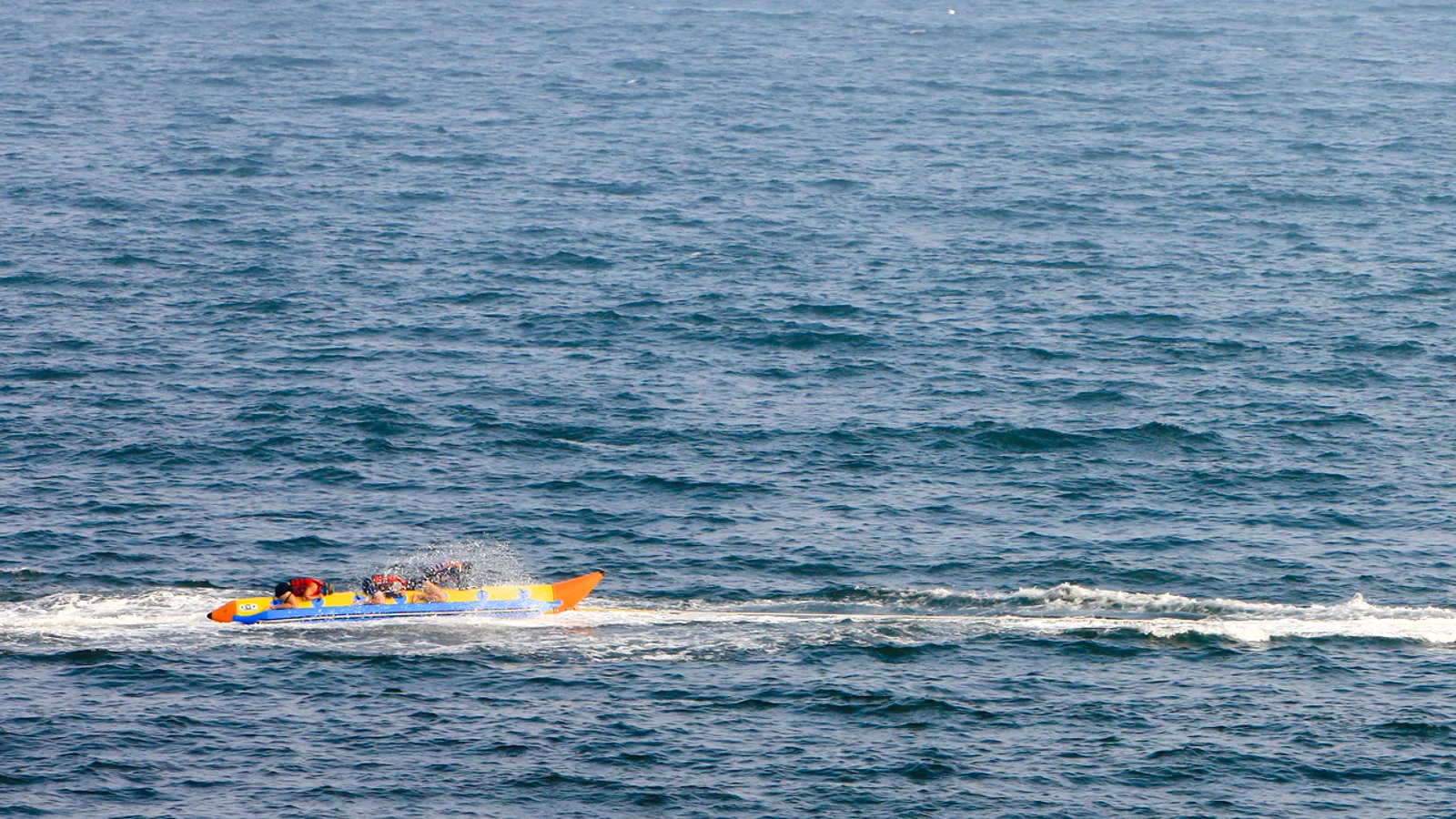
Songjeong Beach sits at the eastern end of Busan's coastline, away from the crowds of Haeundae Beach. It is reached by the Donghae Line, and it has become one of the city's main places to try surfing. The beach is long and relaxed, with surf schools on the sand and cafes along the waterfront and around Songjeong Station. Cheongsapo is close by, and Haeundae Blueline Park ends nearby, so the area works well for a half day or a full day outside the city centre.
Getting There
Songjeong Station is on the Donghae Line, the regional rail route that follows the coast east of Haeundae. The station is close to the beach, so no further transport is needed on arrival.
- Check current timetables and the best route from your hotel on Naver Map or Kakao Map. Train frequency on this line is lower than on the main Busan subway, so plan the return trip before you leave.
- Some visitors arrive on foot or by Blueline Park routes from the Haeundae side, which turns the trip into a coastal outing.
- Check the official Korail and Busan transit sites for the latest service information and payment options.
Surfing at Songjeong
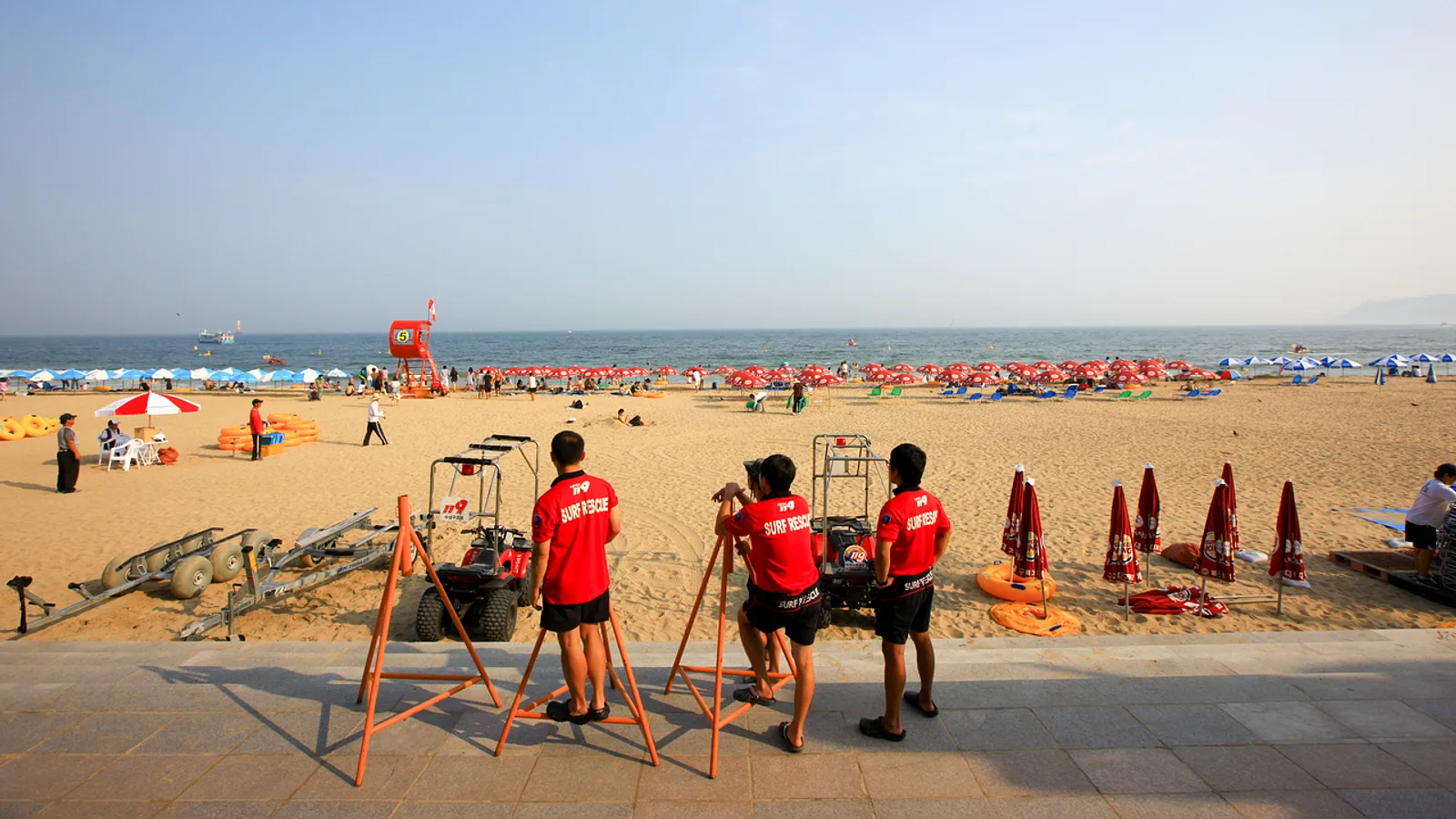
Surf schools along the beach offer lessons for beginners, and board and wetsuit rental is usually part of the package. The gentle, sandy beach is a common choice for first-time surfers.
- Book through the school's official page or a map app listing. Confirm what is included, such as equipment, changing facilities and showers.
- Conditions change with the season, tide and weather. Beginners should follow the instructor's decision if a session is shortened or cancelled.
- Bring a swimsuit or quick-dry clothing, a towel, and sun protection. Keep valuables in lockers or leave them at the hotel.
- Watching from the sand is also an option. The beach is pleasant for a walk even if you do not enter the water.
Cafes by the Beach and the Station
Cafes line the waterfront and the streets around Songjeong Station. Many have sea views, and others are set in converted buildings or small side streets. Search Naver Map or Kakao Map for current listings, reviews and photos, since cafes in this area change often.
- Window and terrace seats are popular at weekends, so expect a wait at busy times.
- Check each cafe's official page or map listing for hours and menu details.
- If you have a food allergy, ask staff directly about ingredients in baked goods and drinks. Nut, dairy, egg and wheat are common in desserts, and menus are often only in Korean. A translation app or a written allergy note in Korean can help.
- Vegetarian and vegan options vary by cafe and are not guaranteed. Ask about milk alternatives if needed.
Cheongsapo
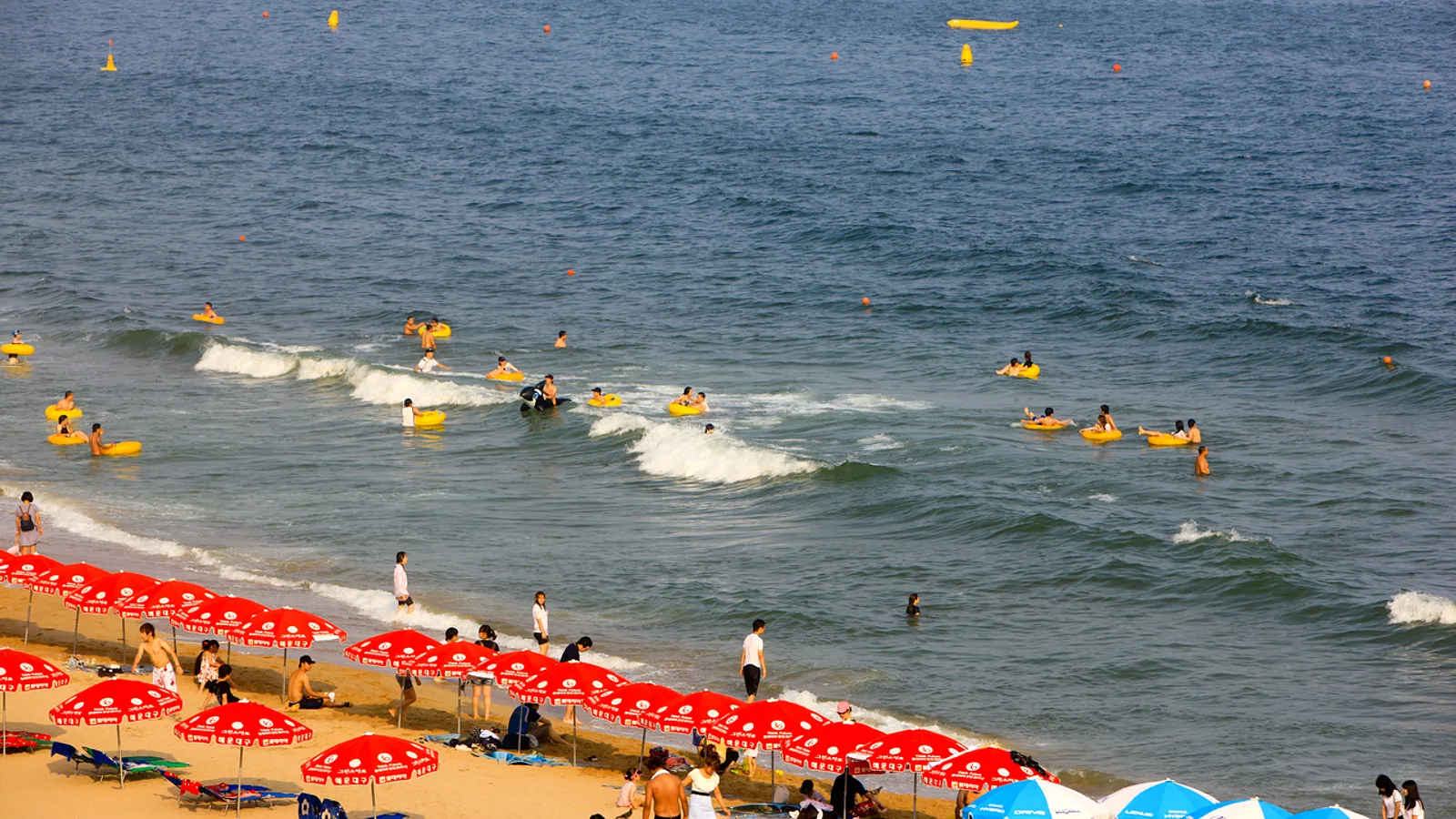
Cheongsapo is close to Songjeong and makes a natural second stop. It is a small coastal area known for its fishing-port character and sea views, in contrast to the surf and cafe atmosphere of the beach.
- It is suited to a slow walk, so allow time for photos and a look at the coastline.
- Seafood is a local theme in this part of Busan. If you have shellfish or fish allergies, be careful, and ask before ordering since many dishes are cooked with seafood-based stock or sauces.
- Check Naver Map or Kakao Map for the best way to travel between Songjeong and Cheongsapo, and for current opening details of any site you want to visit.
Haeundae Blueline Park
Haeundae Blueline Park ends near Songjeong, which makes it a good way to connect this area with the rest of Haeundae. The park follows the coast and is built around the old rail corridor and sea views.
- Decide in advance whether you want to travel one way or both. A one-way trip with a train back is often easier than repeating the same route.
- Comfortable shoes are worth bringing. Sections can involve stairs or uneven surfaces.
- Check the official Blueline Park site for the current status of rides, stops and any closures.
Planning a Day
A simple outline can keep the day relaxed without rushing.
- Start with a surf lesson or a beach walk, depending on the weather.
- Take a cafe break near the beach or the station.
- Add Cheongsapo or a section of Haeundae Blueline Park, depending on energy and time.
- Allow extra time for the train back, especially on weekends and holidays.
Tips
- Check the weather and sea conditions on the day. Wind and waves can change plans quickly.
- Use Naver Map or Kakao Map rather than relying only on Google Maps, since Korean map apps are generally more accurate for local routes.
- Confirm all prices, opening hours and lesson availability on official sites before you go.
- Carry a payment card and some cash in case a small vendor does not accept foreign cards.
- Tell staff about any allergy before ordering, and keep a short allergy note in Korean on your phone.
- Respect posted swimming and surfing zones, and follow lifeguard and instructor directions.
- Take your rubbish with you or use the bins provided to keep the beach clean.