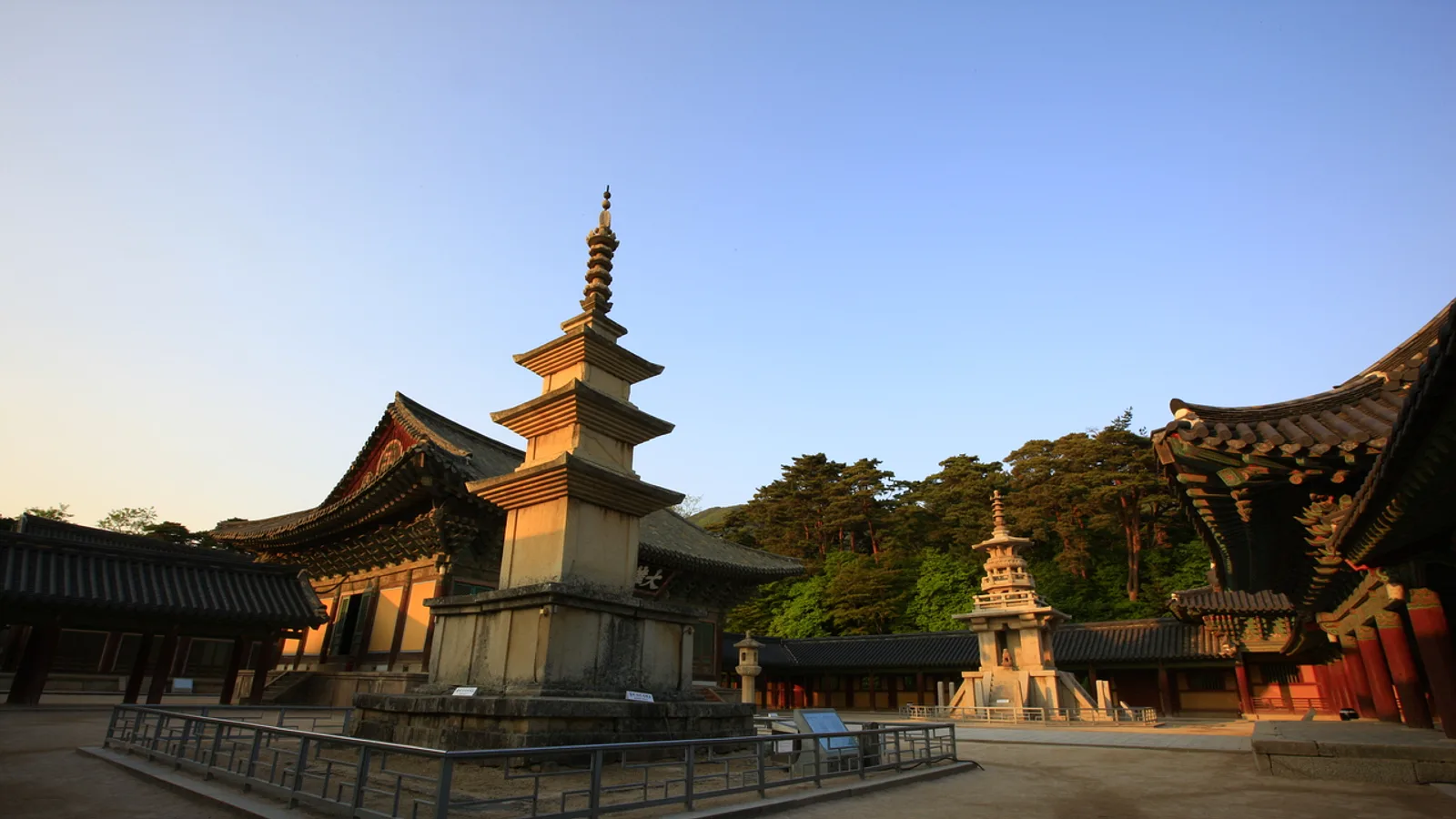
Gyeongju, the former capital of the Silla kingdom, is one of the most popular places in South Korea for cherry blossoms. Blossoms usually open in early April, and they appear alongside ancient tomb mounds, temple approaches and a lakeside walking route. The timing changes from year to year with the weather, so plan around the forecast rather than a fixed date. Weekends draw the biggest crowds, which affects transport, parking and walking pace.
When the Blossoms Come
Peak bloom in Gyeongju usually falls in early April. The exact dates shift each year, and a warm or cold spring can move the peak by several days in either direction. Blossoms last only a short time, and rain or wind can bring petals down quickly.
- Check the Korea Meteorological Administration or a trusted bloom forecast a week or two before travelling.
- Keep your itinerary flexible by a few days if you can.
- Weekdays are noticeably calmer than weekends at every spot in this guide.
Bomun Lake
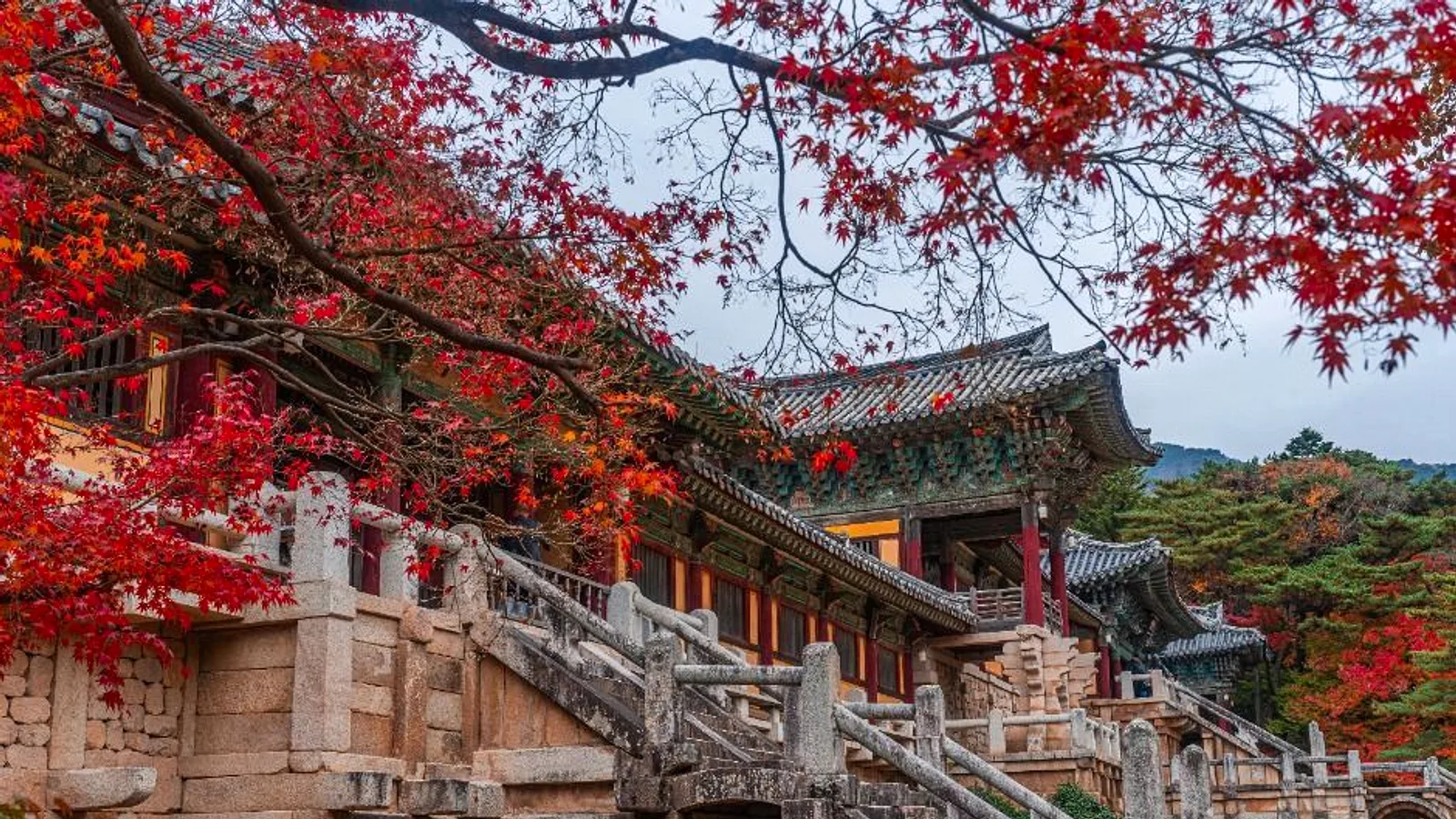
Bomun Lake is the main cherry blossom area in Gyeongju. A path runs around the water, and the trees lining it make it a popular place for a long, slow walk. Expect heavy foot traffic at weekends, with slower movement along the narrowest stretches.
- Allow generous time, since a lakeside walk tends to be a slow one during peak bloom.
- Use Naver Map or Kakao Map to find the approach and any nearby parking or bus stops.
- Weekday mornings are the easiest time to move at your own pace.
Daereungwon
Daereungwon is a historic area of large Silla-era tomb mounds. Cherry trees here sit beside the rounded green mounds, which gives a very different feel from the lake. It suits visitors who want blossoms together with a sense of Gyeongju's history.
- Check the official site for current opening arrangements and any entrance rules before you go.
- The area is compact, so it combines easily with other central sights on foot.
- Stay on marked paths and avoid climbing on the mounds.
The Road to Bulguksa
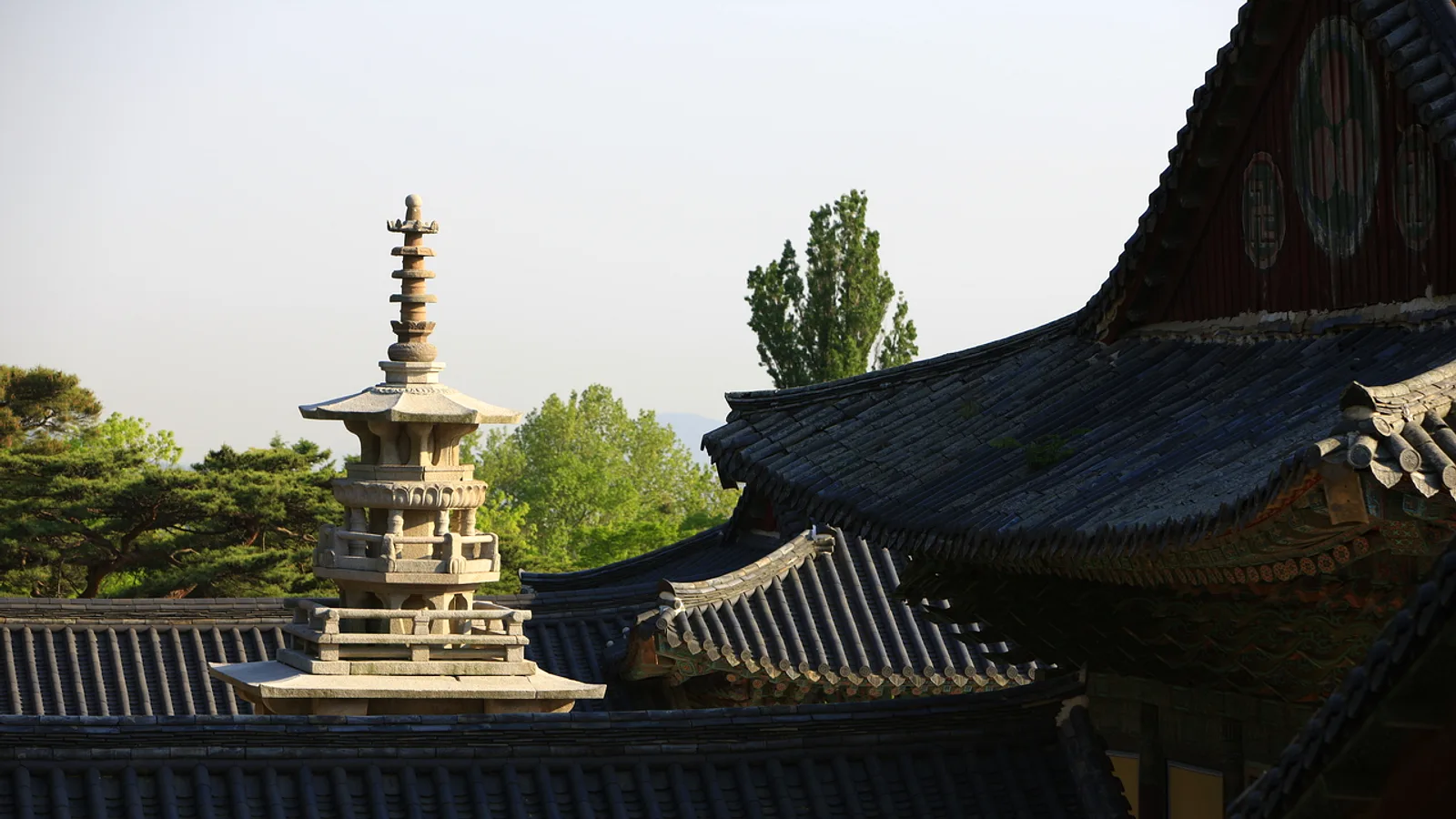
The road leading toward Bulguksa, the famous Buddhist temple, is another well-known blossom route. Trees along the approach create a tunnel-like effect when in full bloom. The route is popular for both walking and slow driving, so traffic can build up when the flowers peak.
- Consider public transport or a taxi instead of driving at weekends.
- Check the official site for the temple's current visiting information.
- Wear comfortable shoes, as temple grounds involve walking and some uneven surfaces.
Hwangnidan-gil
Hwangnidan-gil is a lively street in central Gyeongju, close to the heritage area. It adds blossoms to a more urban setting, with cafes and shops along the way. This makes it a good stop for a break between more nature-focused visits.
- Expect crowds, especially on weekend afternoons.
- Food here is varied, so travellers with allergies or dietary restrictions should ask staff about ingredients before ordering. Common allergens in Korean food include soy, sesame, shellfish, peanuts and wheat.
- Vegetarian and vegan options can be limited, as broths and sauces often contain fish or meat products. Ask clearly when ordering.
Planning a Route
Because the main blossom spots are spread across the city, it helps to group them sensibly. Central sights such as Daereungwon and Hwangnidan-gil are close together and work well on foot. Bomun Lake and the Bulguksa road are further out and usually need a bus, taxi or car.
- A simple plan is to take central sights on one half-day and one outer area on another.
- If your visit is short, choose the lake or the Bulguksa road and pair it with the central area.
- Look up routes in Naver Map or Kakao Map, which work better in Korea than many foreign map apps.
Tips
- Check bloom forecasts shortly before you travel, since dates shift each year.
- Visit on a weekday if possible; weekends are the busiest time.
- Start early in the day to avoid the heaviest crowds and the hardest parking.
- Book accommodation early for peak blossom weekends, as demand is high.
- Carry a light rain layer, as spring weather can change quickly.
- Check official sites for the latest opening information, fees and any access rules.
- Take rubbish with you and keep to marked paths to protect the trees and heritage sites.