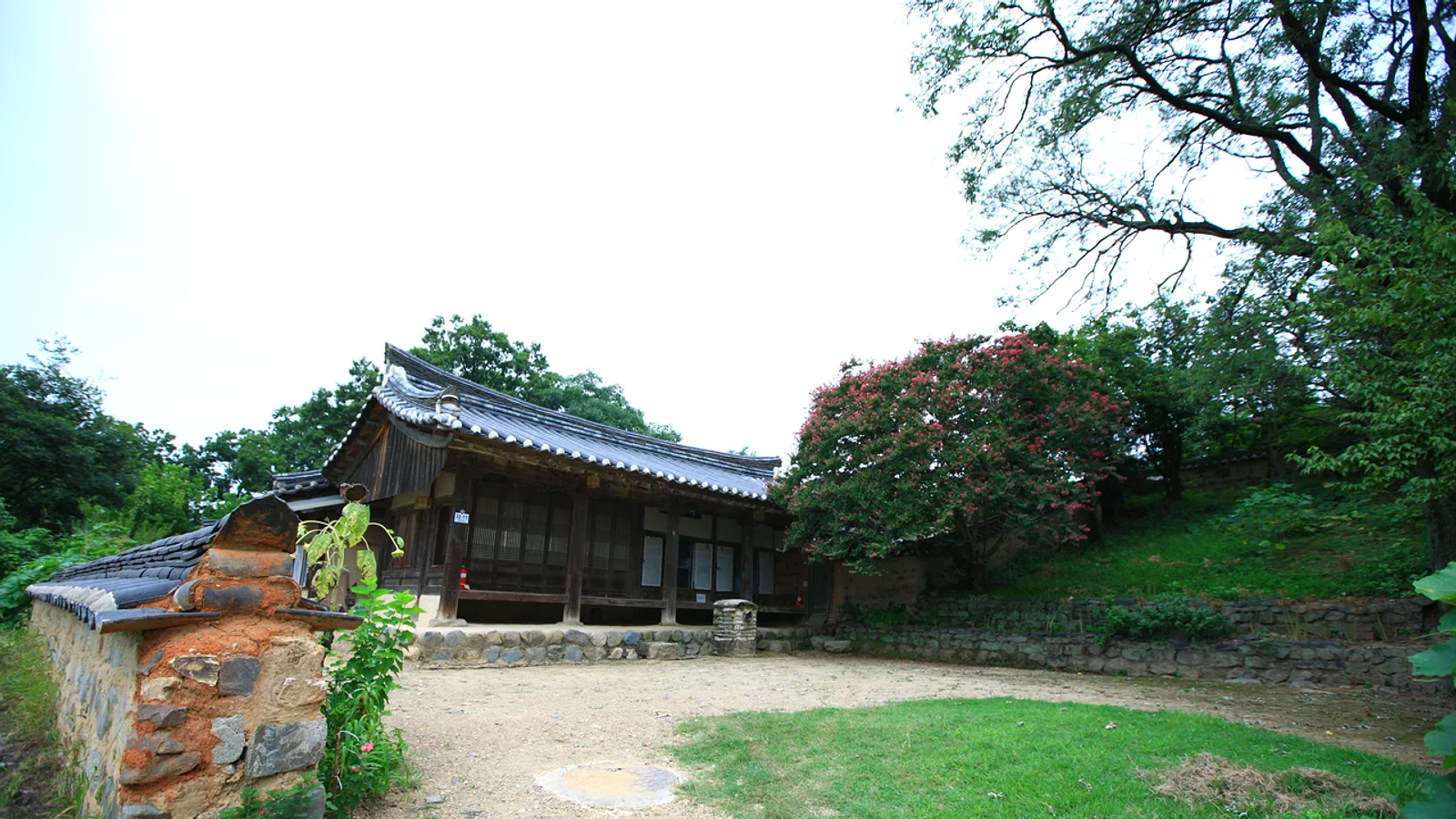
Gyeongju was the capital of the Silla kingdom for nearly a thousand years, and much of it is still visible: royal burial mounds in the middle of the city, an ancient observatory, a night-lit palace pond, and a UNESCO-listed temple on the hillside. It is often called a museum without walls. Two days is enough to see the highlights if you group them by area.
Getting there
- KTX trains stop at Singyeongju Station, which is outside the downtown area; continue by city bus or taxi. Express buses from Seoul and other cities arrive downtown.
- Downtown Gyeongju is flat and compact. Walking and bike rentals are common. For Bulguksa and Seokguram, use a city bus or taxi.
Day 1: Downtown tombs, observatory and night palace
- Morning: Daereungwon Tomb Complex. You can walk among the grassy mounds, and one tomb, Cheonmachong, can be entered.
- Cheomseongdae Observatory is a short walk away, a stone tower from the Silla period and one of the oldest surviving observatories in East Asia.
- Lunch: Hwangnidan-gil, the hanok-lined food and cafe street. Try the local ssambap or a bakery selling Gyeongju bread.
- Afternoon: Gyeongju National Museum, the best place to see Silla gold crowns and relics.
- Evening: Donggung Palace and Wolji Pond (formerly called Anapji). The pavilions are lit after dark and reflected in the pond; this is the most photographed scene in the city.
Video: a walk through Donggung Palace and Wolji Pond (Nigerian Korean Lover)
Day 2: Bulguksa and Seokguram
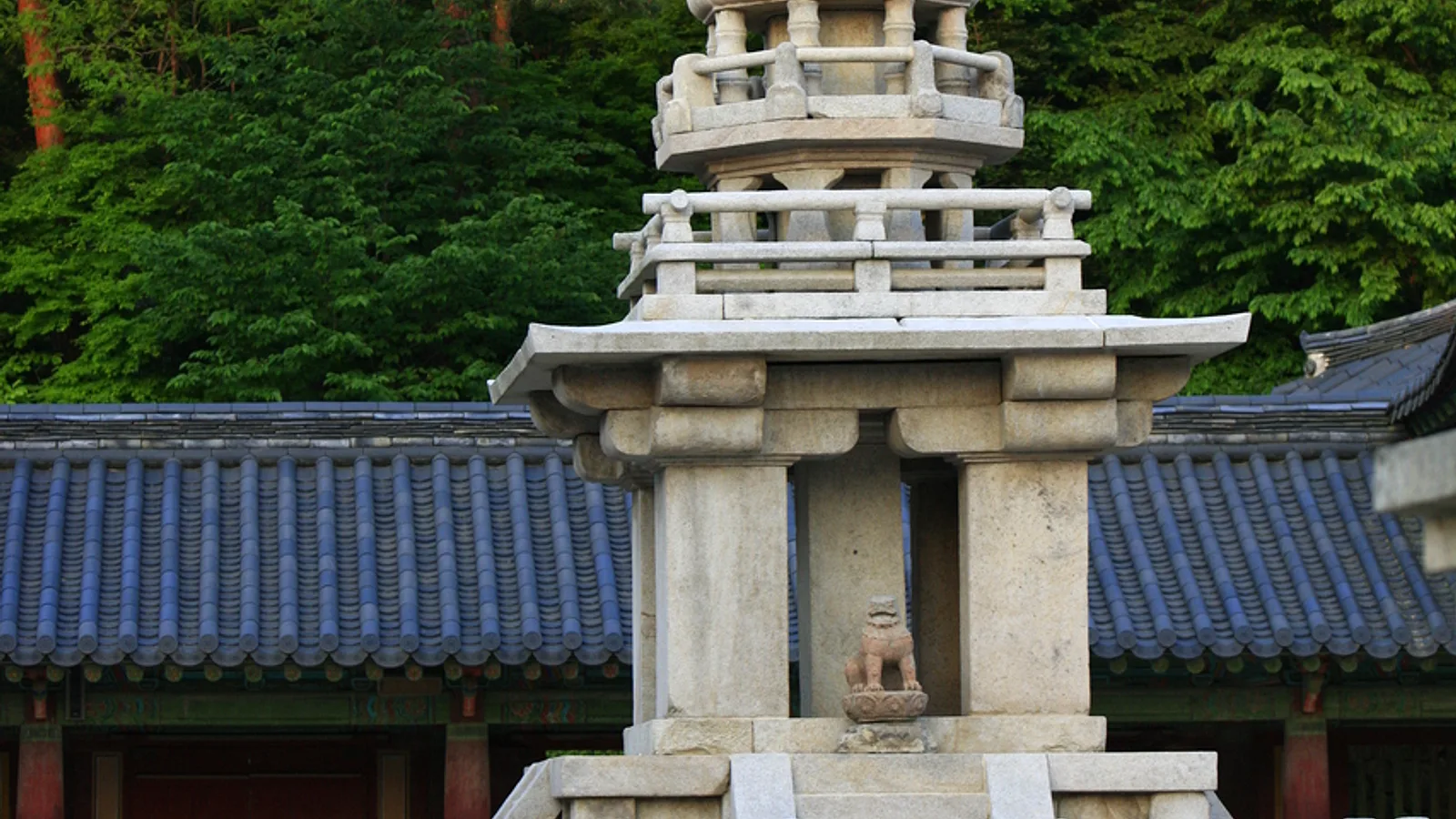
- Morning: Bulguksa Temple, a UNESCO World Heritage site. Go early to avoid crowds. Look at the stone bridges, the two pagodas (Dabotap and Seokgatap) and the details of the wooden halls.
- Late morning: Seokguram Grotto, higher up the mountain, which holds a granite Buddha statue facing the sea. Take the shuttle or taxi from Bulguksa. Photos inside the grotto are not permitted.
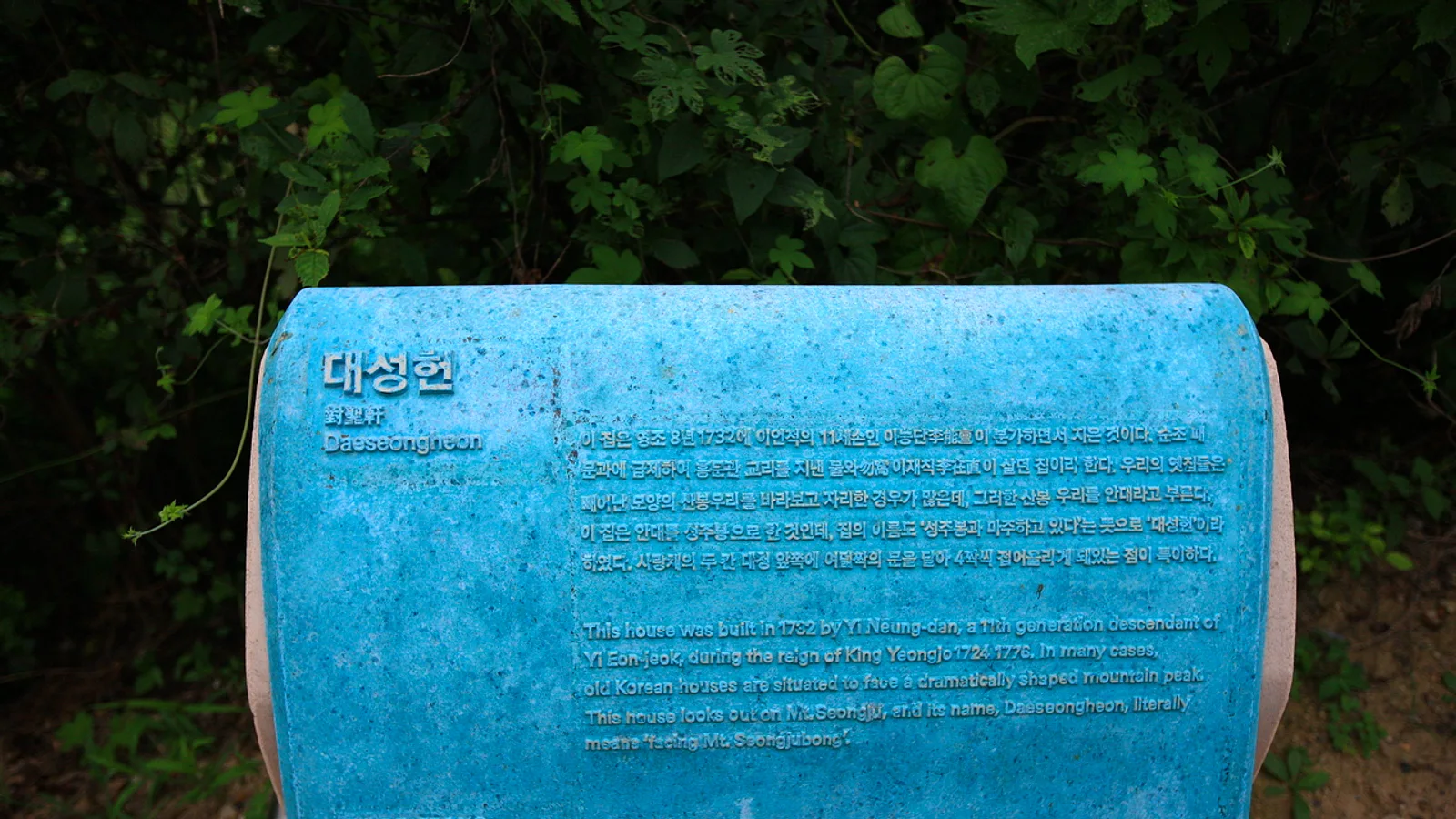
- Afternoon: Yangdong Folk Village (UNESCO) if you have extra time, or return to Hwangnidan-gil for cafes and shopping.
Tips
- Spring and autumn are the best seasons. Cherry blossoms at Bulguksa and the road to Bomun Lake peak around early April, and autumn leaves around early to mid November.
- Stay on the marked paths at the tombs; the grassy mounds are protected and entry outside designated areas is prohibited.
- Check hours and ticket prices on the official sites, as they change.
- You can combine Gyeongju with Busan by train or bus, about one hour apart by train.