Gyeongju was the capital of the Silla kingdom for almost a thousand years, and the whole city is a UNESCO Historic Area. Tombs, temples and ruins sit among ordinary streets, so a first visit works best when it is split by geography rather than by a long checklist. Two days is enough to see the main sights without rushing: the first day stays in the compact downtown, and the second moves east toward the mountain and the coast.
Getting there and getting around
- Singyeongju KTX station is outside the centre. Plan on a bus or taxi to reach downtown after arriving by high-speed rail.
- The Gyeongju Intercity and Express bus terminals are near downtown, which makes the bus a convenient choice if the route from your starting city allows it.
- Downtown sights can be covered on foot or by rental bike. Check rental shops on Naver Map or Kakao Map and confirm their rules before riding.
- Bulguksa is not within walking distance of downtown. Use a bus or taxi, and check current routes in Naver Map or Kakao Map.
Day 1 morning: Daereungwon and Cheomseongdae
Start at Daereungwon, the tomb park, where large grass-covered Silla burial mounds sit in the middle of the city. Walking among them gives a quick sense of the scale of the old capital.
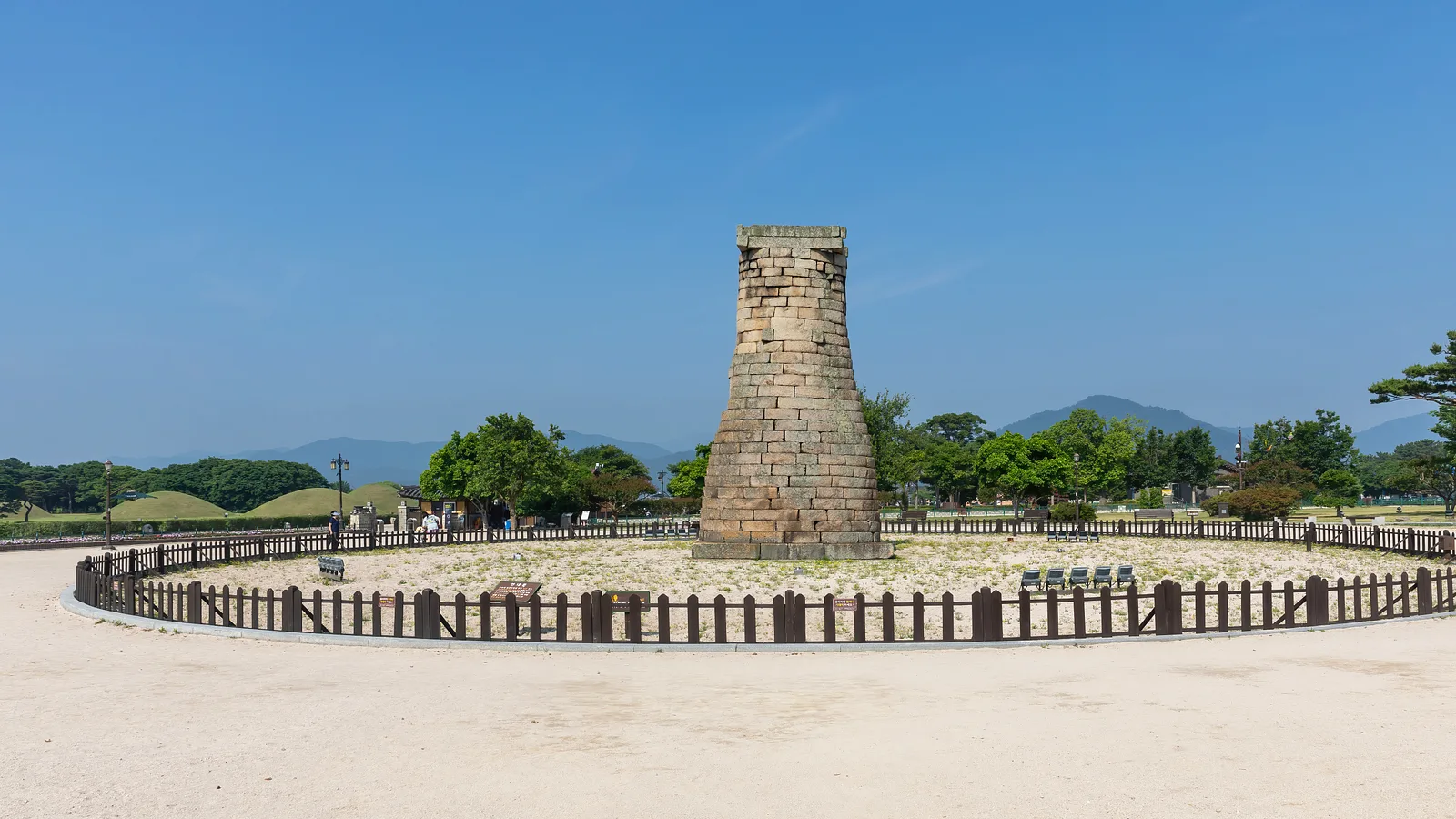
Cheomseongdae, the Silla observatory, is close by and easy to combine with the tomb park. It is a small, distinctive stone structure, so a short visit is usually enough. Check the official tourism site for current visiting conditions and any admission rules.
Day 1 midday: Gyeongju National Museum
The Gyeongju National Museum is the best place to put the sites in context. Silla history is easier to follow once you have seen the artefacts connected to the tombs and palaces. Allow a relaxed visit rather than a quick pass, and confirm opening days on the official museum website before you go.
Day 1 afternoon: Hwangnidan-gil
Hwangnidan-gil is the hanok cafe street, where traditional-style buildings have been turned into cafes and shops. It suits a slower break between the museum and the evening. Expect crowds on weekends and holidays.
If you are looking for a meal in this area, look for menus with photos or English labels, and ask staff about ingredients if you have allergies. Many Korean dishes contain soy, sesame, shellfish-based stock or egg, and these are not always obvious from the name of the dish. Vegetarian and vegan visitors should ask specifically about fish stock and meat-based broths, since these are common even in dishes that look plant-based.
Day 1 evening: Donggung Palace and Wolji Pond
Donggung Palace and Wolji Pond are best seen at night, when the pavilions and their reflections in the water are lit. This is the natural end to the first day, and it is also within reach of downtown on foot or by bike. Lighting and entry arrangements can change, so check the official site before you plan the evening around it.
Day 2: Bulguksa and Seokguram on Tohamsan
Begin the second day on Tohamsan with Bulguksa, the temple complex at the foot of the mountain. Going early helps with crowds, and it leaves time for the second stop.
Seokguram is the grotto on the mountain above. Bulguksa and Seokguram are usually visited together, and the transfer between them is by bus or taxi rather than on foot. Check current transport options and any seasonal changes on Naver Map or Kakao Map. Wear shoes with good grip, since temple grounds include stone steps and uneven paths, and bring a layer for the mountain, where it is often cooler than in the city.
Day 2 afternoon: Bomun Lake or the Gampo coast
Choose one of two directions for the rest of the day.
- Bomun Lake resort area: a lakeside district with walking paths and tourist facilities. It is the easier option if you want a calm end to the trip.
- Gampo coast: the better choice for sea views and for the Underwater Tomb of King Munmu. The tomb is a site off the shore, so it is seen from the coast rather than visited. This direction needs more transport planning, so check bus and taxi options in advance.
Trying to do both in one afternoon is not realistic if you also want to return to the terminals or station in good time.
Tips
- Check the official tourism website, Naver Map or Kakao Map for current hours, ticketing and closures. Do not rely on older guidebooks for these details.
- Keep the first day walkable by staying around downtown. Save the transport-heavy sights for day 2.
- Carry water and wear comfortable shoes. The tomb parks, temple grounds and lakeside paths all involve a lot of walking.
- Weekends, holidays and the peak seasons for spring blossom and autumn colour bring large crowds. Book accommodation and train tickets early.
- Allow extra time to get from downtown to Singyeongju KTX station when you leave, since it is outside the centre.
- Tell restaurant staff clearly about allergies before ordering, and consider having the main allergen written in Korean on your phone.