Rain is common in Gyeongju, especially during the June and July monsoon, but it does not have to cancel a visit. The city's main sights include large indoor galleries, covered temple halls, a tomb exhibition inside a burial mound and a street of hanok tea houses. Some of these places still involve outdoor walking, so a sturdy umbrella and water-resistant shoes matter more than a perfectly dry itinerary. Plan around a few anchor stops and keep the days flexible, because heavy downpours often ease or pause.
Start with Gyeongju National Museum
The Gyeongju National Museum is the most reliable rainy-day anchor. Its large indoor galleries cover the Silla kingdom, which ruled much of the Korean peninsula for nearly a thousand years and shaped the look of the city today.
- The galleries are spread across several buildings, so expect some short outdoor walks between them. Carry a compact umbrella rather than a large one to keep the indoor spaces comfortable.
- The Divine Bell pavilion houses the great Silla bell, a well-known highlight. Allow time to stand near it and read the panels.
- Check the official museum website for current opening hours, closed days and any special exhibitions before you go.
Walk into Cheonmachong at Daereungwon
Daereungwon is a park of large grassy burial mounds, and the walking paths are open to the weather. The exception is Cheonmachong, a tomb with an indoor exhibition inside the mound itself.
- Visit Cheonmachong first, then decide whether the rain allows a short walk around the other mounds.
- The interior is a good place to understand how Silla royal tombs were built, without needing to stay outside.
- Paths can be slippery when wet, so wear shoes with grip.
Bulguksa and Seokguram: covered, but not fully indoors
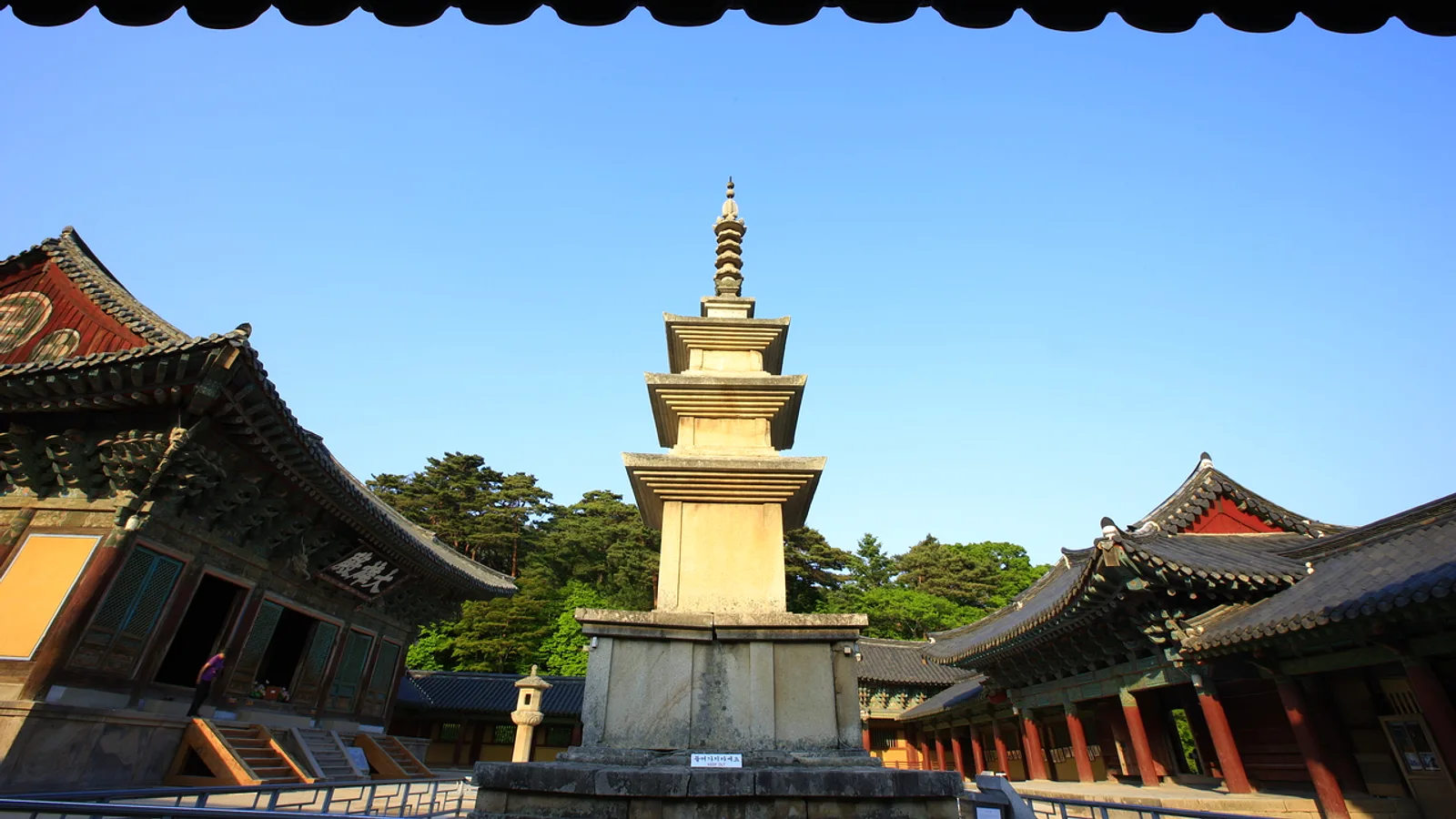
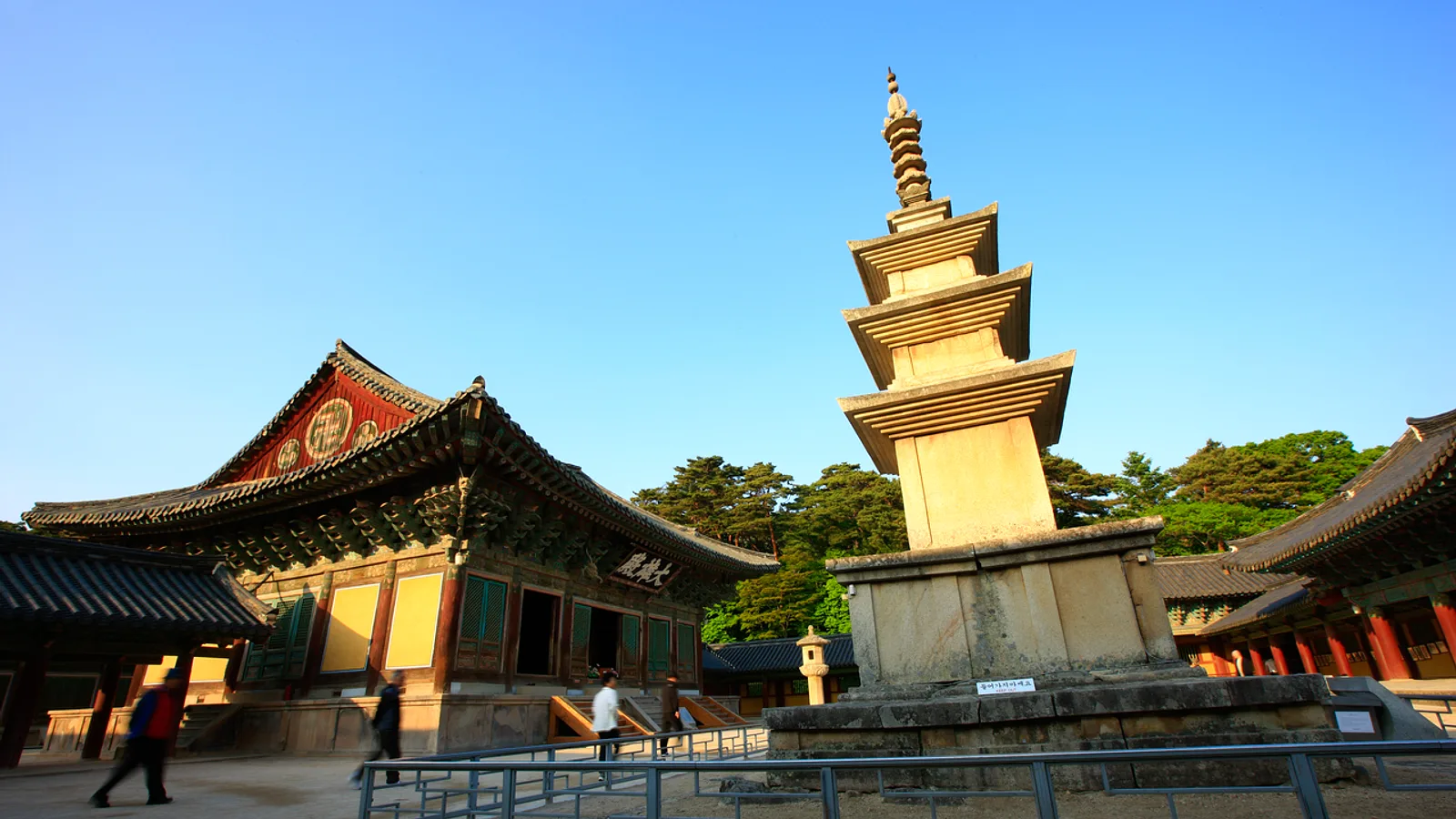
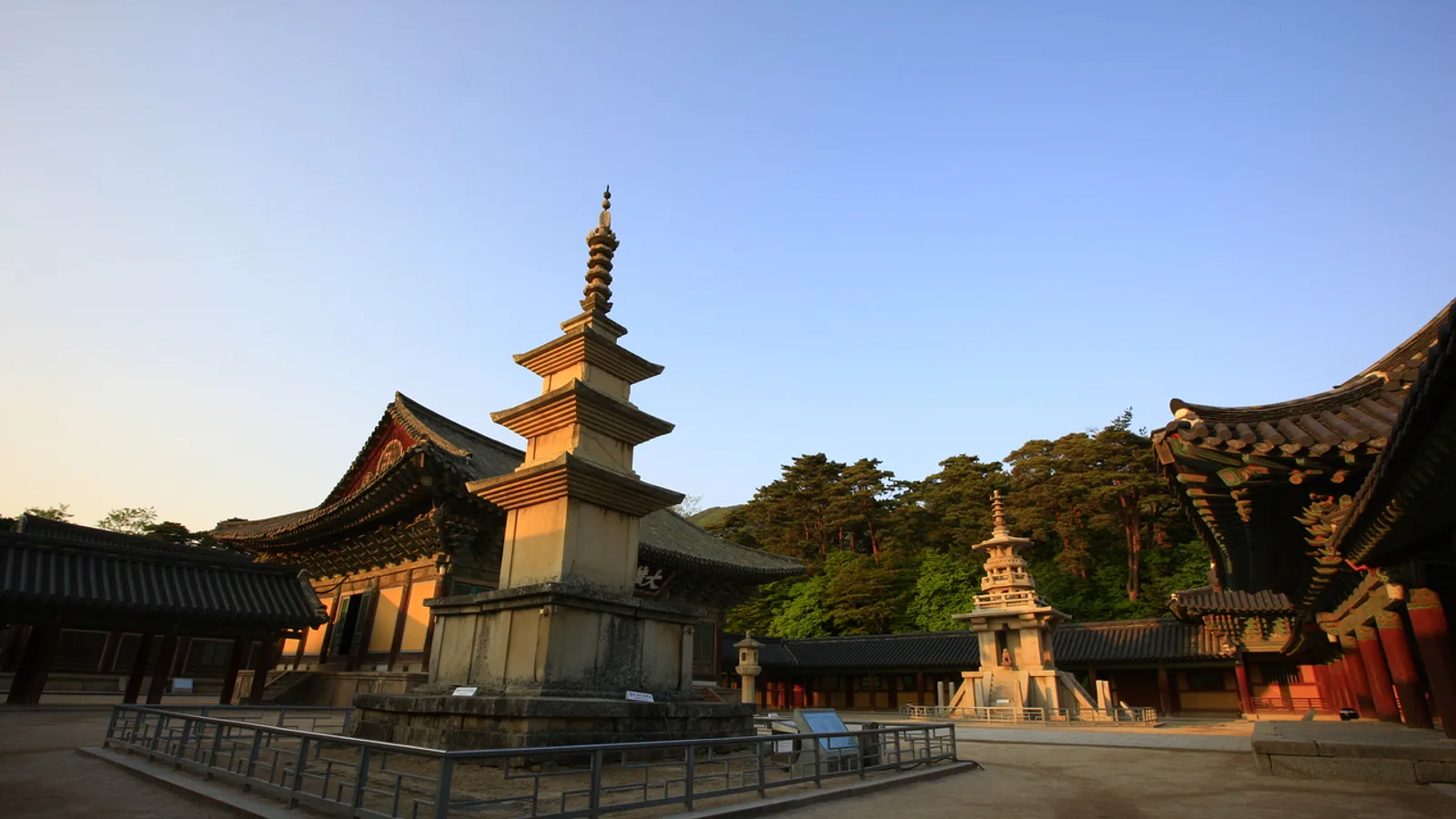
Bulguksa is a major temple complex with covered halls where you can shelter while you look at the wooden architecture. Rain often gives the stone terraces and tiled roofs a quieter, darker look, which some visitors prefer for photographs.
Seokguram is more complicated. The grotto chamber is sheltered, but the approach path is outdoors, and mountain weather can be wetter and foggier than in town.
- Bring a rain jacket or a good umbrella, and expect damp steps and uneven ground.
- In heavy rain or poor visibility, consider moving Seokguram to another day and spending the time at Bulguksa and the museum instead.
- Check the official sites and local transport updates for access conditions, since mountain roads can be affected by weather.
Tea houses and cafes in Hwangnidan-gil
Hwangnidan-gil is known for cafes and tea houses set in hanok, the traditional Korean houses. Sitting under a tiled roof while rain falls in the courtyard is one of the more atmospheric ways to spend an afternoon.
- Look for tea houses that serve traditional teas, and ask what is in each blend if you have allergies. Common ingredients in Korean teas and snacks include jujube, ginger, citron, nuts, sesame and grains.
- Traditional sweets and rice cakes may contain nuts, sesame, beans or gluten-containing ingredients. Ask staff before ordering if you have a food allergy or dietary restriction.
- Many hanok cafes have floor seating or low tables. Wet socks and shoes are easier to manage if you bring a spare pair and a small bag for your shoes.
- Use Naver Map or Kakao Map to check current hours and reviews, since small venues change often.
Art and indoor time at Expo Park and Bomun Lake
The Gyeongju Expo Park Solgeo Art Museum is a useful option if you want something beyond history. It gives a contemporary change of pace and works well for a slower afternoon.
The hotels around Bomun Lake have indoor facilities that can fill a wet afternoon, particularly if you are staying nearby or traveling with children or older relatives. Check each hotel's official site for what is open to non-guests.
- Expo Park and Bomun Lake are some distance from the central historic area, so check travel time on Naver Map or Kakao Map before committing.
- Combine them into one half-day rather than moving back and forth across the city.
Sample rainy-day plan
This outline keeps outdoor exposure low and groups nearby sights together.
- Morning: Gyeongju National Museum, including the Divine Bell pavilion.
- Midday: a meal near Daereungwon or Hwangnidan-gil, then Cheonmachong.
- Afternoon: tea at a Hwangnidan-gil hanok tea house.
- Alternative: swap the afternoon for Bulguksa's covered halls if the rain is light, or Expo Park and its art museum if it is heavy.
Tips
- Bring an umbrella every day during the June and July monsoon, and consider a light rain jacket for temple and mountain visits.
- Shoes with good grip help on wet stone and wooden steps. Carry a plastic bag for wet umbrellas and shoes.
- Check opening hours, closed days and ticket details on official sites, Naver Map or Kakao Map, since these can change.
- Taxis and local buses are easier than long walks in heavy rain. Confirm routes on a map app before you set out.
- Tell staff about allergies before ordering, and consider having the key words written in Korean on your phone.
- Keep one outdoor sight in reserve for a drier break in the weather, since rain often comes in waves rather than lasting all day.