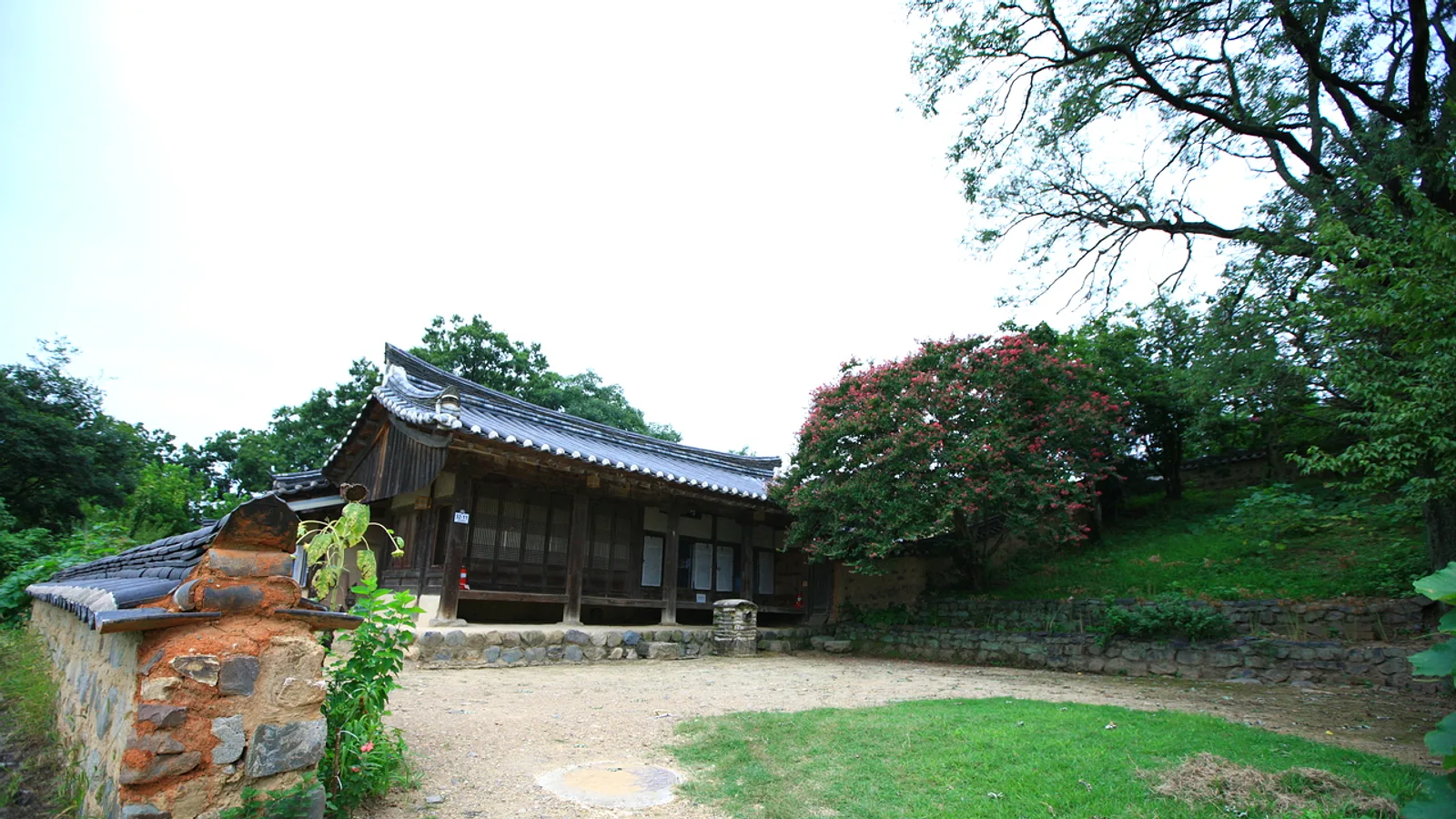
Gyeongju is compact enough that a photographer can cover its main subjects in two or three days, but the best images depend on timing. The royal tomb mounds work in early light, the palace pond works after dark, and the temple and hanok streets work in soft morning light. Seasons matter too: cherry blossom in spring, pink muhly grass and autumn leaves in September and October. This guide groups the main locations by time of day and then by season, so a short stay can be planned around the light.
Daereungwon Tombs in Early Morning
Daereungwon is a park of large grass-covered royal burial mounds, and the rounded shapes look best when low sun rakes across them. Early morning is the quietest period and gives the softest shadows.
- Arrive near opening and check the current hours on the official site, Naver Map or Kakao Map.
- Look for the well-known single tree standing between two mounds inside the park. In autumn its leaves change colour, which makes it the most photographed frame in the area.
- Wide lenses suit the mound shapes; a short telephoto helps compress rows of mounds into layered curves.
- Mist or low cloud on cool mornings can add atmosphere, but do not plan around it.
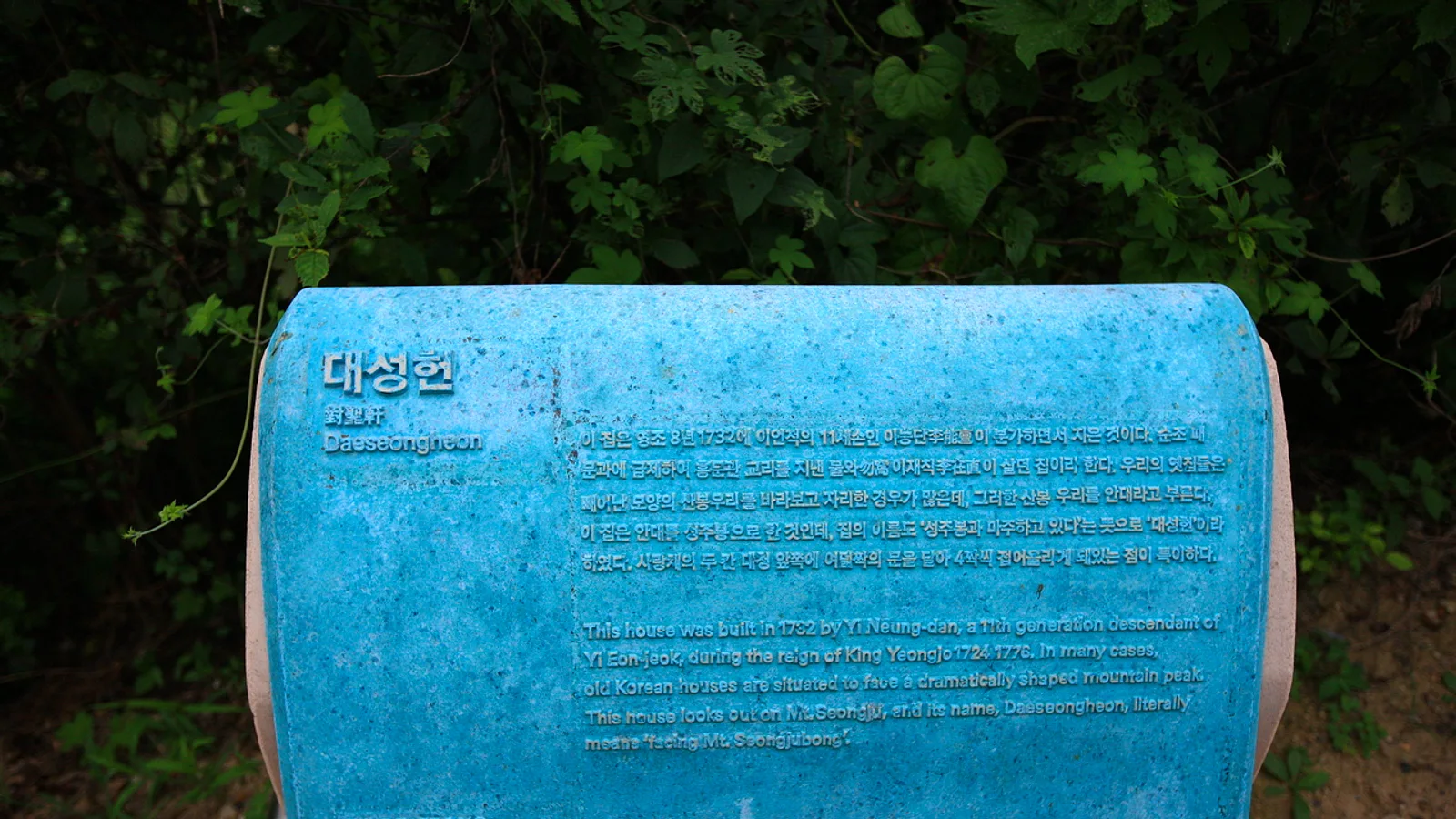
Cheomseongdae and the Muhly Grass Field
Cheomseongdae, the stone observatory tower, is close to the tomb park and easy to combine with it. In September and October, the pink muhly grass field behind it is a popular subject, and the tower can be framed against the pink.
- Expect crowds at peak muhly season, especially on weekends. Early or late visits give cleaner frames.
- Shoot from low angles so the grass fills the foreground.
- Stay on marked paths and avoid trampling the grass for a better angle.
Donggung Palace and Wolji Pond After Dark
Donggung Palace and Wolji Pond are lit after dark, and the pavilions reflect in the water. This is the main night subject in Gyeongju.
- Check the evening opening arrangements and lighting times on the official site or a map app before going.
- A tripod is generally fine outdoors, and it helps with long exposures of the reflections.
- Calm, windless evenings give the clearest mirror images. Ripples blur the reflections quickly.
- Walk around the pond for different angles rather than staying at the first viewpoint.
- Bring a light jacket in autumn and winter, as the open water area feels colder than the town.
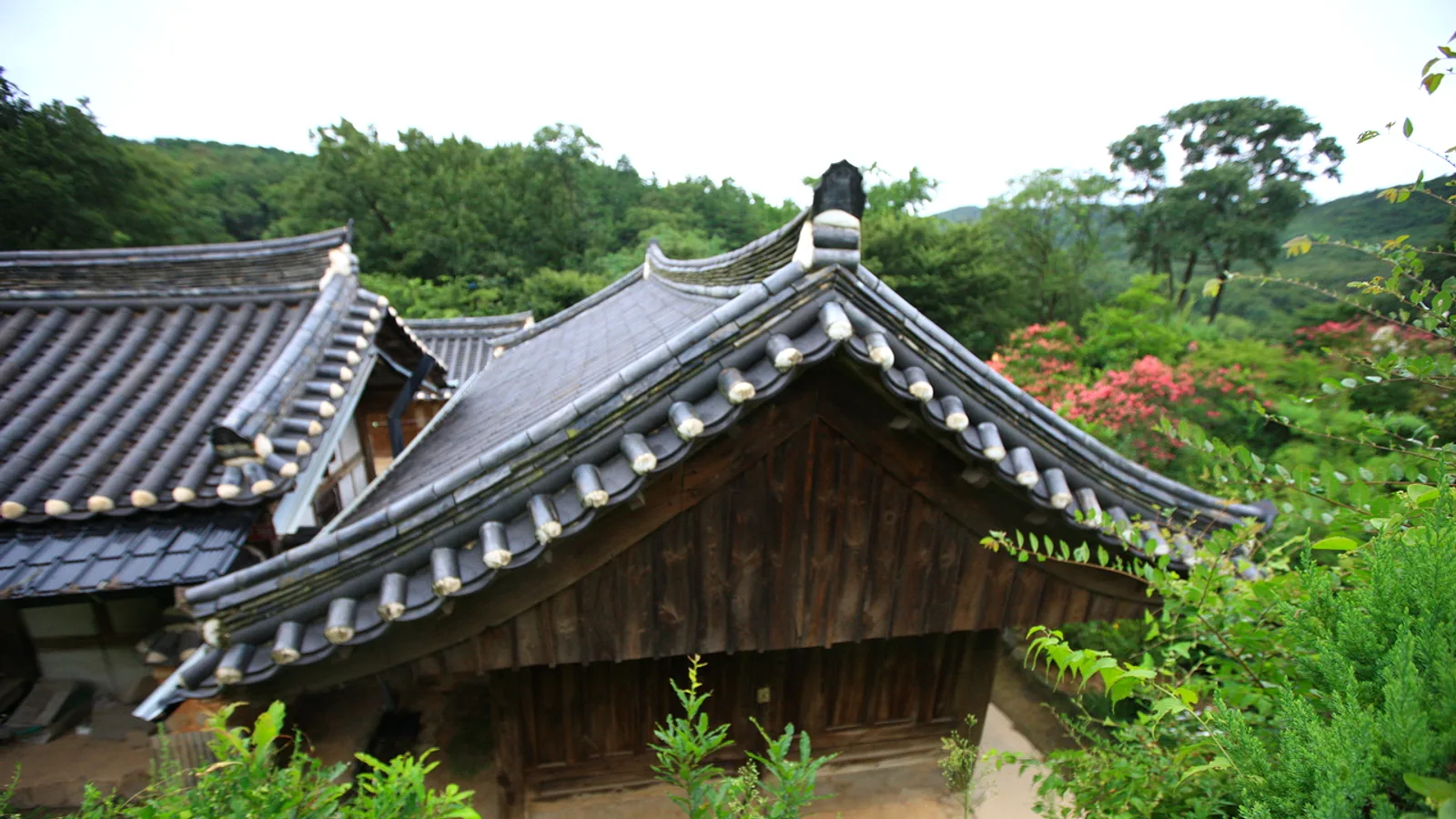
Hwangnidan-gil and Bulguksa in Soft Morning Light
The hanok roofs of Hwangnidan-gil and the stone bridges at Bulguksa both photograph well in soft morning light, when contrast is gentler and visitor numbers are lower.
- Hwangnidan-gil: shoot along the street to catch the curved roof lines. Shops open later in the day, so the morning also means fewer people in the frame.
- Bulguksa: the stone bridges and staircases are the main architectural subjects. Arrive early, before tour groups, and check temple hours and any entry fee on the official site.
- Respect people at worship or in quiet areas of the temple, and avoid blocking walkways.
Spring: Cherry Blossoms
Cherry blossoms line Bomun Lake and the road to Bulguksa. Spring is the busiest period for these two locations, so plan early starts and allow extra travel time.
- Blossom timing changes each year, so check current forecasts shortly before travel.
- Petals fall quickly after rain or strong wind, which shortens the best window.
- Combine a lakeside walk with a morning visit to Bulguksa to use the same trip.
Autumn: Muhly Grass and Leaf Colour
September and October bring pink muhly grass at Cheomseongdae, and autumn colour at the single tree in Daereungwon. This is the best season for a photo-focused visit, though it is also popular.
- Book accommodation early for weekends in peak weeks.
- Plan Daereungwon at dawn, Cheomseongdae in the same outing, and Wolji after dark on the same day to cover three subjects efficiently.
Tips
- Drones are restricted near heritage sites. Do not fly one without confirming the rules and any permit requirements with the relevant authorities.
- Tripods are generally fine outdoors, but check signs inside buildings, temple halls and museums, where they may be limited.
- Opening hours, lighting schedules and entry fees change. Verify them on official sites, Naver Map or Kakao Map.
- Sunrise and sunset times shift through the year, so look them up for your travel dates and work backwards.
- Carry a spare battery in cold weather, as batteries drain faster at night in winter.
- Keep a distance from the mounds themselves and follow park signage. Climbing on them is not allowed.