Gyeongbuk•Gyeongju•Heritage•Buddhist Temple
Bulguksa Temple (UNESCO)
불국사
Powered by Korea Tourism OrganizationAddress: Bulguksa Temple (UNESCO), Gyeongju, Gyeongbuk, South Korea (대한민국 Gyeongbuk Gyeongju 불국사)
Verified: 2026. 9. 4.

Bulguksa Temple (UNESCO) representative scenic panoramaZoom


+1More
1 / 6
Bulguksa Temple (UNESCO) representative scenic panorama
Curator's Guide & Overview
Comprehensive Guide1. Silla Kingdom Buddhist Pure Land on Earth & Tohamsan Hermitage
Bulguksa Temple was established in 751 under Prime Minister Kim Daeseong during the unified Silla Kingdom. Perched on forested Mount Tohamsan in Gyeongju, this UNESCO World Heritage site manifests Buddhist Pure Land cosmology in stone.
2. Dabotap Complex Masonry, Seokgatap Balance & Golden Buddhas
Masterpieces: Dabotap Pagoda (National Treasure No. 20) with intricate stone joints, Seokgatap Pagoda (National Treasure No. 21) reflecting ascetic balance, and the granite Cheongungyo and Baegungyo bridges.
3. Autumn Crimson Maples Framing Granite Bridges & Spring Cherry
October and November bring fiery red maples framing the stone stairs and lotus ponds. Spring brings pale cherry blossoms to the mountain valley, while winter snow accentuates granite masonry lines.
4. Forest Sanctuary Opening Hours & Temple Bell Resonances
Open daily 09:00 - 18:00 (March-September) and 09:00 - 17:00 (October-February). Morning visitors arriving at 09:00 experience serene morning chants and tranquil forested courtyards.
5. Historic Temple Sanctuary Free Admission & Heritage Status
Admission is completely free following the 2023 National Cultural Heritage entrance fee exemption policy. Parking fees remain modest (around 1,000 - 2,000 KRW for passenger vehicles).
6. KTX Singyeongju Station Express Bus 700 & Forest Approaches
From KTX Singyeongju Station, take Express Bus 700 directly to Bulguksa bus stop (approx. 45-50 minutes). From Gyeongju Intercity Bus Terminal, take City Bus 10 or 11 (approx. 35 minutes).
7. Gentle Forest Gravel Paths & Courtyard Wheelchair Service
The approach from the ticket gate through Iljumun Gate is a shaded gravel path. Ramps provide access to the lower courtyards, though the upper stone terrace stairs require manual assistance.
8. Pure Land Pilgrimage: Cheongungyo Bridges to Geungnakjeon
Temple Route (90m): Iljumun Gate -> Cheongungyo / Baegungyo Bridges -> Daeungjeon (Dabotap & Seokgatap pagodas) -> Museoljeon Lecture Hall -> Birojeon -> Gwaneumjeon -> Geungnakjeon Golden Pig.
9. Silla Royal Table Banquets & Tohamsan Mountain Sanchae Bibimbap
Dine on Gyeongju Sanchae Bibimbap (wild mountain greens picked from Tohamsan), Hanjeongsik Korean royal course meals with grilled Korean beef patties (Tteokgalbi), and soft handmade tofu stews.
10. Buddhist Temple Food, Wild Herbal Stews & Tofu Delicacies
Restaurants in the Bulguksa Tourist Complex offer traditional Buddhist temple dining, vegetarian acorn jelly salads, and pure soybean stews prepared without meat broths.
11. Cheongungyo Granite Stairway Symmetry & Golden Hall Eaves
Capture the symmetrical Cheongungyo and Baegungyo stone bridges from the lower court early in the morning, and the granite silhouette of Dabotap framed against the wooden eaves of Daeungjeon.
12. Sacred Buddhist Sanctum Silence & Wooden Temple Preservation
Bulguksa is an active Buddhist monastery. Maintain respectful quietness, remove shoes when entering wooden temple halls, and avoid taking flash photos of Buddha statues inside shrines.
13. Forest Guard Posts & Dongguk University Gyeongju Hospital
First aid kits and AEDs are maintained at the temple management office. Dongguk University Gyeongju Hospital emergency medical center is located 12km northwest. Dial 1330 for translation.
14. Seokguram Grotto Mountain Path & Daereungwon Ancient Mounds
Nearby sites: Seokguram Grotto (National Treasure No. 24, 7km uphill via shuttle bus 12), Daereungwon Royal Tomb Park (12km northwest), and Hwangridan-gil Hanok Cafe Street.
15. Seokguram Hiking Trail Shuttle Schedules & Bell Rituals
Shuttle Bus 12 runs between Bulguksa and Seokguram once an hour (approx. 20-minute mountain road ascent). Alternatively, a forested hiking trail connects them in 50 minutes on foot.
16. Silla Heritage Journey: Tohamsan to Hwangridan-gil Cafes
Begin with an early morning tour of Bulguksa and Seokguram on Mount Tohamsan, return to Gyeongju city center for Daereungwon tombs, and finish with night reflections at Donggung Palace and Wolji Pond.
Essential Visitor Facts
Operating Hours
Summer (Mar-Sep) 09:00 - 18:00 / Winter (Oct-Feb) 09:00 - 17:00 (Open 365 Days)
Admission / Price
Free Admission (0 KRW - Nationwide cultural heritage admission abolished in May 2023) / Parking fee 2,000-4,000 KRW
Closed Days
Open 365 Days
Best Time to Visit
Morning (around 09:30-10:00)
Transit & Access Directions
Singyeongju KTX Station or Gyeongju Bus Terminal -> City Bus 10 or 11 to Bulguksa Temple (40-50 mins)
Accessibility & Special Amenities
Paved and packed dirt entrance paths suitable for wheelchairs; ramps to Main Hall courtyard; free wheelchair rentals at gate
Location Coordinates
Latitude: 35.8355
Longitude: 129.3322
Discover Themes & Highlights
Key interest areas and cultural highlights:
#bulguksa-temple#VisitGyeongbuk#KoreaTravelAtlas
Community Traveler Reviews0 Reviews
Visitor tips, feedback, and questions submitted by real travelers.
No community reviews submitted yet. Be the first traveler to share your experience!
Practical Guides: Gyeongju
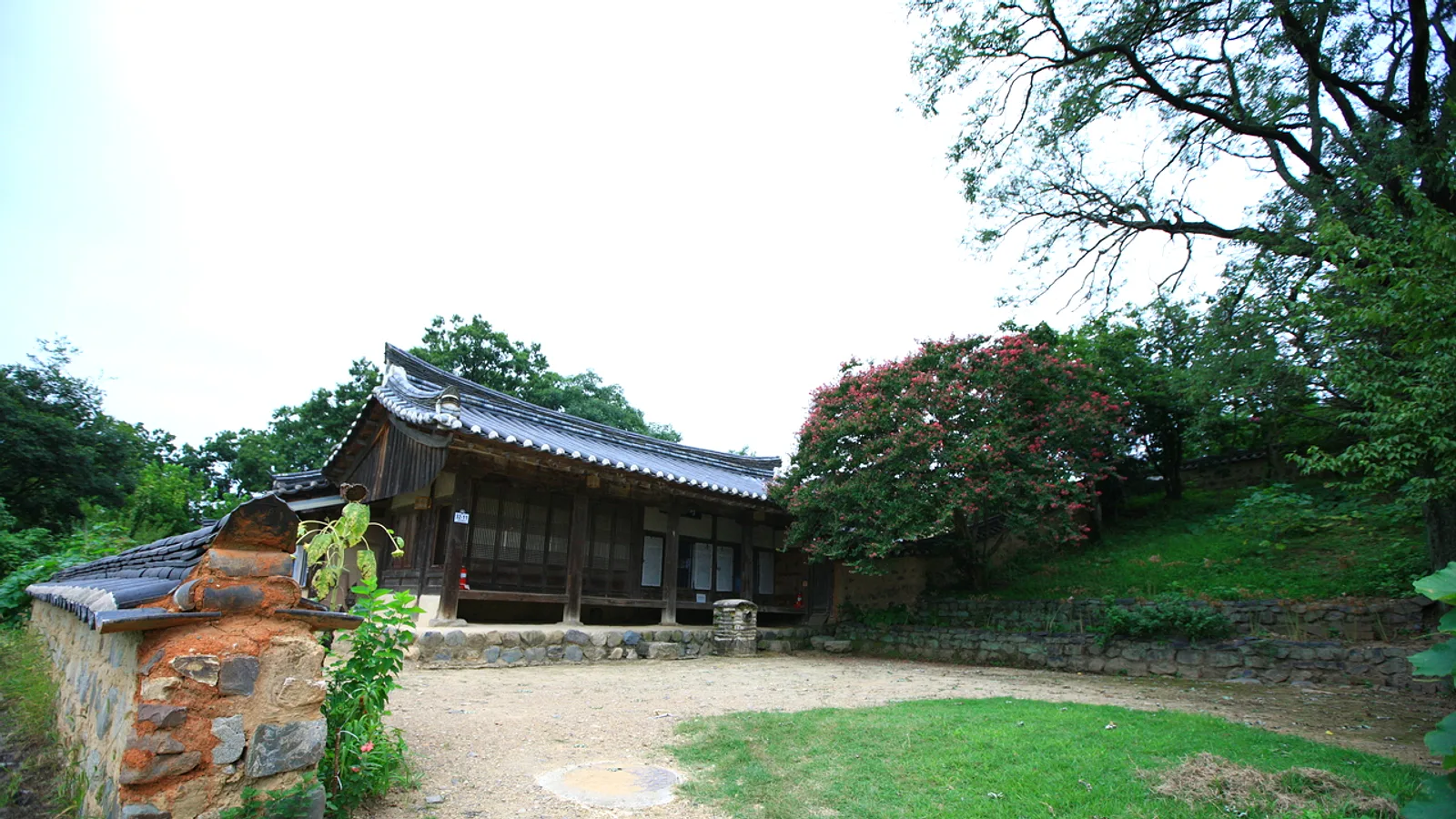
Gyeongju
Gyeongju with Kids: Planning Expo Park, Gyeongju World and Bomun Lake
A practical plan for families visiting Gyeongju's eastern attractions: Expo Park and Gyeongju Tower, Gyeongju World theme park and Bomun Lake, with transport and pacing advice.
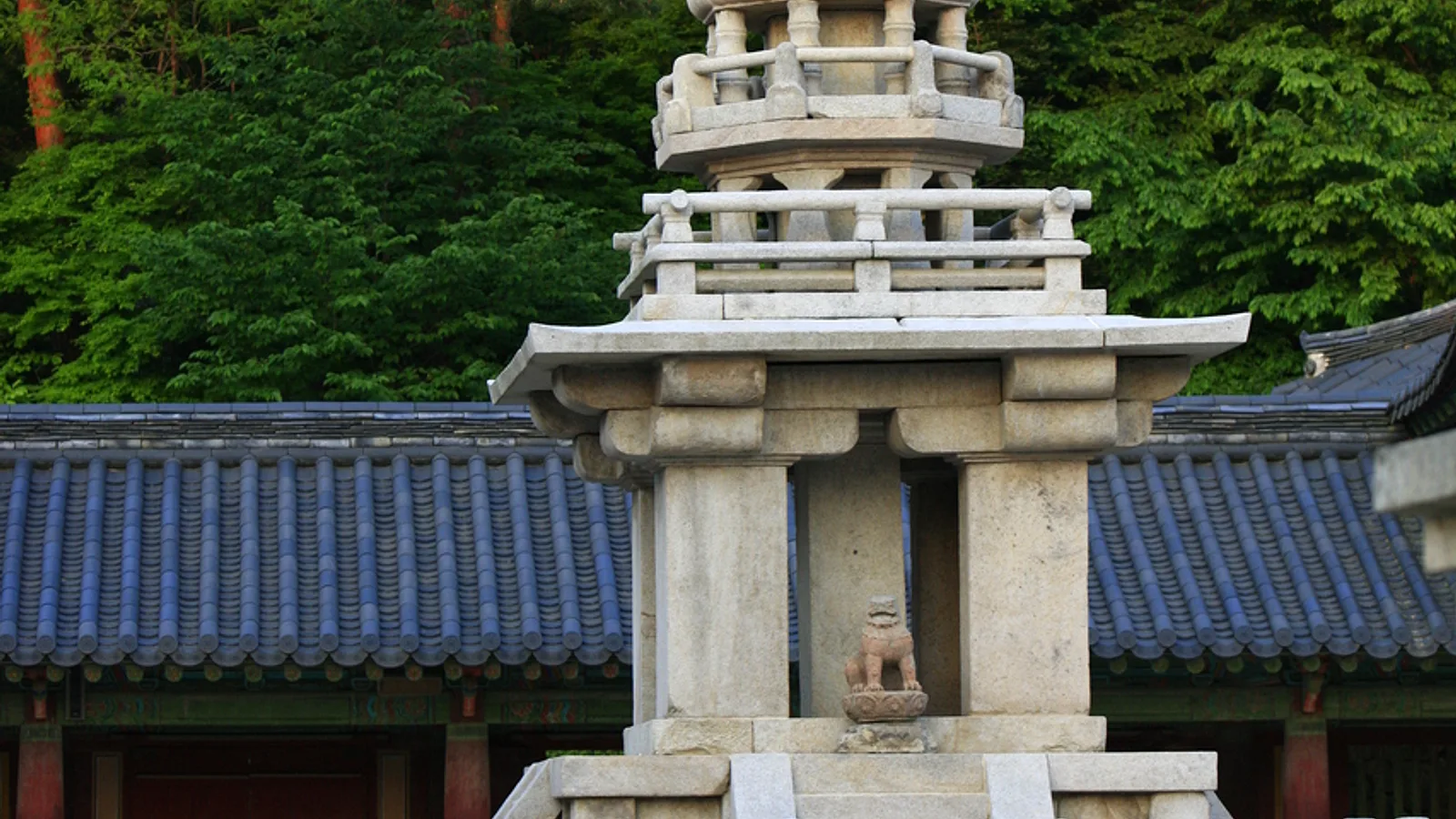
Gyeongju
Gyeongju Day Trip from Busan: Transport, Route and Timing Plan
How to plan a one-day Gyeongju trip from Busan by KTX or express bus, with a route covering Bulguksa, Daereungwon, Hwangnidan-gil, Donggung and Wolji, plus return-trip buffers.
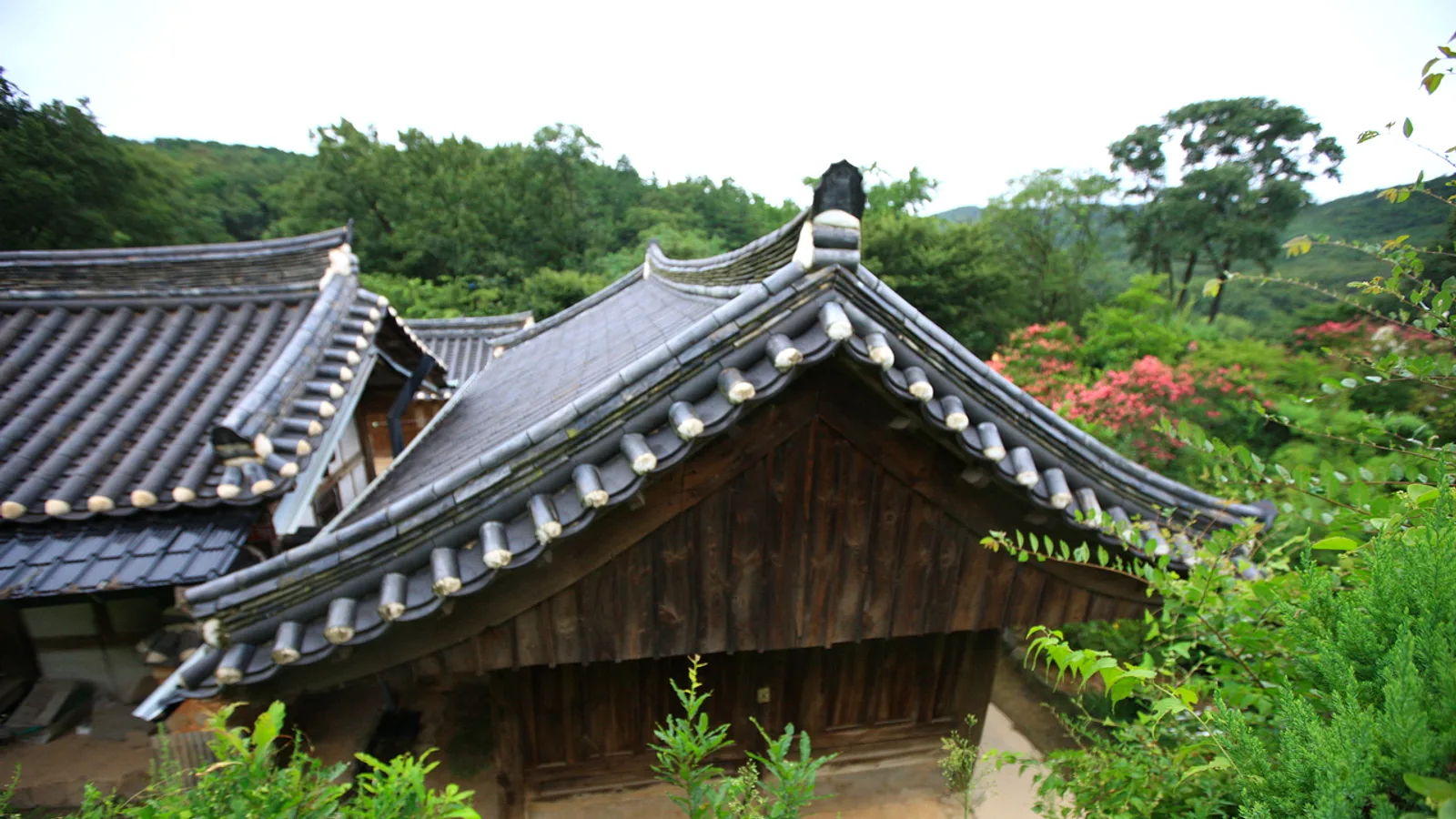
Gyeongju
Gyeongju After Dark: Donggung, Wolji and Cheomseongdae Lights
How to plan an evening in Gyeongju around the lit Donggung and Wolji pavilions, Cheomseongdae, Daereungwon and the cafes of Hwangnidan-gil.
Connected Cultural Destinations
Handpicked nearby attractions and regional cultural highlights.

Seokguram Grotto (UNESCO)
석굴암Seokguram Grotto (UNESCO), Gyeongju, Gyeongbuk, South Korea
Seokguram Grotto is a supreme masterpiece of East Asian Buddhist art and a UNESCO World Heritage treasure, enshrining a monumental white granite Sakyamuni Buddha carved in 751 AD within a sublime s...
Morning (around 09:30-10:00)
Details→
Cheomseongdae Observatory & Donggung Palace
경주 첨성대 및 동궁과 월지Cheomseongdae Observatory & Donggung Palace, Gyeongju, Gyeongbuk, South Korea
Cheomseongdae and Donggung Palace with Wolji Pond form the royal heart of ancient Silla in Gyeongju, combining the oldest surviving astronomical observatory in East Asia with a glittering 7th-centu...
Morning (around 09:30-10:00)
Details→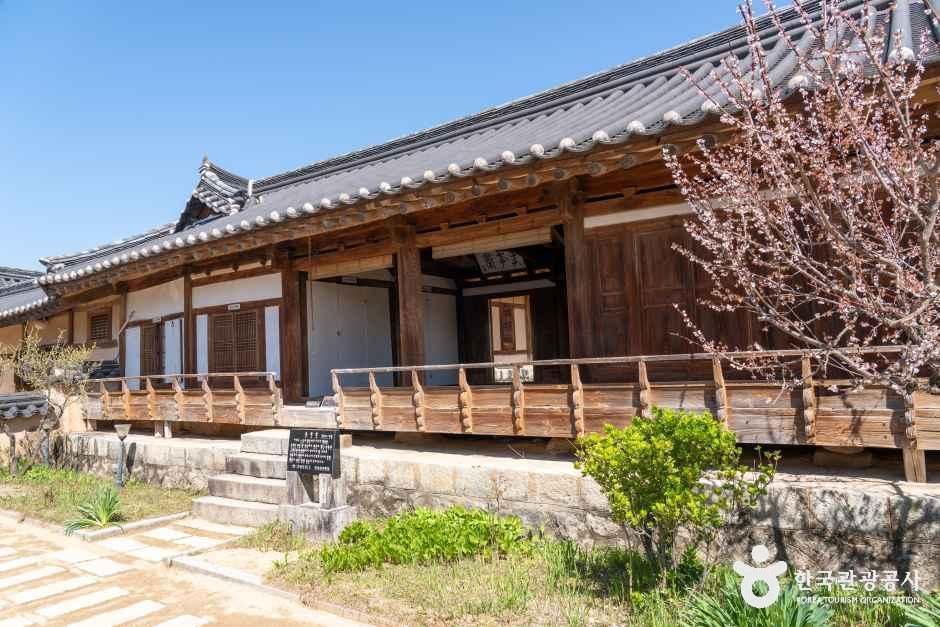
Andong Hahoe Folk Village (UNESCO)
안동 하회마을Andong Hahoe Folk Village (UNESCO), Andong, Gyeongbuk, South Korea
Andong Hahoe Folk Village is a living UNESCO World Heritage treasure where the Pungsan Ryu clan has resided for over 600 years, cradled by the sweeping S-curve of the Nakdong River, preserving auth...
Morning (around 09:30-10:00)
Details→
Byeongsan Seowon Confucian Academy
안동 병산서원Byeongsan Seowon Confucian Academy, Andong, Gyeongbuk, South Korea
Byeongsan Seowon is a UNESCO World Heritage masterpiece of Neo-Confucian academy architecture, world-renowned for its sublime Mandaeru Pavilion—a soaring seven-bay open wooden pavilion that frames ...
Morning (around 09:30-10:00)
Details→