Gyeongbuk•Andong•Heritage•Historic Landmark
Byeongsan Seowon Confucian Academy
안동 병산서원
Powered by Korea Tourism OrganizationAddress: Byeongsan Seowon Confucian Academy, Andong, Gyeongbuk, South Korea (경상북도 안동시 풍천면 병산서원길 386 (병산리))
Editorial review pending

Byeongsan Seowon Confucian Academy representative scenic panoramaZoom


+1More
1 / 6
Byeongsan Seowon Confucian Academy representative scenic panorama
Curator's Guide & Overview
Comprehensive Guide1. Historical Origins & Cultural Background
Byeongsan Seowon, inscribed on the UNESCO World Heritage List in 2019 under the collective serial nomination 'Seowon, Korean Neo-Confucian Academies', is celebrated by architectural historians as the supreme triumph of traditional Korean pavilion architecture. Originally founded as Jondeoksa in Pungsan during the Goryeo Dynasty, the academy was relocated to this tranquil riverbank in 1572 by Master Ryu Seong-ryong (1542–1607) and re-established in 1613 by his disciples to venerate his scholarship, integrity, and statesmanship. Nestled precisely between the placid Nakdong River and the rocky scree of Mount Hwasan, the seowon embodies the ultimate Confucian philosophy of living in effortless harmony with nature.
2. Architectural Highlights & Key Structures
The architectural triumph of Byeongsan Seowon is Mandaeru Pavilion (Treasure No. 2104)—a soaring open-air wooden structure measuring 7 bays wide by 2 bays deep with a hipped-and-gabled roof. Named after a poignant poem by Tang Dynasty poet Du Fu ('As the sun sets, slow clouds linger over green mountains'), Mandaeru has no exterior walls, doors, or windows. When seated inside the central lecture hall (Ipgyodang), the seven columnar frames of Mandaeru serve as living picture frames, dividing the meandering Nakdong River, white sandy beach, and folding-screen cliffs of Mount Byeongsan into seven sublime natural landscape paintings that change with every passing cloud.
3. Four Seasons Landscape & Seasonal Visiting Charms
Byeongsan Seowon exudes refined contemplative beauty in all four seasons. Spring (April to May) brings delicate green willow branches swaying over the sparkling river and wild azaleas blooming on the cliffs. Summer (July to August) is spectacular: six centuries-old crape myrtle trees (Baekilhong) burst into brilliant pink and crimson blossoms across the courtyards, creating a magnificent floral contrast with the weathered grey timbers. Autumn (October to November) surrounds the academy in golden reeds along the riverbank and rich autumn colors cascading down the mountain slopes. Winter brings serene quietude, with snow dusting the curved roof tiles and mist rising from the icy waters of the Nakdong River.
4. Operating Hours & Peak Viewing Times
The academy is open daily year-round from 09:00 to 18:00 (March to October) and 09:00 to 17:00 (November to February). Visiting in the late morning (10:00 to 11:30) allows sunlight to illuminate the wooden floorboards of Ipgyodang and the sweeping eaves of Mandaeru. Late afternoon (16:00 to 17:30) is equally breathtaking, as golden hour sunlight reflects off the river surface and warms the granite foundations. Allow approximately 1 to 1.5 hours to thoroughly explore the halls, courtyard pavilions, and riverside trails.
5. Admission Fees & Concessions (Youth/Foreigner Discounts)
Admission to Byeongsan Seowon is completely FREE of charge for all domestic and international travelers. Open-air vehicle parking outside the front gate is also entirely free. To preserve the ancient structural integrity of Mandaeru Pavilion (Treasure No. 2104), ascending directly onto its elevated wooden floor is restricted; however, visitors can sit on the spacious wooden veranda of Ipgyodang directly behind it, which offers the exact intended viewing perspective over the river.
6. Public Transit & Subway Exit Directions
From Seoul, take the KTX-Eum from Cheongnyangni Station to KTX Andong Station (approx. 2 hours). From Andong Station Bus Plaza, City Bus 210 operates directly to Byeongsan Seowon 3 times daily (approx. 55 minutes). If traveling from neighboring Andong Hahoe Village (PLACE-GYEONGBUK-004), a quick 10-minute taxi ride across the connecting country road costs approximately 7,000 to 8,000 KRW. Dedicated hikers can walk the picturesque 4-kilometer Seowon Walking Trail connecting Hahoe Village and Byeongsan Seowon through the pine forests in roughly 1 hour.
7. Barrier-Free Accessibility & Visitor Amenities
Byeongsan Seowon's main courtyard and lecture grounds are accessible via level dirt pathways and low-incline gravel ramps. Standard strollers and manual wheelchairs can easily access the front of Mandaeru and the central courtyard facing Ipgyodang. The raised wooden floors of the lecture hall require climbing two stone steps. The memorial shrine area (Jondeoksa) at the rear involves several steep stone staircases and is not wheelchair accessible. Accessible restrooms are located near the parking area outside the main gate.
8. Recommended Walking Route & Highlights Tour
Recommended 1.5-Hour Confucian Harmony Circuit: Arrive at the outer gate (Bongnyemun) → Pass the circular lotus pond (Gwang-yeongji) representing the square earth and round heaven → Walk beneath the soaring timber pillars of Mandaeru Pavilion → Ascend to the courtyard of Ipgyodang (Main Lecture Hall) → Sit on the wooden floor of Ipgyodang and look out through Mandaeru's pillars to witness the seven framed views of the river and mountain → Admire the ancient gnarled branches of the 400-year-old crape myrtle trees → Walk through the eastern and western student dormitories (Dongjae and Seojae) → Peek into the sacred shrine gate (Sindanmun) honoring Master Ryu Seong-ryong → Stroll out to the white sandy beach of the Nakdong River to admire the academy reflected in the water.
9. Local Food Specialties & Regional Flavors
While Byeongsan Seowon maintains a quiet, contemplative atmosphere free of commercial restaurants, outstanding local dining is available just 10 minutes away around Hahoe Village. Savor Andong Jjimdak (rich braised chicken with chewy glass noodles and spicy chilies), Heotjesatbap (memorial banquet bibimbap served with seasoned wild greens and soup), and Andong Gan-godeungeo (crispy salt-grilled mackerel). Local roadside farm stands in Pungsan offer fresh seasonal Andong apples, sweet melon bread, and traditional sweet rice sikhye.
10. Dietary Options (Vegetarian, Halal & Allergen Guide)
Vegetarians can comfortably dine at the traditional restaurants near Hahoe Village, just a few minutes down the road: order authentic Heotjesatbap made with wild mountain bracken, roots, tofu, and soy seasoning without meat extracts. Savory acorn jelly salad (Dotorimuk) and crispy potato pancakes make wonderful plant-based companions. Halal and pescatarian travelers can savor the famous grilled salted mackerel banchan, seafood scallion pancakes, and sweet fermented sikhye.
11. Signature Photo Spots & Golden Hour Lighting
Signature photographic perspectives: sitting in the center of Ipgyodang Hall looking outward, framing the Nakdong River and the sheer rock cliffs of Mount Byeongsan through the wooden pillar openings of Mandaeru; the vibrant magenta blossoms of the 400-year-old crape myrtle trees framing the weather-beaten wooden lattice doors in midsummer; the reflection of Mandaeru's grand silhouette across the circular lotus pond; and the dramatic mountain scree cliffs rising directly behind the tranquil tiled roofs.
12. Visitor Etiquette & Cultural Property Regulations
Byeongsan Seowon is an active memorial shrine and a precious UNESCO World Heritage property. Maintain respectful quietness while touring the grounds. Do not climb upon the balustrades of Mandaeru or attempt to enter restricted ancestral shrine quarters. Smoking, food consumption, and pets are strictly prohibited inside the historic walled compound. Please keep ticket stubs, pack out all personal trash, and preserve the tranquil scholarly atmosphere.
13. Safety Precautions & 1330 Tourism Hotline Support
Wear comfortable walking shoes or sneakers suitable for dirt paths and riverside pebble trails. During hot summer visits, carrying an umbrella or sunhat is advisable, as the open courtyard has limited shade outside the pavilion eaves. If relying on public transit, verify the departure times of Bus 210 carefully, or arrange a taxi pick-up in advance. For cultural explanations and guided tour schedules, contact the Byeongsan Seowon Administrative Office at 054-858-5929 or call 1330.
14. Nearby Connected Attractions & Walking Links
Combine your visit with other historic Andong treasures: explore Andong Hahoe Folk Village (PLACE-GYEONGBUK-004) just 4 km to the west, climb Buyongdae Cliff for panoramic views of the river meander, visit the historic Dosan Seowon academy in northern Andong, or cross the romantic Woryeonggyo Wooden Bridge at dusk.
15. Frequently Asked Questions (FAQ)
Q: What is the meaning behind the name Mandaeru? A: 'Mandaeru' (晩對樓) was inspired by a celebrated poem by the Tang Dynasty poet Du Fu, translating to 'As evening falls, one sits facing the green mountain'; it reflects the scholar's serene contemplation of nature at twilight. Q: Why are the crape myrtle trees significant here? A: Six crape myrtle trees (Baekilhong, meaning 'blooming for 100 days') were planted inside the academy to symbolize the enduring, unyielding perseverance and continuous self-cultivation required of Confucian scholars.
16. Regional Extended Day Trip Itinerary
Andong Confucian Wisdom & River Landscape Tour: Morning KTX-Eum to Andong Station → 10:00 City Bus 210 or taxi directly to Byeongsan Seowon → Sit on the wooden floor of Ipgyodang and admire the 7 framed river views through Mandaeru Pavilion → Walk to the white sandy beach of the Nakdong River → 10-minute taxi to Hahoe Village for an Andong Jjimdak and salted mackerel lunch → Explore Hahoe Folk Village noble houses and watch the 14:00 Mask Dance → Climb Buyongdae Cliff → Return to Andong city center for dinner → Evening return via KTX.
Essential Visitor Facts
Operating Hours
Open daily 09:00 - 18:00 (summer, March to October); 09:00 - 17:00 (winter, November to February); open year-round 365 days.
Admission / Price
Admission is completely FREE for all visitors; Free entry to the historic lecture halls, shrine courtyard, and heritage grounds; Free open-air parking.
Closed Days
Closed on Mondays/Tuesdays
Best Time to Visit
Morning (around 09:30-10:00)
Transit & Access Directions
From KTX Andong Station, take City Bus 210 (scheduled runs extend to Byeongsan Seowon 3 times daily, approx. 55 minutes). Alternatively, take a 10-minute taxi from Andong Hahoe Village (approx. 7,000 to 8,000 KRW).
Accessibility & Special Amenities
Wheelchair ramps, tactile paving, accessible restrooms
Location Coordinates
Latitude: 36.5385
Longitude: 128.5612
Discover Themes & Highlights
Key interest areas and cultural highlights:
#byeongsan-seowon-academy#VisitGyeongbuk#KoreaTravelAtlas
Community Traveler Reviews0 Reviews
Visitor tips, feedback, and questions submitted by real travelers.
No community reviews submitted yet. Be the first traveler to share your experience!
Connected Cultural Destinations
Handpicked nearby attractions and regional cultural highlights.

Gongju Magoksa Temple (UNESCO)
공주 마곡사Gongju Magoksa Temple (UNESCO), Gongju, Chungnam, South Korea
Gongju Magoksa Temple, an acclaimed UNESCO World Heritage Mountain Monastery (Sansa), is renowned for its thousand-year-old wooden Daeungbojeon, the Taegeuk-shaped stream flowing through its courty...
Morning (around 09:30-10:00)
Details→
Maisan Provincial Park & Stone Pagodas (Tapsa)
진안 마이산 탑사Maisan Provincial Park & Stone Pagodas (Tapsa), Jinan, Jeonbuk, South Korea
Maisan Provincial Park is an awe-inspiring geological sanctuary famed for its surreal twin peaks resembling horse ears, massive tafoni honeycomb cliff cavities, and Tapsa Temple’s mystical ensemble...
Morning (around 09:30-10:00)
Details→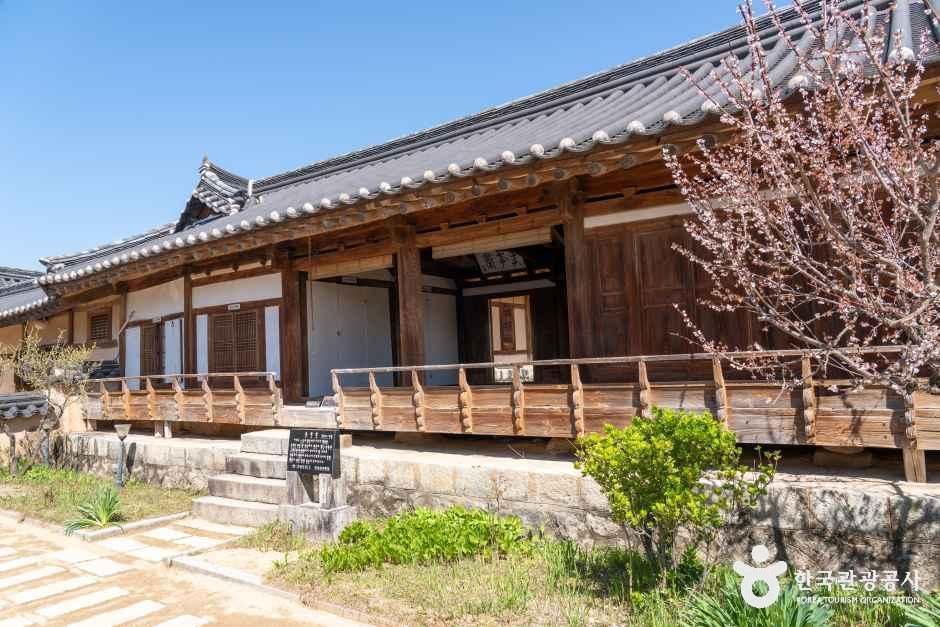
Andong Hahoe Folk Village (UNESCO)
안동 하회마을Andong Hahoe Folk Village (UNESCO), Andong, Gyeongbuk, South Korea
Andong Hahoe Folk Village is a living UNESCO World Heritage treasure where the Pungsan Ryu clan has resided for over 600 years, cradled by the sweeping S-curve of the Nakdong River, preserving auth...
Morning (around 09:30-10:00)
Details→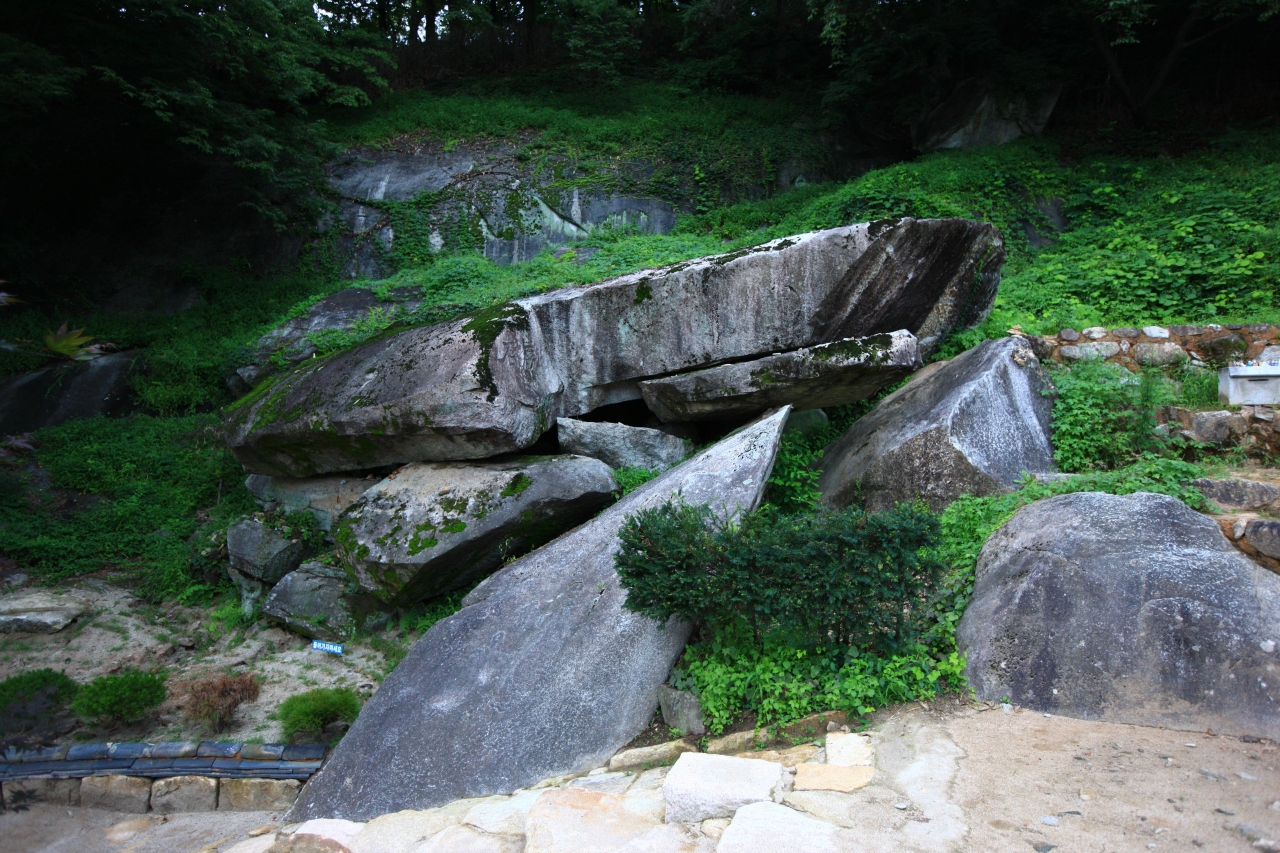
Yeongju Buseoksa Temple (UNESCO)
영주 부석사 (무량수전)Yeongju Buseoksa Temple (UNESCO), Yeongju, Gyeongbuk, South Korea
Yeongju Buseoksa Temple is a legendary UNESCO World Heritage mountain sanctuary on the slopes of Mount Bonghwangsan, world-renowned for Muryangsujeon (Hall of Infinite Life)—one of South Korea’s ol...
Morning (around 09:30-10:00)
Details→