Gyeongbuk•Andong•Heritage•Traditional Village
Andong Hahoe Folk Village (UNESCO)
안동 하회마을
Powered by Korea Tourism OrganizationAddress: Andong Hahoe Folk Village (UNESCO), Andong, Gyeongbuk, South Korea (경상북도 안동시 풍천면 하회종가길 2-1 (하회리 일원))
Editorial review pending
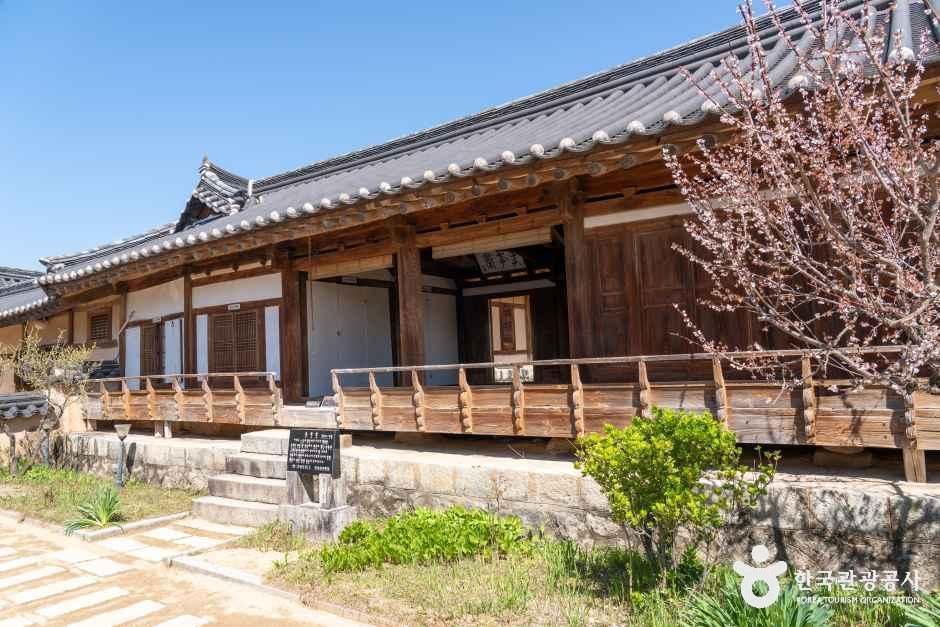
Andong Hahoe Folk Village (UNESCO) representative scenic panoramaZoom


+1More
1 / 6
Andong Hahoe Folk Village (UNESCO) representative scenic panorama
Curator's Guide & Overview
Comprehensive Guide1. Historical Origins & Cultural Background
Andong Hahoe Folk Village, inscribed as a UNESCO World Heritage site in 2010 alongside Yangdong Village, is South Korea's most iconic and complete surviving noble clan settlement. Nestled peacefully in a peninsula cradled by the dramatic S-shaped meander of the Nakdong River, the village takes its name 'Ha-hoe' (河回) from 'river turning back upon itself'. For over six centuries since the early Joseon Dynasty, the Pungsan Ryu clan has inhabited this land, nurturing great Confucian statesmen and scholars including Ryu Seong-ryong (1542–1607), the revered Prime Minister who guided Joseon through the tumultuous Imjin War.
2. Architectural Highlights & Key Structures
Hahoe Village's geomantic layout follows the auspicious 'floating lotus flower' topography (Yeonhwabusu-hyeong). Uniquely, the noble tile-roofed residences (Hanok) occupy the central core facing outwards in all cardinal directions, surrounded harmoniously by commoners' rounded thatched-roof cottages (Choga). Foremost among the architectural treasures are Yangjindang (Treasure No. 306), the grand head estate of the Ryu clan featuring soaring wooden verandas, and Chunghyodang (Treasure No. 414), Ryu Seong-ryong's family estate preserving royal scrolls, personal armor, and the historic Jingbirok memoir (National Treasure). In the center stands a 600-year-old sacred zelkova tree (Samsindang), where visitors tie white paper wishes for blessings and fertility.
3. Four Seasons Landscape & Seasonal Visiting Charms
Hahoe radiates timeless charm across all seasons. Spring (April to May) lines the riverbanks and village lanes with blooming pink cherry blossoms and golden forsythia. Summer (June to August) brings lush green rice paddies and cool shade beneath the 10,000 pine trees of Mansongjeong Pine Forest. Autumn (September to October) is the village's cultural pinnacle: during the annual Andong Maskdance Festival, golden rice fields frame the thatched roofs while the legendary Hahoe Seonyujulbulnori (a traditional firework spectacle of falling charcoal dust ribbons) illuminates Buyongdae cliff. Winter blankets the thatched roofs in pure white snow, evoking a living Joseon ink painting.
4. Operating Hours & Peak Viewing Times
The village gates are open daily from 09:00 to 18:00 (March to October) and 09:00 to 17:00 (November to February). The celebrated Hahoe Byeolsingut Talnori (Mask Dance Drama) is performed live every Tuesday through Sunday at 14:00 at the Mask Dance Arena near the ticket office (completely free with admission). Allow at least 3 to 4 hours total to explore the village alleys, attend the mask dance performance, and cross the river to climb Buyongdae cliff.
5. Admission Fees & Concessions (Youth/Foreigner Discounts)
Admission is 5,000 KRW for adults, 2,500 KRW for teenagers, and 1,500 KRW for children. This single ticket includes round-trip shuttle bus transit between the main ticket complex and the village entrance (approx. 1.2 km), entry to the World Mask Museum, and the live 14:00 mask dance performance. A traditional wooden ferry (Naru-bae) crosses the Nakdong River to the foot of Buyongdae cliff for 5,000 KRW round-trip. Parking at the ticket complex is 2,000 KRW per car.
6. Public Transit & Subway Exit Directions
From Seoul Cheongnyangni Station, board the high-speed KTX-Eum train to KTX Andong Station (approx. 2 hours). Directly across from Andong Station, board City Express Bus 210, which runs directly to Hahoe Village ticket office in roughly 45 to 50 minutes (departing hourly). A taxi from Andong Station takes about 30 minutes and costs roughly 25,000 to 28,000 KRW. From the ticket office, hop on the free shuttle bus for a 3-minute ride directly into the village.
7. Barrier-Free Accessibility & Visitor Amenities
Hahoe Village is exceptionally accessible for all visitors. The main streets throughout the village are flat, wide dirt-and-gravel alleys free of major obstacles, allowing smooth transit for strollers and wheelchairs. The shuttle buses connecting the ticket office and the village are equipped with low-floor wheelchair ramps. The World Mask Museum and Mask Dance Arena feature wide ramps and accessible restrooms. However, crossing to Buyongdae cliff involves stepping aboard a small wooden ferry and climbing steep earthen steps, which is not wheelchair accessible. Complimentary wheelchairs are available at both the main ticket office and village entrance.
8. Recommended Walking Route & Highlights Tour
Recommended 3.5-Hour Living Heritage Circuit: Arrive at Hahoe Ticket Office at 11:30 → Explore the World Mask Museum → Savor an authentic Andong Jjimdak lunch at the market village → Take the free shuttle bus to the village entrance → Walk along the mud-and-stone walled alleys to Yangjindang and Chunghyodang noble estates → Tie a prayer ribbon at the 600-year-old Samsindang Zelkova Tree → Walk through Mansongjeong Pine Forest to the sandy riverbank → Take the wooden ferry across to climb the stone stairs up Buyongdae Cliff for the breathtaking panoramic view of the entire S-shaped village → Take the ferry back and walk to the Mask Dance Arena → Enjoy the humorous, satirical Hahoe Byeolsingut Talnori performance at 14:00 → Return via shuttle bus.
9. Local Food Specialties & Regional Flavors
Andong is celebrated as one of Korea's great culinary capitals. Top dining specialties include Andong Jjimdak (tender chicken braised in a savory, spicy dark soy sauce with chewy sweet potato glass noodles, potatoes, and vegetables), Heotjesatbap (a poetic 'mock memorial ceremony' bibimbap served with seasoned wild herbs, tofu, and soy dressing without garlic), and Andong Gan-godeungeo (salt-cured grilled mackerel with crispy skin and juicy flesh). Sample legendary Andong Soju (a fiery, aromatic 45-degree traditional distilled spirit) and sweet fermented Andong Sikhye (spiced with ginger and red chili).
10. Dietary Options (Vegetarian, Halal & Allergen Guide)
Vegetarian travelers can easily indulge in Heotjesatbap—traditionally prepared without meat or fish broths and served with delicate mountain vegetables, tofu pancakes, and savory seaweed soup. Traditional taverns near the village gate serve crispy potato pancakes, mung bean bindaetteok, acorn jelly salad, and vegetable bibimbap. Halal and pescatarian diners will be delighted by fresh grilled Andong salted mackerel, seafood scallion pancakes, and sweet fermented sikhye, all completely free of pork products.
11. Signature Photo Spots & Golden Hour Lighting
Unforgettable photo spots: standing atop the sheer 64-meter cliff of Buyongdae looking down at the entire village nestled inside the sweeping S-loop of the Nakdong River; portraits framed by the tall, rustic mud-and-straw walls lining the narrow alleys of Chunghyodang; sunlight filtering through the canopy of the ancient 600-year-old Samsindang Zelkova Tree; and lively action shots with the expressive wooden masks during the 14:00 mask dance drama.
12. Visitor Etiquette & Cultural Property Regulations
Hahoe is a living, breathing community where actual descendants of the Ryu clan reside. Please observe respectful etiquette: do not enter private family living courtyards marked with signs, do not peer through closed paper sliding doors, and keep noise levels low in residential alleys. Do not lean against fragile mud-and-thatch walls. Smoking is strictly prohibited throughout the entire village due to extreme fire risks to centuries-old wooden structures and thatch.
13. Safety Precautions & 1330 Tourism Hotline Support
Wear comfortable walking shoes suitable for sandy soil and dirt lanes. Bring sunscreen and a hat during summer, as shade can be limited along the open riverbanks. The mask dance performance at 14:00 is wildly popular; arrive at the amphitheater by 13:40 on weekends to secure prime seats. For performance schedules, English audio guide rentals, and homestay bookings, contact the Hahoe Village Tourism Office at 054-853-0103 or dial 1330.
14. Nearby Connected Attractions & Walking Links
Directly connected attractions: drive 10 minutes east to the architectural masterpiece of Byeongsan Seowon Confucian Academy (PLACE-GYEONGBUK-005), explore Dosan Seowon honoring master Toegye Yi Hwang, visit the dramatic Woryeonggyo Wooden Footbridge in Andong city (Korea's longest wooden pedestrian bridge, dazzling at night), or continue south to Goryeong Daegaya Tumuli (PLACE-GYEONGBUK-013).
15. Frequently Asked Questions (FAQ)
Q: What makes Hahoe masks unique? A: Carved from alder wood in the 12th century and designated as National Treasure No. 121, Hahoe masks feature a detached, articulated lower jaw connected by cords (in the Yangban and Scholar masks), allowing the mask's mouth to move realistically as the actor speaks, smiles, or tilts their head. Q: Can visitors sleep inside the historic Hanok houses? A: Yes! Many authentic noble Hanok estates and thatched cottages operate official 'Gotaek Minbak' (traditional homestays), offering visitors an unforgettable night sleeping on warm ondol floors under starry skies.
16. Regional Extended Day Trip Itinerary
Andong UNESCO Heritage & Mask Dance Day Tour: Morning KTX-Eum from Cheongnyangni Station to Andong Station → City Bus 210 to Hahoe Village → Savor savory Andong Jjimdak and salted mackerel for lunch → Walk the ancient alleys of Yangjindang and Chunghyodang → Cross the river via ferry to climb Buyongdae Cliff for the panoramic village view → Watch the 14:00 Hahoe Byeolsingut Mask Dance performance → Short taxi to Byeongsan Seowon to admire Mandaeru Pavilion overlooking the river → Evening return to Andong city for a twilight stroll across Woryeonggyo Bridge → KTX return to Seoul.
Essential Visitor Facts
Operating Hours
Daily 09:00 - 18:00 (March to October); 09:00 - 17:00 (November to February); Hahoe Mask Dance performances: every Tuesday to Sunday at 14:00 (free admission inside the Mask Dance Arena).
Admission / Price
Adults 5,000 KRW, Youth 2,500 KRW, Children 1,500 KRW; Admission includes free round-trip shuttle bus between ticket office and village entrance, entry to Hahoe Mask Museum, and the 14:00 Mask Dance Drama.
Closed Days
Closed on Mondays/Tuesdays
Best Time to Visit
Morning (around 09:30-10:00)
Transit & Access Directions
From Seoul Cheongnyangni Station, take the KTX-Eum to KTX Andong Station (approx. 2 hours). From Andong Station Bus Plaza, take Express City Bus 210 directly to Hahoe Village Ticket Office (approx. 45-50 minutes, departs roughly hourly).
Accessibility & Special Amenities
Wheelchair ramps, tactile paving, accessible restrooms
Location Coordinates
Latitude: 36.5392
Longitude: 128.5185
Discover Themes & Highlights
Key interest areas and cultural highlights:
#andong-hahoe-folk-village#VisitGyeongbuk#KoreaTravelAtlas
Community Traveler Reviews0 Reviews
Visitor tips, feedback, and questions submitted by real travelers.
No community reviews submitted yet. Be the first traveler to share your experience!
Connected Cultural Destinations
Handpicked nearby attractions and regional cultural highlights.

Asan Oeam Folk Village
아산 외암민속마을Asan Oeam Folk Village, Asan, Chungnam, South Korea
Asan Oeam Folk Village is an authentic 500-year-old living Joseon Dynasty clan hamlet, famed for 5.3 kilometers of mossy stacked stone walls, tile-roofed noble estates, thatched commoner cottages, ...
Morning (around 09:30-10:00)
Details→
Suncheon Naganeupseong Walled Town
순천 낙안읍성 민속마을Suncheon Naganeupseong Walled Town, Suncheon, Jeonnam, South Korea
Suncheon Naganeupseong is South Korea’s most complete surviving Joseon Dynasty walled fortress village, preserving an authentic 1.4-kilometer stone rampart enclosing 218 thatched-roof cottages wher...
Morning (around 09:30-10:00)
Details→
Byeongsan Seowon Confucian Academy
안동 병산서원Byeongsan Seowon Confucian Academy, Andong, Gyeongbuk, South Korea
Byeongsan Seowon is a UNESCO World Heritage masterpiece of Neo-Confucian academy architecture, world-renowned for its sublime Mandaeru Pavilion—a soaring seven-bay open wooden pavilion that frames ...
Morning (around 09:30-10:00)
Details→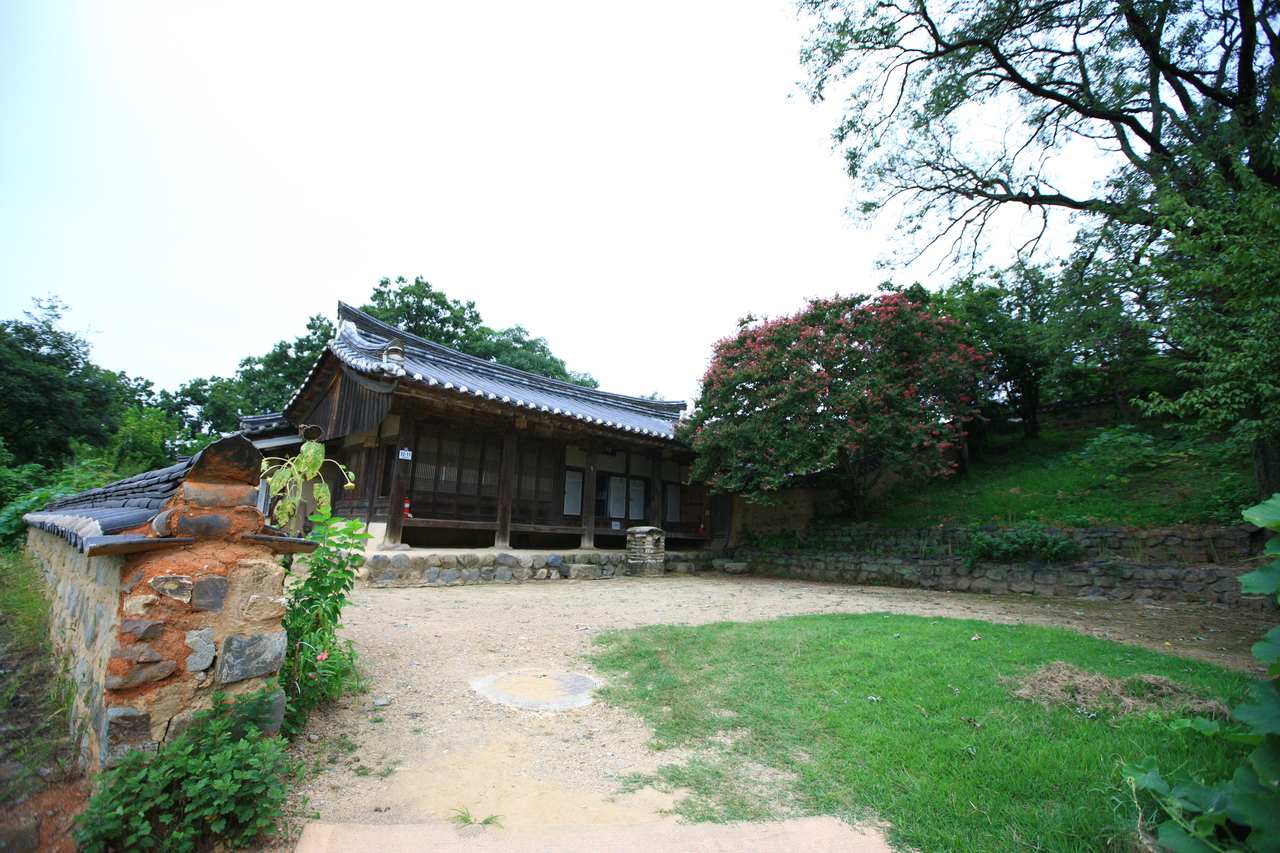
Gyeongju Yangdong Folk Village (UNESCO)
경주 양동마을Gyeongju Yangdong Folk Village (UNESCO), Gyeongju, Gyeongbuk, South Korea
Gyeongju Yangdong Folk Village is South Korea’s largest and most pristine historic clan village, inscribed as a UNESCO World Heritage site in 2010, where the Wolseong Son and Yeogang Yi clans have ...
Morning (around 09:30-10:00)
Details→