Gyeongbuk•Gyeongju•Heritage•Traditional Village
Gyeongju Yangdong Folk Village (UNESCO)
경주 양동마을
Powered by Korea Tourism OrganizationAddress: Gyeongju Yangdong Folk Village (UNESCO), Gyeongju, Gyeongbuk, South Korea (경상북도 경주시 강동면 양동마을길 134 (양동리 일원))
Editorial review pending
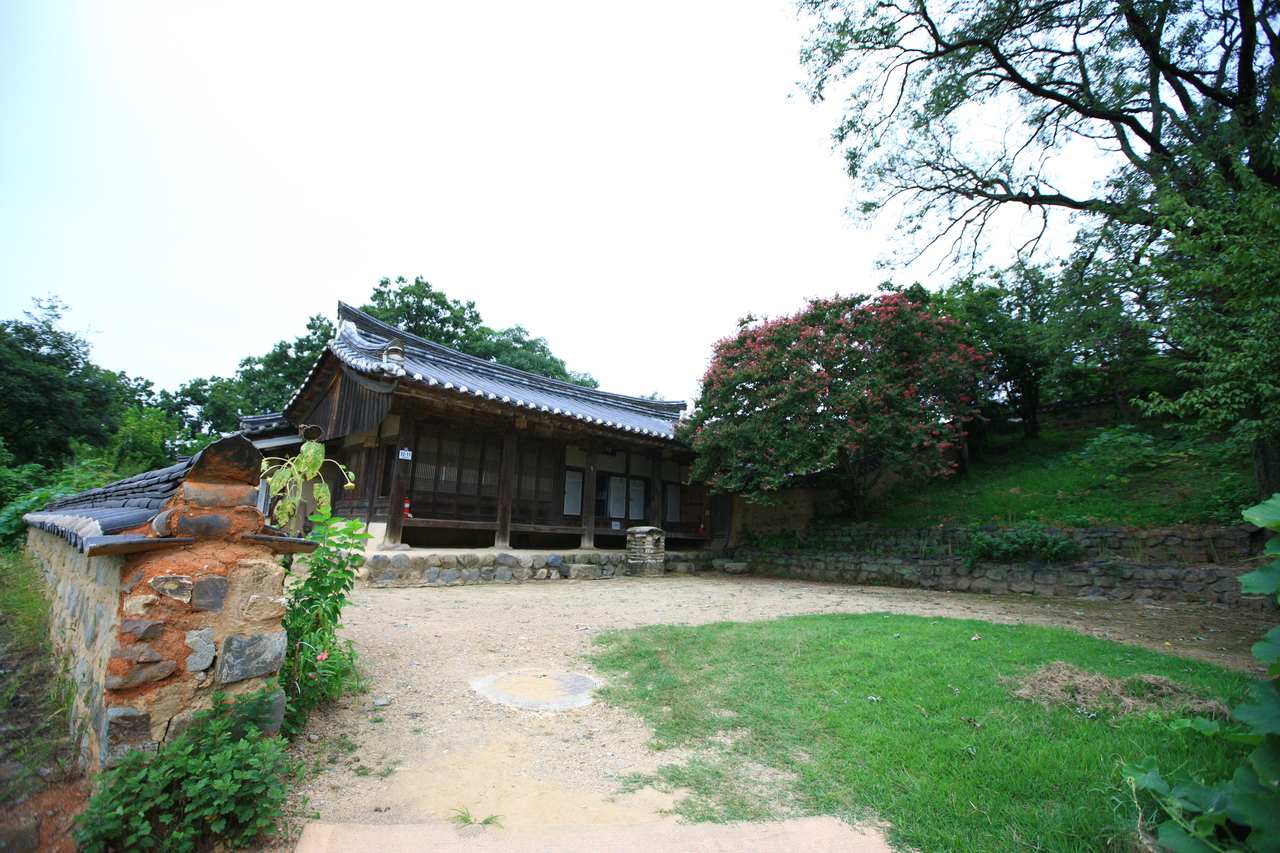
Gyeongju Yangdong Folk Village (UNESCO) representative scenic panoramaZoom


+1More
1 / 6
Gyeongju Yangdong Folk Village (UNESCO) representative scenic panorama
Curator's Guide & Overview
Comprehensive Guide1. Historical Origins & Cultural Background
Gyeongju Yangdong Folk Village, inscribed on the UNESCO World Heritage List in 2010 alongside Andong Hahoe Village, is South Korea's largest and most complete historic aristocratic settlement. Situated 16 kilometers northeast of downtown Gyeongju along the Hyeongsan River, the village represents a rare 500-year dual-clan alliance: for over five centuries since the early Joseon Dynasty, the Wolseong Son clan and the Yeogang Yi clan have intermarried, shared power, and harmoniously governed this idyllic mountain community, producing towering Neo-Confucian philosophers and statesmen such as Hoejae Yi Eon-jeok (1491–1553).
2. Architectural Highlights & Key Structures
The village’s geomantic layout is renowned for its auspicious 'Mul' (勿) character topography: four forested ridges of Mount Seolchangsan divide into three deep valleys resembling the strokes of the Chinese character for 'water', ensuring prosperity, academic brilliance, and protection from disasters. Over 160 traditional residences remain, exhibiting a strict Neo-Confucian class hierarchy: the majestic tile-roofed Hanok of the noble Yangban elite crown the elevated hilltops enjoying sweeping views and clean breezes, while the humble thatched-roof cottages (Choga) of commoners and retainers nestle around the valley floors. Prominent architectural treasures include Mucheomdang (Treasure No. 411), Hyangdan (Treasure No. 412, a unique circular-court manor), Gwangajeong (Treasure No. 442), and Seobaekdang, the 15th-century head house of the Son clan boasting an ancient 500-year-old juniper tree.
3. Four Seasons Landscape & Seasonal Visiting Charms
Yangdong Village exudes an authentic, unhurried pastoral beauty throughout the four seasons. Spring (April to May) carpets the dirt lanes in blooming plum, peach, and cherry blossoms, while fresh green shoots sprout across the vegetable patches. Summer (June to August) brings lush green foliage and lotus blossoms floating in the village pond, with cool breezes sweeping across the open wooden verandas. Autumn (September to November) is the visual zenith: golden rice fields contrast warmly with amber thatched roofs and centuries-old persimmon trees laden with bright orange fruit against azure skies. Winter wraps the rolling earthen ridges and curved tiled roofs in serene white snow, evoking a living Joseon period ink scroll.
4. Operating Hours & Peak Viewing Times
The village gates and visitor center are open daily year-round from 09:00 to 19:00 (April to September) and 09:00 to 18:00 (October to March). Unlike open-air folk theme parks, Yangdong is an authentic living community where over 300 actual clan descendants reside; therefore, visitors must adhere to opening hours and avoid wandering through private residential courtyards. To leisurely explore the three valleys, climb the viewpoints, and tour the historic head houses, allocate at least 2.5 to 3 hours for your visit.
5. Admission Fees & Concessions (Youth/Foreigner Discounts)
Admission is 4,000 KRW for adults (ages 19-64), 2,000 KRW for teenagers (ages 13-18), and 1,500 KRW for children (ages 7-12). Admission is completely free for infants aged 6 and under and seniors aged 65 and older upon presenting photo ID. The admission ticket includes free entry to the Yangdong Village Cultural Center and exhibition museum near the entrance. Spacious municipal parking at the entrance is completely free of charge.
6. Public Transit & Subway Exit Directions
From Seoul, take the high-speed KTX or SRT directly to KTX Singyeongju Station (approx. 2 hours). From the station bus plaza, board City Bus 203, which runs directly to Yangdong Village entrance in approximately 40 to 45 minutes (operating roughly every 60 to 90 minutes). Alternatively, take a taxi from Singyeongju Station (approx. 25 minutes, fare around 22,000 to 25,000 KRW). If departing from Gyeongju Intercity Bus Terminal, City Buses 200, 201, 203, 205, and 208 reach Yangdong Village bus stop in roughly 30 minutes.
7. Barrier-Free Accessibility & Visitor Amenities
The main central road passing through the lower valley of Yangdong Village is a broad, smoothly paved asphalt and compacted dirt lane accessible for baby strollers and wheelchairs. The Yangdong Village Cultural Museum and visitor restrooms at the entrance are fully barrier-free with ramps. However, the prominent historic noble estates (such as Gwangajeong, Hyangdan, and Mucheomdang) are perched atop elevated hillsides accessed via unpaved dirt inclines and stone staircases, making wheelchair access to the upper courtyards challenging. Complimentary wheelchairs are available at the ticket office.
8. Recommended Walking Route & Highlights Tour
Recommended 2.5-Hour Noble Clan Heritage Circuit: Arrive at the ticket office and tour the Yangdong Village Cultural Center → Stroll past the village lotus pond and elementary school → Climb the hillside to Gwangajeong (Treasure No. 442) to admire its open wooden pavilion overlooking the Angang plains → Walk across the ridge to Hyangdan (Treasure No. 412) to observe its unique 99-room palace-like floorplan → Descend into the central valley and climb to Mucheomdang (Treasure No. 411), the exquisite study of philosopher Yi Eon-jeok → Visit Seobaekdang, the 500-year-old founding head estate of the Son clan, and admire its sacred juniper tree → Walk along the thatched cottage lanes of the lower valley → Sample traditional Yangdong Gangjeong (sweet puffed rice confection) and pumpkin sikhye at a local village home.
9. Local Food Specialties & Regional Flavors
Dining around Yangdong Village celebrates rustic Silla and Joseon aristocratic recipes. Feast on traditional Yangdong Ssambap (fresh garden greens served with savory soybean paste, charcoal-grilled bulgogi, and seasonal mountain namul banchan). Sample ancient Yangdong Gangjeong (handmade sweet puffed rice cakes crafted by village grandmothers using malt syrup), handmade Yakgwa (honey pastries), and sweet Pumpkin Sikhye (fermented sweet rice beverage). In nearby Angang and Pohang, indulge in fresh beef bulgogi and cold raw fish soups (Mulhoe).
10. Dietary Options (Vegetarian, Halal & Allergen Guide)
Vegetarians can dine comfortably at the village family restaurants: order traditional wild vegetable bibimbap (Sanchae Bibimbap), acorn jelly salad (Dotorimuk), hand-pressed tofu stews, and crispy potato pancakes. Traditional rice cakes (Gangjeong, Injeolmi) and pumpkin porridge make delightful plant-based snacks. Halal and pescatarian travelers can savor seasonal grilled mackerel banchan, seafood scallion pancakes, and fresh tofu stews prepared without meat broths.
11. Signature Photo Spots & Golden Hour Lighting
Signature photographic angles: capturing the panoramic vista of the village from the viewing deck atop the eastern ridge, where noble tiled manors and rustic thatched roofs cascade harmoniously down the valley; framing the curved eaves of Gwangajeong against the wide green Angang plains; portraits along the charming stone-and-mud walls beside the 500-year-old juniper tree at Seobaekdang; and golden autumn persimmons hanging heavily from bare tree branches against weathered wooden hanok walls.
12. Visitor Etiquette & Cultural Property Regulations
Yangdong is a living village where actual families reside. Please observe strict visitor etiquette: do not enter private interior courtyards displaying 'Resident Living Space' signs, do not open closed sliding doors or peer into bedroom windows, and maintain quiet conversations. Do not climb upon fragile stone-and-straw walls. Smoking is strictly prohibited throughout the entire village due to the severe fire hazard to ancient wooden structures and thatched roofs.
13. Safety Precautions & 1330 Tourism Hotline Support
Wear comfortable walking sneakers with good grip, as exploring the three valleys involves unpaved dirt trails and moderate uphill walks. In summer months, bring a parasol, sunhat, and water, as shade can be limited along the open hillside paths. For guided historical tours and audio guide rentals, contact the Yangdong Folk Village Management Office at 054-762-6263 or dial 1330.
14. Nearby Connected Attractions & Walking Links
Combine your Yangdong exploration with other UNESCO treasures: visit Oksan Seowon (UNESCO World Heritage Confucian academy honoring Yi Eon-jeok, 15 minutes away), explore Dongnakdang Hall nestled beside a tranquil mountain stream, or head 20 minutes south to downtown Gyeongju to visit Cheomseongdae and Donggung Palace & Wolji Pond (PLACE-GYEONGBUK-003).
15. Frequently Asked Questions (FAQ)
Q: What makes Yangdong different from other folk villages? A: While many folk villages are commercial outdoor sets or museum villages, Yangdong is an authentic living community where the direct descendants of the Wolseong Son and Yeogang Yi clans have continuously preserved their ancestral homes, Confucian rituals, and family lineages for over 500 years. Q: Why are the houses built on hills and in valleys? A: In strict accordance with Joseon Neo-Confucian class hierarchy, the noble Yangban head houses were built high on the hilltop ridges to command expansive views and capture fresh breezes, while the commoners and servants who served the clans built their thatched cottages in the lower valleys surrounding the manors.
16. Regional Extended Day Trip Itinerary
Gyeongju Yangdong Village & Historic Academy Day Tour: Morning KTX to Singyeongju Station → City Bus 203 directly to Yangdong Folk Village → Tour the village museum and explore the noble estates of Gwangajeong, Hyangdan, and Mucheomdang → Admire the 500-year-old sacred juniper tree at Seobaekdang → Village lunch enjoying traditional Ssambap and handmade sweet Gangjeong → Short drive to UNESCO Oksan Seowon and Dongnakdang Hall → Return to downtown Gyeongju for evening sightseeing around Donggung Palace & Wolji Pond → Return via KTX Singyeongju Station.
Essential Visitor Facts
Operating Hours
Daily 09:00 - 19:00 (summer, April to September); 09:00 - 18:00 (winter, October to March); open year-round 365 days.
Admission / Price
Adults 4,000 KRW, Youth 2,000 KRW, Children 1,500 KRW; Free admission for children aged 6 and under and seniors aged 65 and older; Free municipal parking.
Closed Days
Closed on Mondays/Tuesdays
Best Time to Visit
Morning (around 09:30-10:00)
Transit & Access Directions
From KTX Singyeongju Station, take City Bus 203 directly to Yangdong Folk Village entrance (approx. 40-45 minutes, departs roughly every 60-90 minutes). A taxi from Singyeongju Station takes about 25 minutes and costs roughly 22,000 to 25,000 KRW.
Accessibility & Special Amenities
Wheelchair ramps, tactile paving, accessible restrooms
Location Coordinates
Latitude: 35.9985
Longitude: 129.2512
Discover Themes & Highlights
Key interest areas and cultural highlights:
#yangdong-folk-village-gyeongju#VisitGyeongbuk#KoreaTravelAtlas
Community Traveler Reviews0 Reviews
Visitor tips, feedback, and questions submitted by real travelers.
No community reviews submitted yet. Be the first traveler to share your experience!
Practical Guides: Gyeongju
Gyeongju
Gyeongju with Kids: Planning Expo Park, Gyeongju World and Bomun Lake
A practical plan for families visiting Gyeongju's eastern attractions: Expo Park and Gyeongju Tower, Gyeongju World theme park and Bomun Lake, with transport and pacing advice.
Gyeongju
Gyeongju Day Trip from Busan: Transport, Route and Timing Plan
How to plan a one-day Gyeongju trip from Busan by KTX or express bus, with a route covering Bulguksa, Daereungwon, Hwangnidan-gil, Donggung and Wolji, plus return-trip buffers.
Gyeongju
Gyeongju After Dark: Donggung, Wolji and Cheomseongdae Lights
How to plan an evening in Gyeongju around the lit Donggung and Wolji pavilions, Cheomseongdae, Daereungwon and the cafes of Hwangnidan-gil.
Connected Cultural Destinations
Handpicked nearby attractions and regional cultural highlights.

Suncheon Naganeupseong Walled Town
순천 낙안읍성 민속마을Suncheon Naganeupseong Walled Town, Suncheon, Jeonnam, South Korea
Suncheon Naganeupseong is South Korea’s most complete surviving Joseon Dynasty walled fortress village, preserving an authentic 1.4-kilometer stone rampart enclosing 218 thatched-roof cottages wher...
Morning (around 09:30-10:00)
Details→
Cheomseongdae Observatory & Donggung Palace
경주 첨성대 및 동궁과 월지Cheomseongdae Observatory & Donggung Palace, Gyeongju, Gyeongbuk, South Korea
Cheomseongdae and Donggung Palace with Wolji Pond form the royal heart of ancient Silla in Gyeongju, combining the oldest surviving astronomical observatory in East Asia with a glittering 7th-centu...
Morning (around 09:30-10:00)
Details→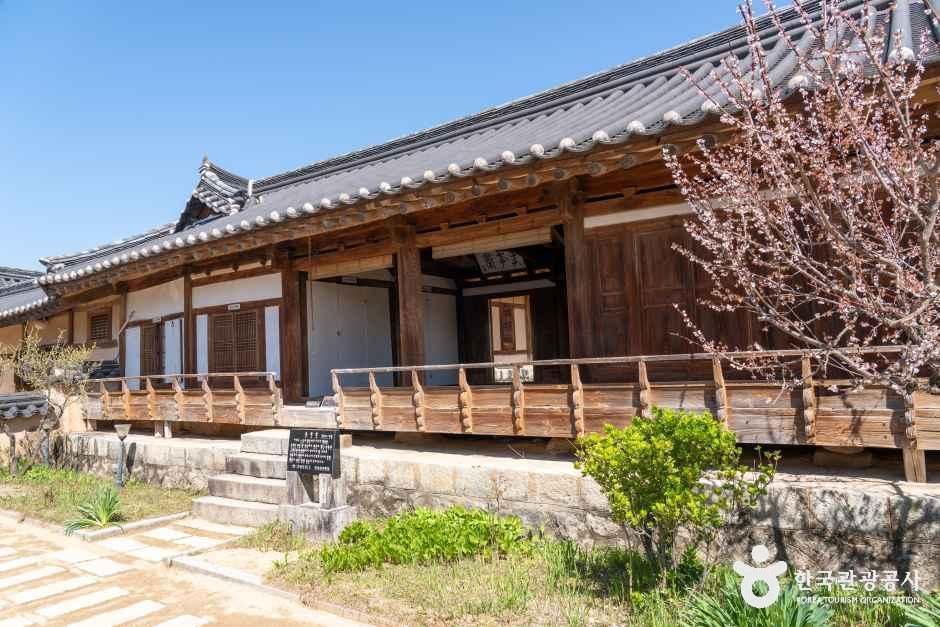
Andong Hahoe Folk Village (UNESCO)
안동 하회마을Andong Hahoe Folk Village (UNESCO), Andong, Gyeongbuk, South Korea
Andong Hahoe Folk Village is a living UNESCO World Heritage treasure where the Pungsan Ryu clan has resided for over 600 years, cradled by the sweeping S-curve of the Nakdong River, preserving auth...
Morning (around 09:30-10:00)
Details→
Byeongsan Seowon Confucian Academy
안동 병산서원Byeongsan Seowon Confucian Academy, Andong, Gyeongbuk, South Korea
Byeongsan Seowon is a UNESCO World Heritage masterpiece of Neo-Confucian academy architecture, world-renowned for its sublime Mandaeru Pavilion—a soaring seven-bay open wooden pavilion that frames ...
Morning (around 09:30-10:00)
Details→