Gyeongbuk•Gyeongju•Heritage•Ancient Relic Site
Seokguram Grotto (UNESCO)
석굴암
Powered by Korea Tourism OrganizationAddress: Seokguram Grotto (UNESCO), Gyeongju, Gyeongbuk, South Korea (경상북도 경주시 불국로 873-243 (진현동 석굴암))
Editorial review pending

Seokguram Grotto (UNESCO) representative scenic panoramaZoom


+1More
1 / 6
Seokguram Grotto (UNESCO) representative scenic panorama
Curator's Guide & Overview
Comprehensive Guide1. Historical Origins & Cultural Background
Seokguram Grotto, perched 565 meters above sea level on the eastern ridge of sacred Mount Tohamsan in Gyeongju, is the ultimate crowning jewel of ancient Korean Buddhist architecture and stone sculpture. Jointly inscribed with sister temple Bulguksa on the UNESCO World Heritage List in 1995, this 8th-century sanctuary was conceived in 751 AD during the golden age of the Unified Silla Dynasty by Prime Minister Kim Daeseong. Gazing eastward over the East Sea toward the underwater tomb of King Munmu, the grotto stands as an immortal monument to national protection, cosmic order, and sublime spiritual serenity.
2. Architectural Highlights & Key Structures
Constructed entirely from hundreds of precision-cut white granite blocks rather than carved into natural bedrock, Seokguram is an astonishing engineering marvel of antiquity. It consists of a rectangular antechamber, a narrow corridor, and a soaring circular rotunda capped by a monumental hemispherical dome assembled from 360 interlocking stone slabs without mortar. At the center sits National Treasure No. 24: the majestic 3.45-meter-tall seated Sakyamuni Buddha, carved in high relief with breathtaking geometric symmetry and peaceful grace. Surrounding the Buddha on the rotunda walls are 39 sacred guardian figures—including the Eleven-Headed Avalokitesvara, Ten Disciples, Bodhisattvas, and Four Heavenly Kings—carved with lifelike spiritual realism.
3. Four Seasons Landscape & Seasonal Visiting Charms
Seokguram inspires profound quietude in every season. Spring (April to May) brings fresh green beech canopies and blooming mountain azaleas along the tranquil forest path leading from the ticket gate to the grotto. Summer (June to August) offers cool mountain breezes and lush mist clinging to the ridges of Mount Tohamsan. Autumn (October to November) surrounds the mountain temple in a magnificent sea of scarlet, amber, and golden foliage. Winter covers the stone lanterns and tile-roofed pavilions in pure white snow, offering crystal-clear visibility out toward the shimmering East Sea. Early mornings are magical, especially when sunrise breaks over the distant sea horizon.
4. Operating Hours & Peak Viewing Times
The grotto is open daily year-round from 09:00 to 17:30 (March to September) and 09:00 to 17:00 (October to February). Ticketing and gate entry close 30 minutes prior to closing. The 1.2-kilometer flat forest walking trail from the ticket plaza to the grotto takes roughly 15 to 20 minutes of gentle walking. Arriving between 09:00 and 10:30 provides the most serene experience before tour groups arrive. To preserve the fragile granite and maintain strict temperature and humidity controls, the main rotunda is viewed through a protective glass partition from the antechamber.
5. Admission Fees & Concessions (Youth/Foreigner Discounts)
Following historic national reforms in May 2023, admission to Seokguram is completely FREE of charge for all visitors (previously 6,000 KRW). The parking lot at the mountain trailhead charges a nominal municipal parking fee of 2,000 KRW for standard passenger cars. Visitors can combine their ticket with free entry to Bulguksa Temple down the mountain. The iconic Tohamsan Bell of Unification near the entrance can be rung by visitors for a small charitable donation of 1,000 KRW.
6. Public Transit & Subway Exit Directions
From Seoul, take the KTX or SRT to Singyeongju Station (approx. 2 hours). From the station bus transfer plaza, board City Bus 700 directly to the Bulguksa bus stop (approx. 45 minutes). At Bulguksa, cross the street and board City Bus 12, which runs directly up the winding mountain highway of Mount Tohamsan to Seokguram parking plaza (approx. 20 minutes; departs hourly on the hour from 08:40 to 17:20). Alternatively, a taxi from Bulguksa takes 15 minutes (approx. 12,000 to 14,000 KRW). Dedicated hikers can climb the historic 2.2 km mountain trail through the pine forest connecting Bulguksa and Seokguram in about 50 minutes.
7. Barrier-Free Accessibility & Visitor Amenities
The 1.2-kilometer scenic approach from the parking plaza to the grotto is a well-compacted, unpaved crushed-stone path with very gentle grades, allowing good access for standard baby strollers and manual wheelchairs with assistance. Near the grotto, a flight of stone stairs leads up to the viewing pavilion; visitors with limited mobility can utilize the lower viewing platform. Complimentary wheelchairs are available at the entrance information booth. Accessible public restrooms are located at the main parking plaza and midway along the forest path.
8. Recommended Walking Route & Highlights Tour
Recommended 2-Hour Seokguram & Tohamsan Circuit: Arrive at the Tohamsan mountain parking plaza → Strike the monumental Bell of Unification for peace → Walk the shaded 1.2 km forest path admiring panoramic views of the Gyeongju valleys below → Wash your hands at the pure natural mountain spring water pavilion (Gamro-su) → Climb the stone steps to the Grotto Viewing Chamber → Quietly contemplate the Sakyamuni Buddha and the surrounding 39 relief carvings through the glass gallery → Descend to the temple prayer hall and light a lotus candle → Browse traditional Buddhist talismans at the gift shop → Walk the forest path back to the parking plaza → Catch Bus 12 down to Bulguksa.
9. Local Food Specialties & Regional Flavors
The foothill village surrounding Bulguksa and Gyeongju is renowned for wholesome Silla banquets. Indulge in Gyeongju Ssambap (a grand table spread featuring fresh organic lettuce, pumpkin leaves, and kelp wraps served with spicy grilled pork bulgogi, soybean paste stew, and over 20 side dishes). Relish warm Sundubu-jjigae (soft tofu stew simmered in earthenware pots in the nearby Bukgun-dong food village), Hanwoo Mulhoe (chilled spicy beef tartare broth), and classic Hwangnam-ppang (thin crust pastries densely packed with sweet domestic red bean paste, baked fresh since 1939).
10. Dietary Options (Vegetarian, Halal & Allergen Guide)
Vegetarians will find abundant authentic choices at the foot of Mount Tohamsan: traditional temple-style Ssambap includes tofu stews, braised burdock, wild mountain bracken, steamed greens, and acorn jelly without meat broths. The soft tofu village in Bukgun-dong serves pure white unseasoned tofu (Baek-sundubu) and soybean curd stews. Halal and pescatarian diners can comfortably enjoy raw fish mulhoe, grilled mackerel banchan, seafood soft tofu stews, and traditional Korean red bean pastries.
11. Signature Photo Spots & Golden Hour Lighting
Signature photo vantage points: the panoramic mountain outlook along the 1.2 km forest path overlooking morning clouds rising from the East Sea valleys; the vibrant multi-colored lotus lanterns hanging beneath the eaves of the grotto prayer pavilion; the bronze Bell of Unification pavilion framed by autumnal maples; and the tranquil granite stone lantern resting in the courtyard below the grotto entrance. Note: taking photographs inside the glass grotto viewing chamber is strictly prohibited to preserve the dignity of the sacred Buddha.
12. Visitor Etiquette & Cultural Property Regulations
Seokguram is a holy Buddhist sanctuary and a priceless national treasure. Visitors must maintain strict silence inside the grotto viewing corridor. Photography and video recording of the Buddha through the glass partition are strictly forbidden. Flash photography, tripods, and drones are outlawed throughout the complex. Please do not touch ancient stone relics, pagodas, or foundation stones. Mount Tohamsan is part of Gyeongju National Park; smoking and open flames are strictly forbidden.
13. Safety Precautions & 1330 Tourism Hotline Support
Wear comfortable walking sneakers with good grip, as the path involves compacted gravel and stone staircases. At an elevation of nearly 600 meters, Mount Tohamsan is typically 3 to 5 degrees Celsius cooler than downtown Gyeongju; carrying a light jacket, windbreaker, or warm scarf is advisable outside midsummer. Note the hourly departure schedule of Bus 12 so you don't face long waits between Seokguram and Bulguksa. For tourist inquiries and weather updates, contact the Seokguram Information Office at 054-746-9933 or call 1330.
14. Nearby Connected Attractions & Walking Links
Seokguram is historically and geographically inseparable from Bulguksa Temple (UNESCO), located just 7.5 kilometers down the mountain road. Other world-class Gyeongju treasures nearby include Gyeongju National Museum, Cheomseongdae Observatory and Donggung Palace & Wolji Pond (PLACE-GYEONGBUK-003), and the vibrant historic alleys of Hwangridan-gil (PLACE-GYEONGBUK-015).
15. Frequently Asked Questions (FAQ)
Q: Why is Seokguram enclosed behind glass? A: During the 1960s, moisture condensation and temperature fluctuations caused moss and calcium damage to the granite; the enclosed glass partition and advanced climate control system maintain a constant 16°C and optimal humidity to protect the 1,200-year-old Buddha for future generations. Q: Why does the Buddha face east? A: The Buddha gazes precisely east-southeast toward Daewangam (the underwater tomb of King Munmu in the East Sea), spiritually guarding the Silla kingdom against maritime invasions.
16. Regional Extended Day Trip Itinerary
Gyeongju UNESCO Ancient Silla Highlights Day Tour: Morning KTX to Singyeongju Station → City Bus 700 to Bulguksa Temple → Explore Bulguksa's Dabotap and Seokgatap pagodas → City Bus 12 up Mount Tohamsan to Seokguram Grotto → Walk the forest path and contemplate the white granite Sakyamuni Buddha → Return down the mountain for an organic Ssambap feast at Bulguksa village → Afternoon bus to Gyeongju historic district → Stroll Cheomseongdae and Daereungwon Royal Tomb Park → Evening twilight dinner and night illumination at Donggung Palace and Wolji Pond → Return via KTX Singyeongju Station.
Essential Visitor Facts
Operating Hours
Daily 09:00 - 17:30 (March to September); 09:00 - 17:00 (October to February); ticketing closes 30 minutes before closing; open year-round 365 days.
Admission / Price
FREE ADMISSION for all visitors following the historic 2023 national cultural heritage reform; Free entry to the mountain temple grounds and grotto viewing gallery; Parking fee: 2,000 KRW per standard car.
Closed Days
Closed on Mondays/Tuesdays
Best Time to Visit
Morning (around 09:30-10:00)
Transit & Access Directions
From KTX Singyeongju Station, take City Bus 700 directly to Bulguksa Temple (approx. 45 minutes), then transfer to City Bus 12 up Mount Tohamsan directly to Seokguram parking plaza (approx. 20 minutes, departs hourly on the hour).
Accessibility & Special Amenities
Wheelchair ramps, tactile paving, accessible restrooms
Location Coordinates
Latitude: 35.8378
Longitude: 129.3498
Discover Themes & Highlights
Key interest areas and cultural highlights:
#seokguram-grotto#VisitGyeongbuk#KoreaTravelAtlas
Community Traveler Reviews0 Reviews
Visitor tips, feedback, and questions submitted by real travelers.
No community reviews submitted yet. Be the first traveler to share your experience!
Practical Guides: Gyeongju
Gyeongju
Gyeongju with Kids: Planning Expo Park, Gyeongju World and Bomun Lake
A practical plan for families visiting Gyeongju's eastern attractions: Expo Park and Gyeongju Tower, Gyeongju World theme park and Bomun Lake, with transport and pacing advice.
Gyeongju
Gyeongju Day Trip from Busan: Transport, Route and Timing Plan
How to plan a one-day Gyeongju trip from Busan by KTX or express bus, with a route covering Bulguksa, Daereungwon, Hwangnidan-gil, Donggung and Wolji, plus return-trip buffers.
Gyeongju
Gyeongju After Dark: Donggung, Wolji and Cheomseongdae Lights
How to plan an evening in Gyeongju around the lit Donggung and Wolji pavilions, Cheomseongdae, Daereungwon and the cafes of Hwangnidan-gil.
Connected Cultural Destinations
Handpicked nearby attractions and regional cultural highlights.

Gyeongbokgung Palace
경복궁Gyeongbokgung Palace, Seoul, South Korea
Gyeongbokgung Palace is the grandest royal palace of the Joseon Dynasty, established in 1395 in northern Seoul. Framed by Mount Baegaksan, its majestic grounds encompass Geunjeongjeon Throne Hall, ...
HalalMorning (around 09:30-10:00)
Details→
Jirisan Gurye Hwaeomsa Temple
구례 화엄사Jirisan Gurye Hwaeomsa Temple, Gurye, Jeonnam, South Korea
Jirisan Gurye Hwaeomsa is a monumental thousand-year-old Buddhist sanctuary on Mount Jirisan, revered for its peerless concentration of National Treasures—including the colossal two-story Gakhwangj...
Morning (around 09:30-10:00)
Details→
Cheomseongdae Observatory & Donggung Palace
경주 첨성대 및 동궁과 월지Cheomseongdae Observatory & Donggung Palace, Gyeongju, Gyeongbuk, South Korea
Cheomseongdae and Donggung Palace with Wolji Pond form the royal heart of ancient Silla in Gyeongju, combining the oldest surviving astronomical observatory in East Asia with a glittering 7th-centu...
Morning (around 09:30-10:00)
Details→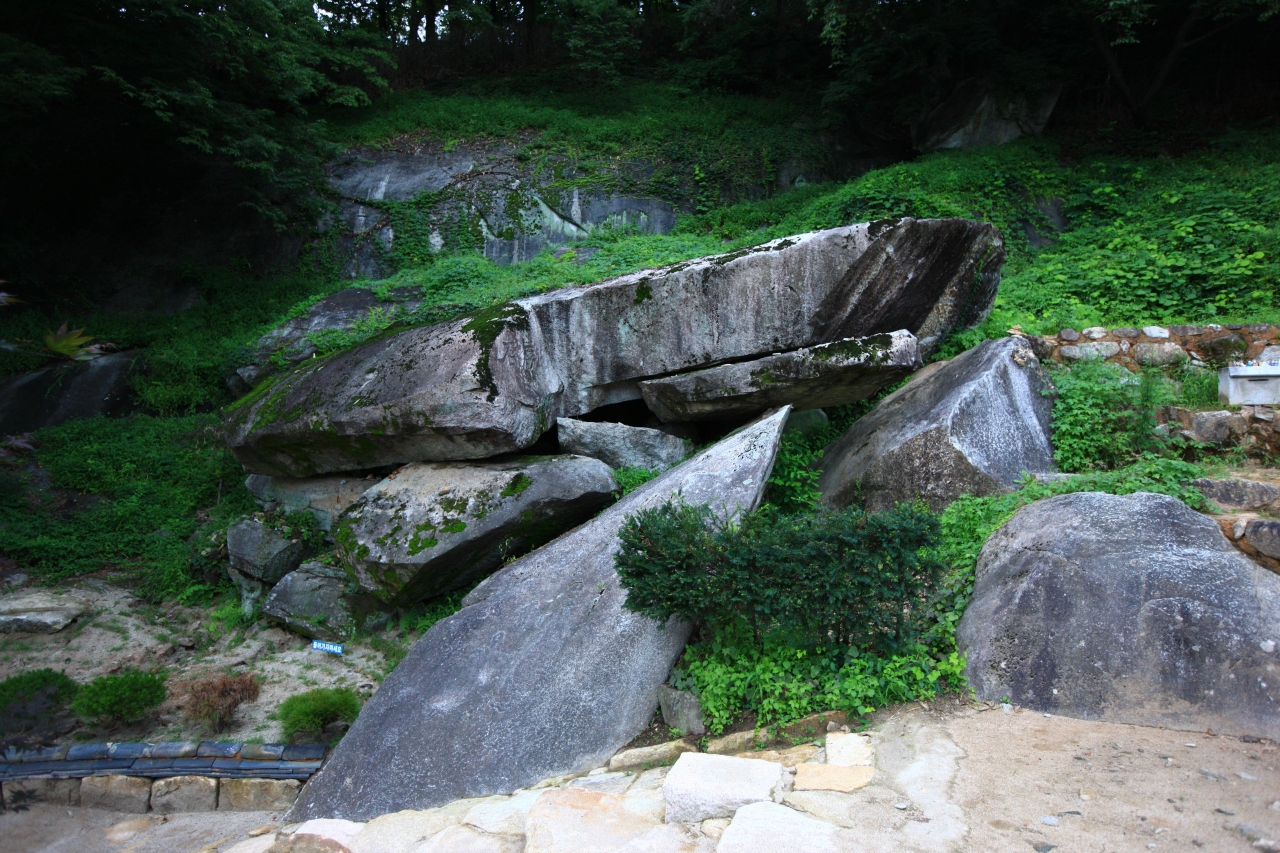
Yeongju Buseoksa Temple (UNESCO)
영주 부석사 (무량수전)Yeongju Buseoksa Temple (UNESCO), Yeongju, Gyeongbuk, South Korea
Yeongju Buseoksa Temple is a legendary UNESCO World Heritage mountain sanctuary on the slopes of Mount Bonghwangsan, world-renowned for Muryangsujeon (Hall of Infinite Life)—one of South Korea’s ol...
Morning (around 09:30-10:00)
Details→