Seoul•Heritage•Royal Palace
Gyeongbokgung Palace
경복궁
Powered by Korea Tourism OrganizationAddress: Gyeongbokgung Palace, Seoul, South Korea (대한민국 Seoul 경복궁)
Verified: 2026. 9. 4.

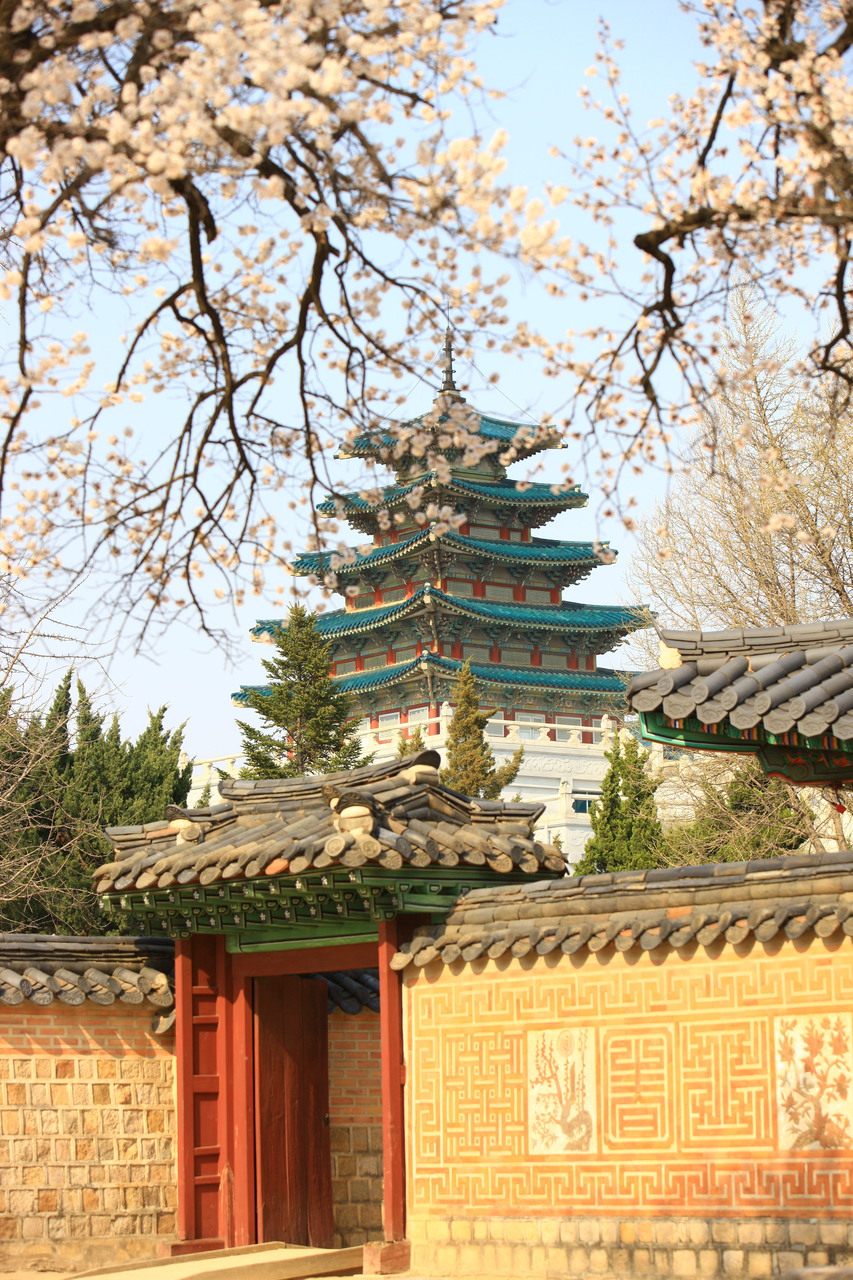
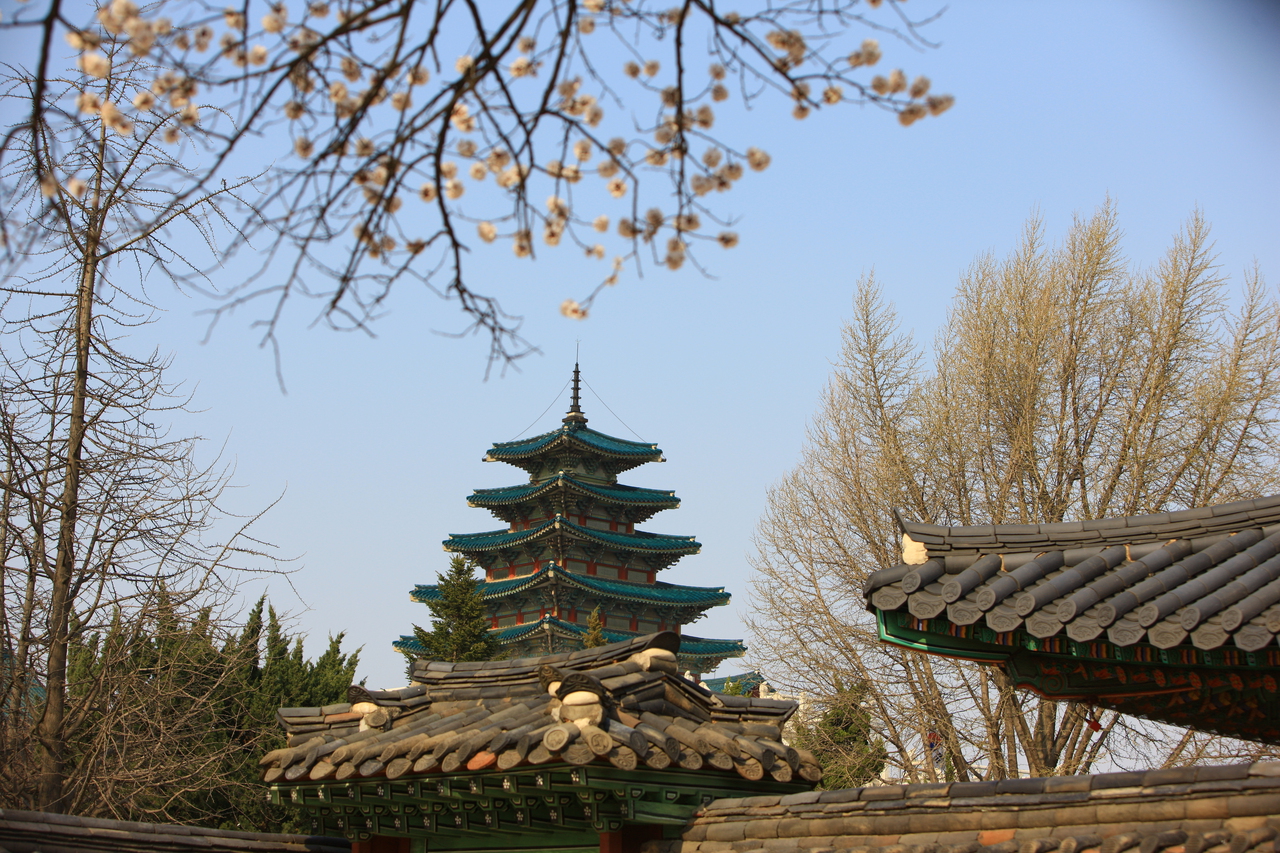
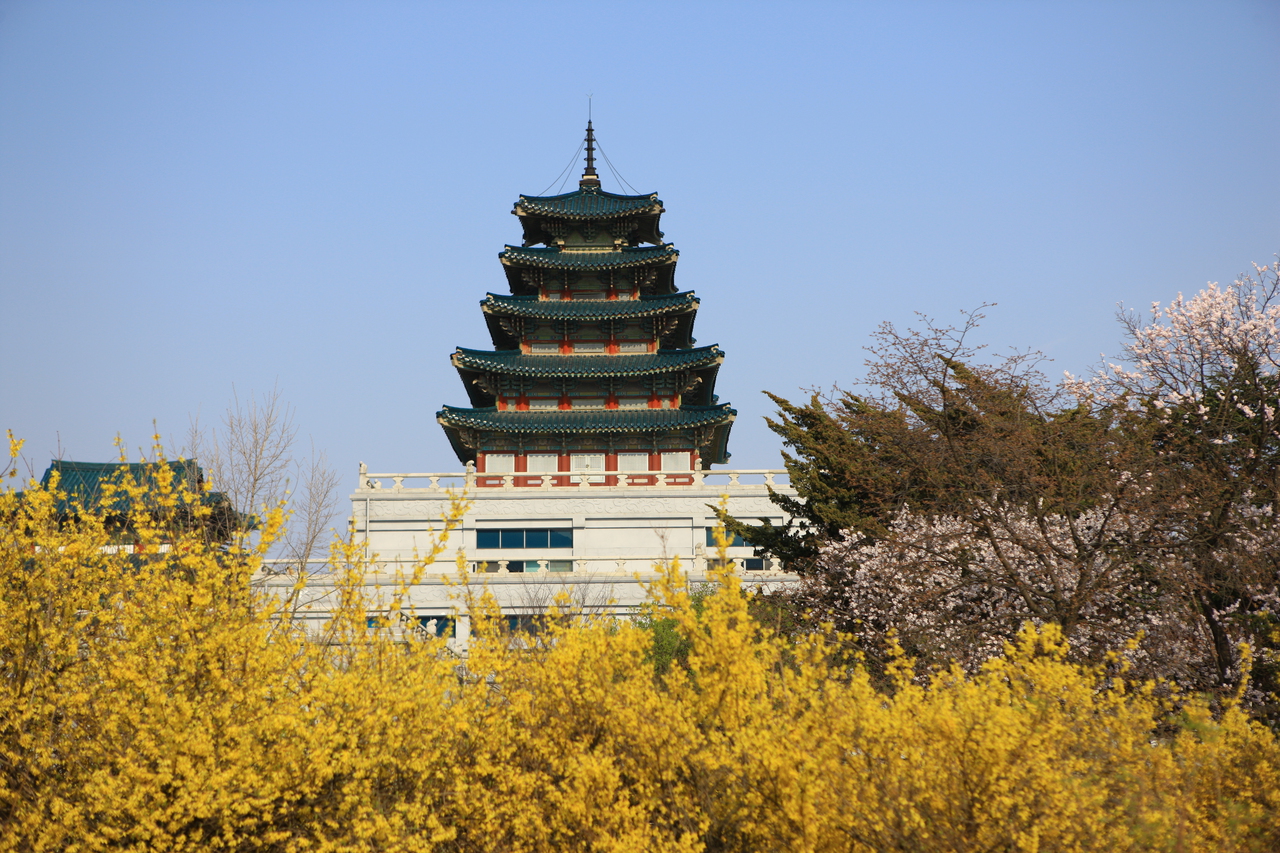
Gyeongbokgung Palace representative scenic panoramaZoom

+1More
1 / 6
Gyeongbokgung Palace representative scenic panorama
Curator's Guide & Overview
Comprehensive Guide1. Royal Joseon Throne Heritage & Geomantic Origins
Gyeongbokgung Palace, meaning 'Palace Greatly Blessed by Heaven', was founded in 1395 as the primary royal residence of the Joseon Dynasty by King Taejo. Backed by the granite peaks of Mount Baegaksan and facing south towards the Han River, its monumental layout embodied the geomantic and Neo-Confucian governance philosophy of the newly established Korean kingdom.
2. Geunjeongjeon Throne Room, Gyeonghoeru & Royal Pavilions
Signature architectural treasures include Geunjeongjeon Main Throne Hall (National Treasure No. 223) with stone rank markers and a vaulted dragon ceiling, and Gyeonghoeru Royal Banquet Pavilion (National Treasure No. 224) standing gracefully on stone pillars above a lotus pond.
3. Weeping Cherries in Spring & Golden Ginkgo Canopies in Autumn
Spring in April brings weeping cherry blossoms to Gyeonghoeru pond. Late October illuminates Hyangwonjeong pond with golden ginkgos and crimson maples. Summer nights feature illuminated twilight tours, while winter dusts snow across curved tiled eaves.
4. Palace Viewing Seasons & Twilight Illumination Hours
Operating hours are 09:00 - 18:00 (March-May, September-October), 09:00 - 18:30 (June-August), and 09:00 - 17:00 (November-February). Ticket sales close one hour prior to closing. Closed every Tuesday.
5. Palace Admission Fees, Free Hanbok Entry & Discount Concessions
Standard adult admission (ages 19-64) is 3,000 KRW, while youth (ages 7-18) pay 1,500 KRW. Children aged 6 and under, seniors aged 65 and older, and visitors wearing full traditional Hanbok enter completely free of charge throughout regular opening hours. The Royal Palaces Pass (10,000 KRW, valid 3 months) grants entry to Gyeongbokgung, Changdeokgung, Changgyeonggung, Deoksugung, and Jongmyo Shrine.
6. Gyeongbokgung Station Underground Access & Gate Walkways
Seoul Subway Line 3 Gyeongbokgung Station Exit 5 provides a direct underground walkway into the outer courtyard. Alternatively, walk 5 minutes north from Line 5 Gwanghwamun Station Exit 2 across Gwanghwamun Square.
7. Flagstone Barrier-Free Ramps & Wheelchair Service Desks
Wide step-free wooden and stone ramps are installed at Gwanghwamun, Heungnyemun, and Geunjeongjeon. Flat courtyard flagstones connect main pavilions. Free manual wheelchairs and strollers are available at the main gate bureau.
8. Sovereign Court Itinerary: Gwanghwamun to Amisan Garden
Express Route (60m): Gwanghwamun Gate -> Heungnyemun 10:00 Guard ceremony -> Geunjeongjeon -> Gyeonghoeru. Comprehensive Route (150m): Geunjeongjeon -> Sajeongjeon council -> Gyotaejeon Queen chamber -> Amisan terraced chimney garden -> Hyangwonjeong -> Folk Museum.
9. Seochon Village Samgyetang & Bukchon Broth Delicacies
Savor Tosokchon Samgyetang (legendary rich ginseng chicken soup in Seochon), Hwangsaengga Kalguksu (Michelin Bib Gourmand beef bone noodle soup near Bukchon), and Samcheong-dong Sujebi hand-torn potato dough soup.
10. Buddhist Temple Vegan Feasts & Vegetarian Broths
Balwoo Gongyang near Jogyesa Temple serves Michelin-starred authentic Buddhist temple vegan multi-course cuisine. In Seochon and Bukchon, multiple cafes offer fresh vegetable bibimbap and soybean broths.
11. Archway Framing & Lotus Pavilion Golden Hour Reflections
Best photography spots: framing Geunjeongjeon Throne Hall through the grand arch of Heungnyemun Gate at 09:15, and late afternoon golden hour water reflections of Gyeonghoeru Pavilion across the lotus pond.
12. Monumental Preservation Rules & Airspace Drone Prohibitions
Climbing balustrades or touching wooden pillar carvings is strictly prohibited. Commercial filming and recreational drones are completely barred due to central Seoul VIP military airspace restrictions.
13. Heungnyemun First Aid Posts & 1330 Emergency Support
The Palace Medical First Aid Station is located inside the Heungnyemun Information Center, equipped with AED defibrillators. Gangbuk Samsung Hospital is 1.5km southwest. Dial 1330 for multilingual emergency translation.
14. Modern Art Museums, Blue House & Bukchon Alley Neighbors
Adjacent attractions: National Museum of Modern and Contemporary Art (MMCA Seoul, 300m east), historic Cheong Wa Dae (Blue House, 400m north), and Bukchon Hanok Village (700m east).
15. Guard Changing Schedule & Hanbok Rental Queries
The Changing of the Royal Guard Ceremony is held at 10:00 and 14:00 daily (except Tuesdays) in the outer Gwanghwamun courtyard. Over 20 rental shops operate outside Exits 2-4 offering rentals from 15,000 KRW.
16. Joseon Sovereign Axis: Changdeokgung & Insa-dong Stroll
Combine your morning visit at Gyeongbokgung with an afternoon stroll east through Bukchon Hanok Village to Changdeokgung Palace and Huwon Secret Garden, concluding with traditional tea in Insa-dong.
Essential Visitor Facts
Operating Hours
09:00 - 18:00 (Mar-May, Sep-Oct) / 09:00 - 18:30 (Jun-Aug) / 09:00 - 17:00 (Nov-Feb, Closed Tuesdays)
Admission / Price
Adults (25-64) 3,000 KRW; Korean Youth (19-24) Free with ID; Children (<=18) & Seniors (65+) Free; Hanbok wearers Free
Closed Days
Closed on Tuesdays (Open if a public holiday falls on Tuesday)
Best Time to Visit
Morning (around 09:30-10:00)
Transit & Access Directions
Subway Line 3 Gyeongbokgung Station Exit 5 (5-min walk) / Line 5 Gwanghwamun Station Exit 2 (10-min walk)
Accessibility & Special Amenities
Free wheelchair rental at ticket office, barrier-free ramps along main courtyards, accessible restrooms
✓ Halal Options Nearby
Location Coordinates
Latitude: 37.5796
Longitude: 126.9770
Discover Themes & Highlights
Key interest areas and cultural highlights:
#gyeongbokgung-palace#VisitSeoul#KoreaTravelAtlas
Community Traveler Reviews0 Reviews
Visitor tips, feedback, and questions submitted by real travelers.
No community reviews submitted yet. Be the first traveler to share your experience!
Practical Guides: Seoul
Seoul
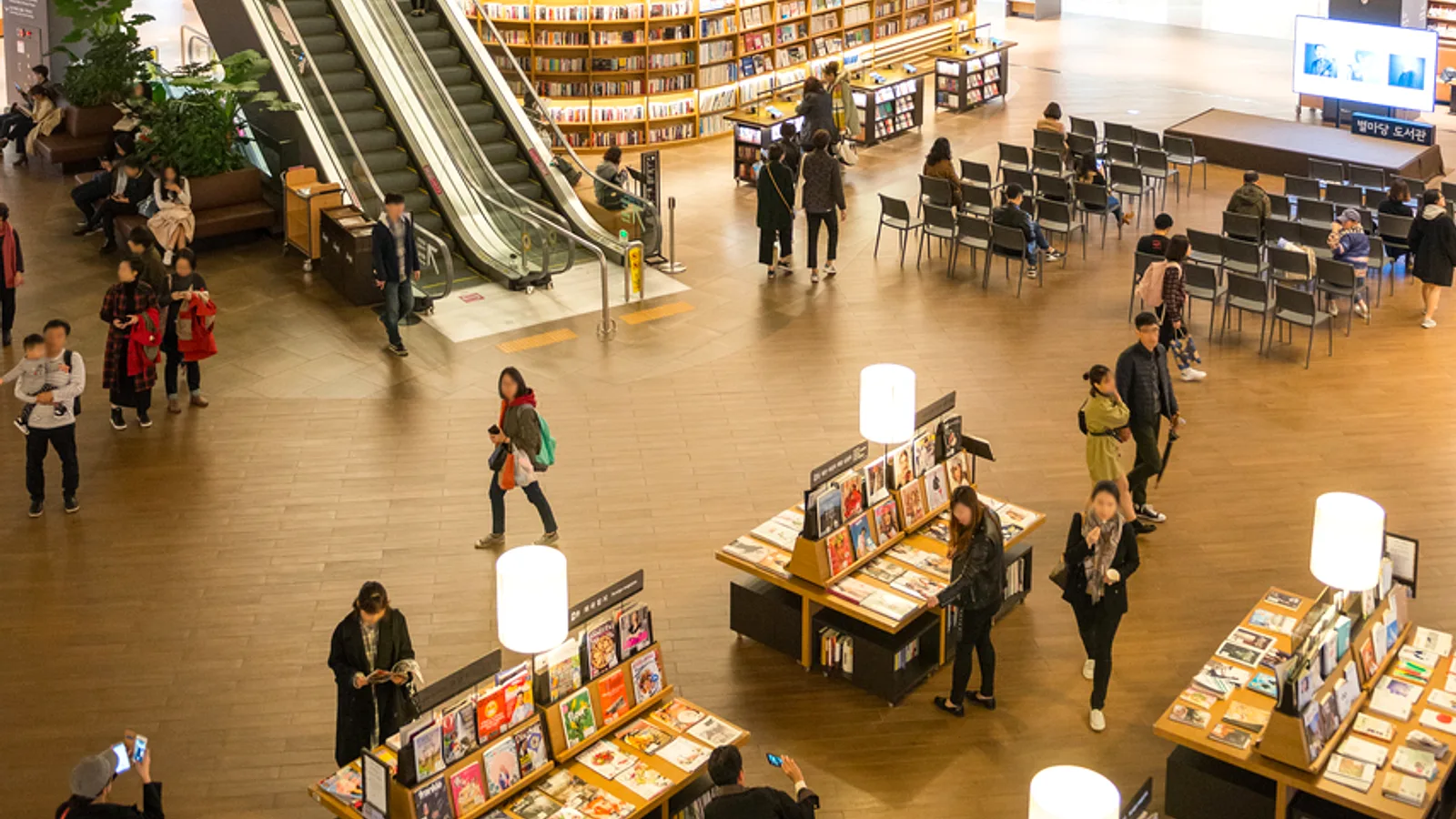
Starfield Library and COEX Mall: A Practical Guide to Seoul's Gangnam Landmark
How to visit Starfield Library inside COEX Mall in Samseong-dong, plus the aquarium, shops and nearby Bongeunsa Temple, with planning advice for first-time visitors.
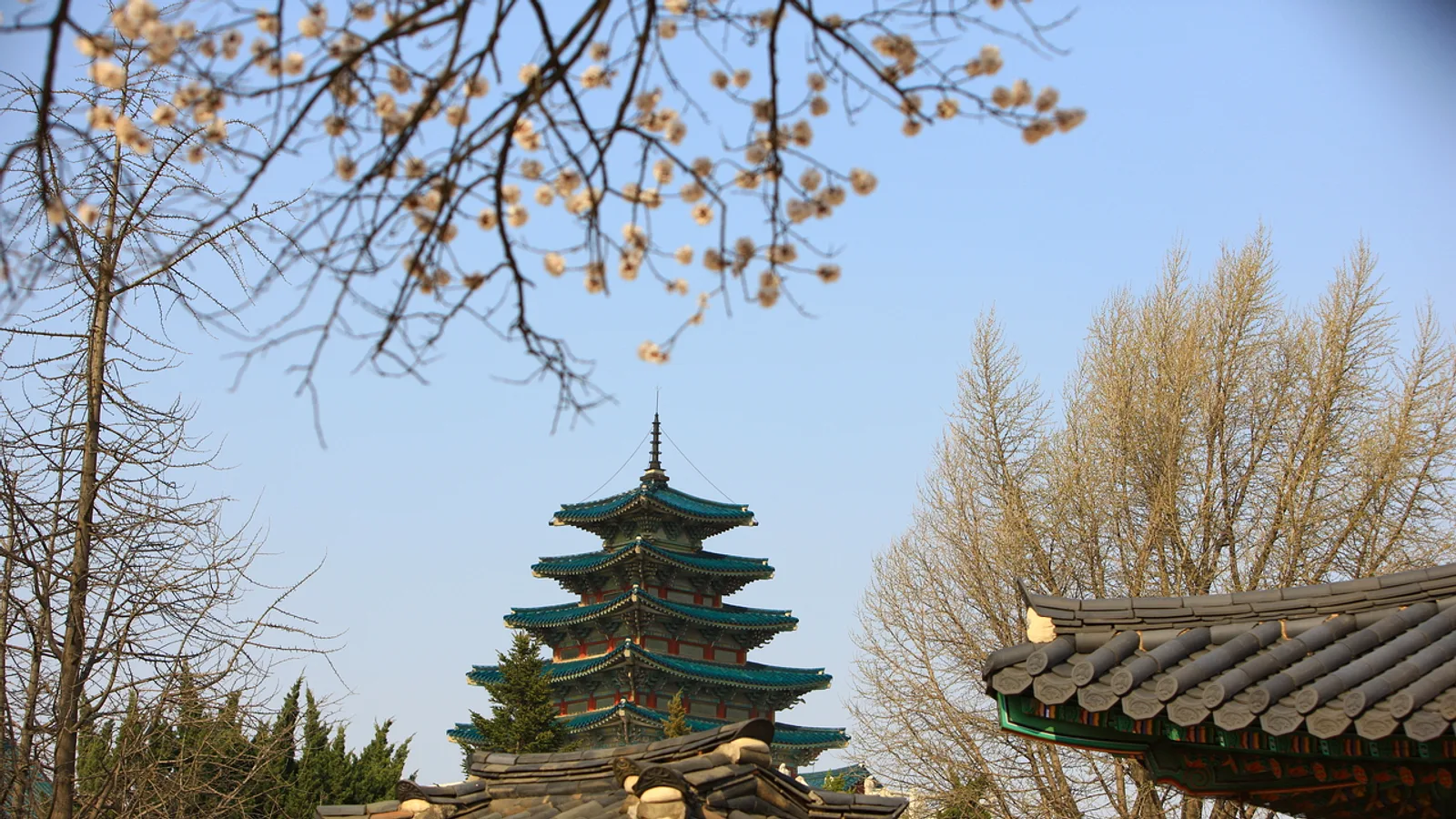
Seoul
Seoul to Busan and Gyeongju by KTX: Booking, Stations and Luggage Tips
How to take the KTX from Seoul to Busan and to Gyeongju via Singyeongju, with advice on Korail reservations, SRT from Suseo, and storing luggage.
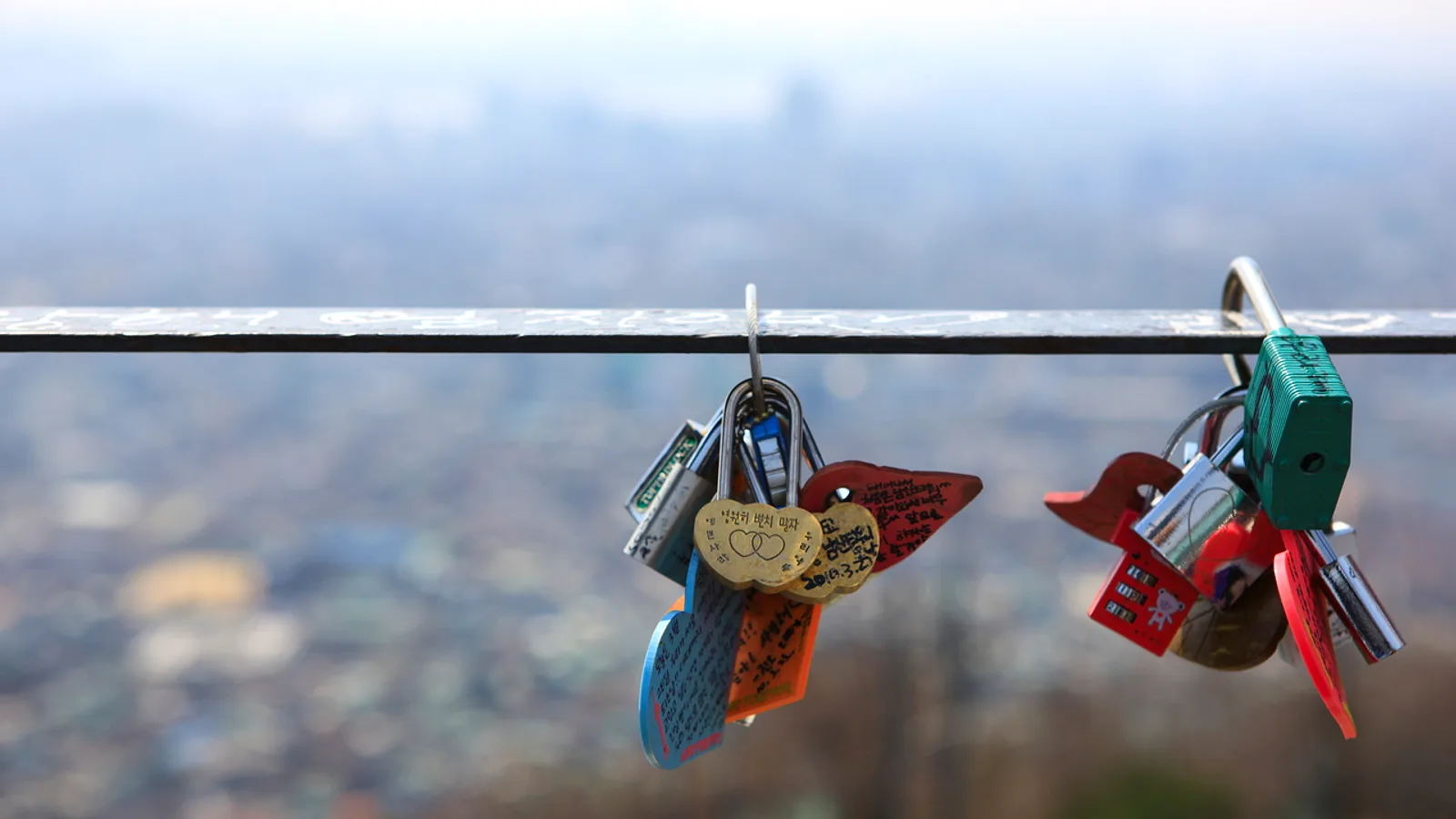
Seoul
N Seoul Tower and Namsan: Walking Routes, Cable Car and Sunset Views
How to reach N Seoul Tower on foot from Myeongdong or Chungmuro, when the cable car makes sense, and how to plan a sunset visit to Namsan.
Connected Cultural Destinations
Handpicked nearby attractions and regional cultural highlights.
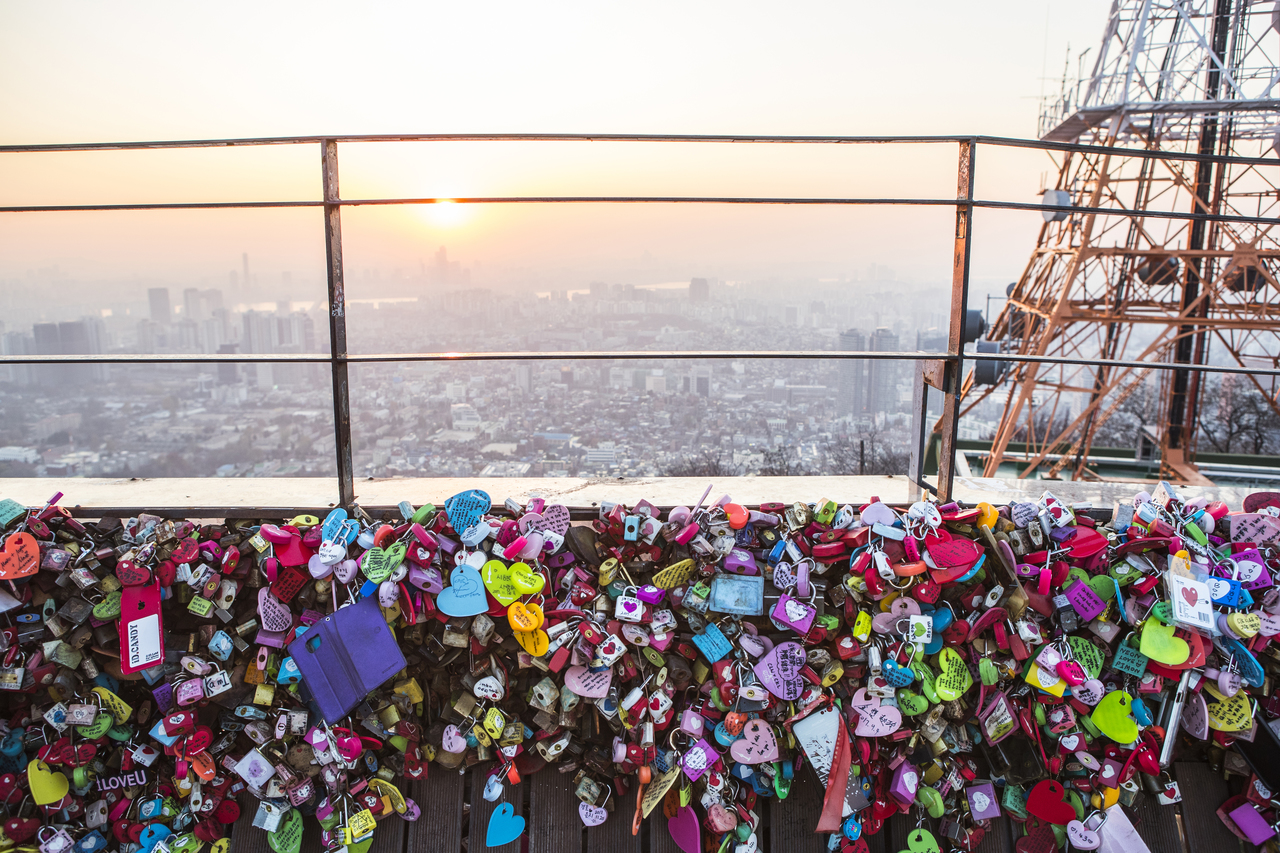
N Seoul Tower (Namsan)
N서울타워N Seoul Tower (Namsan), Seoul, South Korea
N Seoul Tower rises 479 meters above sea level atop Mount Namsan, serving as an iconic metropolitan transmission tower and observation landmark since 1980. The tower offers uninterrupted 360-degree...
HalalMorning (around 09:30-10:00)
Details→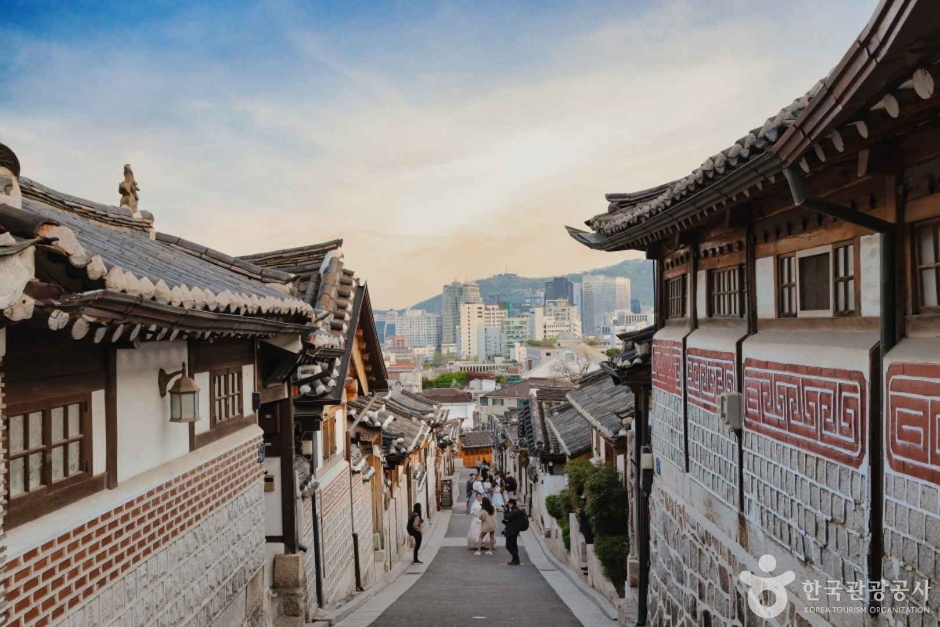
Bukchon Hanok Village
북촌한옥마을Bukchon Hanok Village, Seoul, South Korea
Bukchon Hanok Village is a preserved historic residential neighborhood nestled between Gyeongbokgung and Changdeokgung palaces. Preserving over 600 years of Seoul urban history, Bukchon features hu...
HalalMorning (around 09:30-10:00)
Details→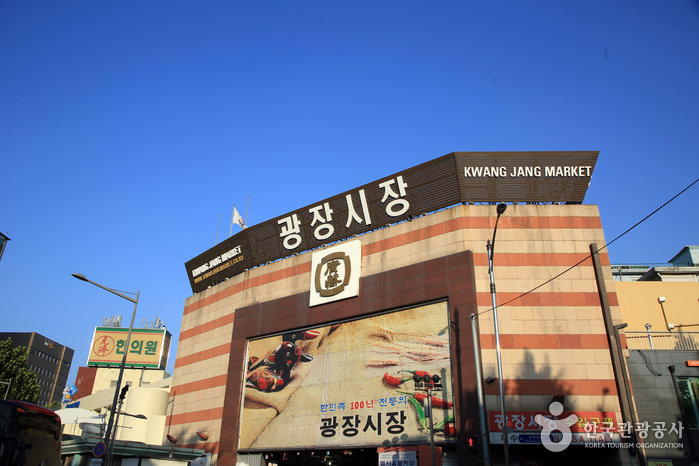
Gwangjang Market
광장시장Gwangjang Market, Seoul, South Korea
Gwangjang Market is South Korea’s oldest continuously operating permanent traditional market, founded in 1905 in the heart of Jongno. Renowned worldwide for its bustling food alleys, the market ser...
HalalMorning (around 09:30-10:00)
Details→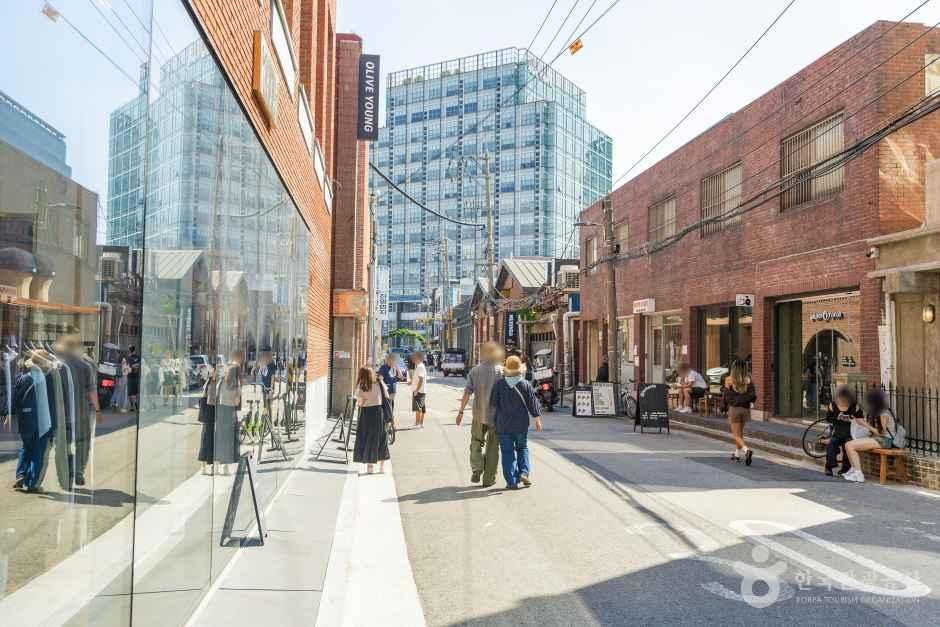
Seongsu-dong Cafe Street
성수동 카페거리Seongsu-dong 2-ga, Seongdong-gu, Seoul
Seongsu-dong Cafe Street, dubbed Seoul's Brooklyn, is a vibrant urban renewal district where 1970s red-brick shoe factories and industrial printing warehouses have been reimagined into avant-garde ...
HalalMorning (around 09:30-10:00)
Details→