Seoul•Cafe•Cafe Street
Seongsu-dong Cafe Street
성수동 카페거리
Powered by Korea Tourism OrganizationAddress: Seongsu-dong 2-ga, Seongdong-gu, Seoul (서울특별시 성동구 성수동2가 일대)
Editorial review pending
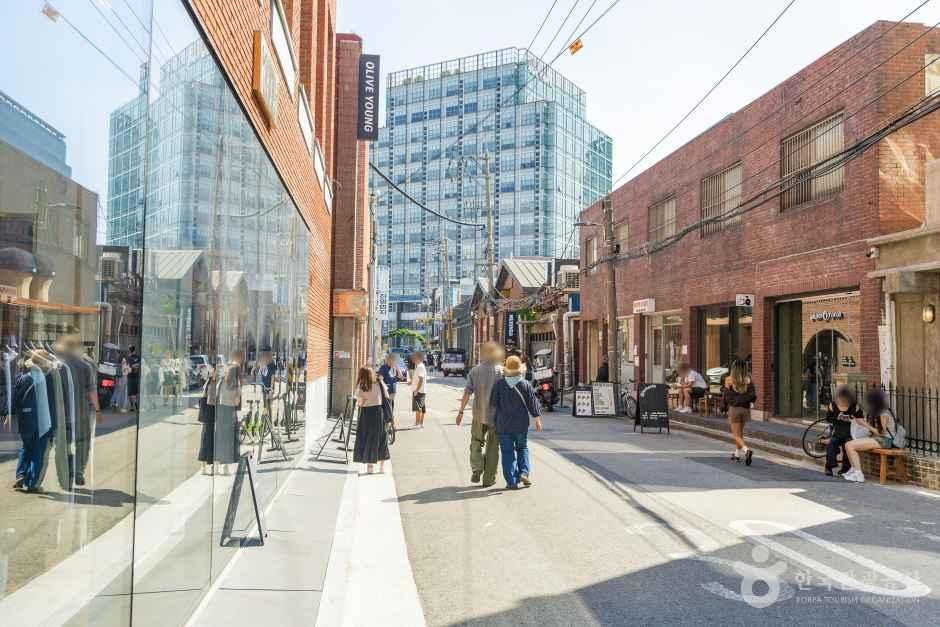
Seongsu-dong Cafe Street representative scenic panorama


1 / 3
Seongsu-dong Cafe Street representative scenic panorama
Curator's Guide & Overview
Comprehensive Guide1. Historical Origins & Cultural Background
Seongsu-dong flourished from the 1960s as a central light-industrial hub on the north bank of the Han River, housing shoe manufacturing workshops, leather tanneries, and precision print shops. Starting in the 2010s, urban regeneration initiatives revitalized disused red-brick warehouses and factory sheds into multidisciplinary creative centers, attracting independent coffee roasters, artists, and designers, establishing Seongsu as Seoul's visionary "Brooklyn."
2. Architectural Highlights & Key Structures
The area's architectural charm lies in its raw industrial aesthetic, featuring exposed reinforced concrete beams, aged crimson brick facades, and weathered steel trusses. Notable landmarks include 'Daelim Changgo', a 1970s former rice mill transformed into a cavernous art gallery and cafe, 'Seongsu Yeonbang', an eco-lifestyle hub occupying a former chemical production plant, and 'LCDC SEOUL', an upscale lifestyle curation space built within an old print house.
3. Four Seasons Landscape & Seasonal Visiting Charms
During spring, visitors can enjoy outdoor courtyard terraces connected seamlessly to blooming cherry blossom corridors in adjacent Seoul Forest. Summer offers climate-controlled shelter within expansive warehouse spaces paired with refreshing single-origin cold brews. Autumn blankets the streets in golden ginkgo foliage, while winter brings enchanting fairy-light installations and festive pop-up exhibitions against red-brick backdrops.
4. Operating Hours & Peak Viewing Times
The public street grid remains accessible 24 hours daily, while specialty cafes, design boutiques, and flagship showrooms generally operate from 11:00 to 21:00 or 22:00. Weekends draw large domestic and international crowds resulting in queuing; for an unhurried cultural stroll and pristine photography opportunities, visit on weekday afternoons between 13:00 and 16:00.
5. Admission Fees & Concessions (Youth/Foreigner Discounts)
Walking through the Seongsu street network is free of charge. Food, beverages, and retail items are priced individually. Major brand pop-up stores are generally free to enter via mobile registration or on-site waiting apps. Several leathercraft artisan studios along the Handcrafted Shoe Street offer discounted one-day workshop passes for international visitors and youth.
6. Public Transit & Subway Exit Directions
Take Seoul Subway Line 2 to Seongsu Station and leave via Exit 3 or Exit 4; walk straight along Yeonmujang-gil for 3 to 5 minutes to arrive at the heart of the cafe street. Alternatively, take the Suin-Bundang Line to Seoul Forest Station (Exit 4 or 5) and stroll 10 minutes through the Atelier Street into Seongsu.
7. Barrier-Free Accessibility & Visitor Amenities
The neighborhood sits on flat lowland terrain, offering smooth mobility for wheelchair users and baby strollers. While some converted older brick buildings feature raised thresholds, major cultural complexes like Daelim Changgo and Seongsu Yeonbang provide step-free ramp access, wide entrance corridors, and accessible restrooms. Seongsu Station features functional wheelchair elevators and braille tactile paving.
8. Recommended Walking Route & Highlights Tour
Begin at Seongsu Station Exit 3 → Explore Daelim Changgo Gallery Cafe → Browse fashion flagships along Yeonmujang-gil → Visit the courtyard and Thingool Market at Seongsu Yeonbang → Discover handmade leathercraft ateliers → Conclude with a nature walk through Seoul Forest Park (approx. 3 to 4 hours).
9. Local Food Specialties & Regional Flavors
Indulge in hearty pork backbone stew at 'Somunnan Seongsu Gamjatang', renowned for over 30 years of rich broth; sample freshly baked sea salt butter rolls at 'Jayeondo Salt Bread'; or savor authentic Neapolitan wood-fired pizzas at 'Darobe', frequently celebrated by Seoul culinary connoisseurs.
10. Dietary Options (Vegetarian, Halal & Allergen Guide)
Numerous specialty cafes offer organic oat milk and soy substitutions alongside vegan gluten-free baked goods. Around Seoul Forest, multiple plant-based eateries serve vegan burgers and nutrient-rich salad bowls, while casual dining bistros along Yeonmujang-gil provide vegetarian pasta and seafood selections suitable for Muslim travelers.
11. Signature Photo Spots & Golden Hour Lighting
Iconic photo opportunities await at the towering red-brick facade of Daelim Changgo, the iron spiral staircases and courtyard glass pavilion of Seongsu Yeonbang, and the vivid street art murals along Yeonmujang-gil. Golden hour, approximately 60 minutes before sunset, casts dramatic low-angle sunlight across the industrial brickwork, creating cinematic portrait conditions.
12. Visitor Etiquette & Cultural Property Regulations
Seongsu-dong is an authentic mixed-use zone where residential homes, active manufacturing shops, and boutique retail coexist. Visitors should keep noise to a minimum near residential alleys, avoid blocking active freight entrances, and watch for delivery motorcycle traffic. Commercial video and photo shoots require prior approval from property owners.
13. Safety Precautions & 1330 Tourism Hotline Support
Be cautious of passing motor scooters and delivery vans in narrow alleys lacking distinct sidewalks. For emergencies, the Seongsu Police Substation (02-463-0112) is located nearby. For multi-language interpretation, lost property assistance, and navigation help, dial the Korea Tourism Organization's 24/7 hotline at 1330 (free English, Japanese, and Chinese support).
14. Nearby Connected Attractions & Walking Links
Seoul Forest Park is a 10-minute walk west, offering a deer corral, butterfly greenhouse, and vast grassy lawns. Continuing south over the pedestrian footbridge brings you directly to Ttukseom Hangang River Park, popular for windsurfing, riverside cycling, and open-air convenience store ramen picnics.
15. Frequently Asked Questions (FAQ)
- Q: Where is the best place to park nearby?
A: Private cafe parking is very scarce. Utilize public parking facilities such as the Seongsu 2-ga 1-dong Public Parking Lot or the Ttukseom Reservoir Public Parking Lot.
- Q: Do pop-up stores require advance reservations?
A: While many accommodate walk-ins via tablet waiting lists, high-demand luxury and anime pop-ups prioritize online pre-bookings. Check their official Instagram channels beforehand.
16. Regional Extended Day Trip Itinerary
Morning: Specialty coffee and design pop-up exploration in Seongsu-dong → Lunch: Traditional gamjatang or artisanal wood-fired pizza → Afternoon: Leisurely stroll through Seoul Forest → Evening: Han River sunset views and riverside dining at Ttukseom Hangang Park.
Essential Visitor Facts
Operating Hours
11:00 - 22:00 (Hours vary by individual cafes/popup stores; Streets open 24/7)
Admission / Price
Free Public Entry (Cafe menus & pop-up merchandise priced individually)
Closed Days
Open 365 Days (Individual flagship stores/cafes may close on Mondays)
Best Time to Visit
Morning (around 09:30-10:00)
Transit & Access Directions
Seoul Metro Line 2, Seongsu Station, Exit 3 or 4 (3 min walk)
Accessibility & Special Amenities
Paved flat streets with step-free access to major flagship stores; accessible restrooms inside metro station.
✓ Halal Options Nearby
Location Coordinates
Latitude: 37.5445
Longitude: 127.0560
Discover Themes & Highlights
Key interest areas and cultural highlights:
#seongsu-dong-cafe-street#VisitSeoul#KoreaTravelAtlas
Community Traveler Reviews0 Reviews
Visitor tips, feedback, and questions submitted by real travelers.
No community reviews submitted yet. Be the first traveler to share your experience!
Practical Guides: Seoul
Seoul
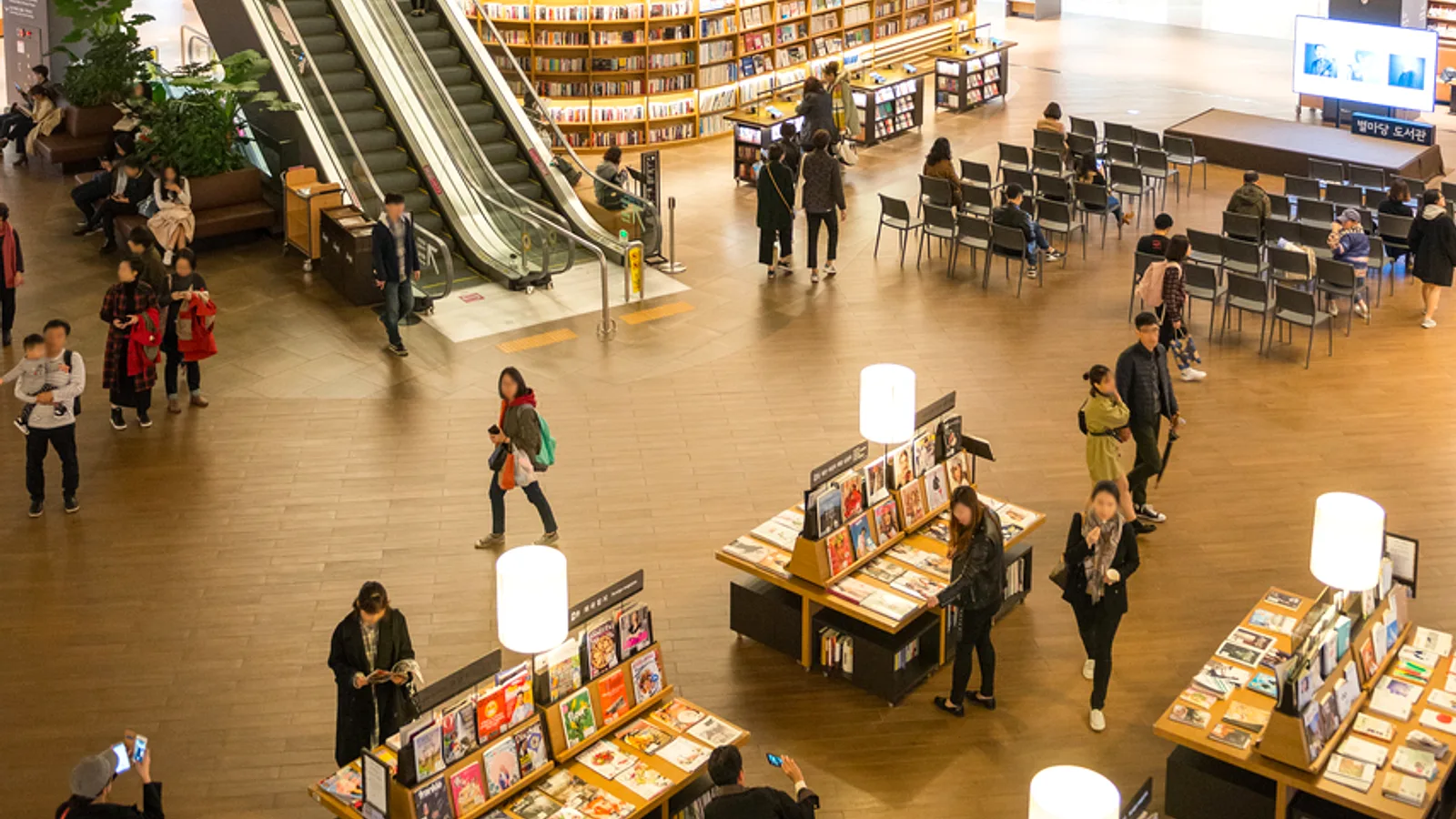
Starfield Library and COEX Mall: A Practical Guide to Seoul's Gangnam Landmark
How to visit Starfield Library inside COEX Mall in Samseong-dong, plus the aquarium, shops and nearby Bongeunsa Temple, with planning advice for first-time visitors.
Seoul
Seoul to Busan and Gyeongju by KTX: Booking, Stations and Luggage Tips
How to take the KTX from Seoul to Busan and to Gyeongju via Singyeongju, with advice on Korail reservations, SRT from Suseo, and storing luggage.
Seoul
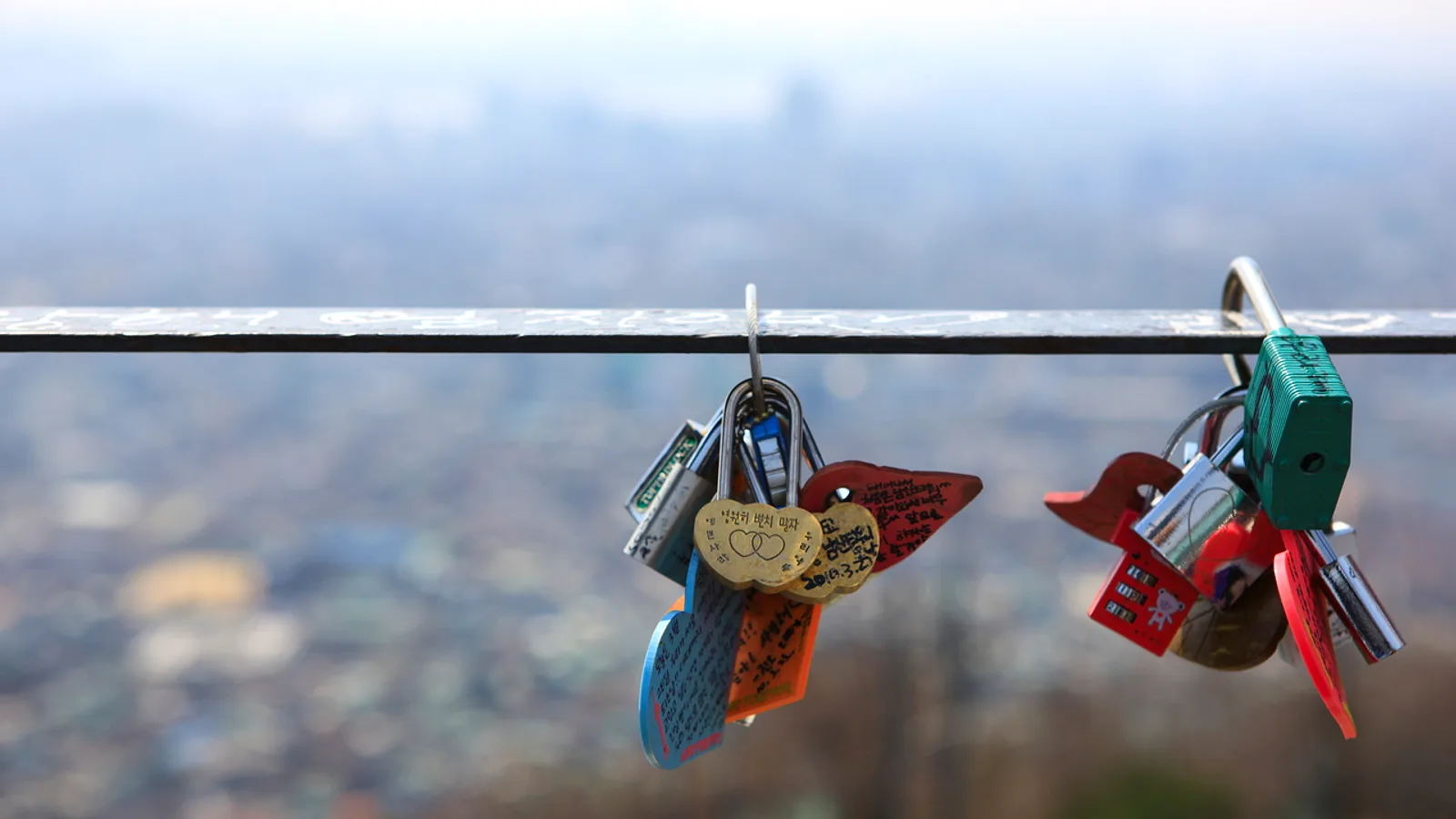
N Seoul Tower and Namsan: Walking Routes, Cable Car and Sunset Views
How to reach N Seoul Tower on foot from Myeongdong or Chungmuro, when the cable car makes sense, and how to plan a sunset visit to Namsan.
Connected Cultural Destinations
Handpicked nearby attractions and regional cultural highlights.

Gyeongbokgung Palace
경복궁Gyeongbokgung Palace, Seoul, South Korea
Gyeongbokgung Palace is the grandest royal palace of the Joseon Dynasty, established in 1395 in northern Seoul. Framed by Mount Baegaksan, its majestic grounds encompass Geunjeongjeon Throne Hall, ...
HalalMorning (around 09:30-10:00)
Details→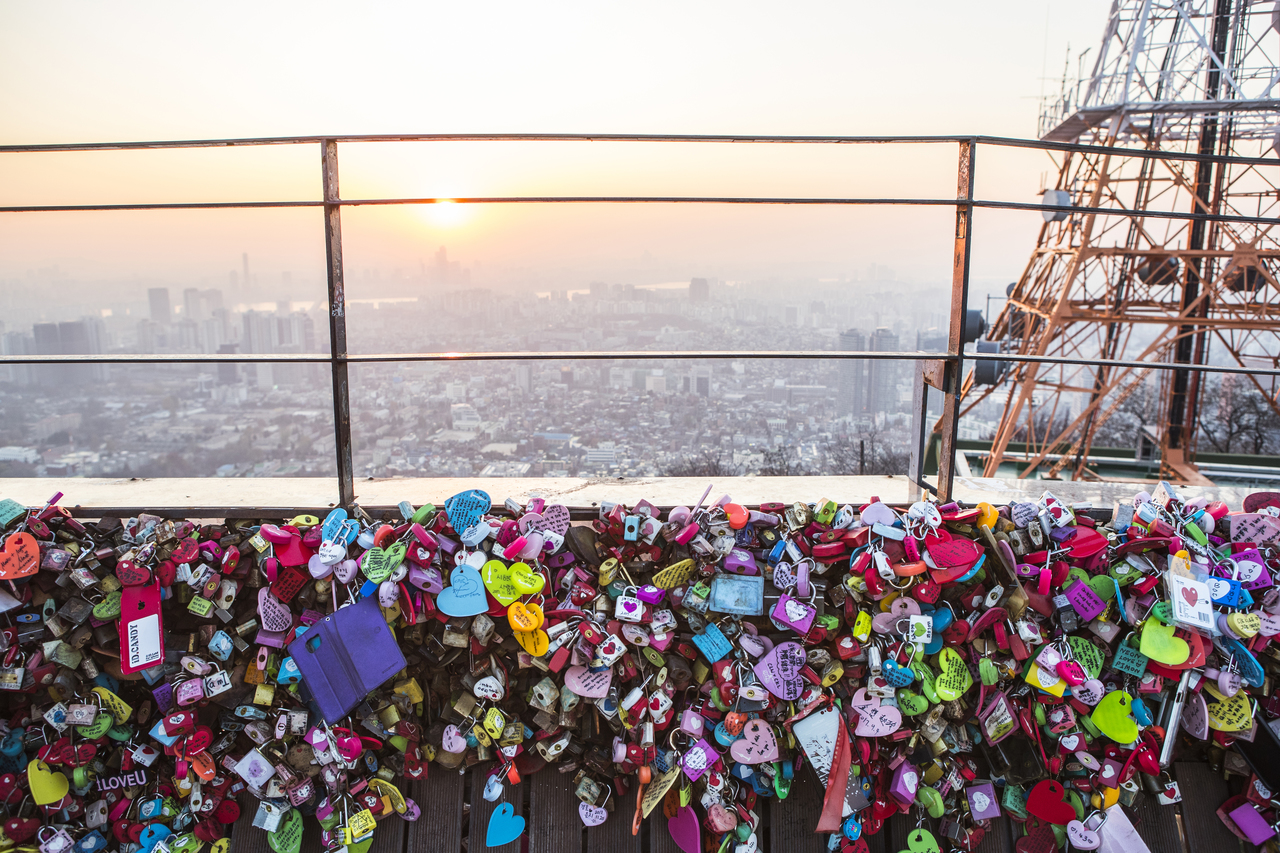
N Seoul Tower (Namsan)
N서울타워N Seoul Tower (Namsan), Seoul, South Korea
N Seoul Tower rises 479 meters above sea level atop Mount Namsan, serving as an iconic metropolitan transmission tower and observation landmark since 1980. The tower offers uninterrupted 360-degree...
HalalMorning (around 09:30-10:00)
Details→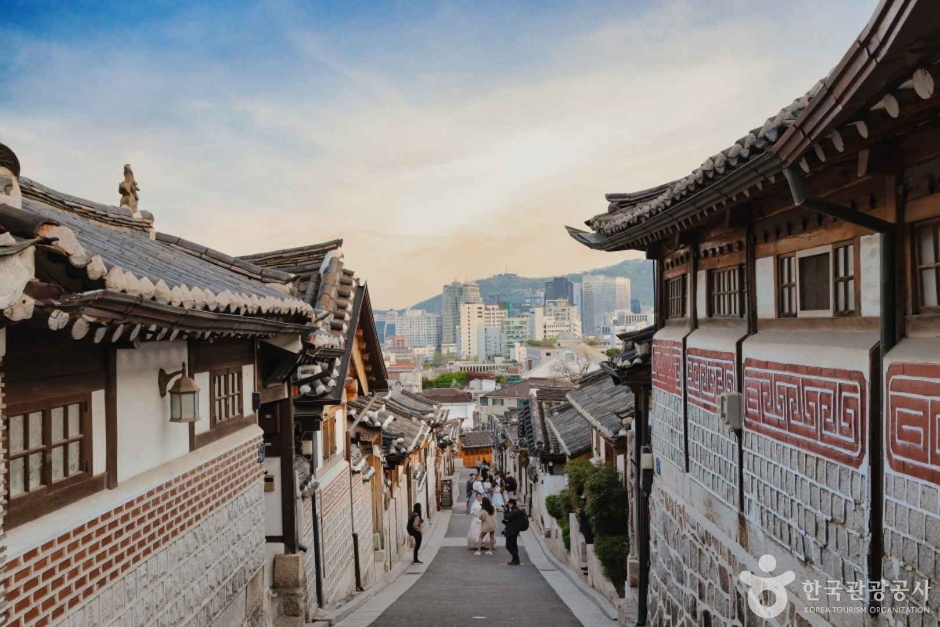
Bukchon Hanok Village
북촌한옥마을Bukchon Hanok Village, Seoul, South Korea
Bukchon Hanok Village is a preserved historic residential neighborhood nestled between Gyeongbokgung and Changdeokgung palaces. Preserving over 600 years of Seoul urban history, Bukchon features hu...
HalalMorning (around 09:30-10:00)
Details→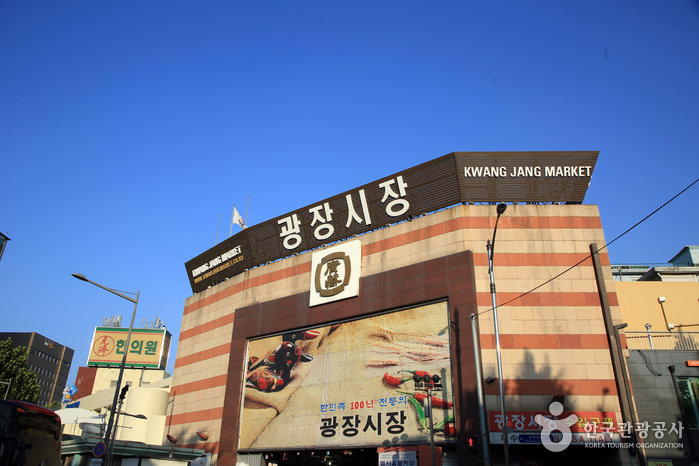
Gwangjang Market
광장시장Gwangjang Market, Seoul, South Korea
Gwangjang Market is South Korea’s oldest continuously operating permanent traditional market, founded in 1905 in the heart of Jongno. Renowned worldwide for its bustling food alleys, the market ser...
HalalMorning (around 09:30-10:00)
Details→