Seoul•Market•Traditional Market
Gwangjang Market
광장시장
Powered by Korea Tourism OrganizationAddress: Gwangjang Market, Seoul, South Korea (대한민국 Seoul 광장시장)
Verified: 2026. 9. 4.
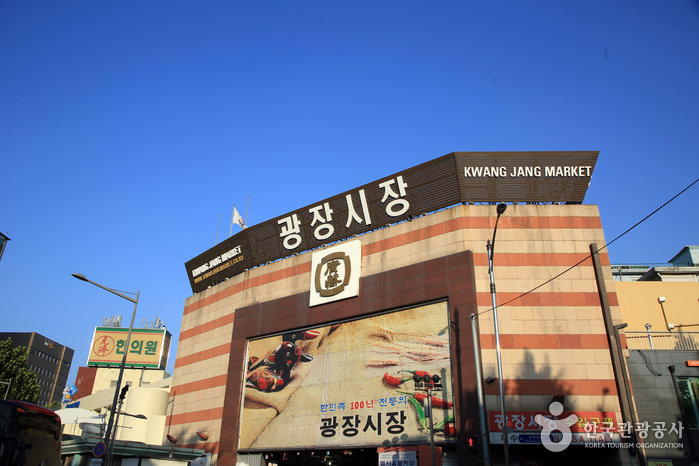
Gwangjang Market representative scenic panoramaZoom
+1More
1 / 6
Gwangjang Market representative scenic panorama
Curator's Guide & Overview
Comprehensive Guide1. Century-Old Commercial Sovereignty & Permanent Market Heritage
Gwangjang Market was founded in 1905 as Korea's first privately managed permanent market, established by Korean merchants during the Japanese colonial threat to protect local commercial sovereignty.
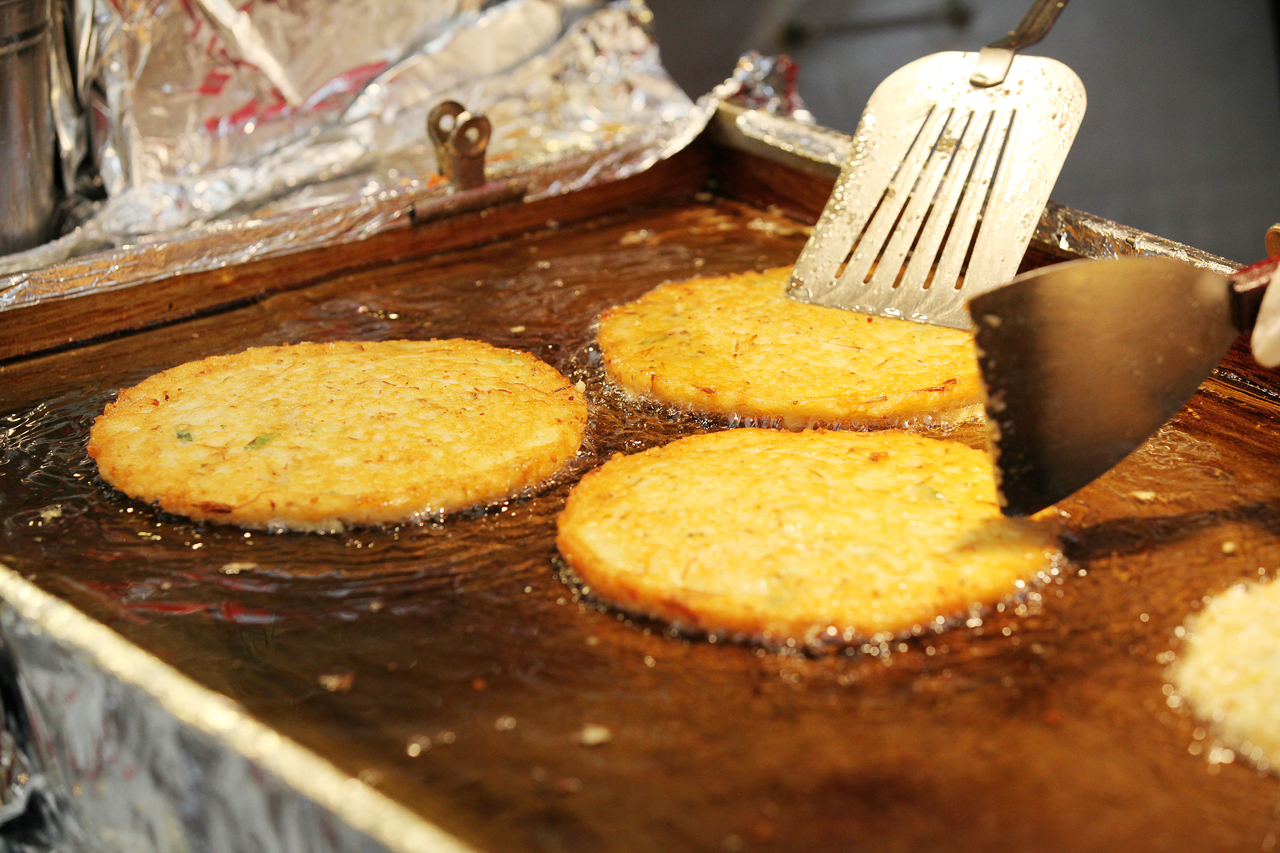
2. Sizzling Bindaetteok Cauldrons & Fresh Beef Tartare Alleys
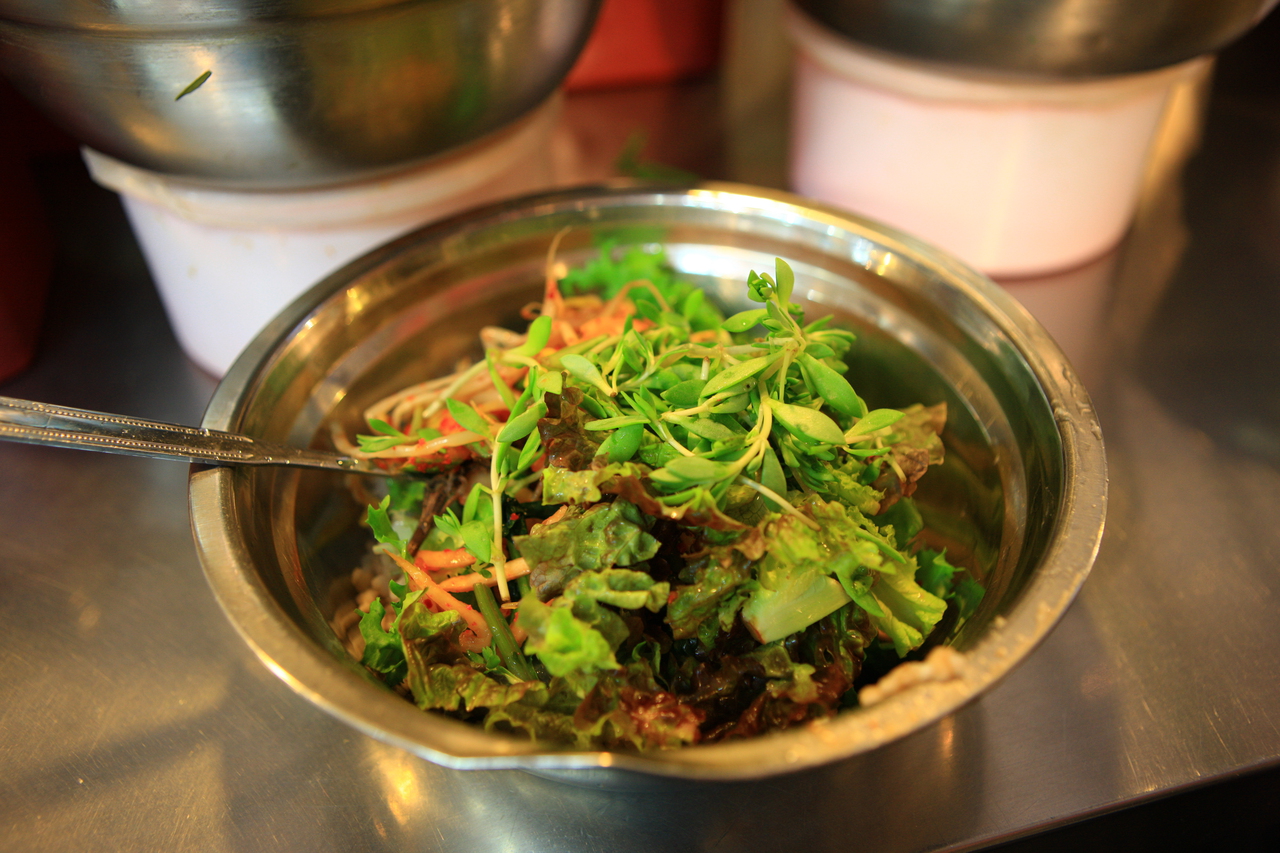
Signatures: Bindaetteok Alley frying ground mung bean pancakes in hot oil cauldrons, Mayak Gimbap stalls with tangy mustard dip, and alleyway Yukhoe stalls serving seasoned raw beef tartare with fresh pear.
3. Evening Market Buzz, Steaming Cauldrons & Winter Stools
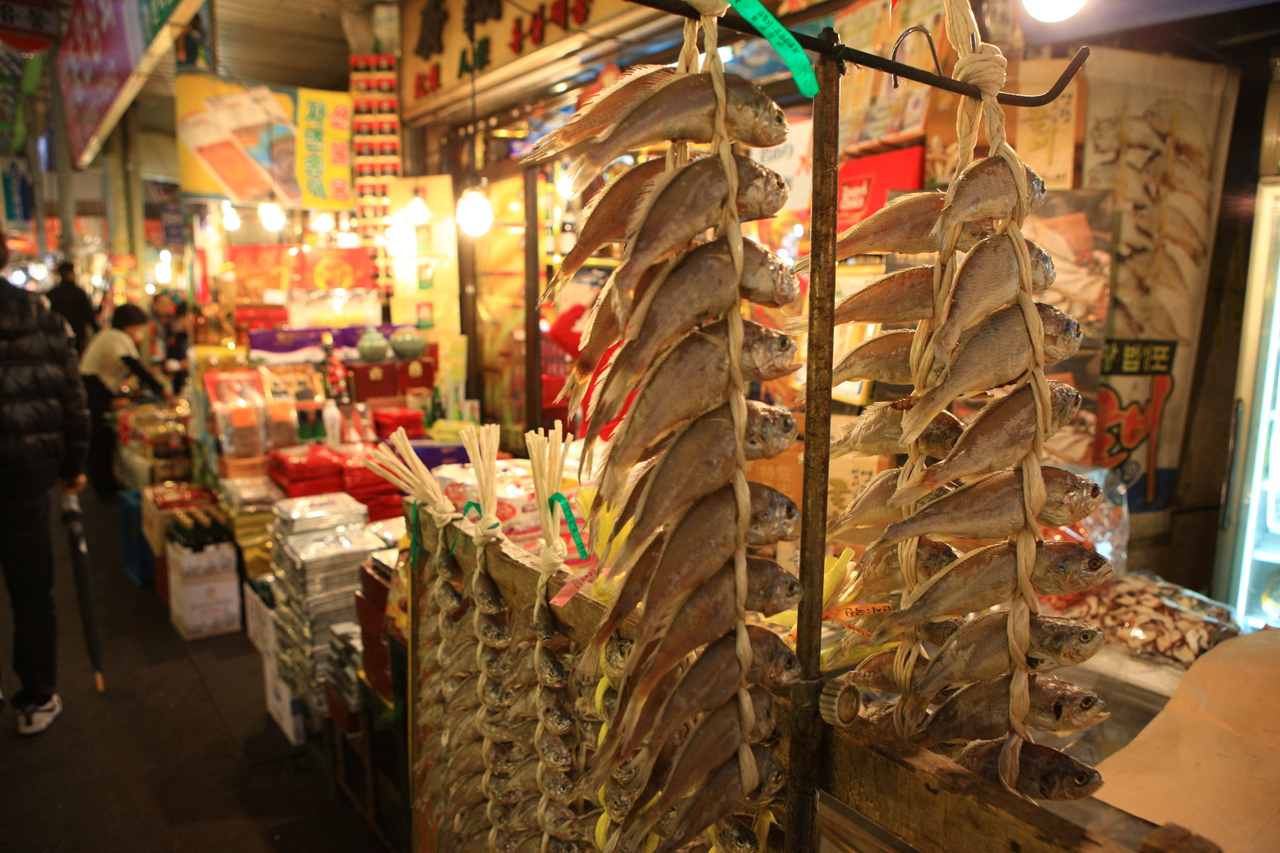
The best atmosphere is between 17:00 and 21:00 when street food stalls hum with energy under hanging lantern bulbs, and patrons gather on heated benches during chilly winter evenings.
4. Round-the-Clock Street Food Arcade & Vintage Stall Hours
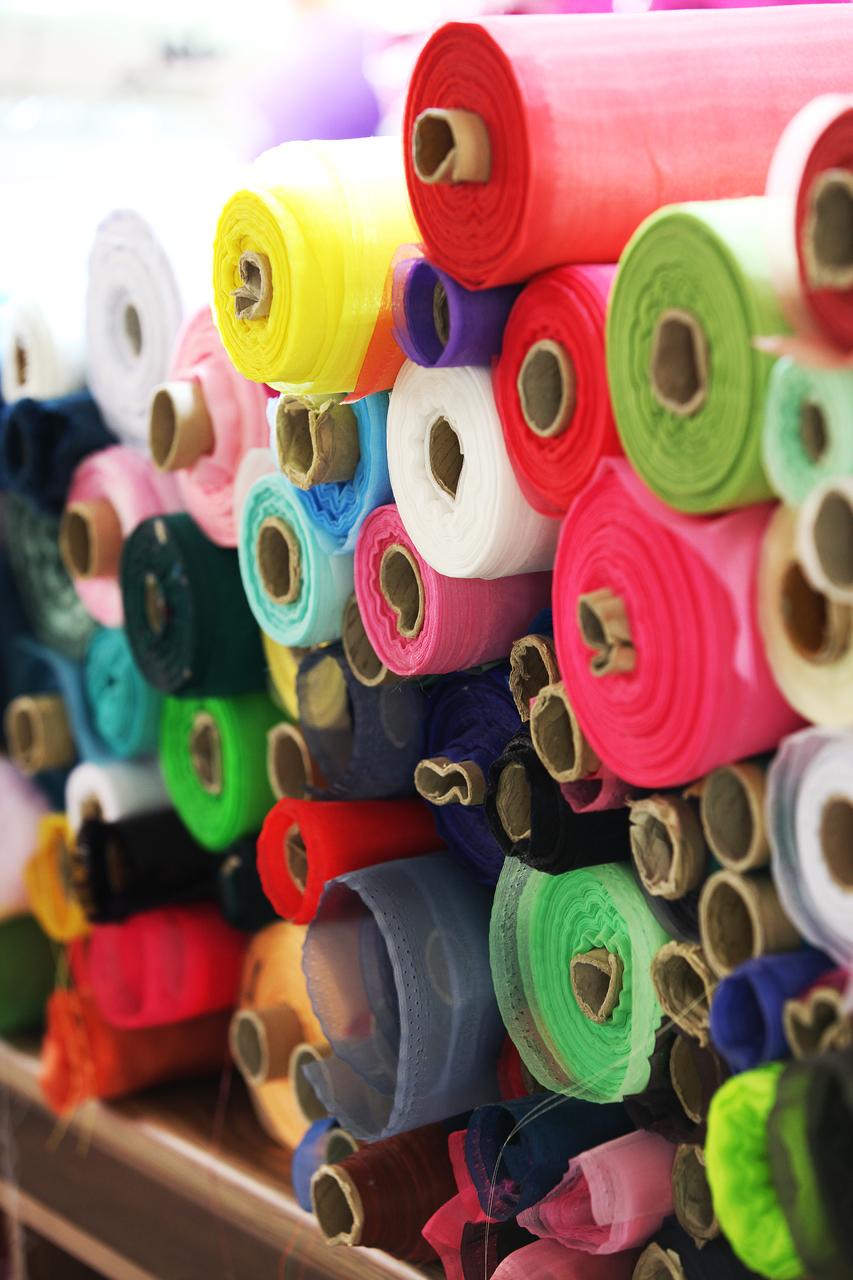
Food stalls operate 09:00 - 23:00 every day of the year. Traditional fabric, hanbok, and second-floor vintage clothing arcades operate 09:00 - 18:00 (closed Sundays).
5. Budget Culinary Delicacies & Affordable Street Food Fares
Prices remain very budget-friendly: Bindaetteok 5,000 - 6,000 KRW; Mayak Gimbap 3,000 - 4,000 KRW; generous plate of beef Yukhoe 19,000 - 21,000 KRW; fresh hand Kalguksu 7,000 KRW.
6. Jongno 5-ga Direct Metro Portals & Euljiro Footbridges
Direct access via Seoul Subway Line 1 Jongno 5-ga Station Exit 8, leading right into the central food arcade gate. From Line 2/5 Euljiro 4-ga Station Exit 4, walk 3 minutes north across Cheonggyecheon bridge.
7. Covered Paved Central Alleys & Low Bench Wooden Seating
Covered arcade alleys are flat and paved against rain, though peak dining crowds make wheelchair navigation snug. Food stalls feature backless communal wooden bench stools.
8. Street Food Safari: North Gate Bindaetteok to Yukhoe Alley
Culinary Tour (90m): Enter North Gate 2 -> Sunhee Bindaetteok -> Wonnam Mayak Gimbap -> Alleyway Michelin Yukhoe specialist -> Sticky chapssal hotteok near South Gate.
9. Golden Crispy Mung Bean Griddles & Addictive Seaweed Rolls
Top destinations: Sunhee Bindaetteok (crispy mung bean cakes fried in vegetable oil), Buchon Yukhoe (Michelin Bib Gourmand raw beef since 2017), and Netflix-featured Wonjo Nude Cheese Gimbap.
10. Pure Vegetarian Mung Bean Pancakes & Sprout Griddles
Bindaetteok is fundamentally plant-based, prepared from freshly ground mung beans and bean sprouts fried in vegetable oil. Request stall chefs to verify no ground pork toppings are included.
11. Candid Overhead Crossway Panoramas & Rising Cooking Steam
Capture wide overhead perspectives from the central intersection pedestrian walkway, where steam drifts from boiling noodle pots and golden pancakes sizzle on wide iron griddles.
12. Wooden Bench Dining Etiquette & Cash Card Transactions
Cash or transit cards (T-Money, WOWPASS) are appreciated by elderly stall owners, though major stalls accept credit cards. Eat food directly at the stall counter rather than walking with hot sticks.
13. Station Defibrillators & National Medical Center Trauma
Emergency defibrillators and market security posts are located at Jongno 5-ga Station Exit 8. The National Medical Center emergency trauma center is 900m southeast.
14. Dongdaemun Design Curves & Cheonggyecheon Stream Paths
Nearby walking destinations: futuristic Dongdaemun Design Plaza (DDP, 1km east), Cheonggyecheon Stream (adjacent to south gate), and historic Jongmyo Royal Shrine (700m west).
15. Michelin Raw Beef Tartare Waiting Numbers & Netflix Stalls
Buchon Yukhoe utilizes an automated ticket kiosk outside the store; peak waiting times reach 30-40 minutes on weekends. Arrive at 11:00 or 15:30 to avoid queues.
16. Stream Walkway Passage to Dongdaemun Night Fashion Marts
Combine lunch at Gwangjang Market with an afternoon walk along Cheonggyecheon Stream, explore modern art exhibitions at DDP, and conclude with midnight shopping in Dongdaemun.
Essential Visitor Facts
Operating Hours
Food Stalls 09:00 - 23:00 daily (Open 365 Days) / Fabric & Hanbok stalls 09:00 - 18:00 (Closed Sundays)
Admission / Price
Free Public Entry / Street food stalls individually priced: Bindaetteok 5,000-6,000 KRW, Mayak Gimbap 3,000-4,000 KRW
Closed Days
Open 365 Days (Food Street)
Best Time to Visit
Morning (around 09:30-10:00)
Transit & Access Directions
Subway Line 1 Jongno 5-ga Station Exit 8 (1-min walk) / Line 2/5 Euljiro 4-ga Station Exit 4
Accessibility & Special Amenities
Ground-floor marketplace is flat with no steps; highly crowded during peak evening hours; accessible restroom near West Gate
✓ Halal Options Nearby
Location Coordinates
Latitude: 37.5701
Longitude: 126.9998
Discover Themes & Highlights
Key interest areas and cultural highlights:
#gwangjang-market#VisitSeoul#KoreaTravelAtlas
Community Traveler Reviews0 Reviews
Visitor tips, feedback, and questions submitted by real travelers.
No community reviews submitted yet. Be the first traveler to share your experience!
Practical Guides: Seoul
Seoul
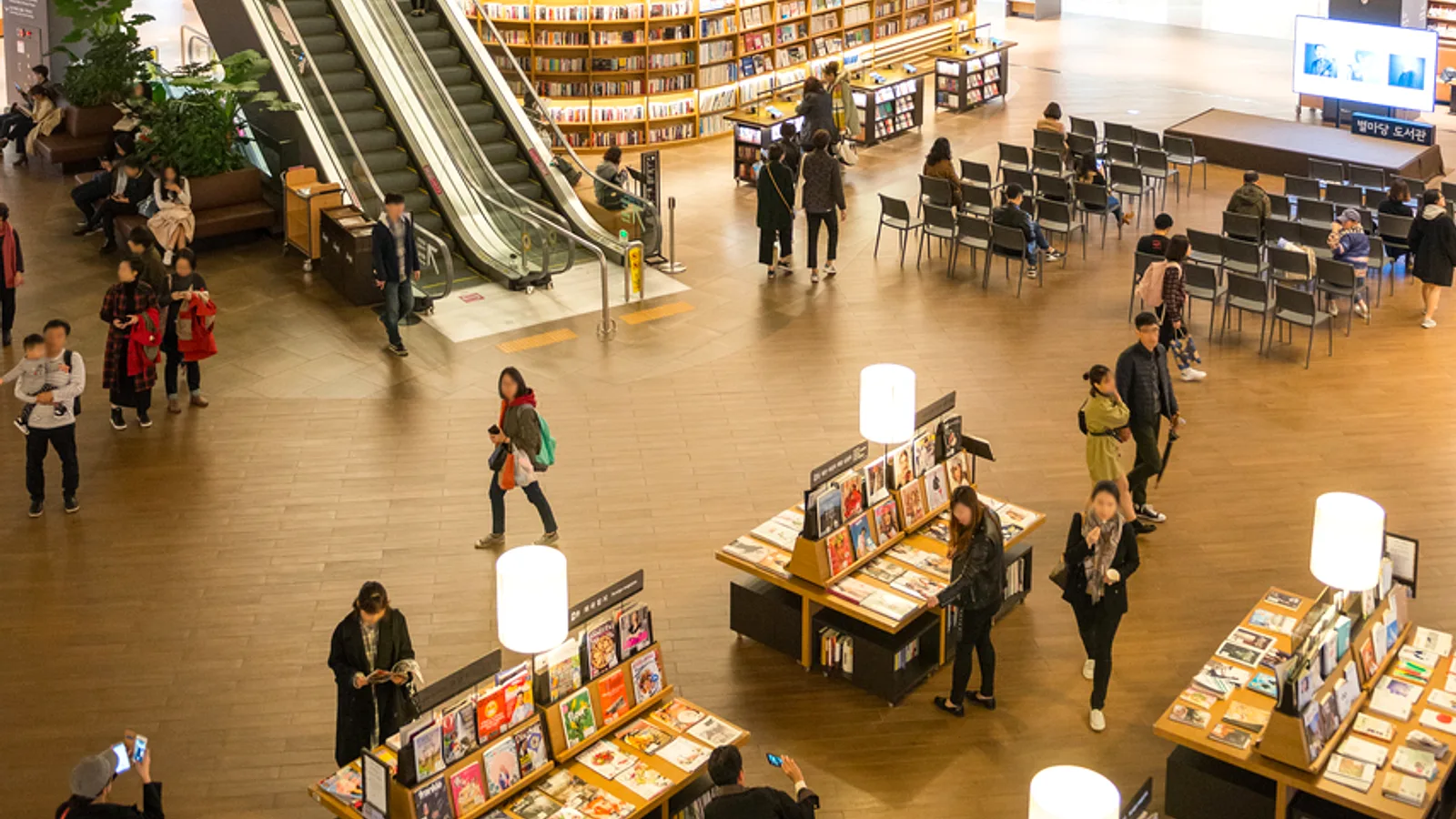
Starfield Library and COEX Mall: A Practical Guide to Seoul's Gangnam Landmark
How to visit Starfield Library inside COEX Mall in Samseong-dong, plus the aquarium, shops and nearby Bongeunsa Temple, with planning advice for first-time visitors.
Seoul
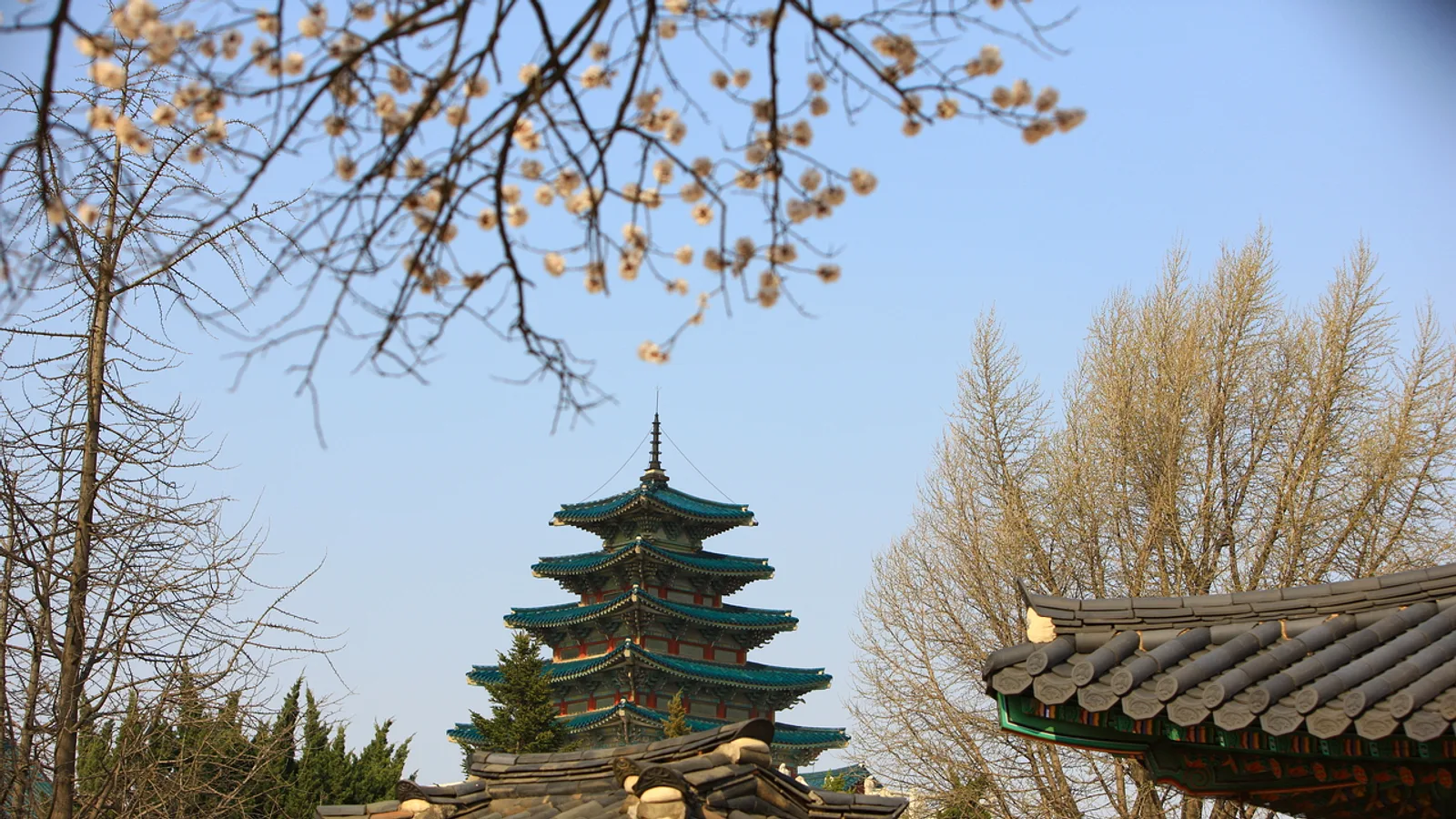
Seoul to Busan and Gyeongju by KTX: Booking, Stations and Luggage Tips
How to take the KTX from Seoul to Busan and to Gyeongju via Singyeongju, with advice on Korail reservations, SRT from Suseo, and storing luggage.
Seoul
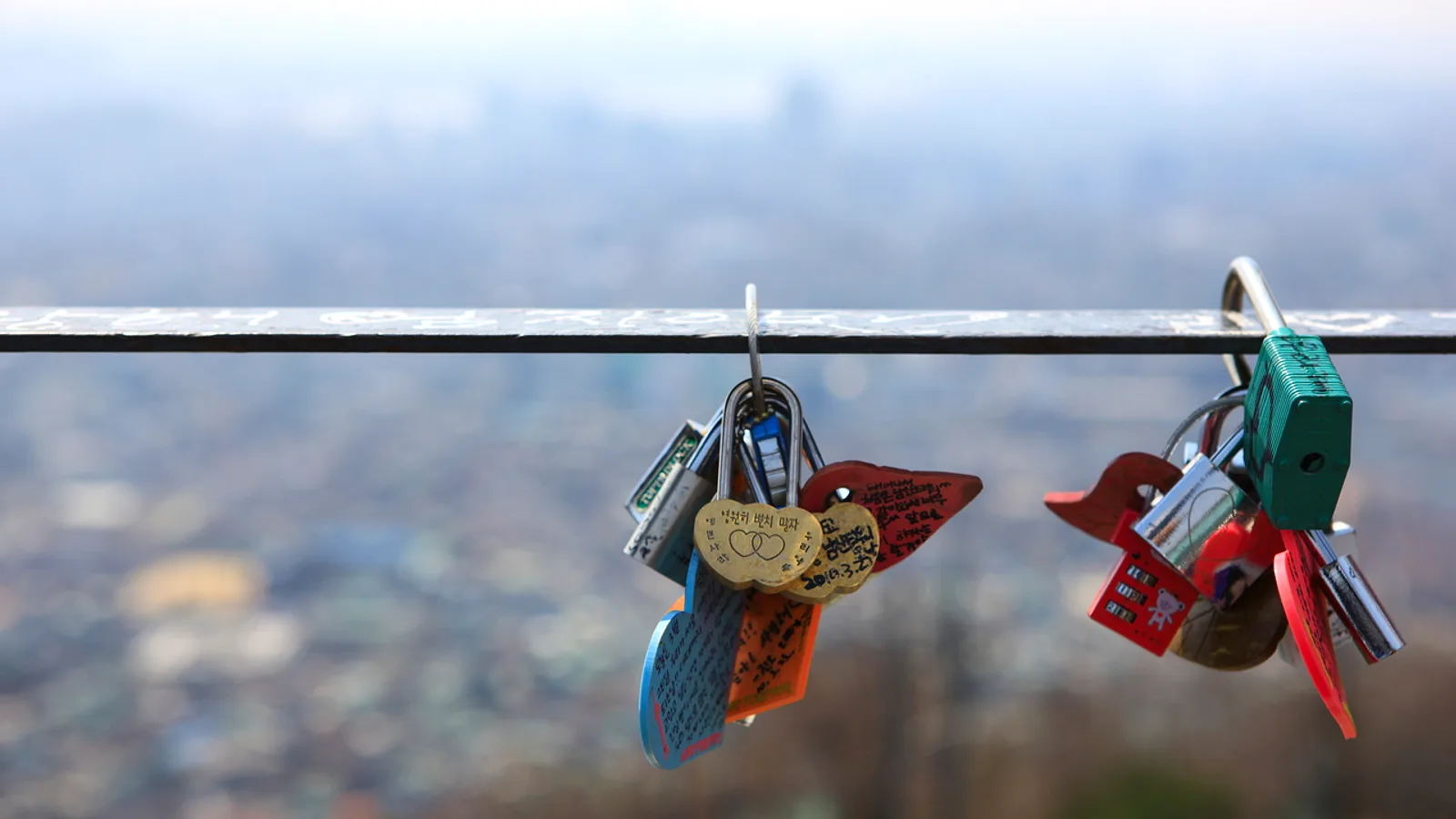
N Seoul Tower and Namsan: Walking Routes, Cable Car and Sunset Views
How to reach N Seoul Tower on foot from Myeongdong or Chungmuro, when the cable car makes sense, and how to plan a sunset visit to Namsan.
Connected Cultural Destinations
Handpicked nearby attractions and regional cultural highlights.

Gyeongbokgung Palace
경복궁Gyeongbokgung Palace, Seoul, South Korea
Gyeongbokgung Palace is the grandest royal palace of the Joseon Dynasty, established in 1395 in northern Seoul. Framed by Mount Baegaksan, its majestic grounds encompass Geunjeongjeon Throne Hall, ...
HalalMorning (around 09:30-10:00)
Details→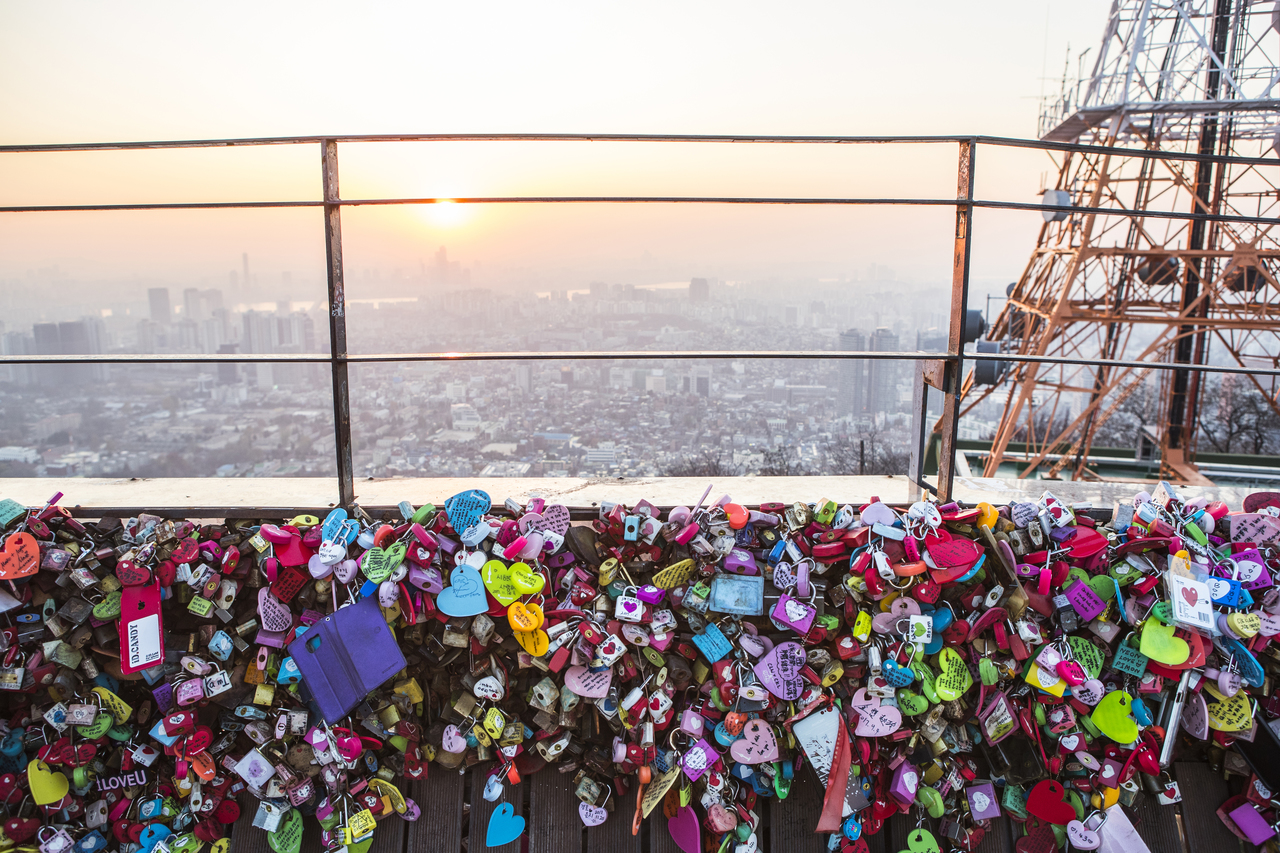
N Seoul Tower (Namsan)
N서울타워N Seoul Tower (Namsan), Seoul, South Korea
N Seoul Tower rises 479 meters above sea level atop Mount Namsan, serving as an iconic metropolitan transmission tower and observation landmark since 1980. The tower offers uninterrupted 360-degree...
HalalMorning (around 09:30-10:00)
Details→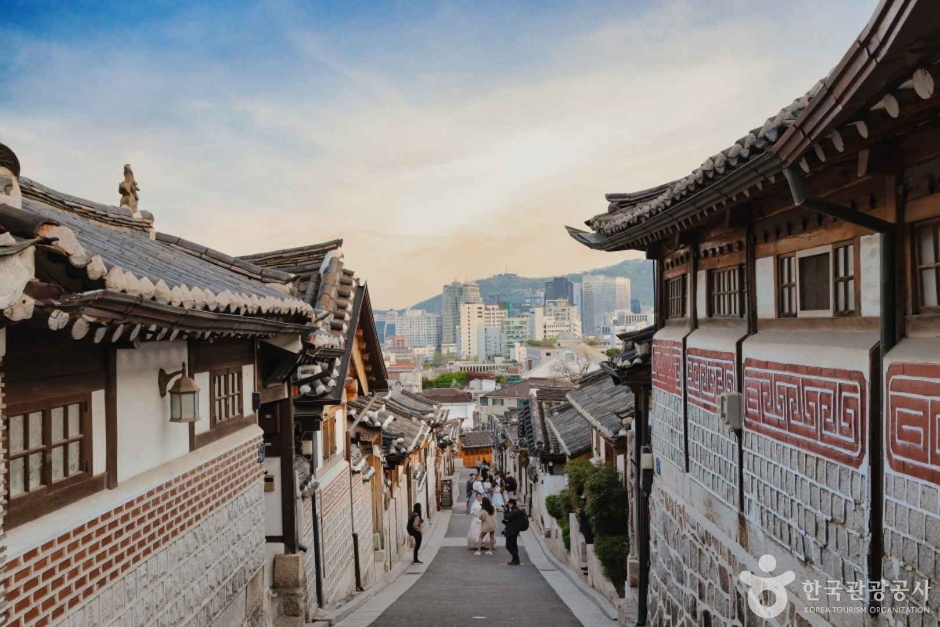
Bukchon Hanok Village
북촌한옥마을Bukchon Hanok Village, Seoul, South Korea
Bukchon Hanok Village is a preserved historic residential neighborhood nestled between Gyeongbokgung and Changdeokgung palaces. Preserving over 600 years of Seoul urban history, Bukchon features hu...
HalalMorning (around 09:30-10:00)
Details→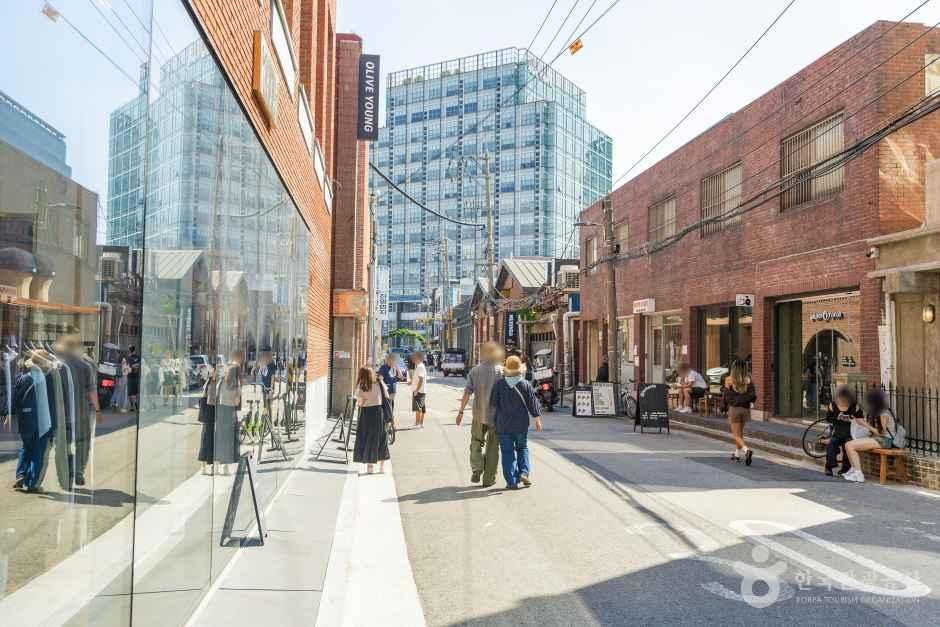
Seongsu-dong Cafe Street
성수동 카페거리Seongsu-dong 2-ga, Seongdong-gu, Seoul
Seongsu-dong Cafe Street, dubbed Seoul's Brooklyn, is a vibrant urban renewal district where 1970s red-brick shoe factories and industrial printing warehouses have been reimagined into avant-garde ...
HalalMorning (around 09:30-10:00)
Details→