Seoul•Heritage•Traditional Village
Bukchon Hanok Village
북촌한옥마을
Powered by Korea Tourism OrganizationAddress: Bukchon Hanok Village, Seoul, South Korea (대한민국 Seoul 북촌한옥마을)
Verified: 2026. 9. 4.
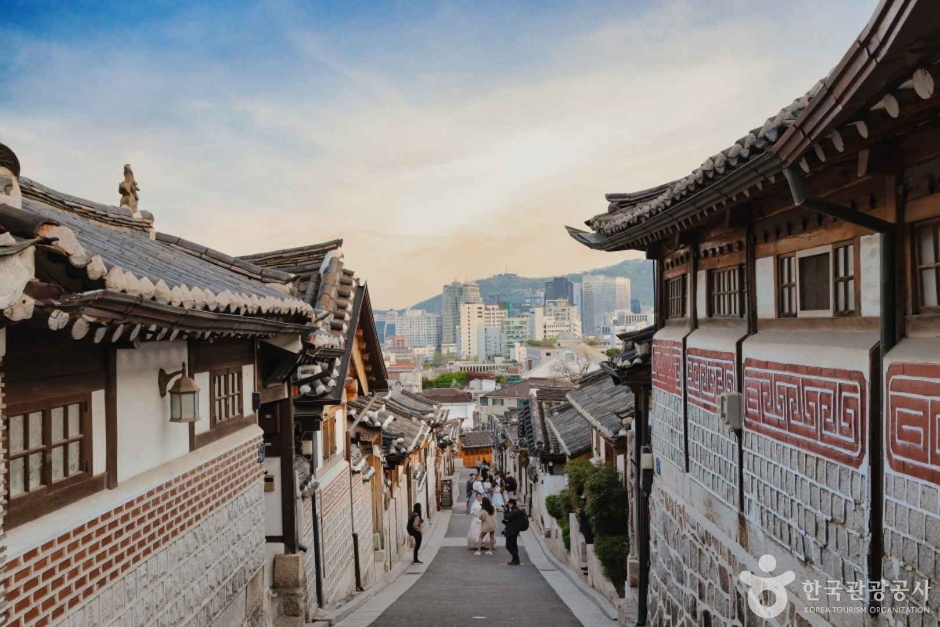
Bukchon Hanok Village representative scenic panoramaZoom

+1More
1 / 6
Bukchon Hanok Village representative scenic panorama
Curator's Guide & Overview
Comprehensive Guide1. Historic Joseon Nobility Aristocratic Residential Enclave
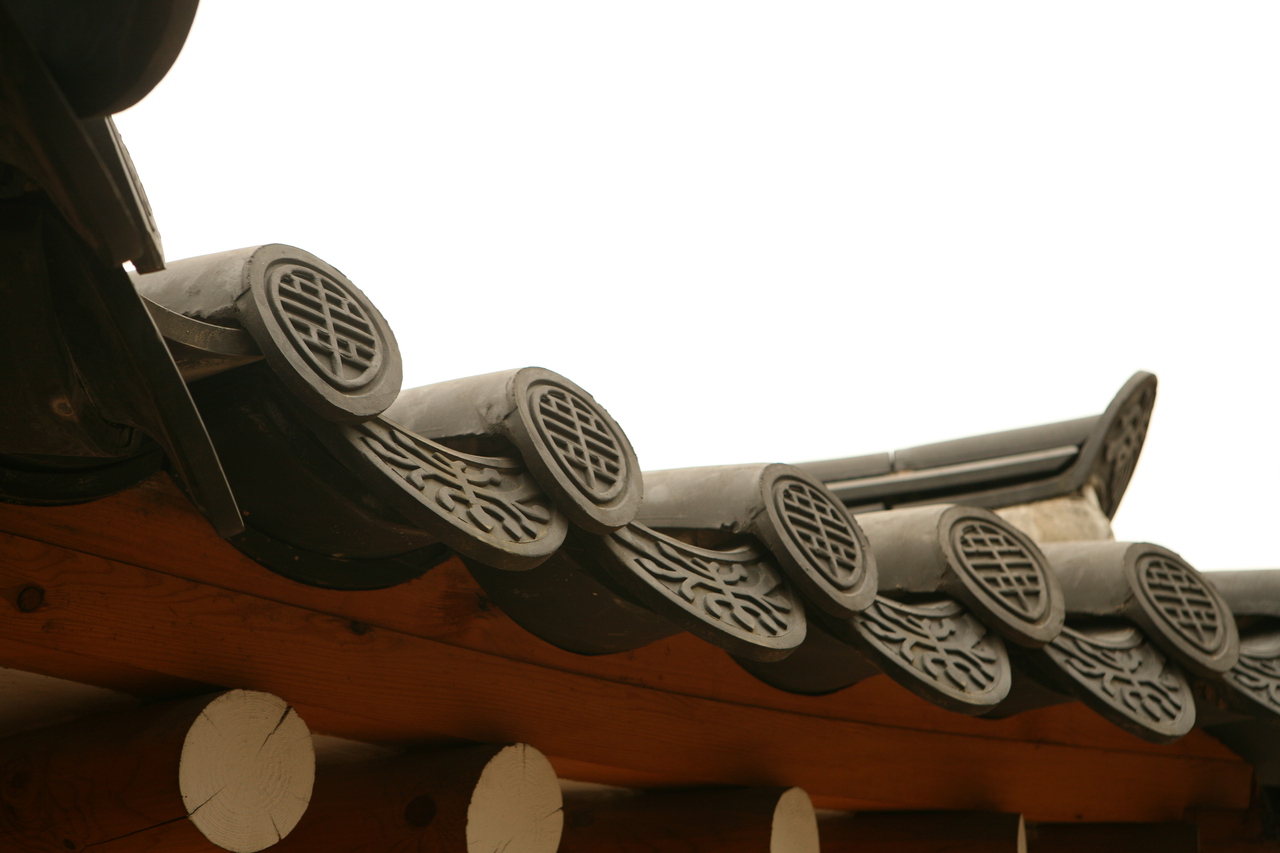
Bukchon Hanok Village is a preserved residential enclave between Gyeongbokgung and Changdeokgung palaces. Once home to high-ranking Joseon aristocrats and royal officials, Bukchon preserves centuries of authentic architectural heritage characterized by curved dark tile eaves and quiet courtyards.
2. Gahoe-dong Tiled Eaves Alley & Baek In-je Wooden Mansion
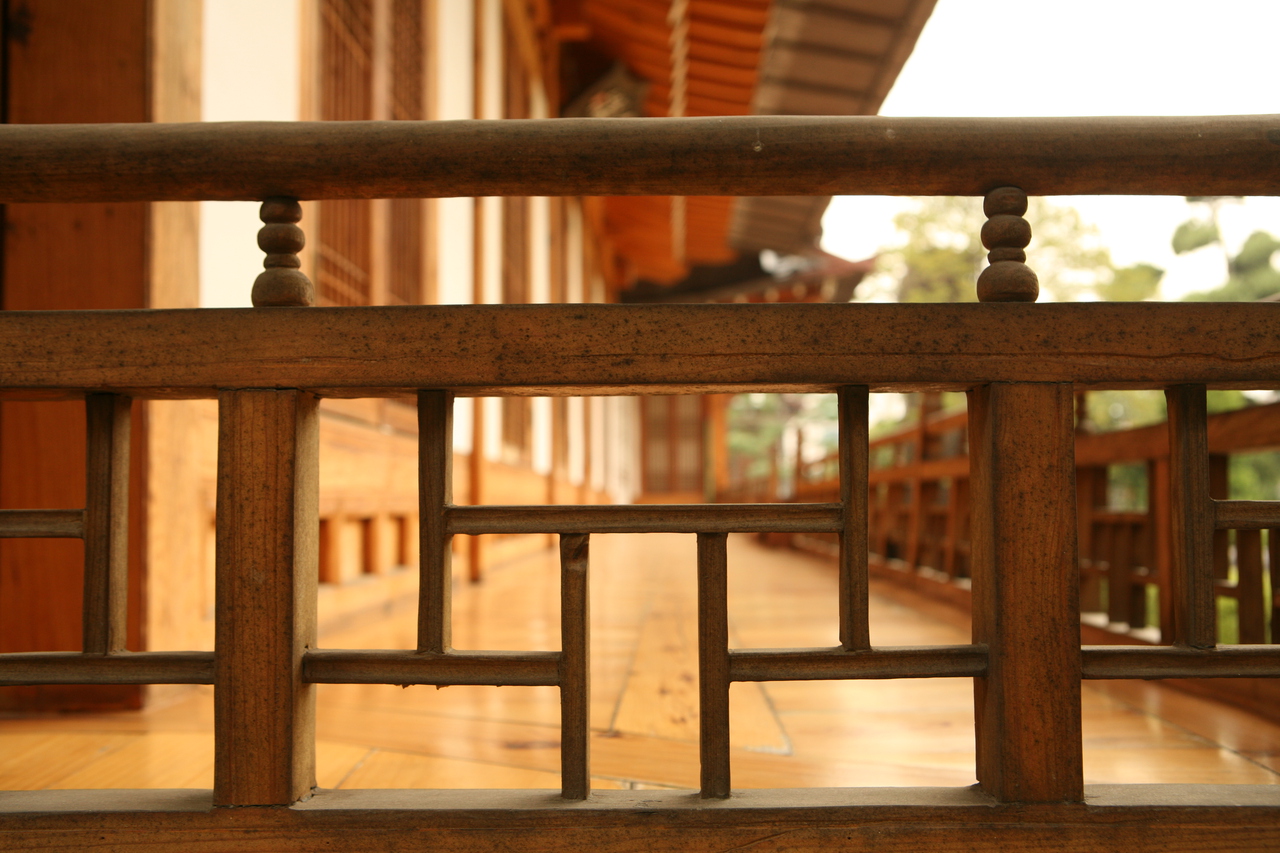
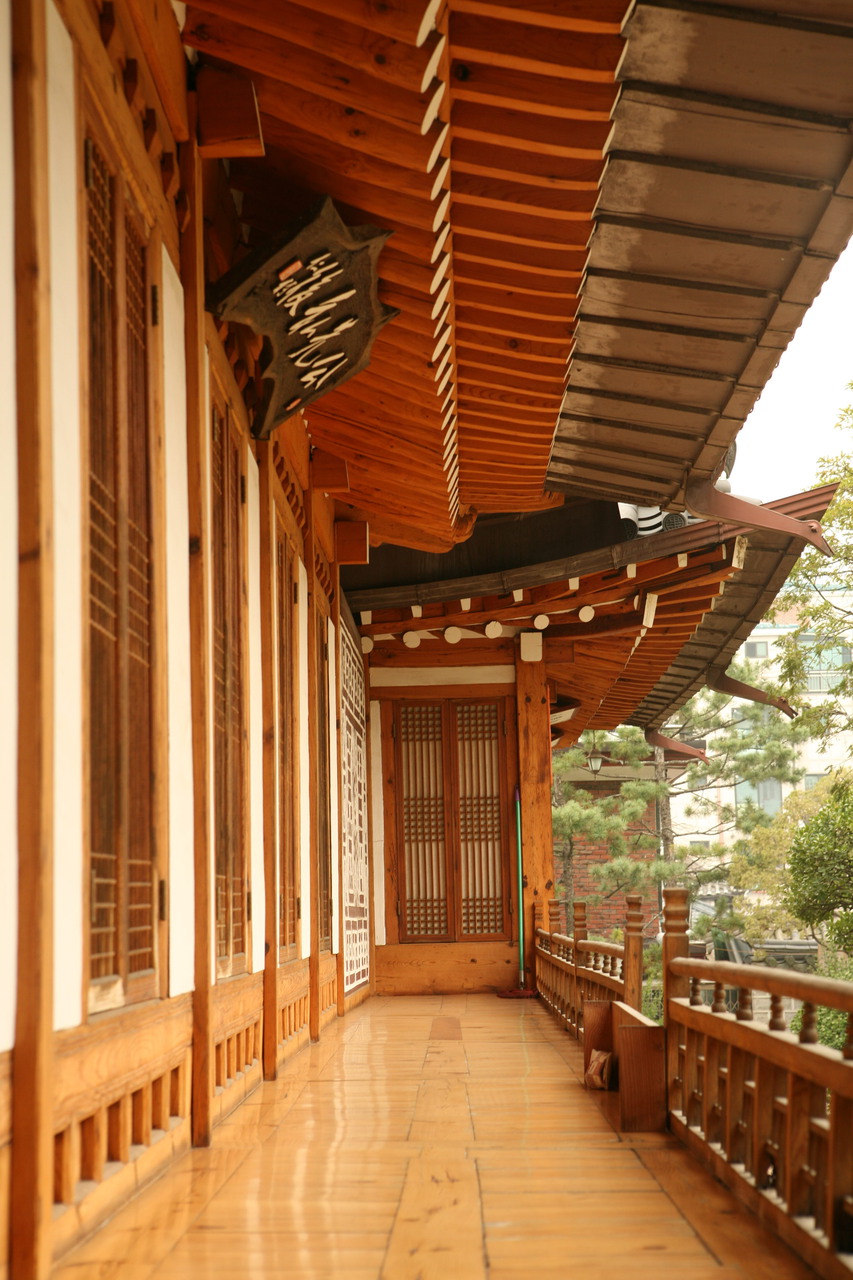
Notable sights: Gahoe-dong 31st Alley with intact tile roofs framing the N Seoul Tower skyline, Baek In-je House (an elegant 1913 modern Hanok mansion with Japanese-influenced wooden corridors), and traditional knot craft studios.
3. Dawn Sunbeams on Cobbled Stone Alleys & Crimson Maples
Morning light between 09:00 and 10:30 on weekdays offers crowd-free photography. Autumn foliage in October transforms Samcheong Park, while spring brings blooming plum trees to private courtyard eaves.
4. Living Residential Visiting Hours & Peaceful Silence Rules
Residential alley visiting hours are strictly enforced: Monday-Saturday 10:00 - 17:00. Alleys are closed to tourists on Sundays to safeguard residents' tranquility. Cultural Center: 09:00 - 18:00.
5. Neighborhood Walking Access & Cultural Atelier Workshops
Walking through neighborhood alleys is free. Baek In-je House and Bukchon Cultural Center offer free admission. Traditional artisan craft classes (knotting, hanji papermaking) cost 5,000 - 15,000 KRW.
6. Anguk Subway Station Access & Samcheong-dong Stone Stairs
Take Seoul Subway Line 3 to Anguk Station (Exit 2 or 3). Walk north along Bukchon-ro for 350 meters (5 minutes) to reach the Bukchon Cultural Center and Gahoe-dong lanes.
7. Paved Bukchon-ro Sidewalks & Courtyard Atelier Ramps
Main Bukchon-ro features paved sidewalks, but historic residential alleys have steep cobblestone inclines and steps challenging for manual wheelchairs. Bukchon Cultural Center offers flat courtyard access.
8. Heritage Hanok Stroll: Baek In-je House to Gahoe 31 Ridge
Express Route (60m): Anguk Station Exit 2 -> Bukchon Cultural Center -> Gahoe-dong 31 Alley viewpoint -> Descend to Samcheong-dong. In-depth Route (120m): Baek In-je House -> Wonseo-dong -> Gahoe-dong 31 -> Cha-Teul tea house.
9. Hand-Folded Mandu Dumplings & Michelin Bone Broth Noodles
Dine at Bukchon Son Mandu (famous handmade dumplings and cold noodles), Hwangsaengga Kalguksu (Michelin Bib Gourmand beef bone noodle soup), or unwind at Cha-Teul panoramic Hanok tea house.
10. Insa-dong Buddhist Temple Vegan Dining & Soy Meat Feasts
Osegyehyang in adjacent Insa-dong is a 100% vegan traditional Korean restaurant serving vegetarian bibimbap and soy-protein dishes, complemented by organic tea houses along Samcheong-dong.
11. Downhill Alley Vistas Framing Mount Namsan Tower Spire
The quintessential viewpoint is from Gahoe-dong 31 Alley looking downhill, where rows of grey tiled eaves flank the distant spire of N Seoul Tower rising above the urban horizon.
12. Residential Noise Etiquette, No Littering & Sunday Closures
Bukchon is a real living community. Visitors must maintain strict silence, refrain from shouting or peering into private houses, carry away all trash, and observe the Sunday closure rules.
13. Anguk Intersect Police Station & SNU Emergency Trauma
Bukchon Village Police Substation is located at Anguk intersection. Seoul National University Hospital Emergency Trauma Center is 1.5km east. Dial 1330 for tourist support.
14. Changdeokgung Palace Gardens & Insa-dong Antique Arcades
Nearby sites: UNESCO Changdeokgung Palace (500m east), Samcheong-dong Cafe Street (300m west), and Insa-dong Antique Street (700m south).
15. Private Residence Entry Bans & Certified Hanok Stays
Private houses cannot be entered. Visitors wanting authentic indoor experiences should visit public properties like Baek In-je House or book licensed Seoul Hanok Stay accommodations.
16. Bukchon Ridge to Ikseon-dong Evening Hanok Courtyards
Tour Bukchon in the morning, browse designer boutiques in Samcheong-dong for lunch, explore Changdeokgung Palace, and end your evening in the glowing hanok alleys of Ikseon-dong.
Essential Visitor Facts
Operating Hours
Residential alleys visiting hours: Mon-Sat 10:00 - 17:00 (Sundays closed to tourists / designated quiet day)
Admission / Price
Free Public Entry (0 KRW) / Free entry to Baek In-je House & Cultural Center (Private workshops charge separate fees)
Closed Days
Sundays Alley Quiet Day (No tourist tours permitted)
Best Time to Visit
Morning (around 09:30-10:00)
Transit & Access Directions
Subway Line 3 Anguk Station Exit 2 (5-min walk north toward Gahoe-dong)
Accessibility & Special Amenities
Historic uphill alleys feature cobblestones and stone steps; limited wheelchair accessibility; main Bukchon-ro road is paved
✓ Halal Options Nearby
Location Coordinates
Latitude: 37.5826
Longitude: 126.9836
Discover Themes & Highlights
Key interest areas and cultural highlights:
#bukchon-hanok-village#VisitSeoul#KoreaTravelAtlas
Community Traveler Reviews0 Reviews
Visitor tips, feedback, and questions submitted by real travelers.
No community reviews submitted yet. Be the first traveler to share your experience!
Practical Guides: Seoul
Seoul
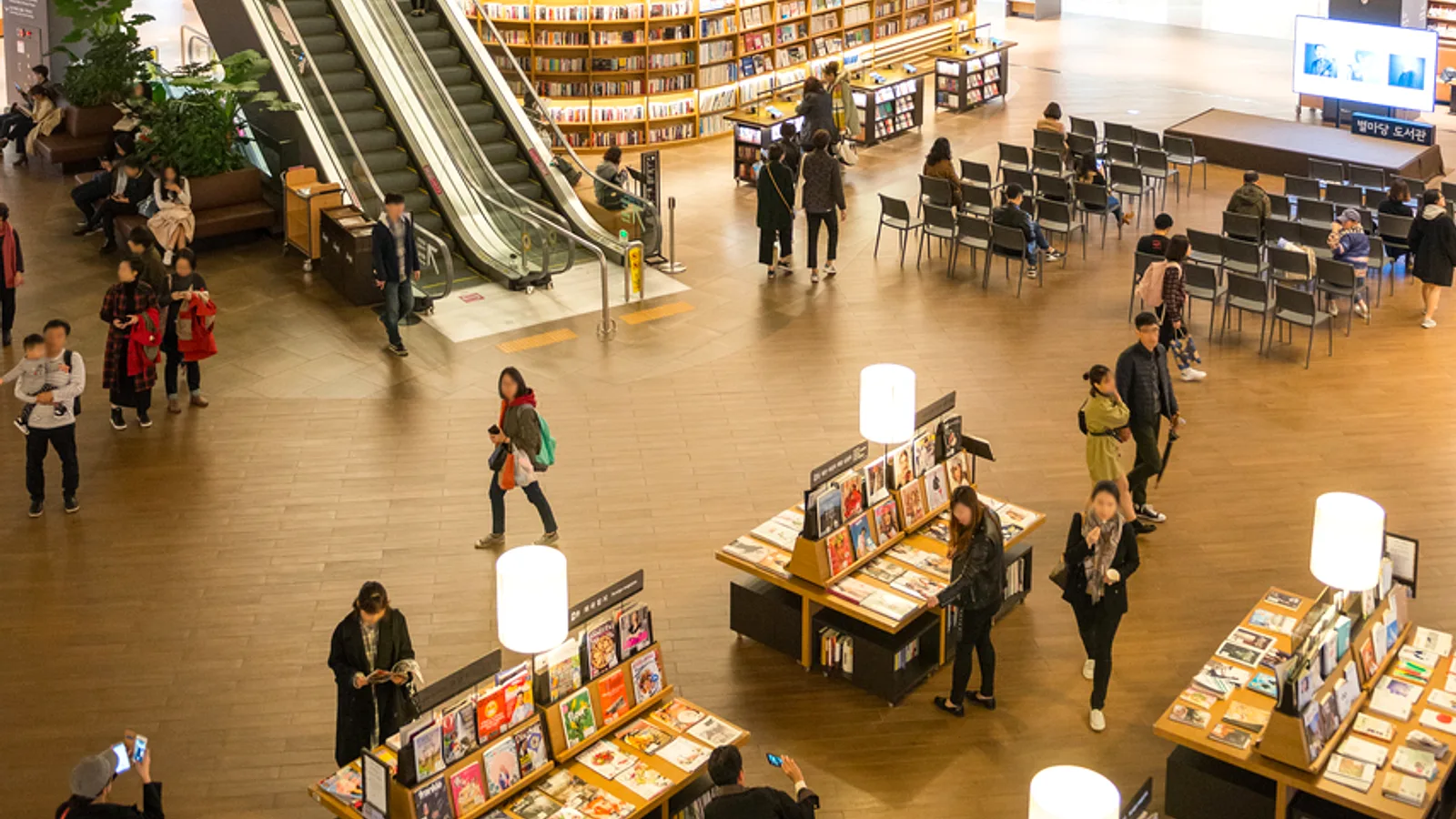
Starfield Library and COEX Mall: A Practical Guide to Seoul's Gangnam Landmark
How to visit Starfield Library inside COEX Mall in Samseong-dong, plus the aquarium, shops and nearby Bongeunsa Temple, with planning advice for first-time visitors.
Seoul
Seoul to Busan and Gyeongju by KTX: Booking, Stations and Luggage Tips
How to take the KTX from Seoul to Busan and to Gyeongju via Singyeongju, with advice on Korail reservations, SRT from Suseo, and storing luggage.
Seoul
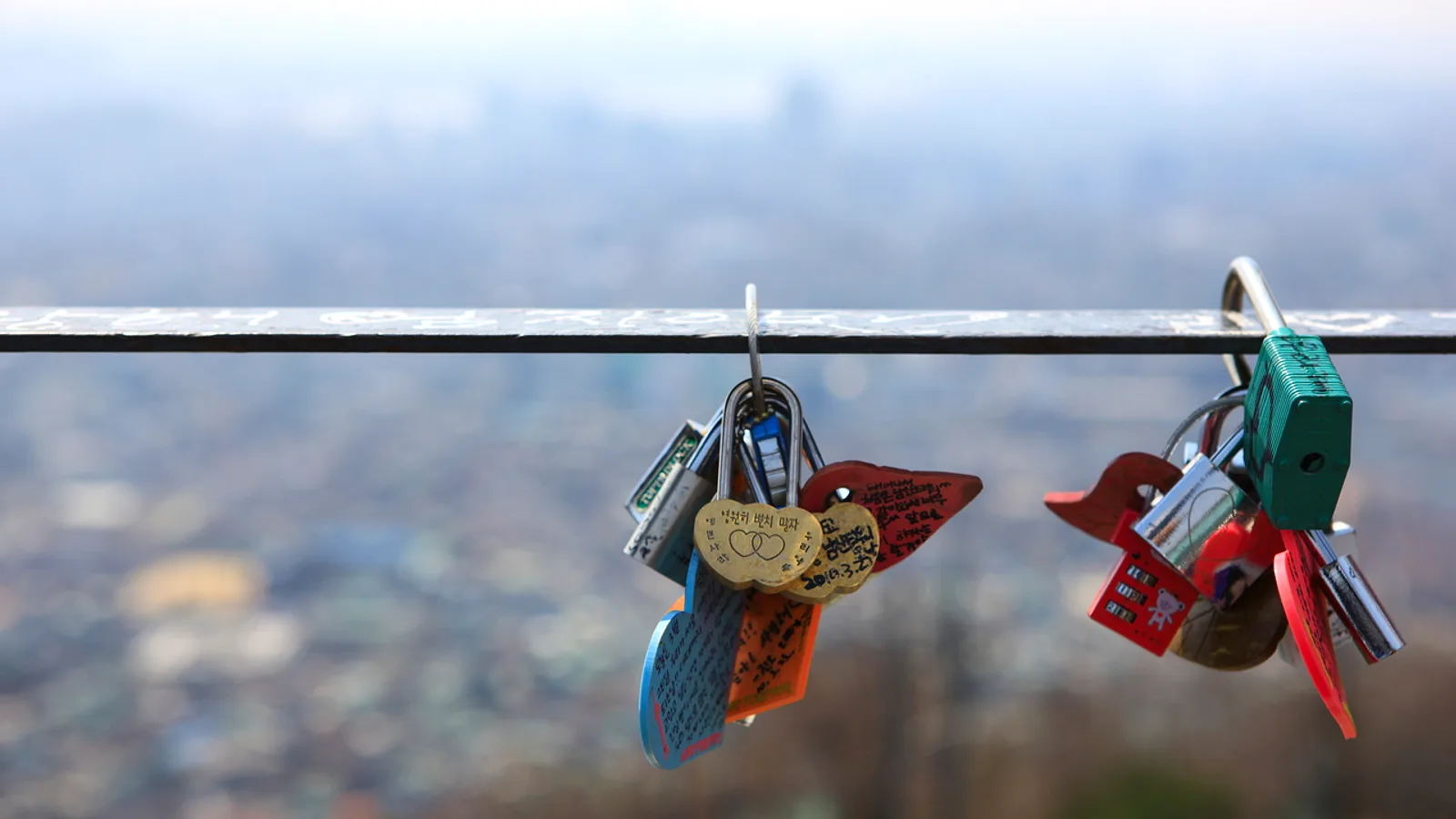
N Seoul Tower and Namsan: Walking Routes, Cable Car and Sunset Views
How to reach N Seoul Tower on foot from Myeongdong or Chungmuro, when the cable car makes sense, and how to plan a sunset visit to Namsan.
Connected Cultural Destinations
Handpicked nearby attractions and regional cultural highlights.

Gyeongbokgung Palace
경복궁Gyeongbokgung Palace, Seoul, South Korea
Gyeongbokgung Palace is the grandest royal palace of the Joseon Dynasty, established in 1395 in northern Seoul. Framed by Mount Baegaksan, its majestic grounds encompass Geunjeongjeon Throne Hall, ...
HalalMorning (around 09:30-10:00)
Details→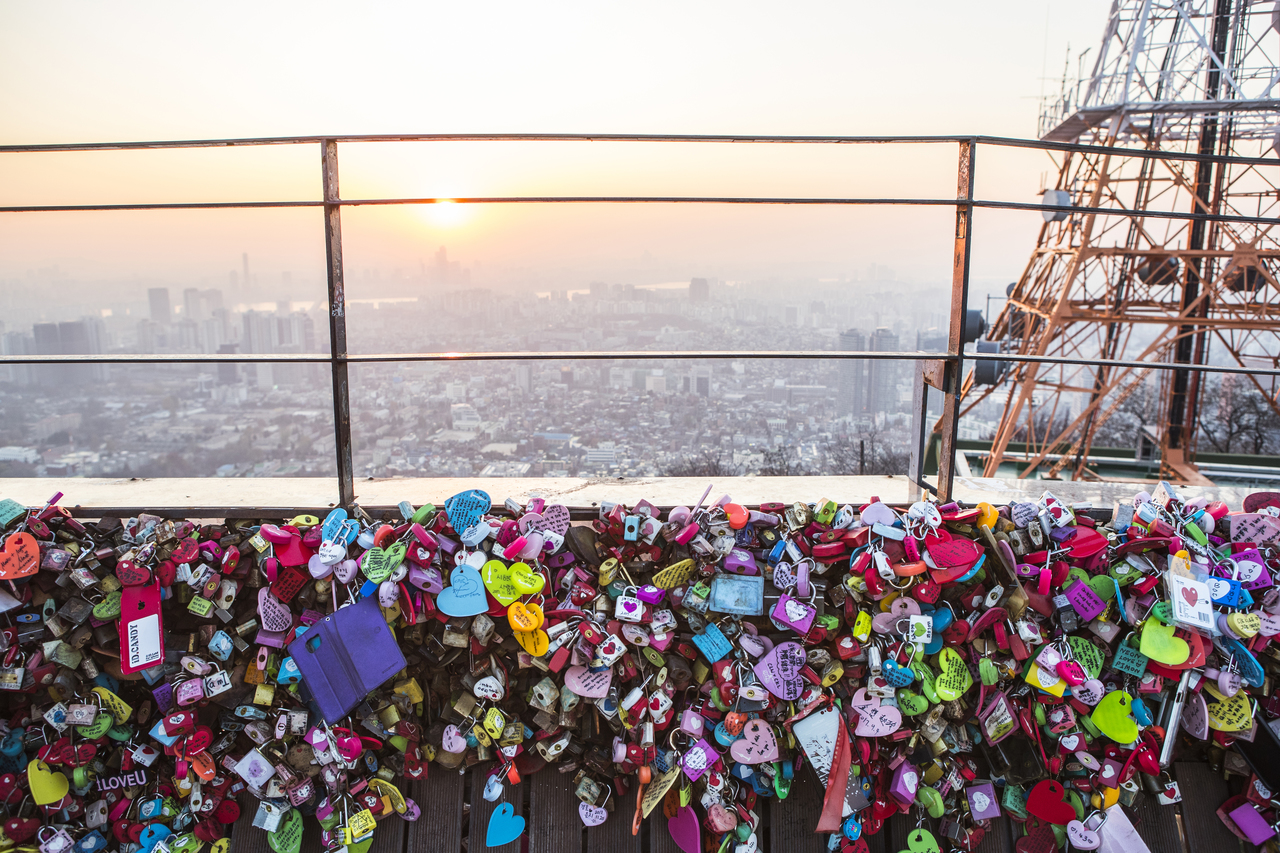
N Seoul Tower (Namsan)
N서울타워N Seoul Tower (Namsan), Seoul, South Korea
N Seoul Tower rises 479 meters above sea level atop Mount Namsan, serving as an iconic metropolitan transmission tower and observation landmark since 1980. The tower offers uninterrupted 360-degree...
HalalMorning (around 09:30-10:00)
Details→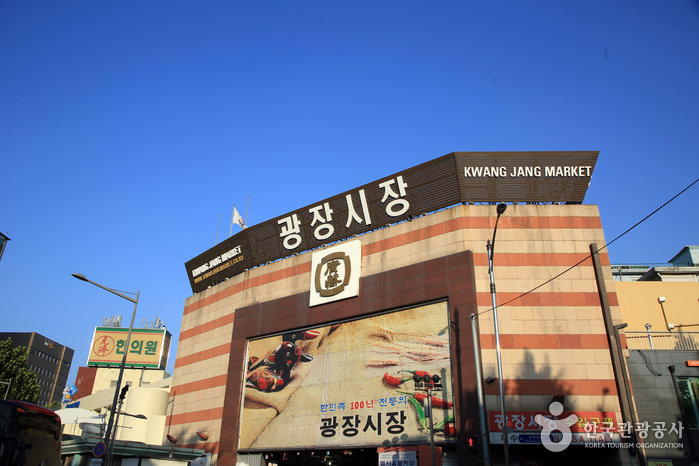
Gwangjang Market
광장시장Gwangjang Market, Seoul, South Korea
Gwangjang Market is South Korea’s oldest continuously operating permanent traditional market, founded in 1905 in the heart of Jongno. Renowned worldwide for its bustling food alleys, the market ser...
HalalMorning (around 09:30-10:00)
Details→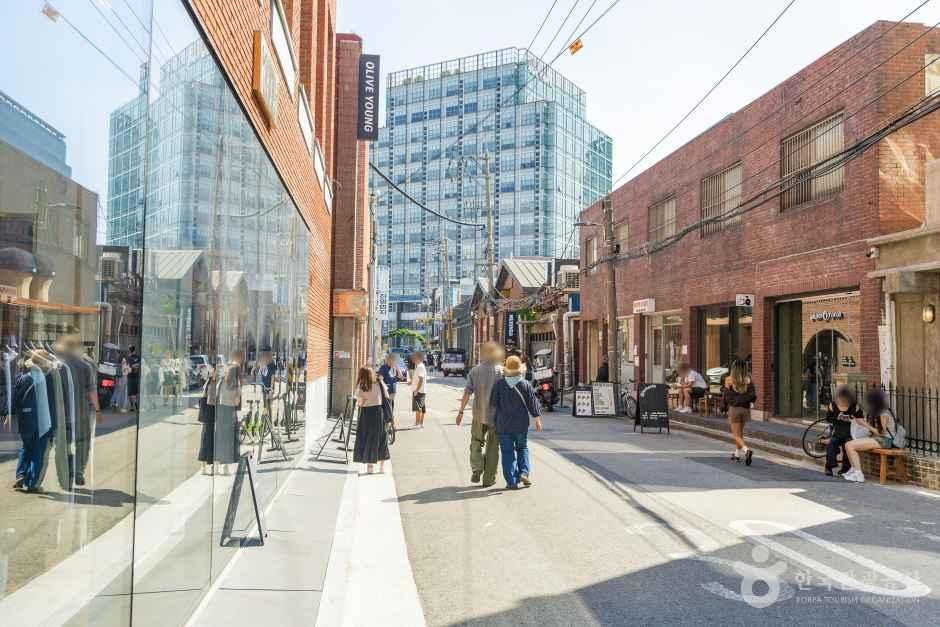
Seongsu-dong Cafe Street
성수동 카페거리Seongsu-dong 2-ga, Seongdong-gu, Seoul
Seongsu-dong Cafe Street, dubbed Seoul's Brooklyn, is a vibrant urban renewal district where 1970s red-brick shoe factories and industrial printing warehouses have been reimagined into avant-garde ...
HalalMorning (around 09:30-10:00)
Details→