Jeonnam•Gurye•Heritage•Buddhist Temple
Jirisan Gurye Hwaeomsa Temple
구례 화엄사
Powered by Korea Tourism OrganizationAddress: Jirisan Gurye Hwaeomsa Temple, Gurye, Jeonnam, South Korea (전라남도 구례군 마산면 화엄사로 539 (황전리))
Editorial review pending
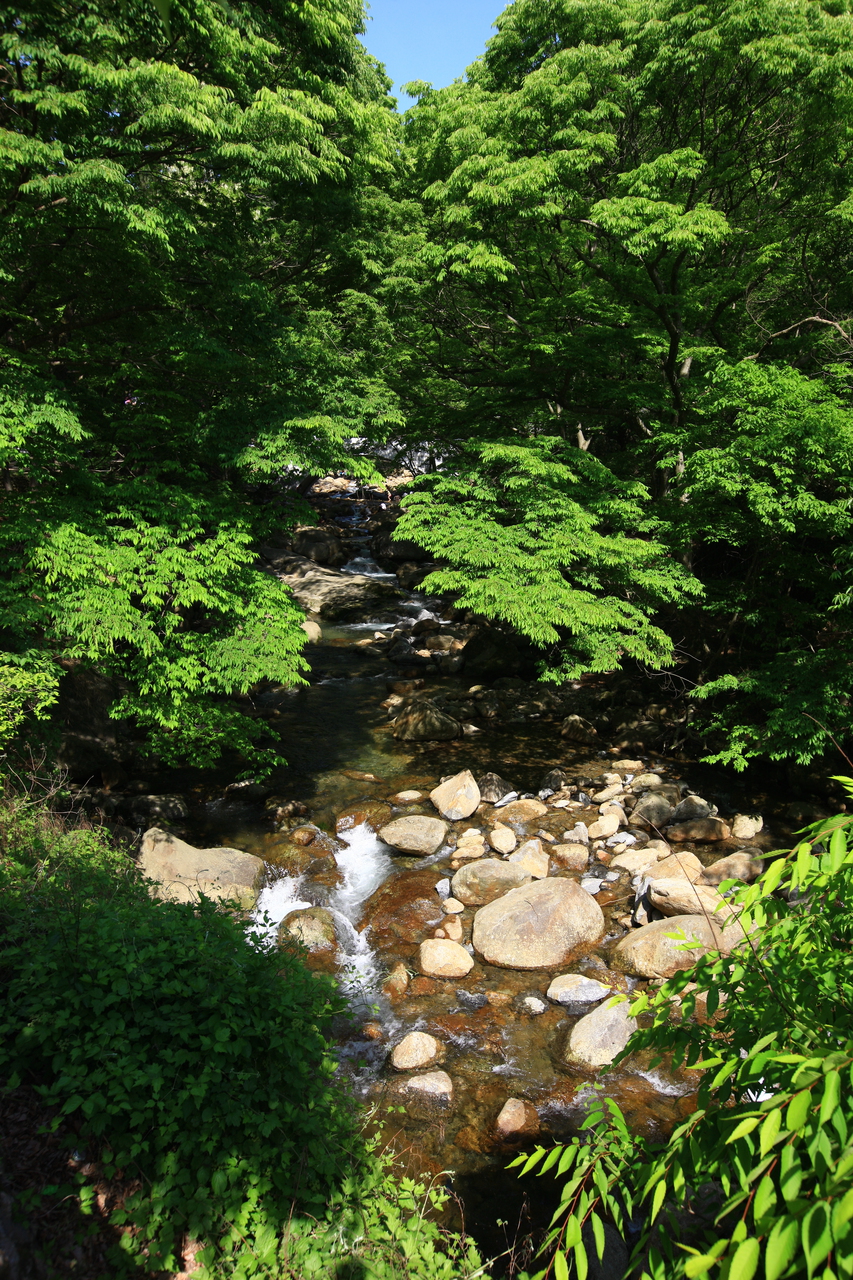
Jirisan Gurye Hwaeomsa Temple representative scenic panoramaZoom


+1More
1 / 6
Jirisan Gurye Hwaeomsa Temple representative scenic panorama
Curator's Guide & Overview
Comprehensive Guide1. Historical Origins & Cultural Background
Jirisan Gurye Hwaeomsa Temple is one of South Korea's most historically profound and architecturally awe-inspiring Buddhist holy places. Founded in 544 AD (the 22nd year of King Seong of Baekje) by the venerable Indian master monk Yeongi Josa, and later expanded by Great Master Uisang during the Unified Silla Dynasty, Hwaeomsa stands as the paramount head temple of the Avatamsaka (Flower Garland) Sutra tradition. Nestled gracefully in a deep, lush valley beneath Mount Jirisan's Nogodan Peak, the sanctuary seamlessly synthesizes immense stone monuments, grand wooden halls, and sacred mountain terrain.
2. Architectural Highlights & Key Structures
The architectural grandeur of Hwaeomsa is unmatched in South Korea, boasting three peerless National Treasures within a single courtyard. National Treasure No. 67, Gakhwangjeon Hall, is an awe-inspiring two-story multi-bracket wooden structure—the largest surviving wooden temple building in the nation alongside Geungnakjeon at Magoksa. Standing directly in front is National Treasure No. 12, the Gakhwangjeon Stone Lantern, carved in the 8th century and rising 6.4 meters, making it the largest historic stone lantern in Korea. Higher up on the hill of Hyodae stands National Treasure No. 35, the Four Lion Three-Story Stone Pagoda, featuring four fierce lions representing human emotions supporting a pagoda that honors filial devotion. Beside Gakhwangjeon grows the fabled Hwaeom Mae (Natural Monument No. 485), an ancient wild crimson plum blossom tree.
3. Four Seasons Landscape & Seasonal Visiting Charms
Hwaeomsa offers serene spiritual wonder across every season. Spring (March to April) is magical: in late March, the centuries-old wild plum tree bursts into deep scarlet and burgundy blossoms, drawing pilgrims and photographers to the annual 'Hwaeomsa Crimson Plum Photo Contest'. Summer (June to August) fills the dense forest valley with cool gushing stream waters and chanting monks beneath emerald canopies. Autumn (October to November) cloaks the surrounding peaks of Mount Jirisan in fiery crimson and gold maples. Winter brings peaceful dusting of pure white snow over the layered roofs and stone lanterns, offering sublime mountain monastery quietude.
4. Operating Hours & Peak Viewing Times
Hwaeomsa is open daily year-round from sunrise to dusk (06:00 to 19:00 in summer, 07:00 to 18:00 in winter). Dawn chanting (Yebul) commences at 03:30 in the morning and evening chanting at 18:00, both welcoming respectful visitors. Visiting between 08:30 and 11:00 provides soft morning sunlight illuminating the soaring eaves of Gakhwangjeon, while late afternoon (16:00 to 17:30) allows you to witness the deep golden sunset shadows lengthening across the granite courtyard. Plan approximately 2 to 3 hours for a complete exploration.
5. Admission Fees & Concessions (Youth/Foreigner Discounts)
Following South Korea's national cultural heritage preservation reform, admission to Hwaeomsa is completely FREE for all visitors (previously 3,500 KRW). Large open-air parking lots are located both at the lower tourist complex and directly adjacent to the Iljumun (First Mountain Gate), with parking provided free of charge. Temple stay programs (1-night experiential or rest-type) are available year-round via official reservation on the Korean Templestay website.
6. Public Transit & Subway Exit Directions
From Seoul, board the KTX or SRT from Yongsan or Suseo Station directly to KTX Guryegu Station (approx. 2 hours 10 minutes to 2 hours 25 minutes). From Guryegu Station, taxis reach the temple entrance in just 15 minutes (fare approx. 13,000 to 15,000 KRW). Alternatively, catch a local bus from Guryegu Station to Gurye Public Bus Terminal (10 minutes), then transfer to the local rural bus running directly to Hwaeomsa parking lot (runs every 30 to 40 minutes, 15 minutes). If driving, take the Suncheon-Wanju Expressway to Gurye Hwaeomsa IC, followed by a scenic 10-minute drive.
7. Barrier-Free Accessibility & Visitor Amenities
Hwaeomsa is committed to accessible heritage access. The main pathway from the upper parking plaza through Geumgangmun Gate to the Bojegru Pavilion courtyard consists of smooth asphalt and gently graded stone ramps suitable for standard wheelchairs and baby strollers. Ramps enable access to view Daeungjeon and the front terrace of Gakhwangjeon. Accessing the elevated Hyodae Hill (where the Four Lion Pagoda is perched) involves climbing steep outdoor stone staircases through bamboo groves, which is not wheelchair accessible. Accessible restrooms are located near the parking plaza and the temple administrative office.
8. Recommended Walking Route & Highlights Tour
Recommended 2-Hour Sacred Mountain Circuit: Arrive at Iljumun (One Pillar Gate) → Walk along the tranquil pine and valley stream path through Geumgangmun and Cheonwangmun (Four Heavenly Kings Gate) → Enter the vast open terrace in front of Bojegru → Marvel at the colossal timber architecture of Gakhwangjeon (National Treasure) and the towering 8th-century Stone Lantern → Bow before the sacred triad inside Daeungjeon → Admire the ancient crimson branches of the Hwaeom Plum Blossom tree → Climb the forested stone staircase up to Hyodae to view the Four Lion Three-Story Stone Pagoda overlooking the entire valley → Descend through the quiet bamboo grove → Sip wild mountain tea at the temple traditional teahouse.
9. Local Food Specialties & Regional Flavors
Gurye County is celebrated for its pristine agricultural and mountain foraging heritage. Near the entrance village of Hwangjeon-ri, indulge in a sumptuous Gurye Sanchae Hanjeongsik (a grand traditional table spread featuring over 25 foraged mountain greens from Mount Jirisan, seasoned with fragrant wild sesame oil and plum extract). Savor Daseulgi-guk (nutritious freshwater marsh snail soup simmered with fermented soybean paste and chives), Dotorimuk (acorn jelly salad), savory Pajeon, and chilled Gurye Sansuyu Makgeolli (a delicate pink rice wine infused with local Cornelian cherries).
10. Dietary Options (Vegetarian, Halal & Allergen Guide)
Vegetarians will find Hwaeomsa's surrounding culinary landscape to be one of the finest in Asia. Traditional temple-style restaurants at the base of Mount Jirisan specialize in pure Buddhist temple dining: deodeok root roasts, braised mountain thistle, wild fernbrake, bellflower root, shiitake mushrooms, and warm homemade tofu, prepared without meat, fish, or alliums (onion, garlic, scallion, leek, chive). Halal travelers can comfortably enjoy all wild vegetable banchan spreads, fresh tofu stews, acorn jelly, and freshwater marsh snail dishes.
11. Signature Photo Spots & Golden Hour Lighting
Signature photography angles: looking up at the majestic two-story timber facade of Gakhwangjeon with the monumental 8th-century stone lantern perfectly centered in the foreground; the deep crimson blossoms of the Hwaeom Plum Tree framing the weathered wooden lattice doors in late March; the panoramic vista of the temple roofs cascading down the valley viewed from the Four Lion Stone Pagoda atop Hyodae; and monks walking in meditation across the lantern-lit courtyard at twilight.
12. Visitor Etiquette & Cultural Property Regulations
Hwaeomsa is an active, deeply sacred monastic training center. Dress modestly, covering shoulders and knees; remove hats and sunglasses before entering prayer halls. Speak in soft, hushed tones and turn mobile phones to silent. Photography is strictly prohibited inside the worship halls while monks or worshippers are actively chanting or bowing. Do not touch or climb upon historic stone pagodas and lanterns. Mount Jirisan is a strictly protected National Park; smoking and open flames are forbidden throughout the sanctuary.
13. Safety Precautions & 1330 Tourism Hotline Support
Wear comfortable walking shoes or light hiking sneakers, as exploring the extensive complex involves cobblestones and stone steps. The mountain valley air can be considerably cooler than the plains; bring an extra layer or jacket during spring and autumn visits. For guided temple tours, cultural explanations, or Templestay bookings, contact the Hwaeomsa Administrative Office at 061-783-7600 or dial 1330.
14. Nearby Connected Attractions & Walking Links
Combine your Hwaeomsa excursion with other Mount Jirisan treasures: visit the picturesque Sansuyu Village in Sandong-myeon (celebrated for vibrant yellow Cornelian cherry blossoms in March), explore the tranquil hermitages of Cheongeunsa and Saseongam perched dizzyingly atop Mount Osan, or drive 25 minutes north to Gokseong Seomjin River Train Village (PLACE-JEONNAM-013).
15. Frequently Asked Questions (FAQ)
Q: What is the historical meaning of Gakhwangjeon? A: Originally named Jangnyukjeon and decorated with stone Avatamsaka Sutra tablets, the hall was destroyed during the Imjin War and rebuilt in 1702 under King Sukjong, who personally bestowed the name 'Gakhwangjeon' (覚皇殿), meaning 'Hall of the Enlightened Emperor', in tribute to the Buddha and royal imperial grace. Q: Why does the Four Lion Pagoda have four lions? A: The four lions, each displaying a different facial expression (joy, anger, sorrow, and pleasure), represent human emotions subdued by Buddhist wisdom, supporting the pagoda in reverence to monk Yeongi's mother.
16. Regional Extended Day Trip Itinerary
Jirisan Gurye Heritage & Nature Day Tour: Morning KTX to Guryegu Station → Taxi to Hwaeomsa Temple → Guided walk through Gakhwangjeon and climb to the Four Lion Stone Pagoda → Admire the ancient Crimson Plum Tree → Traditional 20-dish Sanchae Hanjeongsik lunch at Hwangjeon village → Drive to Osan Mountain to ride the shuttle up to Saseongam Hermitage for sweeping views over the Seomjin River → Stroll through the Gurye Sansuyu Village → Sample Cornelian cherry tea and local bakery treats → Evening return via KTX Guryegu Station.
Essential Visitor Facts
Operating Hours
Open daily year-round from sunrise to sunset (06:00 - 19:00 in summer, 07:00 - 18:00 in winter); Temple grounds remain peaceful and accessible for dawn prayers.
Admission / Price
Admission is completely FREE of charge following cultural heritage national reforms; Free parking is available at the lower and upper temple lots.
Closed Days
Closed on Mondays/Tuesdays
Best Time to Visit
Morning (around 09:30-10:00)
Transit & Access Directions
From KTX/SRT Yongsan or Suseo Station, take the train to KTX Guryegu Station (approx. 2 hours 10 minutes). From Guryegu Station, take a local bus or taxi directly to Hwaeomsa Temple (approx. 15 minutes, taxi fare roughly 13,000 to 15,000 KRW).
Accessibility & Special Amenities
Wheelchair ramps, tactile paving, accessible restrooms
Location Coordinates
Latitude: 35.2575
Longitude: 127.4985
Discover Themes & Highlights
Key interest areas and cultural highlights:
#gurye-hwaeomsa-temple#VisitJeonnam#KoreaTravelAtlas
Community Traveler Reviews0 Reviews
Visitor tips, feedback, and questions submitted by real travelers.
No community reviews submitted yet. Be the first traveler to share your experience!
Connected Cultural Destinations
Handpicked nearby attractions and regional cultural highlights.
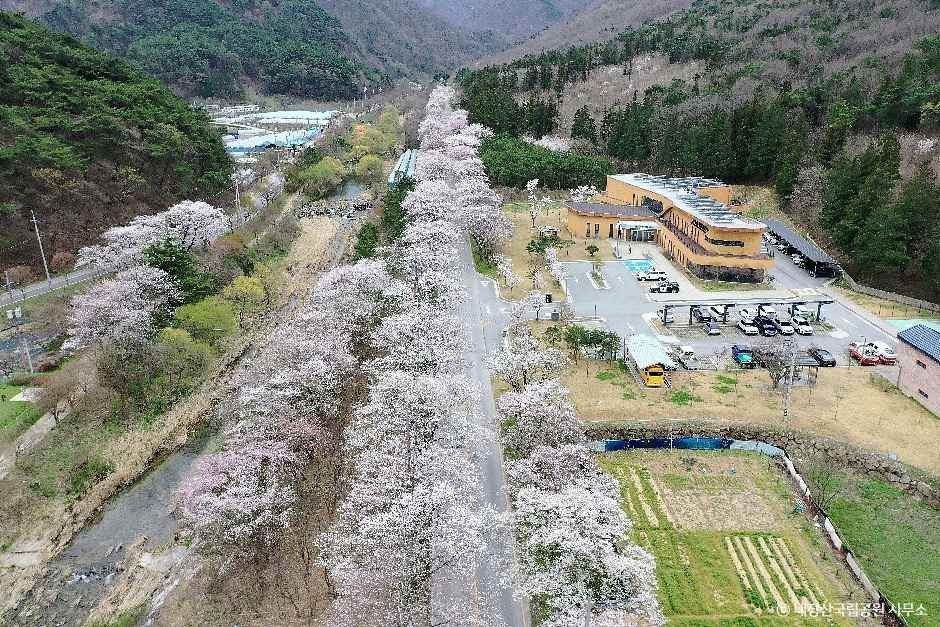
Naejangsan National Park (Autumn Foliage)
내장산국립공원Naejangsan National Park (Autumn Foliage), Jeongeup, Jeonbuk, South Korea
Naejangsan National Park is South Korea’s undisputed autumn foliage wonderland, renowned for its vivid crimson baby-leaf maples, the fairy-tale Uhwajeong water pavilion, soaring ridge cable car, an...
Morning (around 09:30-10:00)
Details→
Yeosu Hyangiram Ocean Hermitage
여수 향일암Yeosu Hyangiram Ocean Hermitage, Yeosu, Jeonnam, South Korea
Yeosu Hyangiram is South Korea’s premier ocean cliff hermitage, perched dramatically on the sheer vertical precipices of Mount Geumosan, famous for seven natural cavernous rock clefts, thousands of...
Morning (around 09:30-10:00)
Details→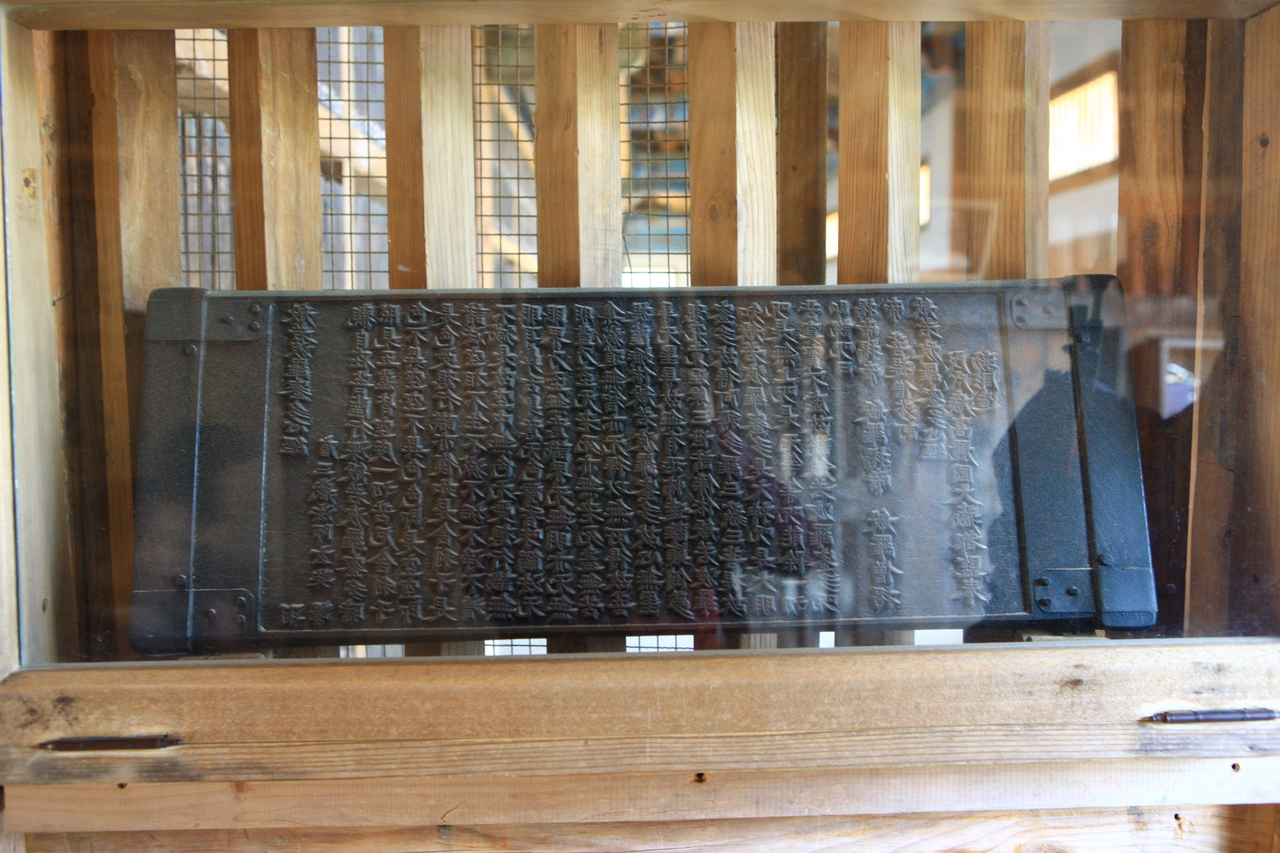
Haeinsa Temple & Tripitaka Koreana (UNESCO)
합천 해인사 장경판전Haeinsa Temple & Tripitaka Koreana (UNESCO), Hapcheon, Gyeongnam, South Korea
Haeinsa Temple is South Korea’s supreme Dharma jewel temple nestled deep within Mount Gayasan, world-renowned for Janggyeong Panjeon (UNESCO World Heritage)—the extraordinary 15th-century naturally...
Morning (around 09:30-10:00)
Details→
Jirisan National Park (Cheonwangbong Peak)
지리산국립공원 (천왕봉)Jirisan National Park (Cheonwangbong Peak), Sancheong, Gyeongnam, South Korea
Jirisan Cheonwangbong is the highest mountain peak on the South Korean mainland (1,915m), revered as the mother mountain and spiritual spine of Korea, legendary for its mystical sea-of-clouds sunri...
Morning (around 09:30-10:00)
Details→