Gyeongnam•Hapcheon•Heritage•Buddhist Temple
Haeinsa Temple & Tripitaka Koreana (UNESCO)
합천 해인사 장경판전
Powered by Korea Tourism OrganizationAddress: Haeinsa Temple & Tripitaka Koreana (UNESCO), Hapcheon, Gyeongnam, South Korea (경상남도 합천군 가야면 해인사길 122 (치인리 해인사))
Editorial review pending
Haeinsa Temple & Tripitaka Koreana (UNESCO) representative scenic panoramaZoom


+1More
1 / 6
Haeinsa Temple & Tripitaka Koreana (UNESCO) representative scenic panorama
Curator's Guide & Overview
Comprehensive Guide1. Historical Origins & Cultural Background
Haeinsa Temple, nestled in the misty, pine-clad valleys of Mount Gayasan National Park, is the supreme Dharma Jewel Temple (Beopbo Jongchal) among South Korea’s Three Jewel Temples. Founded in 802 AD during the Unified Silla Kingdom by Buddhist monks Suneung and Ijeong, Haeinsa derives its sacred name from the *Avatamsaka Sutra*’s concept of 'Haein Samadhi'—a tranquil state of meditation where the calm ocean mirrors all truths of the cosmos like a spotless mirror. In 1398, following the fall of Goryeo, the monastery became the permanent home of the Tripitaka Koreana, elevating Haeinsa into one of the most sacred Buddhist repositories on Earth.
2. Architectural Highlights & Key Structures
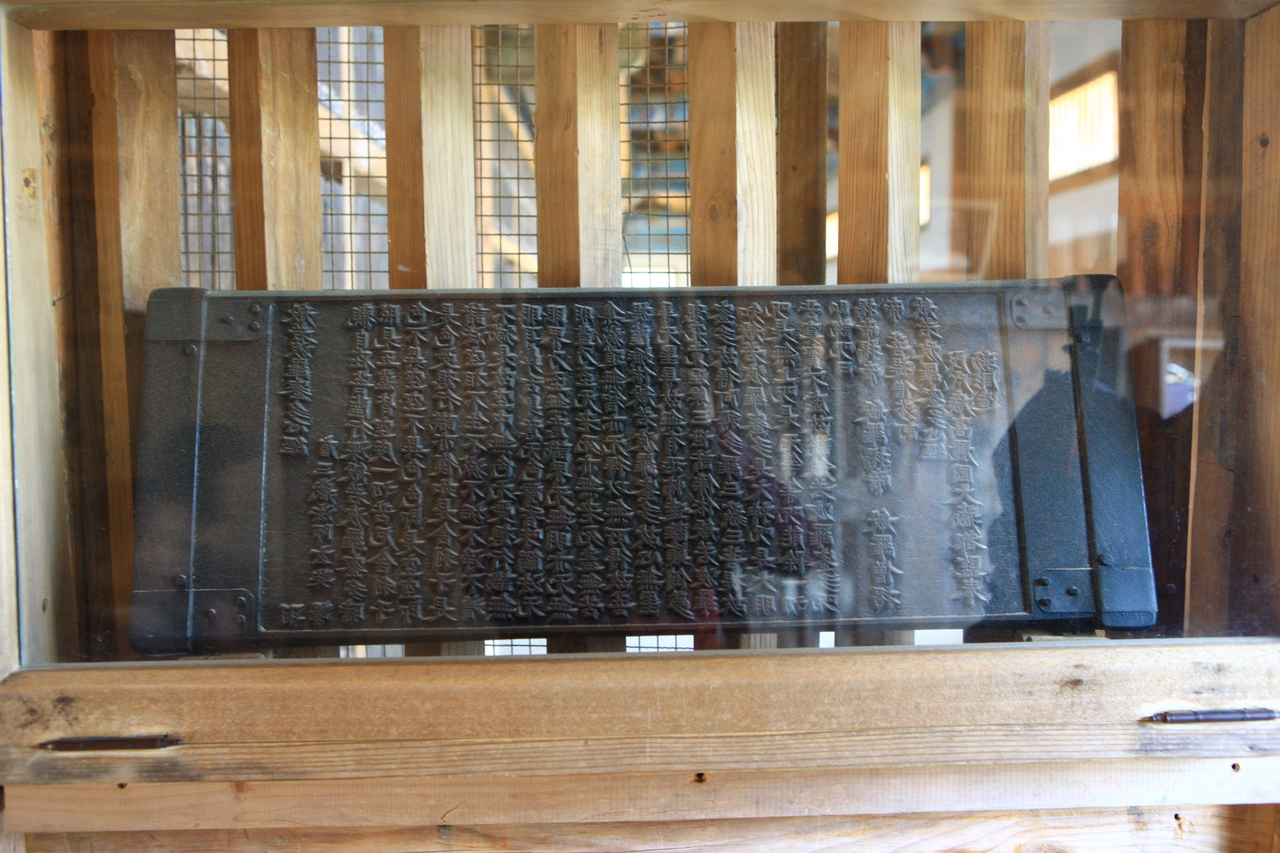
The global architectural and cultural pinnacle of Haeinsa is National Treasure No. 52: Janggyeong Panjeon, inscribed on the UNESCO World Heritage List in 1995. Built in the 15th century high on the northern terrace behind the main Buddha hall, these four simple wooden depositories house National Treasure No. 32: the Tripitaka Koreana (Palman Daejanggyeong)—81,258 double-sided birch woodblocks carved between 1236 and 1251 as a national prayer to repel the Mongol invasions. Recognized on the UNESCO Memory of the World Register in 2007, the woodblocks remain in pristine condition without warping, rotting, or insect damage after 770+ years. This miraculous preservation is entirely due to the depository’s ingenious natural ventilation architecture: windows on opposite walls feature deliberately staggered, unequal sizes (large lower and small upper windows on the south, reversing on the north) that utilize Mount Gayasan's valley thermal updrafts to maintain steady humidity and airflow without a kilowatt of electricity.
3. Four Seasons Landscape & Seasonal Visiting Charms
Haeinsa delivers profound spiritual and sensory wonder across all four seasons. Spring (April to May) awakens the ancient mountain approach in delicate wild azaleas, dogwoods, and blooming mountain cherries along Hongryudong Stream. Summer (June to August) fills the deep granite gorge with the roar of crystalline mountain torrents, providing cool, tranquil sanctuary under thousands of centuries-old Geumgangsong red pines. Autumn (September to November) is the visual zenith: fiery crimson and gold maples reflect so intensely in the stream waters that scholar Choe Chi-won named it 'Hongryudong' (The Valley of Red-Flowing Waters). Winter brings sacred hush, as deep white snow blankets the hipped wooden eaves and courtyard pagodas beneath towering snow-capped peaks.
4. Operating Hours & Peak Viewing Times
The temple grounds are open daily year-round from 08:30 to 18:00 (March to October) and 08:30 to 17:00 (November to February). To preserve the delicate 13th-century woodblocks from moisture, heat, and flash photography, visitors cannot enter the interior storage corridors of Janggyeong Panjeon; however, visitors are welcomed into the central stone courtyard to gaze directly through the historic wooden ventilation slats to view the towering rows of wooden blocks on their shelves. Allocate roughly 2.5 to 3 hours to leisurely walk the Hongryudong stream trail, explore the temple courtyards, and contemplate Janggyeong Panjeon.
5. Admission Fees & Concessions (Youth/Foreigner Discounts)
Following historic national cultural heritage reforms, admission to Haeinsa Temple, Janggyeong Panjeon courtyard, and Gayasan National Park is completely FREE for all visitors. Spacious paved municipal parking at the lower and upper village areas charges a flat daily fee of 4,000 KRW for passenger cars.
6. Public Transit & Subway Exit Directions
From Seoul, take the KTX to Dongdaegu Station (approx. 1 hour 45 minutes). Take Daegu Metro Line 1 to Seobu Bus Terminal Station, where direct intercity buses depart every 40 to 50 minutes for Haeinsa Terminal (approx. 1 hour 40 minutes). From Haeinsa Bus Terminal, a paved, shaded pine trail (the Sound of Water Trail / Sorigil) leads visitors past mountain streams directly to the Iljumun gate in about 15 minutes. Driving from Daegu takes roughly 1 hour via the Gwangju-Daegu Expressway (exit at Haeinsa IC).
7. Barrier-Free Accessibility & Visitor Amenities
The approach from the upper parking plaza and bus terminal to the Iljumun gate is a wide, smoothly paved asphalt and compacted dirt walkway beneath ancient pines, effortlessly accessible for strollers and wheelchairs. Within the temple grounds, the lower courtyards, Daejeokgwangjeon plaza, and visitor restrooms feature smooth stone ramps. However, ascending to the uppermost terrace where Janggyeong Panjeon sits involves several flights of historic granite stairs; visitors with limited mobility can request assistance at the temple administrative office for vehicular access via the service road. Free wheelchairs and strollers are loaned at the main temple information pavilion.
8. Recommended Walking Route & Highlights Tour
Recommended 2.5-Hour World Heritage Dharma Pilgrimage: Arrive at Haeinsa terminal and step onto the forested Sorigil (Sound of Water Trail) along Hongryudong Stream → Enter through the Iljumun (One Pillar Gate) into the majestic pine sanctuary → Pass through the Phoenix Gate (Bonghwangmun) and Haetalmun (Gate of Liberation) → Stand before the Three-Story Stone Pagoda in the central courtyard of Daejeokgwangjeon → Climb the rear stone steps through the arched portal to the sacred terrace of Janggyeong Panjeon → Walk respectfully around the perimeter of Sudarajang and Beopbojeon, peering through the wooden lattice windows at the 81,258 woodblocks → Contemplate the 15th-century natural ventilation genius → Visit the Haeinsa Museum to view historic Buddhist scrolls and rubbings → Walk back down to the village to enjoy an agrarian mushroom feast.
9. Local Food Specialties & Regional Flavors
Hapcheon and Gayasan mountain dining is celebrated for pure, wholesome Buddhist temple and agrarian flavors. Feast on Gayasan Sanchae Hanjeongsik (a royal mountain banquet of over 20 side dishes featuring wild fernbrake, bellflower root, shiitake and oyster mushrooms, and seasoned deodeok root). Savor Neongi-beoseot-jeongol (rich black pine mushroom hot pot simmered with mountain herbs), Hapcheon Hwangto Hanwoo (exquisite local beef raised on red-clay mineral feed), and Gayasan Dotori Muk-bap (cold acorn jelly broth with rice).
10. Dietary Options (Vegetarian, Halal & Allergen Guide)
Vegetarians will find Haeinsa to be a culinary paradise: all traditional village restaurants specialize in genuine Buddhist temple-style cooking free from the five pungent roots (Osinchae: garlic, green onion, leek, chive, and wild rocambole) upon request. Enjoy seasoned wild mountain greens, handmade bean curd stews, crispy potato pancakes, and sweet persimmon snacks. Halal and pescatarian travelers can savor wild mushroom hot pots, grilled deodeok roots, and rich mountain vegetable banquets prepared without meat broths or pork additives.
11. Signature Photo Spots & Golden Hour Lighting
Signature photographic perspectives: peering through the vertical wooden lattice window slats of Janggyeong Panjeon, capturing the rhythmic perspective lines of the 770-year-old Tripitaka Koreana woodblocks stacked on their natural cedar shelves; looking down from the upper terrace through the wooden gate at the tiled roofs of Daejeokgwangjeon framed by Mount Gayasan's pine ridges; the Three-Story Stone Pagoda illuminated by golden morning sunlight; and fiery autumn maples reflecting in the rushing jade waters of Hongryudong Stream.
12. Visitor Etiquette & Cultural Property Regulations
Sacred monastery etiquette: Haeinsa is one of the holiest living monasteries in world Buddhism. Maintain absolute quiet within the courtyards. Stepping inside the storage halls of Janggyeong Panjeon is strictly prohibited to protect the woodblocks from microclimatic disruption. Photography using flash is strictly banned. Do not touch or lean against the wooden lattice windows. Dress respectfully with covered shoulders and knees. Smoking and open flames are forbidden throughout the forested national park.
13. Safety Precautions & 1330 Tourism Hotline Support
Wear comfortable walking sneakers, as exploring the temple courtyards and Hongryudong stream trail involves about 3 kilometers of walking over stone paths and stairs. Because Haeinsa sits at an elevation of 600 meters in a deep mountain valley, temperatures are 3 to 5 degrees cooler than the plains; bring an extra jacket in spring and autumn. For temple stay reservations and guided heritage tours, contact the Haeinsa Information Office at 055-934-3000 or dial 1330.
14. Nearby Connected Attractions & Walking Links
Nearby attractions: walk the full 7-kilometer Hongryudong Sorigil (Sound of Water Trail) past Nongsanjeong Pavilion where scholar Choe Chi-won studied; hike Mount Gayasan to the craggy summit of Sangwangbong (1,430m); explore the historic filming sets at the Hapcheon Image Theme Park; or visit the massive Hwangmaesan County Park, famous for its royal azalea fields in spring and silver grass in autumn.
15. Frequently Asked Questions (FAQ)
Q: How was the Tripitaka Koreana carved? A: Over 16 years (1236–1251), scholars and craftsmen carved 52 million Chinese characters into 81,258 birch and silver magnolia blocks; the wood was soaked in sea water for three years, boiled in salt water, and dried in the shade to prevent cracking; each character was carved with a bow and prayer, resulting in zero known typographical errors across the entire corpus. Q: How does Janggyeong Panjeon maintain natural ventilation without electricity? A: Built at a 15-degree angle to face valley thermal updrafts, the depositories feature differently sized wooden lattice windows: the front windows have large openings below and small above, while the rear windows have small openings below and large above; this creates a natural convection cycle that draws fresh air across the earthen floor (mixed with charcoal, salt, and lime to regulate humidity) and expels moisture out the top.
16. Regional Extended Day Trip Itinerary
Haeinsa Temple & Tripitaka Koreana UNESCO Pilgrimage Day Tour: Morning departure from Daegu Seobu Terminal to Haeinsa Terminal → Walk the tranquil Hongryudong Sorigil pine forest trail to the Iljumun gate → Tour Daejeokgwangjeon courtyard and stone pagodas → Ascend to UNESCO World Heritage Janggyeong Panjeon to view the 81,258 Tripitaka Koreana woodblocks through the ventilation slats → Temple village lunch enjoying Gayasan Sanchae Hanjeongsik and wild mushroom stew → Visit the Haeinsa Museum to admire Buddhist relics → Afternoon stroll past Nongsanjeong Pavilion along the red maple gorge → Return to Daegu or Seoul.
Essential Visitor Facts
Operating Hours
Temple grounds open daily year-round 08:30 - 18:00 (summer) / 08:30 - 17:00 (winter); Janggyeong Panjeon courtyard open during temple hours; Gayasan hiking trail open from dawn.
Admission / Price
FREE ADMISSION following national cultural heritage reforms; Free entry to Haeinsa Temple, Janggyeong Panjeon courtyard, and Gayasan National Park; Parking fee: 4,000 KRW.
Closed Days
Closed on Mondays/Tuesdays
Best Time to Visit
Morning (around 09:30-10:00)
Transit & Access Directions
From Daegu Seobu Bus Terminal (Seobu Station on Daegu Metro Line 1), take a direct intercity bus to Haeinsa Bus Terminal (approx. 1 hour 40 minutes, departs every 40-50 minutes). From Haeinsa Terminal, walk 15 minutes along the forested stream path to the temple gate.
Accessibility & Special Amenities
Wheelchair ramps, tactile paving, accessible restrooms
Location Coordinates
Latitude: 35.8012
Longitude: 128.0985
Discover Themes & Highlights
Key interest areas and cultural highlights:
#hapcheon-haeinsa-tripitaka#VisitGyeongnam#KoreaTravelAtlas
Community Traveler Reviews0 Reviews
Visitor tips, feedback, and questions submitted by real travelers.
No community reviews submitted yet. Be the first traveler to share your experience!
Connected Cultural Destinations
Handpicked nearby attractions and regional cultural highlights.

Gongju Magoksa Temple (UNESCO)
공주 마곡사Gongju Magoksa Temple (UNESCO), Gongju, Chungnam, South Korea
Gongju Magoksa Temple, an acclaimed UNESCO World Heritage Mountain Monastery (Sansa), is renowned for its thousand-year-old wooden Daeungbojeon, the Taegeuk-shaped stream flowing through its courty...
Morning (around 09:30-10:00)
Details→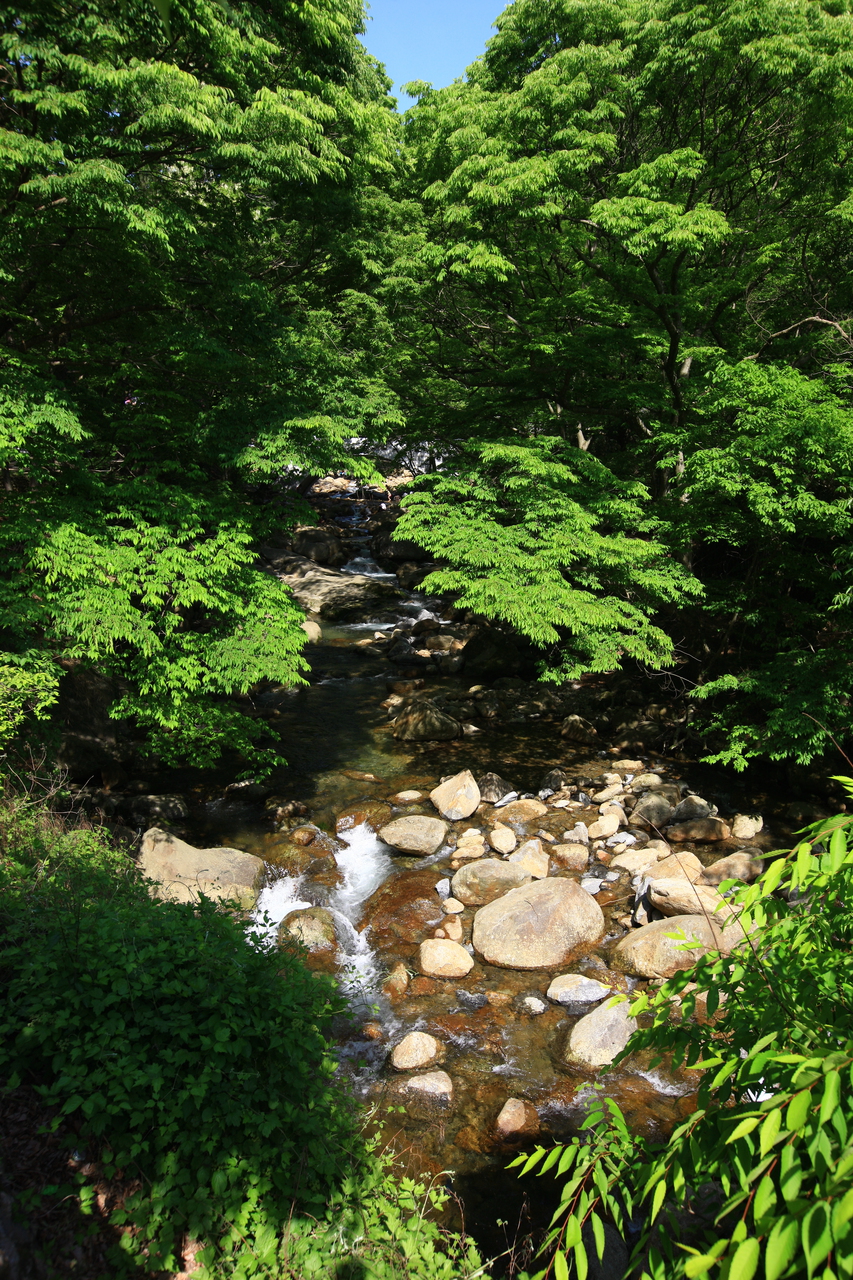
Jirisan Gurye Hwaeomsa Temple
구례 화엄사Jirisan Gurye Hwaeomsa Temple, Gurye, Jeonnam, South Korea
Jirisan Gurye Hwaeomsa is a monumental thousand-year-old Buddhist sanctuary on Mount Jirisan, revered for its peerless concentration of National Treasures—including the colossal two-story Gakhwangj...
Morning (around 09:30-10:00)
Details→
Seokguram Grotto (UNESCO)
석굴암Seokguram Grotto (UNESCO), Gyeongju, Gyeongbuk, South Korea
Seokguram Grotto is a supreme masterpiece of East Asian Buddhist art and a UNESCO World Heritage treasure, enshrining a monumental white granite Sakyamuni Buddha carved in 751 AD within a sublime s...
Morning (around 09:30-10:00)
Details→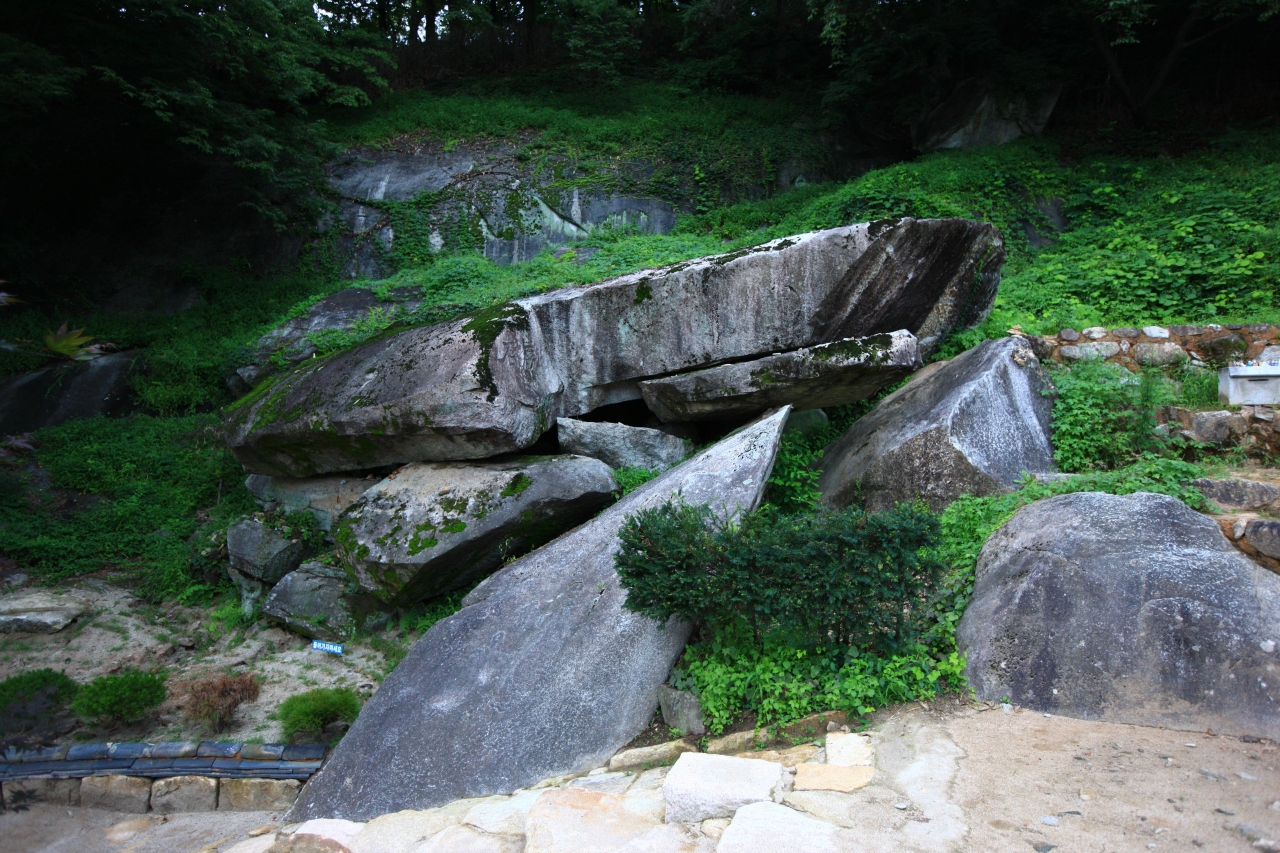
Yeongju Buseoksa Temple (UNESCO)
영주 부석사 (무량수전)Yeongju Buseoksa Temple (UNESCO), Yeongju, Gyeongbuk, South Korea
Yeongju Buseoksa Temple is a legendary UNESCO World Heritage mountain sanctuary on the slopes of Mount Bonghwangsan, world-renowned for Muryangsujeon (Hall of Infinite Life)—one of South Korea’s ol...
Morning (around 09:30-10:00)
Details→