Chungnam•Gongju•Heritage•Buddhist Temple
Gongju Magoksa Temple (UNESCO)
공주 마곡사
Powered by Korea Tourism OrganizationAddress: Gongju Magoksa Temple (UNESCO), Gongju, Chungnam, South Korea (충청남도 공주시 사곡면 마곡사로 966)
Editorial review pending

Gongju Magoksa Temple (UNESCO) representative scenic panoramaZoom


+1More
1 / 6
Gongju Magoksa Temple (UNESCO) representative scenic panorama
Curator's Guide & Overview
Comprehensive Guide1. Historical Origins & Cultural Background
Inscribed on the UNESCO World Heritage List in 2018 as one of the seven foundational Mountain Monasteries of Korea (Sansa), Gongju Magoksa Temple is a thousand-year-old spiritual sanctuary nestled within the serene slopes of Mount Taehwasan. Established in 640 AD by the revered Vinaya master Monk Jajang during the Silla Kingdom, the temple takes its name—literally meaning 'Flax Valley Temple'—from early historic accounts noting that crowds of faithful lay practitioners gathered so densely along the river valley that they resembled stalks of ripening flax seed.
2. Architectural Highlights & Key Structures
Magoksa possesses an extraordinary feng shui geomancy: the crystalline Taehwacheon Stream flows directly through the heart of the monastic complex in the fluid curvature of a water Taegeuk (Yin-Yang swirl). This natural stream organically divides the temple into two distinct spiritual zones connected by the wooden covered bridge Geungnakgyo. The northern courtyard features the two-story wooden Treasure Daeungbojeon (Treasure No. 801), one of Korea’s rare multi-level wooden temple halls, and Daegwangbojeon (Treasure No. 802). The southern compound preserves Haetalmun (Gate of Deliverance) and Cheonwangmun (Gate of the Four Heavenly Kings). Magoksa is also deeply revered as the patriotic sanctuary of Baekbeom Kim Ku, leader of the Korean Provisional Government, who took refuge here as an ordained monk in 1898 after assassinating an officer involved in the murder of Empress Myeongseong.
3. Four Seasons Landscape & Seasonal Visiting Charms
Spring brings the celebrated 'Chun-Magok' (Spring Magok) phenomenon, an ancient Korean adage declaring that spring scenery reaches its absolute zenith at Magoksa, when wild cherry blossoms, magnolias, and mountain azaleas drape the Taehwacheon stream in breathtaking pink and white petals. Summer envelops the forest valley in deep emerald green foliage and refreshing mountain currents. Autumn transforms the surrounding mountain slopes and riverside paths into a glowing mosaic of crimson and amber maple leaves. Winter brings profound monastic stillness, with pristine white snow crowning the heavy curved eaves of Daeungbojeon and floating ice forming along the swirling stream.
4. Operating Hours & Peak Viewing Times
The temple grounds welcome visitors daily from 06:00 to 18:00 throughout the year. The early morning hours between 07:00 and 09:30 offer the most serene experience, with misty river vapors floating over Geungnakgyo and the resonant echoes of Buddhist morning chanting (Yebul). The popular Baekbeom Meditation Trail requires approximately 1.5 to 2 hours of gentle hiking.
5. Admission Fees & Concessions (Youth/Foreigner Discounts)
Following nationwide cultural heritage reforms, admission to Magoksa Temple is completely free of charge. Spacious paved public parking is available free at the lower tourist complex, from which a scenic 1.2-kilometer forested riverside walking trail or a brief shuttle bus ride leads to the temple gates.
6. Public Transit & Subway Exit Directions
From Seoul, board the KTX from Yongsan Station or Suseo SRT to KTX Gongju Station (approx. 50 mins), or take an express bus from Seoul Express Bus Terminal to Gongju Comprehensive Bus Terminal (approx. 1 hr 30 mins). From Gongju Bus Terminal or the city center, board local City Bus 770 directly to the Magoksa Bus Terminus (approx. 45-50 minutes, departing roughly every 40-60 minutes). A taxi from Gongju city center takes approximately 25-30 minutes and costs about 26,000 to 28,000 KRW.
7. Barrier-Free Accessibility & Visitor Amenities
The approach from the bus terminus to Haetalmun and the main courtyards follows a flat, decomposed granite pathway shaded by towering pine trees that can be navigated by strollers and assisted wheelchairs. Wooden ramps provide access to the Geungnakgyo bridge area. The main monastic plazas surrounding Daegwangbojeon and Baekbeomdang are flat and easily accessible, though historical timber hall interiors have elevated wooden sills. Accessible restrooms are located near the main ticket office and adjacent to the cultural experience hall.
8. Recommended Walking Route & Highlights Tour
Recommended 3-Hour Heritage & Meditation Circuit: Walk through the towering Pine Forest Trail from the bus stop → Pass through Haetalmun and Cheonwangmun gates → Cross the sacred Geungnakgyo bridge over the Taegeuk stream → Marvel at the five-story Tibetan-style bronze stone pagoda (Treasure No. 799) and Daegwangbojeon → Climb the stone steps to the magnificent two-story Daeungbojeon hall → Visit Baekbeomdang Hall and view the historic Juniper Tree planted by Kim Ku in 1946 → Follow the Baekbeom Meditation Trail along the mountain stream to the historic Shaving Rock (Sakbalteo) → Enjoy wild mountain vegetable bibimbap at the temple gate village.
9. Local Food Specialties & Regional Flavors
The tourist village outside the temple gates is famed across Chungcheongnam-do for exceptional temple cuisine and local specialties. Signature dishes include Sanchae Hanjeongsik (wild mountain root and herb banquet with over 20 side dishes), fragrant Deodeok-gui (grilled seasoned mountain codonopsis root), Doenjang Jjigae made with temple-fermented soybean paste, crispy Pajeon (green onion pancake) pan-fried with wild mushrooms, and Gongju’s famous sweet Chestnut Makgeolli.
10. Dietary Options (Vegetarian, Halal & Allergen Guide)
Magoksa is an ideal destination for vegan, vegetarian, and halal visitors. The temple gate eateries offer pure plant-based Sanchae Bibimbap served with mountain vegetables sautéed in perilla oil, mushroom stews, and seasoned acorn jelly (Dotorimuk). The official Magoksa Temple Stay program serves 100% Buddhist vegetarian temple food (Barugongyang) free from animal products, garlic, and onions. Local village markets sell freshly roasted Gongju chestnuts, roasted chestnut bread, and traditional pine-needle tea.
11. Signature Photo Spots & Golden Hour Lighting
Iconic photographic perspectives: capturing the reflection of the crimson wooden Geungnakgyo bridge against the crystal-clear Taehwacheon Stream, a symmetrical wide-angle view of the rare two-story wooden Daeungbojeon surrounded by autumn maple foliage, close-ups of the intricate Dancheong woodwork on Daegwangbojeon’s roof, the historic juniper tree standing guard outside Baekbeomdang, and morning mist rolling over the Tibetan bronze spire of the stone pagoda.
12. Visitor Etiquette & Cultural Property Regulations
Magoksa is an active Buddhist monastery and UNESCO World Heritage sanctuary. Maintain reverent silence within the temple courtyards, particularly near the main prayer halls. Remove hats and shoes when entering Buddha halls, and do not take flash photographs of monks or worshipers. Do not disturb the stones along the stream beds or pick wild plants in the forest. Smoking and pets are strictly prohibited within the cultural heritage zones.
13. Safety Precautions & 1330 Tourism Hotline Support
Wear comfortable walking shoes or light hiking sneakers suitable for dirt trails and stone stairs. In summer, carry water and insect repellent for the mountain trail. For temple stay inquiries or official monk-guided tours, contact the Magoksa Temple Stay Office at 041-841-6226 or call 1330.
14. Nearby Connected Attractions & Walking Links
Combine your visit with Gongju’s historic downtown: Gongju Gongsanseong Fortress (UNESCO) is 30 minutes away by car or bus, and the Royal Tomb of King Muryeong (Songsan-ri Tumuli) is located 28 minutes to the south.
15. Frequently Asked Questions (FAQ)
Q: Why is it called 'Chun-Magok'? A: An ancient Korean saying praises 'Spring Magok, Autumn Gapsa' (Chun-Magok Chu-Gapsa), indicating that while nearby Gapsa Temple has magnificent autumn leaves, Magoksa's fresh mountain stream and blossoming cherry trees represent the pinnacle of springtime in Korea. Q: What is Kim Ku's connection to Magoksa? A: After escaping from Incheon Prison in 1898, Kim Ku sought sanctuary here, shaved his head at the stream, and lived as a Buddhist monk named Wonjong for over a year before dedicating his life to Korea's independence movement.
16. Regional Extended Day Trip Itinerary
UNESCO Gongju Heritage & Sansa Day Tour: KTX to Gongju Station → Bus 770 to Magoksa Temple → Pine forest walk and UNESCO temple exploration → Baekbeom Kim Ku meditation trail to Shaving Rock → Wild mountain herb lunch at Magoksa gate village → Afternoon bus to Gongju downtown → Walk the ramparts of Gongju Gongsanseong Fortress → Savor Gongju chestnut pastries at Sanseong Market → Return to Seoul via KTX or express bus.
Essential Visitor Facts
Operating Hours
Daily 06:00 - 18:00 (Open year-round; Temple Stay check-in 14:00)
Admission / Price
Free admission (Cultural Heritage fee abolished); Parking Free
Closed Days
Closed on Mondays/Tuesdays
Best Time to Visit
Morning (around 09:30-10:00)
Transit & Access Directions
From KTX Gongju Station or Gongju Comprehensive Bus Terminal, take City Bus 770 directly to Magoksa Bus Terminus (approx. 45-55 mins, runs every 40-60 mins)
Accessibility & Special Amenities
Wheelchair ramps, tactile paving, accessible restrooms
Location Coordinates
Latitude: 36.5595
Longitude: 127.0125
Discover Themes & Highlights
Key interest areas and cultural highlights:
#magoksa-temple-gongju#VisitChungnam#KoreaTravelAtlas
Community Traveler Reviews0 Reviews
Visitor tips, feedback, and questions submitted by real travelers.
No community reviews submitted yet. Be the first traveler to share your experience!
Connected Cultural Destinations
Handpicked nearby attractions and regional cultural highlights.
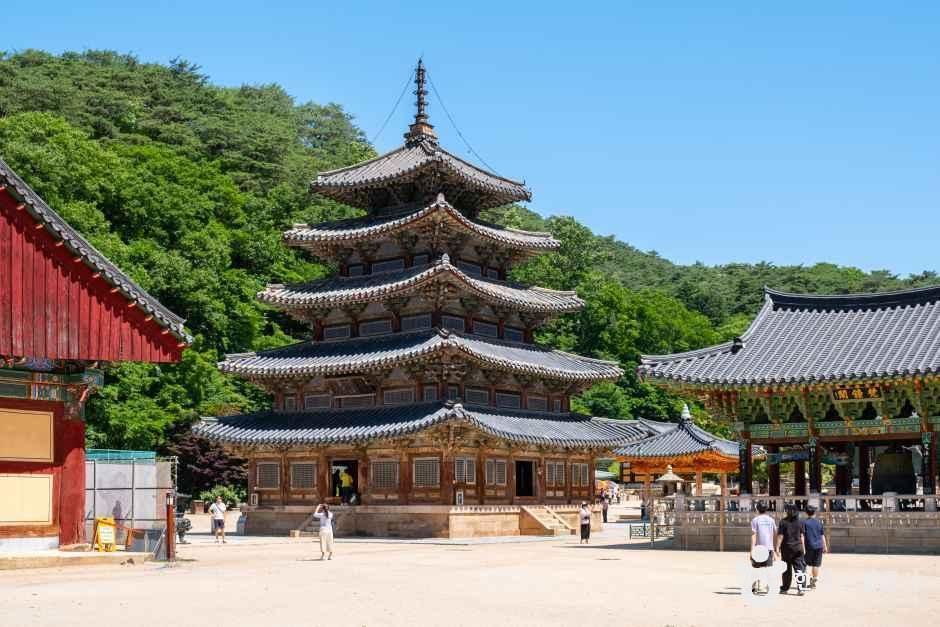
Songnisan National Park & Beopjusa (UNESCO)
속리산 법주사Songnisan National Park & Beopjusa (UNESCO), Boeun, Chungbuk, South Korea
Songnisan National Park and Beopjusa Temple is a UNESCO World Heritage Buddhist sanctuary founded in 553 AD, celebrated for Palsangjeon (Korea’s only surviving 5-story wooden pagoda, National Treas...
Morning (around 09:30-10:00)
Details→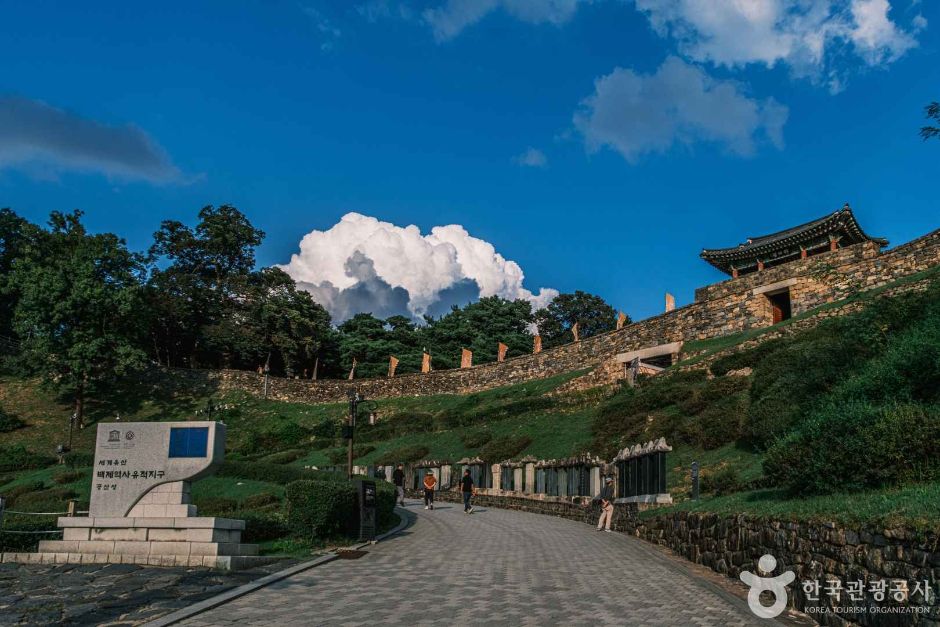
Gongju Gongsanseong Fortress (UNESCO)
공주 공산성Gongju Gongsanseong Fortress (UNESCO), Gongju, Chungnam, South Korea
Gongju Gongsanseong Fortress is a UNESCO World Heritage mountain rampart overlooking the Geumgang River, serving as the royal capital fortress of the ancient Baekje Kingdom (475–538 AD) during the ...
Morning (around 09:30-10:00)
Details→
Buyeo Busosanseong & Nakhwaam Rock
부여 부소산성 낙화암Buyeo Busosanseong & Nakhwaam Rock, Buyeo, Chungnam, South Korea
Buyeo Busosanseong Fortress and Nakhwaam Rock is a UNESCO World Heritage sanctuary along the Baengmagang River, famed for Nakhwaam ("The Rock of Falling Flowers"), the legendary rejuvenating spring...
Morning (around 09:30-10:00)
Details→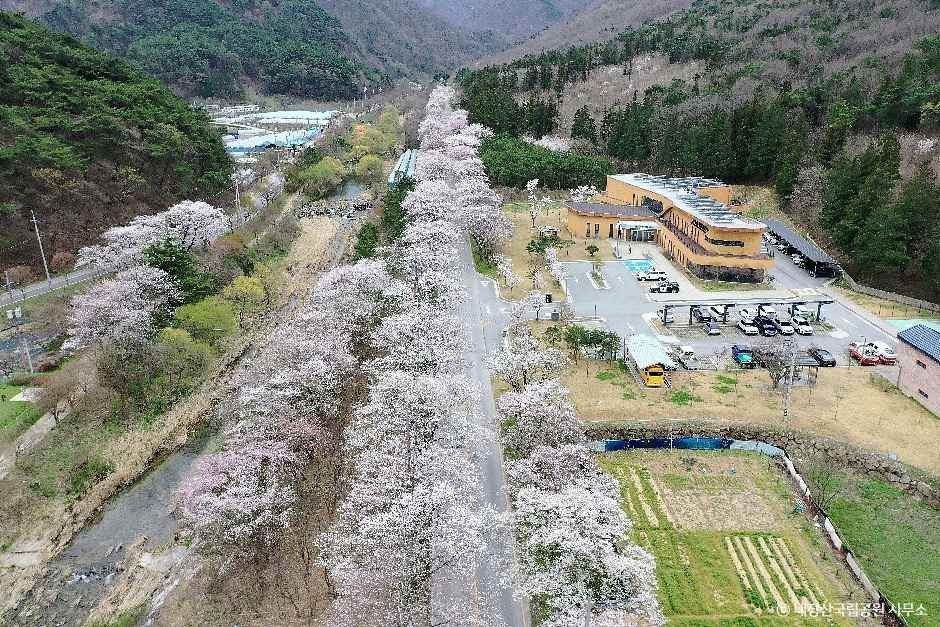
Naejangsan National Park (Autumn Foliage)
내장산국립공원Naejangsan National Park (Autumn Foliage), Jeongeup, Jeonbuk, South Korea
Naejangsan National Park is South Korea’s undisputed autumn foliage wonderland, renowned for its vivid crimson baby-leaf maples, the fairy-tale Uhwajeong water pavilion, soaring ridge cable car, an...
Morning (around 09:30-10:00)
Details→