Chungbuk•Boeun•Heritage•Buddhist Temple
Songnisan National Park & Beopjusa (UNESCO)
속리산 법주사
Powered by Korea Tourism OrganizationAddress: Songnisan National Park & Beopjusa (UNESCO), Boeun, Chungbuk, South Korea (충청북도 보은군 속리산면 법주사로 405 (사내리))
Editorial review pending
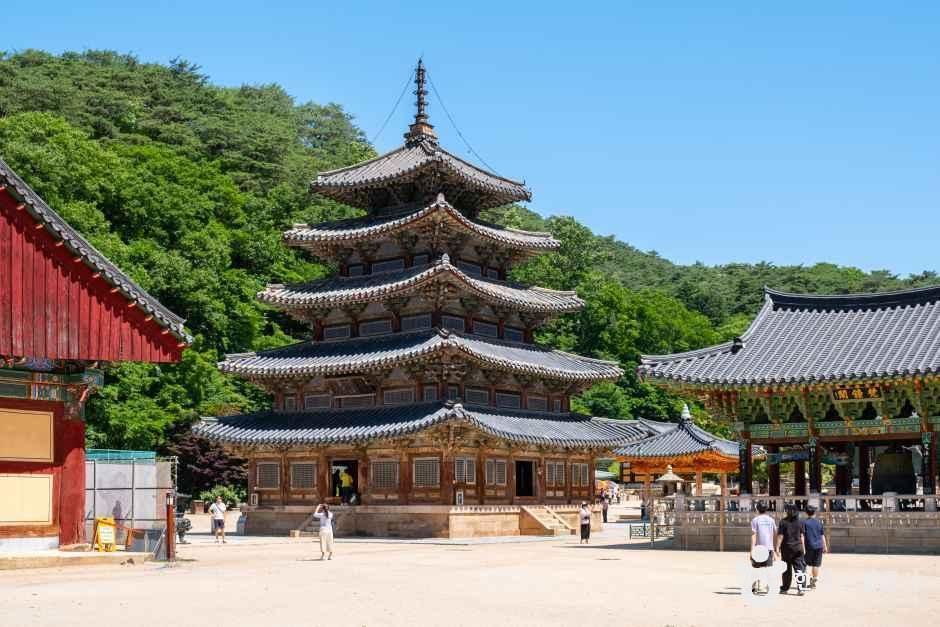
Songnisan National Park & Beopjusa (UNESCO) representative scenic panoramaZoom


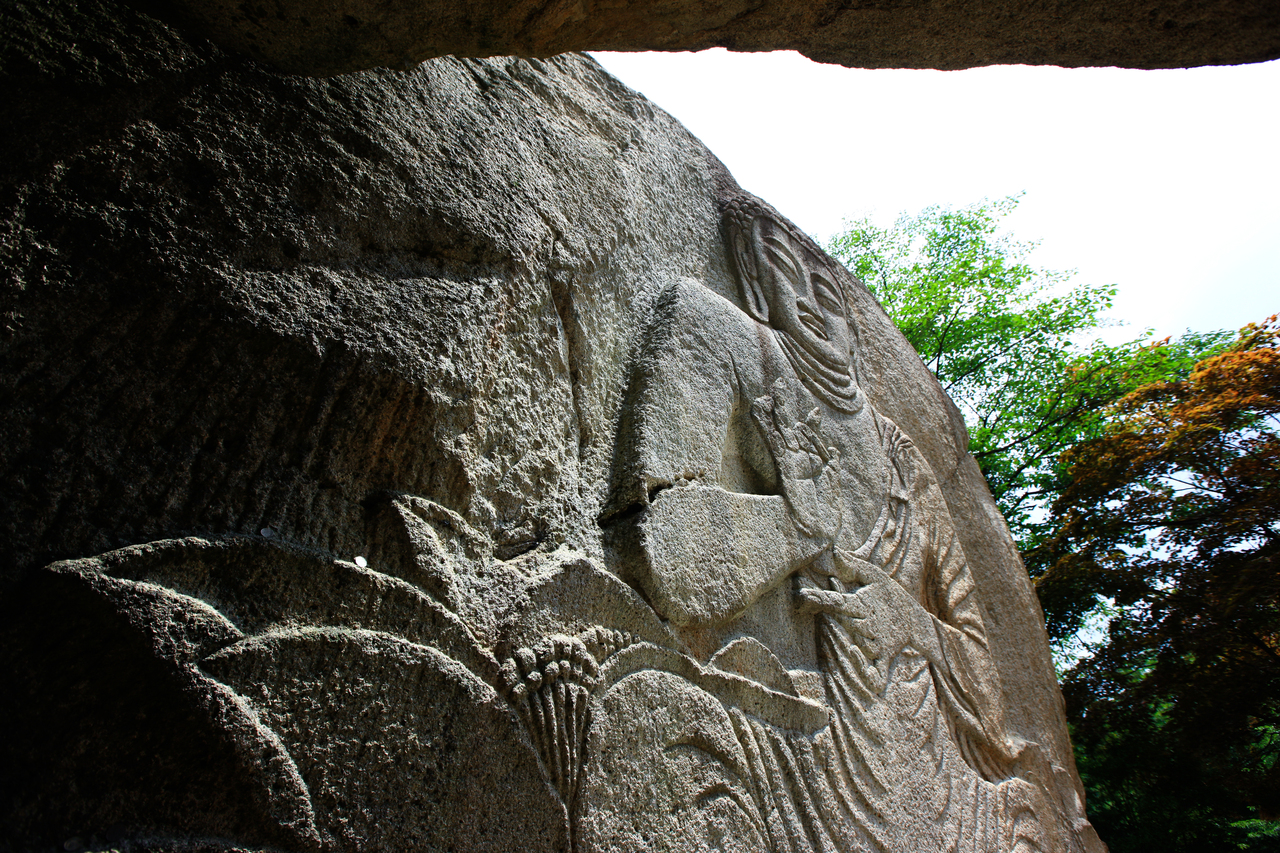

+1More
1 / 6
Songnisan National Park & Beopjusa (UNESCO) representative scenic panorama
Curator's Guide & Overview
Comprehensive Guide1. Historical Origins & Cultural Background
Designated as a UNESCO World Heritage site under the inscription "Sansa, Buddhist Mountain Monasteries in Korea," Beopjusa Temple was established in 553 AD during the reign of King Jinheung of the Silla Dynasty by Eminent Monk Uisin. Nestled at the foot of Mount Songnisan ('The Mountain Departing from the Mundane World'), Beopjusa served as the historical cradle of Maitreya (Beopsang) faith in Korea. Its spiritual prestige was elevated further during the Joseon Dynasty when King Sejo stayed here in 1464 to recuperate from chronic illness, granting royal protection to the sanctuary.
2. Architectural Highlights & Key Structures
The temple precinct is a veritable open-air museum of Korean national treasures. Its crowning jewel is Palsangjeon (National Treasure No. 55), the only surviving multi-tiered wooden pagoda in South Korea, rising five stories (22.7 meters) with concentric hipped roofs and housing eight classical narrative paintings of Buddha’s life. Dominating the courtyard is the colossal 33-meter Golden Maitreya Buddha, cast with 160 tons of bronze and overlaid with pure gold leaf. Other priceless artifacts include the Twin Lion Stone Lantern (National Treasure No. 5), the Iron Pot (capable of cooking food for 3,000 monks), and the Seated Stone Bodhisattva.
3. Four Seasons Landscape & Seasonal Visiting Charms
Spring brings soft pink cherry blossoms arching over the historic Orisup pine trail and fresh mountain water coursing through the Dalcheon stream. Summer offers cool alpine hiking shaded by ancient broadleaf trees along the Sejo-gil trail. Autumn transforms Songnisan into one of central Korea’s most spectacular foliage showpieces, with fiery red maples contrasting against the weathered timber of the five-story wooden pagoda. Winter brings pristine snowscapes, coating the golden Buddha and the pine boughs in silent white majesty.
4. Operating Hours & Peak Viewing Times
The temple grounds and Songnisan trailheads are open 24 hours a day year-round. Monastic halls are open for worship from 06:00 to 18:30 daily. Optimal visiting hours are between 08:30 and 11:00 in the morning, when the rising sun illuminates the golden face of the 33-meter Maitreya statue and soft mist rises off the Dalcheon stream along the Sejo-gil path.
5. Admission Fees & Concessions (Youth/Foreigner Discounts)
Admission to Beopjusa Temple and Songnisan National Park is completely free of charge, following the landmark abolition of national cultural heritage admission fees in 2023. Standard vehicular parking at the Songnisan public parking lot costs 5,000 KRW for compact/regular passenger cars. Temple stay programs range from 70,000 to 100,000 KRW per adult per night for rest and experiential formats.
6. Public Transit & Subway Exit Directions
Direct intercity express buses depart regularly from Seoul Central City Terminal (Gangnam) and Dong Seoul Terminal directly to Songnisan Intercity Bus Terminal (approx. 2 hours 40 minutes). From the terminal, a delightful, flat 15-minute walk along the pedestrian-only Orisup trail leads straight to the Iljumun Gate. If traveling via KTX, arrive at KTX Osong Station or Daejeon Station, then take an intercity bus via Boeun to Songnisan.
7. Barrier-Free Accessibility & Visitor Amenities
Beopjusa and the famous Sejo-gil trail are world-class models of barrier-free natural design. The 2-kilometer Orisup approach and the first 2.3-kilometer section of Sejo-gil (from Beopjusa to the tranquil Sujeongbong reservoir) are laid with smooth decomposed granite and wide step-free wooden decking designed specifically for wheelchairs and strollers. The temple courtyard features flat gravel pathways and low stone ramps into major viewing plazas. Barrier-free restrooms are available at the entrance and museum.
8. Recommended Walking Route & Highlights Tour
Recommended 3-Hour Zen & Heritage Trail: Arrive at Songnisan Terminal → Stroll through the towering pines of the 1km Orisup Trail → Pass the historic Iljumun (One Pillar Gate) and Geumgangmun Gate → Behold the five-story wooden pagoda Palsangjeon (National Treasure No. 55) → Pay respects before the colossal 33-meter Golden Maitreya Buddha and Twin Lion Stone Lantern → Walk the barrier-free Sejo-gil trail to the reflection pool of Sujeong Reservoir → Enjoy wild mountain bibimbap at the temple village.
9. Local Food Specialties & Regional Flavors
Boeun is renowned nationwide as South Korea's jujube (red date) capital. Savor Boeun Jujube Hanjeongsik (royal banquet featuring sweet dried jujubes braised into rice, stews, and side dishes), Sanchae Bibimbap loaded with wild bracken, deodeok, and fragrant pine mushrooms, and Boeun Sundae (blood sausage stuffed with vegetables and glass noodles in a rich bone broth). Try traditional Boeun Makgeolli brewed with local jujubes.
10. Dietary Options (Vegetarian, Halal & Allergen Guide)
Beopjusa's temple village is an exceptional destination for vegetarian and vegan travelers. Sanchae Jeongsik spreads feature over 25 individual vegetable banchan dishes seasoned with natural sesame oil, wild perilla, and mountain salt. Local restaurants readily prepare Haemul-excluded Bibimbap, pan-fried tofu, potato jeon, and acorn jelly (Dotorimuk). Halal diners can comfortably enjoy vegetarian bibimbap and mountain herb dishes.
11. Signature Photo Spots & Golden Hour Lighting
Iconic photo opportunities: a dynamic low-angle composition framing the five tiers of Palsangjeon Pagoda against the blue autumn sky, standing before the majestic 33-meter Golden Maitreya Buddha as morning sunlight sets the gold leaf ablaze, the Twin Lion Stone Lantern viewed with ancient timber temple halls in the soft background, and the emerald reflection of Mount Songnisan on the glassy waters of Sujeong Reservoir along Sejo-gil.
12. Visitor Etiquette & Cultural Property Regulations
Beopjusa is a functioning monastic center of the Jogye Order. Maintain quiet voices and walk respectfully in temple courtyards. Do not touch or lean against the wooden pillars of Palsangjeon. Remove footwear before stepping onto the polished wooden floors of Daeungbojeon. Photography of meditators and monks during prayer services is strictly prohibited.
13. Safety Precautions & 1330 Tourism Hotline Support
The Sejo-gil trail is gentle and well-maintained, but if continuing higher up Mount Songnisan to Munjangdae Peak (1,054m), sturdy hiking boots, warm layers, and drinking water are required. In winter, icy patches on mountain trails necessitate hiking cleats (crampons). In case of emergency, contact the Songnisan National Park Office at 043-542-5267 or call the 1330 Korea Travel Hotline.
14. Nearby Connected Attractions & Walking Links
The Sejo-gil path continues 3.5 kilometers past Beopjusa to reach Seosimjeong Pavilion, where hikers can ascend the famous rocky summit of Munjangdae (1,054m) for panoramic views of the Baekdudaegan mountain spine. A 20-minute drive south leads to the historic Jeongipumsong (Lord Pine Tree, Natural Monument No. 103).
15. Frequently Asked Questions (FAQ)
Q: What makes Palsangjeon Pagoda so unique? A: It is the only surviving five-story wooden pagoda in South Korea, built with interlocking mortise-and-tenon joints without a single steel nail, housing the historic Eight Scenes of the Life of Buddha. Q: Is the Sejo-gil trail suitable for wheelchairs? A: Yes, the first 2.3km section from Beopjusa to Sujeong Reservoir is completely barrier-free with smooth wooden boardwalks and packed clay paths.
16. Regional Extended Day Trip Itinerary
Songnisan UNESCO Heritage Day Tour: Morning express bus from Seoul to Songnisan Terminal → walk through the historic Orisup pine forest → explore Beopjusa Temple, Palsangjeon wooden pagoda, and Golden Buddha → scenic walk along Sejo-gil to Sujeong Reservoir → Jujube Hanjeongsik and mountain herb lunch in the temple village → visit the historic 600-year-old Jeongipumsong Pine Tree → evening return bus to Seoul.
Essential Visitor Facts
Operating Hours
Songnisan Grounds & Sejo-gil open 24/7; Beopjusa Temple Halls: 06:00 - 18:30 daily year-round
Admission / Price
Free Public Admission (Cultural asset admission fee fully abolished in 2023)
Closed Days
Closed on Mondays/Tuesdays
Best Time to Visit
Morning (around 09:30-10:00)
Transit & Access Directions
From Seoul Central City / Dong Seoul Terminal, take direct intercity bus to Songnisan Intercity Bus Terminal (approx. 2 hrs 40 mins), then walk 15 mins through the pine park to Beopjusa Iljumun Gate
Accessibility & Special Amenities
Wheelchair ramps, tactile paving, accessible restrooms
Location Coordinates
Latitude: 36.5412
Longitude: 127.8345
Discover Themes & Highlights
Key interest areas and cultural highlights:
#songnisan-beopjusa-temple#VisitChungbuk#KoreaTravelAtlas
Community Traveler Reviews0 Reviews
Visitor tips, feedback, and questions submitted by real travelers.
No community reviews submitted yet. Be the first traveler to share your experience!
Connected Cultural Destinations
Handpicked nearby attractions and regional cultural highlights.

Apsan Park & Sunset Observatory
앞산전망대 케이블카Apsan Park & Sunset Observatory, Daegu, South Korea
Apsan Park & Sunset Observatory is Daegu’s largest natural municipal park, spreading across scenic valleys and granite ridges of Mount Apsan at 600 meters above sea level. The mountain is crowned b...
Morning (around 09:30-10:00)
Details→
Guinsa Mountain Temple
구인사Guinsa Mountain Temple, Danyang, Chungbuk, South Korea
Guinsa is the monumental headquarters of the Cheontae Order of Korean Buddhism, tucked into a dramatic canyon of Sobaeksan, renowned for multi-story grand palaces, towering temple halls accommodati...
Morning (around 09:30-10:00)
Details→
Cheongnamdae Presidential Villa
청남대Cheongnamdae Presidential Villa, Cheongju, Chungbuk, South Korea
Cheongnamdae is South Korea’s storied former presidential lakeside retreat, dubbed the "Blue House of the South," set across 1.8 square kilometers of pristine Daecheongho Lake shoreline, featuring ...
Morning (around 09:30-10:00)
Details→
Chungju Lake & Jungangtap Pagoda
충주 중앙탑 및 충주호Chungju Lake & Jungangtap Pagoda, Chungju, Chungbuk, South Korea
Chungju Jungangtap Historic Park and Chungju Lake features the National Treasure No. 6 Seven-Story Stone Pagoda marking the exact geographic center of ancient Unified Silla, paired with scenic lake...
Morning (around 09:30-10:00)
Details→