Chungbuk•Chungju•Heritage•Ancient Relic Site
Chungju Lake & Jungangtap Pagoda
충주 중앙탑 및 충주호
Powered by Korea Tourism OrganizationAddress: Chungju Lake & Jungangtap Pagoda, Chungju, Chungbuk, South Korea (충청북도 충주시 중앙탑면 탑평리 11 (중앙탑길 112))
Editorial review pending
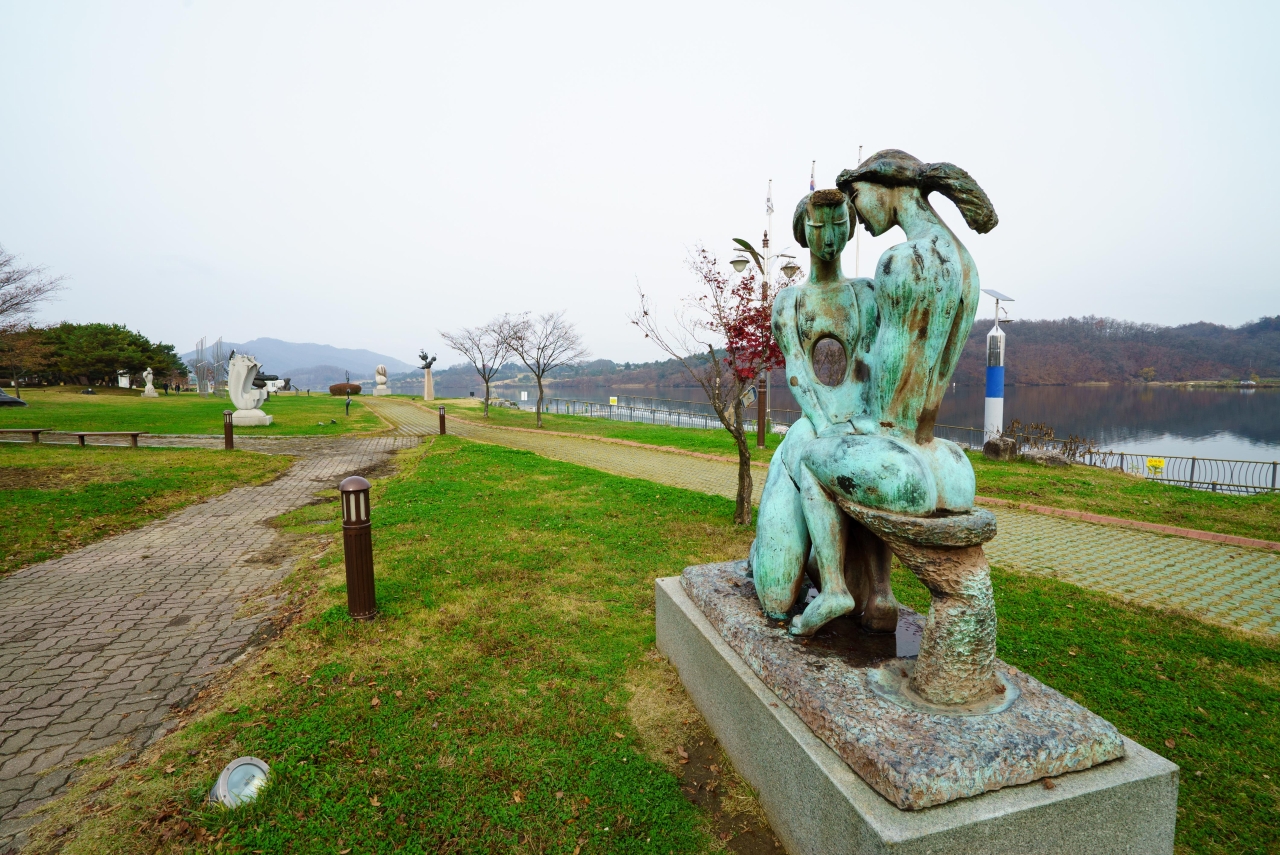
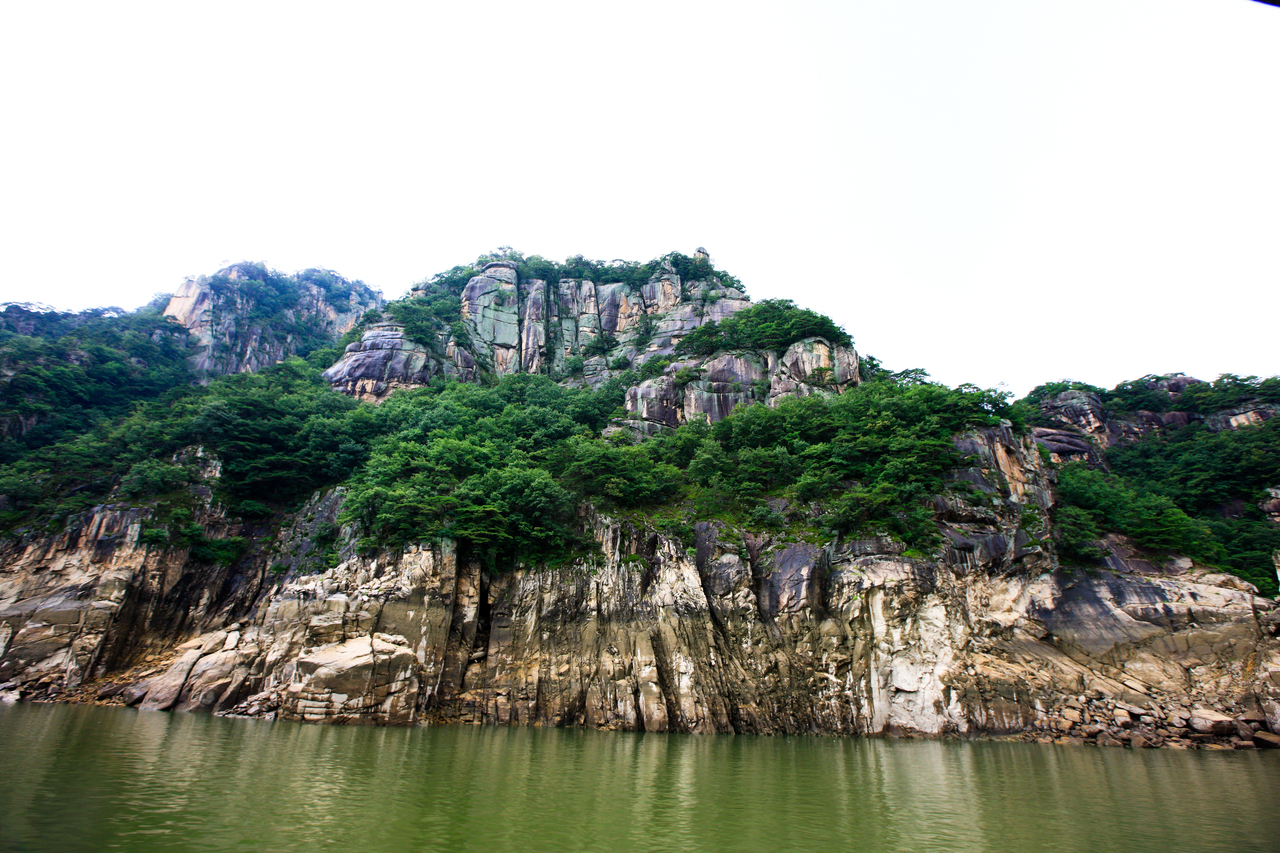
Chungju Lake & Jungangtap Pagoda representative scenic panoramaZoom
+1More
1 / 6
Chungju Lake & Jungangtap Pagoda representative scenic panorama
Curator's Guide & Overview
Comprehensive Guide1. Historical Origins & Cultural Background
Erected on a low embankment overlooking the sweeping waters of the Namhangang River, the Tappyeong-ri Seven-Story Stone Pagoda (National Treasure No. 6), colloquially revered across the nation as Jungangtap ('The Central Pagoda'), marks the exact geographic center of ancient Unified Silla. According to folklore, King Wonseong (r. 785–798) dispatched two swift runners of identical speed from the northernmost and southernmost borders of his realm simultaneously; the spot where they met in the middle was chosen to erect this soaring beacon, symbolizing the territorial unity and cultural harmony of the peninsula.
2. Architectural Highlights & Key Structures
Standing 14.5 meters tall atop a broad two-tiered foundation, Jungangtap is the tallest stone pagoda surviving from the Unified Silla period, renowned for its majestic verticality, powerful upward thrust, and harmonious proportions. Surrounding the monument is the 100,000-square-meter Jungangtap Historic Park, incorporating the Chungju Museum, the World Martial Arts Park, and an open-air sculpture garden with works by premier Korean sculptors reflecting over the river. Nearby lies Chungju Lake, an inland sea formed by Chungju Multipurpose Dam stretching over 67 square kilometers.
3. Four Seasons Landscape & Seasonal Visiting Charms
Spring brings blooming cherry blossoms along the river banks and pleasant sailing conditions on Chungju Lake. Summer offers cool river breezes, outdoor rowing races on the Tangeum Lake International Regatta Course, and illuminated evening strolls across the rainbow-lit water bridges. Autumn bathes the park in golden ginkgo and fiery maple leaves reflecting across the serene water basin. Winter showcases mist rising from the lake waters, snow-capped peaks framing the stone pagoda, and migrating waterfowl gliding along the riverbanks.
4. Operating Hours & Peak Viewing Times
Jungangtap Historic Park, the river promenades, and the outdoor sculpture garden are open 24/7 year-round with complimentary access. The Chungju Museum operates Tuesday through Sunday from 09:00 to 18:00 (closed Mondays). Chungju Lake sightseeing cruise boats depart daily from 09:00 to 17:00 (schedule varies with seasonal weather). Late afternoon into twilight (16:30 to 18:30) is the magical hour, when the setting sun silhouettes the ancient stone pagoda against the tranquil river and modern artistic floodlights illuminate the monument.
5. Admission Fees & Concessions (Youth/Foreigner Discounts)
Admission to Jungangtap Historic Park, the open-air sculpture museum, and the indoor Chungju Museum is completely free of charge. Scenic pleasure cruises on Chungju Lake (operating from Chungju Ferry Dock to Cheongpung) cost 16,000 KRW for adults and 10,000 KRW for children. The historic park provides extensive free public parking.
6. Public Transit & Subway Exit Directions
From Seoul Pangyo Station or Suseo, take the KTX-Jungbunaeryuk train directly to KTX Chungju Station (approx. 45 to 55 minutes). From Chungju Station bus terminal, board local city bus route 400, 404, or 411 directly to the Jungangtap Park stop in approximately 25 minutes. Taxis from Chungju Station reach the park in 15 minutes for approximately 12,000 KRW.
7. Barrier-Free Accessibility & Visitor Amenities
Jungangtap Historic Park is an exemplary barrier-free park. The vast grassy lawns and riverside walking circuits are paved with smooth, continuous asphalt and composite decking, providing effortless navigation for wheelchair users and baby strollers. Wheelchair ramps are installed at the pagoda viewing platform and the Chungju Museum entrance. ADA-compliant restrooms and complimentary wheelchair rentals are available at the park information office.
8. Recommended Walking Route & Highlights Tour
Recommended 3-Hour Heritage & Lake Tour: Arrive at Jungangtap Historic Park → Walk up to National Treasure No. 6 Jungangtap Pagoda and admire its 14.5m Silla stone craftsmanship → Stroll through the riverside Contemporary Sculpture Park → Explore the ancient iron culture and Unified Silla artifacts at Chungju Museum → Rent a bicycle to ride along the scenic Tangeum Lake Boardwalk (Rainbow Bridge) → Take a scenic cruise on Chungju Lake → Savor famous Chungju Makguksu with fried chicken.
9. Local Food Specialties & Regional Flavors
Chungju's riverside basin has cultivated a unique regional culinary culture. Don't miss Chungju Makguksu (buckwheat cold noodles garnished with sweet and savory seasoned dried pollack or refreshing radish broth), famously paired with whole Crispy Fried Chicken (Tongdak). Savor fresh Chungju Apple Slices and Apple Dumplings, wild Namhangang Freshwater Fish Stew (Maeuntang), and Pheasant Meat Multi-course Cuisine (Kkwong Yori), a delicate historical royal specialty featuring pheasant shabu-shabu, dumplings, and skewers.
10. Dietary Options (Vegetarian, Halal & Allergen Guide)
Vegetarian and plant-based diners will find welcoming options: Buckwheat Makguksu (ordered without pollack or meat garnish) paired with crispy buckwheat pancakes (Memiljeon) and potato jeon. Village diners serve fresh organic tofu hot pots (Dubu Jeongol) and wild vegetable bibimbap. Halal travelers will find apple-infused vegan dishes, fish stews, and buckwheat noodles fully compliant.
11. Signature Photo Spots & Golden Hour Lighting
Premier photo spots include: a classical straight-on shot framing the full 14.5-meter pagoda against the wide expanse of the Namhangang River, nighttime shots when warm LED lights illuminate the stone surfaces of Jungangtap against a dark indigo sky, walking across the illuminated rainbow-lit pedestrian bridge stretching over Tangeum Lake, and panoramic vistas of mountain peaks receding into the lake mist from the deck of a cruising lake ferry.
12. Visitor Etiquette & Cultural Property Regulations
Jungangtap is a supreme National Treasure; climbing upon the stone tiers or tossing coins onto the base is strictly prohibited. Bicycles and electric scooters must yield to pedestrians on shared river paths. Dispose of all trash in designated bins to protect water quality in the Namhangang reservoir.
13. Safety Precautions & 1330 Tourism Hotline Support
River breezes can be brisk near the lake, especially in early spring and autumn evenings; a light windbreaker is recommended. Lake cruises may suspend operations during heavy fog, torrential rains, or severe drought. For cruise schedules and water conditions, call the Chungju Lake Cruise Terminal at 043-851-7400 or dial 1330.
14. Nearby Connected Attractions & Walking Links
Just 10 minutes downriver lies Tangeumdae Park, a high pine-crested bluff where Silla music master Ureuk played his 12-string gayageum and General Shin Rip made his heroic last stand during the 1592 Imjin War. Across the river lies the Chungju World Martial Arts Park and the ancient Iron Metallurgy Museum.
15. Frequently Asked Questions (FAQ)
Q: Why is the pagoda called Jungangtap? A: 'Jungang' means 'center'; the pagoda was erected during the Unified Silla Dynasty to mark the exact geographical center of the unified kingdom. Q: Can I walk across the bridge over the lake? A: Yes, the Tangeum Lake Rainbow Bridge is a dedicated pedestrian-only floating wooden walkway that lights up in rainbow colors after sunset.
16. Regional Extended Day Trip Itinerary
Chungju Heritage & Lake Day Tour: Morning KTX from Pangyo/Seoul to Chungju Station → visit National Treasure Jungangtap and Chungju Museum → lakeside stroll through the sculpture park and Rainbow Bridge → famous Chungju Makguksu and fried chicken lunch → afternoon scenic boat cruise on Chungju Lake → walk through the historic pine groves of Tangeumdae → evening KTX return to Seoul.
Essential Visitor Facts
Operating Hours
Jungangtap Park & Tangeumdae open 24/7 year-round; Chungju Museum: Tue - Sun 09:00 - 18:00 (Closed Mondays); Chungju Lake Cruises: 09:00 - 17:00 daily
Admission / Price
Jungangtap Park & Museum Free; Chungju Lake Sightseeing Cruise: Adults 16,000 KRW, Children 10,000 KRW; Parking Free
Closed Days
Closed on Mondays/Tuesdays
Best Time to Visit
Morning (around 09:30-10:00)
Transit & Access Directions
From KTX Chungju Station, take City Bus 400, 404, or 411 to Jungangtap Park bus stop (approx. 25 mins) or take taxi (approx. 15 mins, ~12,000 KRW)
Accessibility & Special Amenities
Wheelchair ramps, tactile paving, accessible restrooms
Location Coordinates
Latitude: 37.0142
Longitude: 127.8685
Discover Themes & Highlights
Key interest areas and cultural highlights:
#chungju-lake-jungangtap#VisitChungbuk#KoreaTravelAtlas
Community Traveler Reviews0 Reviews
Visitor tips, feedback, and questions submitted by real travelers.
No community reviews submitted yet. Be the first traveler to share your experience!
Connected Cultural Destinations
Handpicked nearby attractions and regional cultural highlights.

Danyang Mancheonha Skywalk
단양 만천하스카이워크Danyang Mancheonha Skywalk, Danyang, Chungbuk, South Korea
Danyang Mancheonha Skywalk is an exhilarating cantilevered cliff-perched glass horseshoe observation complex rising 120 meters above the Namhangang River, boasting panoramic vistas of Sobaeksan, hi...
Morning (around 09:30-10:00)
Details→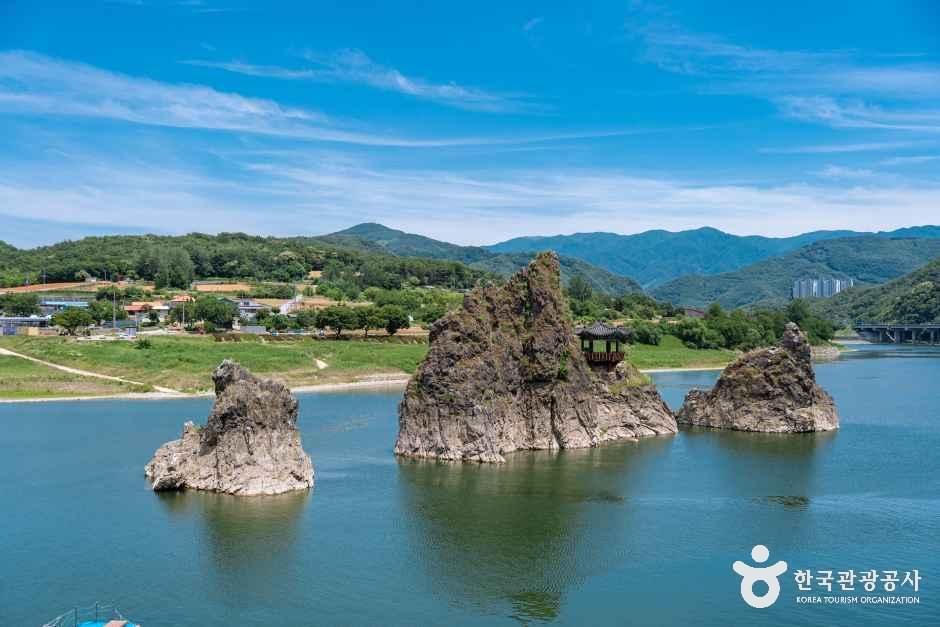
Dodamsambong Three Stone Peaks
도담삼봉Dodamsambong Three Stone Peaks, Danyang, Chungbuk, South Korea
Dodamsambong Three Stone Peaks is the crown jewel of the Eight Scenic Views of Danyang, featuring three limestone karst peaks rising majestically from the emerald waters of the Namhangang River, cl...
Morning (around 09:30-10:00)
Details→
Cheongju Early Printing Museum (Jikji)
청주고인쇄박물관 (직지)Cheongju Early Printing Museum (Jikji), Cheongju, Chungbuk, South Korea
Cheongju Early Printing Museum is the UNESCO Memory of the World sanctuary commemorating Jikji, the world’s oldest extant book printed with movable metal type in 1377 AD at Heungdeoksa Temple, feat...
Morning (around 09:30-10:00)
Details→
Suanbo Natural Hot Springs
수안보온천Suanbo Natural Hot Springs, Chungju, Chungbuk, South Korea
Suanbo Natural Hot Springs is South Korea’s oldest naturally erupting thermal mineral sanctuary, celebrated for over a millennium as the "Spring of Kings" where Joseon King Taejo bathed to heal, bo...
Morning (around 09:30-10:00)
Details→