Chungbuk•Cheongju•Culture•Museum
Cheongju Early Printing Museum (Jikji)
청주고인쇄박물관 (직지)
Powered by Korea Tourism OrganizationAddress: Cheongju Early Printing Museum (Jikji), Cheongju, Chungbuk, South Korea (충청북도 청주시 흥덕구 직지대로 713 (운천동))
Editorial review pending

Cheongju Early Printing Museum (Jikji) representative scenic panoramaZoom


+1More
1 / 6
Cheongju Early Printing Museum (Jikji) representative scenic panorama
Curator's Guide & Overview
Comprehensive Guide1. Historical Origins & Cultural Background
Cheongju Early Printing Museum stands as a global monument to human intellectual advancement, situated directly on the excavated temple grounds of historic Heungdeoksa Temple. In July 1377, during the Goryeo Dynasty, Buddhist Master Baegun Hwasang compiled the teachings of Zen masters into a sacred volume titled Baegun Hwasang Chorok Buljo Jikji Simche Yojeol (abbreviated universally as Jikji). Using revolutionary reusable sand-cast bronze movable type, monks printed this text—predating Johannes Gutenberg's 42-Line Bible in Mainz, Germany by 78 full years. In 2001, UNESCO inscribed Jikji onto the Memory of the World Register.
2. Architectural Highlights & Key Structures
The museum complex encompasses over 43,000 square meters, housing five specialized exhibition halls, the Geumsokhwalja (Metal Movable Type) Production Demonstration Hall, and the restored main prayer hall (Geumdang) and pagoda of Heungdeoksa Temple Site (Historic Site No. 315). Visitors can view faithful high-resolution replicas of Jikji (the sole surviving original volume is preserved in the National Library of France in Paris), ancient woodblock printing matrices, early Korean typography, and Western movable type evolution through interactive multimedia galleries.
3. Four Seasons Landscape & Seasonal Visiting Charms
Spring brings blooming plum and cherry blossoms to the tranquil pine-lined grounds of Heungdeoksa Temple Site. Summer provides an intellectual, air-conditioned haven of cultural exploration, accompanied by live metal casting demonstrations in the workshop pavilion. Autumn surrounds the temple foundations and pagodas in deep golden ginkgo foliage, hosting the nationwide Cheongju Jikji Korea International Festival. Winter offers reflective peacefulness, with snow dusting the stone pagodas and traditional tile roofs.
4. Operating Hours & Peak Viewing Times
The museum operates Tuesday through Sunday from 09:00 to 18:00 (admission closes at 17:30). It is closed on Mondays (except public holidays) and on January 1st, Seollal, and Chuseok holidays. Authentic Metal Movable Type Casting Demonstrations by an Intangible Cultural Heritage Master Craftsman take place on designated weekend mornings and afternoons (check monthly schedule at entrance). Morning visits between 09:30 and 12:00 offer uncrowded gallery touring and quiet walking in the temple grounds.
5. Admission Fees & Concessions (Youth/Foreigner Discounts)
Admission to Cheongju Early Printing Museum, the Metal Movable Type Training Center, and the Heungdeoksa Temple Site is completely free of charge. Hands-on traditional Hanji paper-making, woodblock rubbing, and type-setting workshops cost a nominal fee of 1,000 to 3,000 KRW for materials. Complimentary parking is available at the museum visitor parking lot.
6. Public Transit & Subway Exit Directions
From Seoul Station or Suseo, take the KTX-Gyeongbu or SRT high-speed train to KTX Osong Station (approx. 45 minutes). From Osong Station Bus Transfer Center, board Express Bus 747 or City Bus 511/517 directly to the 'Cheongju Early Printing Museum' stop in approximately 35 minutes. Alternatively, a taxi from Osong Station takes approximately 20 minutes and costs about 16,000 KRW.
7. Barrier-Free Accessibility & Visitor Amenities
The museum is designed with exceptional barrier-free accessibility. Smooth step-free ramps and tactile paving connect the main entrance, outdoor plazas, and the Heungdeoksa Temple Site. Inside the galleries, wide level corridors, ADA-compliant elevators, wheelchair-accessible restrooms, and braille signage are fully integrated. Complimentary wheelchairs and strollers are available for loan at the information desk.
8. Recommended Walking Route & Highlights Tour
Recommended 2-Hour Intellectual Heritage Route: Arrive at Cheongju Early Printing Museum → Explore Exhibition Hall 1 to discover the scientific history of Goryeo movable metal type and the creation of Jikji → Marvel at the detailed diorama depicting the 1377 printing workshop at Heungdeoksa → Cross to the Intangible Cultural Heritage Pavilion to watch live bronze-type casting → Try hands-on traditional ink woodblock rubbing on handmade Hanji paper → Walk across to the serene Heungdeoksa Temple Site to see the restored stone pagoda → Browse Jikji-inspired artisanal souvenirs.
9. Local Food Specialties & Regional Flavors
Cheongju features distinctive culinary traditions rooted in central Chungcheong terroir. Try Cheongju-style Samgyeopsal (pork belly simmered in a seasoned herbal soy marinade before charcoal roasting), comforting bowls of Seonji Haejangguk (hangover stew with ox blood and cabbage), Olgaengiguk (marsh snail soup with fermented soybean paste), and crispy hand-made Dumplings (Mandu) from the historic Yukgeori Traditional Market.
10. Dietary Options (Vegetarian, Halal & Allergen Guide)
The surrounding Uncheon-dong district features trendy modern cafes and bakeries along 'Unnidang-gil' (Uncheon-dong cafe street) offering plant-based drinks, oat milk coffees, and fresh fruit pastries. Vegetarian diners will find delicious choices at nearby Korean diners, including seasoned soybean curd soup (Dubu-jjigae), wild vegetable bibimbap, and sweet pumpkin porridge. Halal travelers will find vegetable bibimbap and pure bakery items readily available.
11. Signature Photo Spots & Golden Hour Lighting
Signature photo opportunities: standing before the giant bronze replica of Jikji’s opening page in the central lobby, capturing the serene reconstructed Geumdang Hall of Heungdeoksa Temple framed by towering pine trees, close-up shots of hands-on ink rubbing prints on crisp white Hanji paper, and posing beside the historic bronze sculpture of Master Baegun Hwasang examining metal type in the courtyard.
12. Visitor Etiquette & Cultural Property Regulations
The museum is a world cultural heritage educational institution. Speak quietly inside exhibition galleries and turn off camera flashes to protect fragile paper and textile relics. Food and beverages are not allowed inside the exhibition halls. Do not climb on the stone pagoda foundations at the Heungdeoksa Temple archaeological site.
13. Safety Precautions & 1330 Tourism Hotline Support
All indoor galleries are climate-controlled; carry a light cardigan in summer. Audio guide devices in English, Japanese, and Chinese are available for free loan at the main information counter. For group tour reservations and live casting demonstration schedules, contact the museum office at 043-201-4266 or call 1330.
14. Nearby Connected Attractions & Walking Links
Adjacent to the museum is the trendy Uncheon-dong 'Unridang-gil' cafe alley, filled with artisan coffee shops and book workshops. A 10-minute drive leads to the historic fortress walls of Sangdangsanseong, while 15 minutes leads to the historic Suamgol Mural Village and drama filming sets.
15. Frequently Asked Questions (FAQ)
Q: Where is the original Jikji book today? A: The sole surviving second volume of Jikji is currently housed in the National Library of France (Bibliothèque nationale de France) in Paris, collected by French diplomat Victor Collin de Plancy in the late 19th century; the museum displays exact authorized replicas. Q: Why was Goryeo metal type superior to woodblocks? A: Metal type could be endlessly disassembled, reorganized, and reused to print multiple diverse books quickly, revolutionizing the democratization of knowledge.
16. Regional Extended Day Trip Itinerary
Cheongju World Heritage & Art Day Tour: Morning KTX from Seoul to Osong Station → visit Cheongju Early Printing Museum and Heungdeoksa Temple Site → hands-on Hanji woodblock printing experience → Cheongju Samgyeopsal lunch in Yukgeori Market → explore hillside murals and sunset views at Suamgol Village → visit Sangdangsanseong Fortress walls → evening KTX return to Seoul.
Essential Visitor Facts
Operating Hours
Tue - Sun 09:00 - 18:00 (Last entry 17:30); Closed Mondays, New Year’s Day, Seollal, and Chuseok
Admission / Price
Free Public Admission (Permanent exhibition galleries and Heungdeoksa Temple Site are free)
Closed Days
Open 365 Days
Best Time to Visit
Morning (around 09:30-10:00)
Transit & Access Directions
From KTX Osong Station, take Express Bus 747 or City Bus 511/517 to Cheongju Early Printing Museum stop (approx. 35 mins)
Accessibility & Special Amenities
Wheelchair ramps, tactile paving, accessible restrooms
Location Coordinates
Latitude: 36.6435
Longitude: 127.4685
Discover Themes & Highlights
Key interest areas and cultural highlights:
#cheongju-early-printing-museum#VisitChungbuk#KoreaTravelAtlas
Community Traveler Reviews0 Reviews
Visitor tips, feedback, and questions submitted by real travelers.
No community reviews submitted yet. Be the first traveler to share your experience!
Connected Cultural Destinations
Handpicked nearby attractions and regional cultural highlights.

Gyeongbokgung Palace
경복궁Gyeongbokgung Palace, Seoul, South Korea
Gyeongbokgung Palace is the grandest royal palace of the Joseon Dynasty, established in 1395 in northern Seoul. Framed by Mount Baegaksan, its majestic grounds encompass Geunjeongjeon Throne Hall, ...
HalalMorning (around 09:30-10:00)
Details→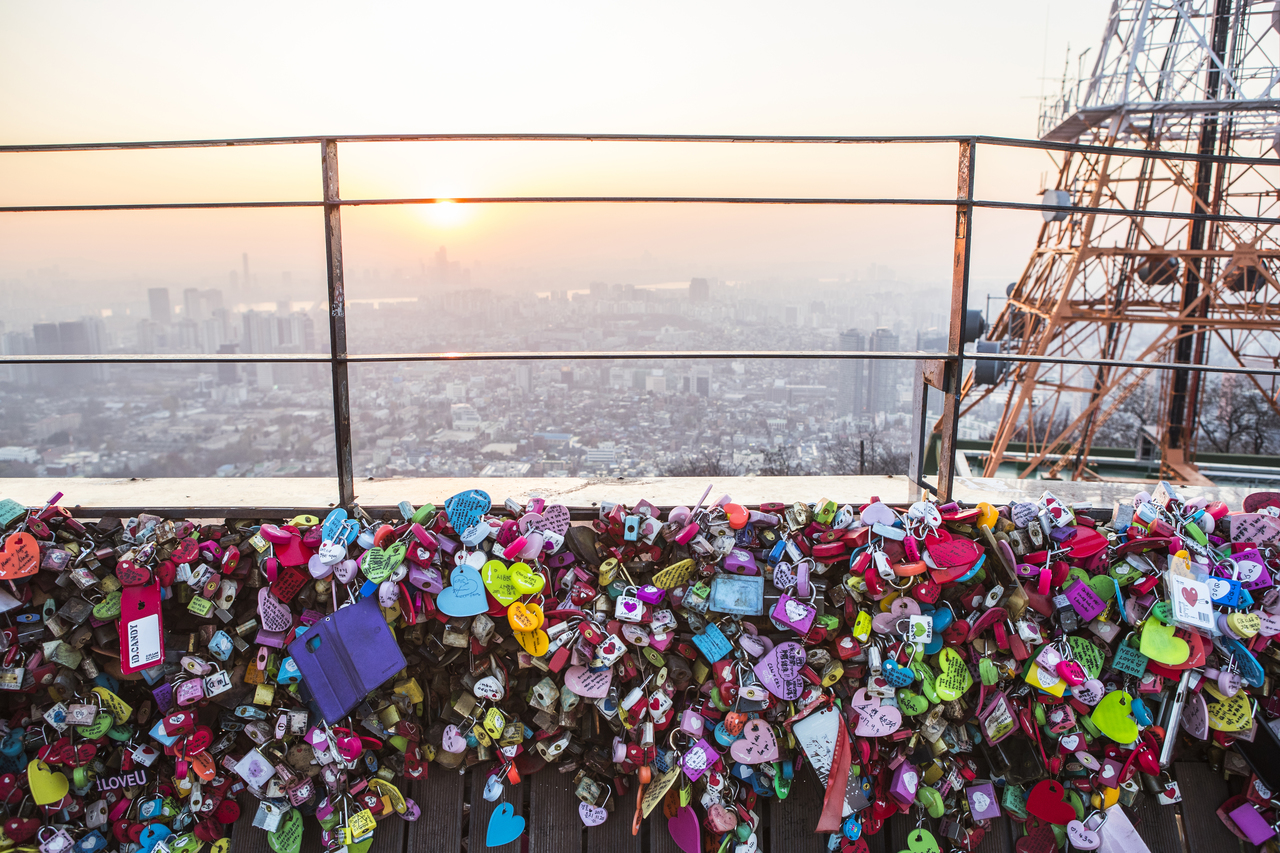
N Seoul Tower (Namsan)
N서울타워N Seoul Tower (Namsan), Seoul, South Korea
N Seoul Tower rises 479 meters above sea level atop Mount Namsan, serving as an iconic metropolitan transmission tower and observation landmark since 1980. The tower offers uninterrupted 360-degree...
HalalMorning (around 09:30-10:00)
Details→
Cheongnamdae Presidential Villa
청남대Cheongnamdae Presidential Villa, Cheongju, Chungbuk, South Korea
Cheongnamdae is South Korea’s storied former presidential lakeside retreat, dubbed the "Blue House of the South," set across 1.8 square kilometers of pristine Daecheongho Lake shoreline, featuring ...
Morning (around 09:30-10:00)
Details→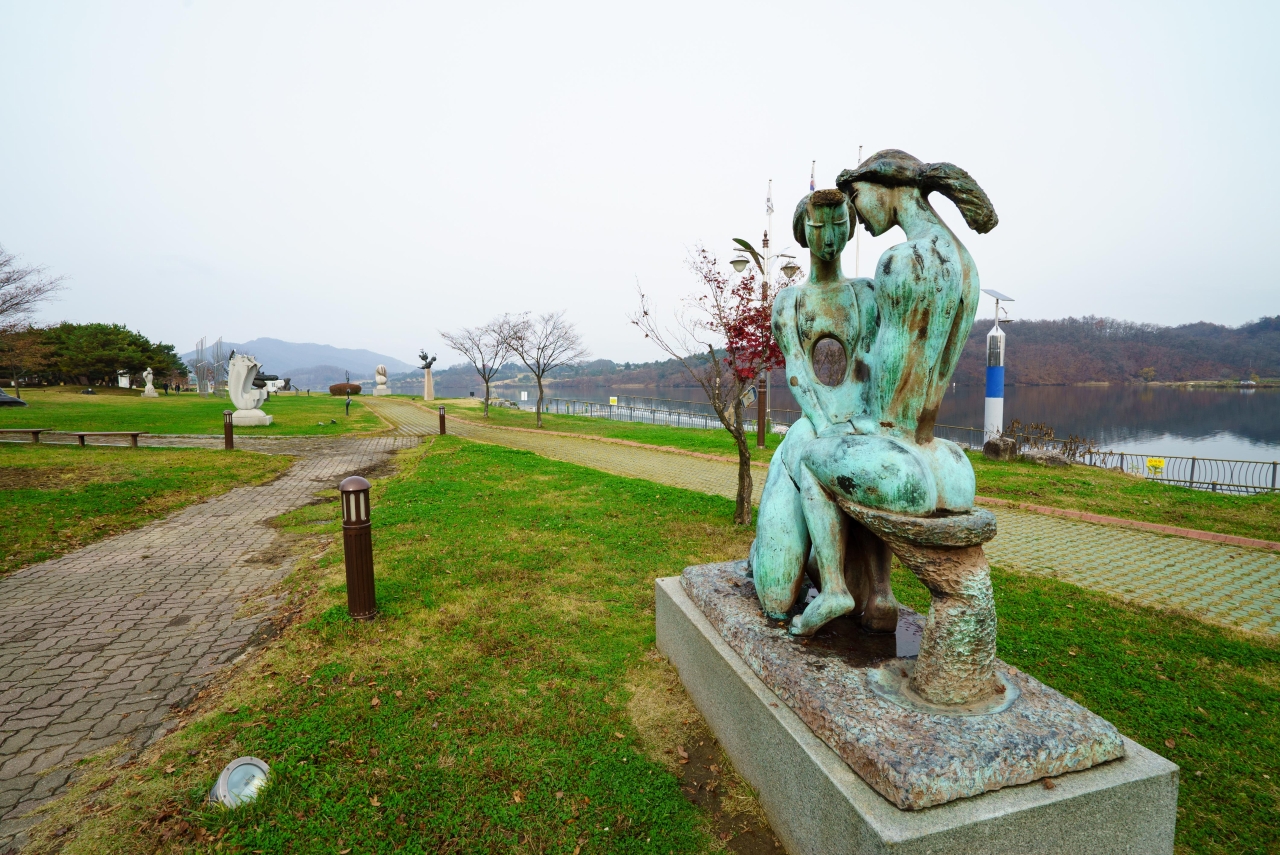
Chungju Lake & Jungangtap Pagoda
충주 중앙탑 및 충주호Chungju Lake & Jungangtap Pagoda, Chungju, Chungbuk, South Korea
Chungju Jungangtap Historic Park and Chungju Lake features the National Treasure No. 6 Seven-Story Stone Pagoda marking the exact geographic center of ancient Unified Silla, paired with scenic lake...
Morning (around 09:30-10:00)
Details→