Chungbuk•Chungju•Culture•Hot Springs
Suanbo Natural Hot Springs
수안보온천
Powered by Korea Tourism OrganizationAddress: Suanbo Natural Hot Springs, Chungju, Chungbuk, South Korea (충청북도 충주시 수안보면 온천리 191-1 (물탕공원))
Editorial review pending

Suanbo Natural Hot Springs representative scenic panorama
1 / 1
Suanbo Natural Hot Springs representative scenic panorama
Curator's Guide & Overview
Comprehensive Guide1. Historical Origins & Cultural Background
Dating back over a thousand years to the Goryeo Dynasty and documented extensively in the Annals of the Joseon Dynasty, Suanbo Hot Springs is celebrated as South Korea’s oldest naturally erupting thermal spring. Historical records state that King Taejo (Yi Seong-gye), the founding monarch of Joseon, traveled here to bathe in its restorative waters to cure chronic skin afflictions, earning Suanbo the immortal moniker 'The King's Spring' (Wang-ui Oncheon). King Sukjong and royal court scholars frequently sojourned here to recuperate from palace duties.
2. Architectural Highlights & Key Structures
What makes Suanbo uniquely pristine is its strict municipal governance: unlike private commercial spas, the Chungju City Government directly extracts and manages 100% of the thermal water from deep underground granite reservoirs 250 meters subterranean. The water naturally wells up at a constant temperature of 53°C, boasting a pH of 8.3 (weakly alkaline) rich in calcium, sodium, fluorine, and magnesium. The town centers on the charming Multang Park and the riverside Suanbo Footbath Trail, surrounded by historic spa hotels, public bathhouses, and private family pools.
3. Four Seasons Landscape & Seasonal Visiting Charms
Spring brings the celebrated Suanbo Oncheon Festival in April, when hundreds of mature cherry trees canopy the riverside footbath promenade in a snow-white ceiling of falling petals. Summer offers cool mountain nights in the surrounding Woraksan valleys, followed by relaxing thermal soaks that soothe tired muscles. Autumn surrounds the village in deep crimson mountain foliage, drawing hikers from Songgyegyegok Valley. Winter is the peak season for thermal tourism, where visitors soak in steaming outdoor hot spring tubs while crisp snow flakes fall gently around them.
4. Operating Hours & Peak Viewing Times
The hot spring town, restaurants, and convenience stores are open 24/7 year-round. The open-air riverside Footbath Promenade operates free of charge from April through October between 10:00 and 20:00 daily (illuminated until 22:00 in summer). Major commercial hot spring saunas and hotels open daily from 06:00 to 21:00. An evening foot soak between 19:00 and 21:00, accompanied by gentle musical street performances and lanterns, is a quintessential therapeutic ritual.
5. Admission Fees & Concessions (Youth/Foreigner Discounts)
Access to the riverside Footbath Promenade and Multang Park is completely free of charge. Admission to major public thermal bathhouses ranges from 8,000 to 12,000 KRW for adults and 5,000 to 7,000 KRW for children. Private family spa rooms (featuring private tiled soaking pools, towels, and relaxation areas for 2 to 4 guests) rent for approximately 35,000 to 50,000 KRW for 2 hours. Free public parking is provided throughout town.
6. Public Transit & Subway Exit Directions
Travel is exceptionally swift following the opening of the KTX-Jungbunaeryuk extension: passengers can travel from Seoul Pangyo Station via Chungju directly to the newly opened KTX Suanbo Oncheon Station in roughly 1 hour. From the station, the town center is a 3-minute taxi ride or 15-minute walk. Alternatively, local city buses (routes 240, 241, 242) connect downtown Chungju to Suanbo in 40 minutes.
7. Barrier-Free Accessibility & Visitor Amenities
Suanbo town center is exceptionally flat and accessible. The riverside footbath street features step-free ramps, smooth wooden decking, and dedicated wheelchair-accessible footbath troughs designed so that mobility-impaired visitors can soak their feet directly while seated in a wheelchair. Main hotels and public bathhouse complexes feature elevators and barrier-free restrooms.
8. Recommended Walking Route & Highlights Tour
Recommended 3-Hour Therapeutic Spa Circuit: Arrive at Suanbo Multang Park → Take a peaceful stroll along the riverside Footbath Promenade, soaking feet in 53°C mineral water while breathing mountain air → Visit an authentic local bathhouse (such as Suanbo Park Hotel or Sangnok Hotel) for a 90-minute restorative mineral soak in outdoor cypress tubs → Walk through the Pheasant Food Alley → Indulge in authentic multi-course Pheasant cuisine (Kkwong Yori) paired with local apple makgeolli.
9. Local Food Specialties & Regional Flavors
Suanbo is South Korea's most celebrated capital of Pheasant Cuisine (Kkwong Yori). Delicate and low in cholesterol, a classic 8-course pheasant banquet features wafer-thin Pheasant Breast Shabu-shabu, Pheasant Tartare (Yukhoe), crispy Pheasant Dumplings, skewered Pheasant Bulgogi, and a soothing stew made with pheasant broth. Other regional highlights include Wild Sanchae Bibimbap from nearby Woraksan and freshly baked Chungju Apple Pies.
10. Dietary Options (Vegetarian, Halal & Allergen Guide)
Vegetarians can dine richly at Suanbo's mountain herb diners: Sanchae Bibimbap served with over ten seasoned mountain greens, wild mushrooms, crispy potato pancakes (Gamjajeon), and rich soybean paste stew (Doenjang-jjigae). The thermal village also features dedicated tofu restaurants preparing fresh silken tofu coagulated with mineral water. Halal diners will find the vegetarian bibimbap, potato pancakes, and wild mushroom stews fully compliant.
11. Signature Photo Spots & Golden Hour Lighting
Signature photo moments: soaking bare feet in the steaming waters of the riverside footbath trail beneath arching cherry blossom branches in April, capturing the historic stone tablet inscribed 'The King's Spring' at Multang Park, warm evening photos of the illuminated water fountains along the stream, and the serene morning mist rising off open-air thermal soaking baths in winter.
12. Visitor Etiquette & Cultural Property Regulations
Wash feet thoroughly at the foot-washing taps before entering the communal footbath troughs. Do not splash water or submerge full legs. In public bathhouses, observe standard Korean spa etiquette: wash and rinse completely with soap at the seated washing stalls before entering the communal soaking pools. Swimwear is not permitted in gender-segregated traditional baths.
13. Safety Precautions & 1330 Tourism Hotline Support
Those with severe cardiovascular conditions or high blood pressure should limit soaking sessions in hot thermal water to 15-20 minutes at a time and drink plenty of water. In case of tourism inquiries or spa recommendations, visit the Suanbo Tourist Information Booth at Multang Park or dial the 1330 Korea Travel Hotline.
14. Nearby Connected Attractions & Walking Links
Just 15 minutes east lies the rugged granite paradise of Woraksan National Park and the picturesque Songgyegyegok Valley. A 20-minute drive south connects to the historic Mungyeong Saejae Mountain Pass over the Baekdudaegan mountain divide.
15. Frequently Asked Questions (FAQ)
Q: What distinguishes Suanbo water from ordinary hot springs? A: Suanbo water is 100% naturally erupting mineral water that is pumped from a single city-operated source without artificial chemical additives or reheating; it can be stored for over a month without spoiling. Q: Can visitors use the footbaths for free? A: Yes, the outdoor footbath trail along the river promenade is completely free and open to all travelers from spring to autumn.
16. Regional Extended Day Trip Itinerary
Suanbo Thermal Wellness Day Tour: Morning KTX from Seoul/Pangyo to Suanbo Oncheon Station → explore Multang Park and enjoy a warm outdoor footbath soak → 2-hour luxury mineral bath at a traditional hot spring spa → authentic 7-course Pheasant Lunch in the food alley → afternoon scenic walk through Songgyegyegok Valley in Woraksan → evening KTX return to Seoul.
Essential Visitor Facts
Operating Hours
Hot Spring Resort area open 24/7; Public Footbath Promenade: 10:00 - 20:00 (Apr - Oct, Free entry); Major Spa & Bathhouses: 06:00 - 21:00 daily
Admission / Price
Footbath Promenade Free; Public Thermal Bathhouses: Adults 8,000 - 12,000 KRW, Children 5,000 - 7,000 KRW; Private Family Spa: 35,000 - 50,000 KRW (2 hours)
Closed Days
Open 365 Days
Best Time to Visit
Morning (around 09:30-10:00)
Transit & Access Directions
From KTX Chungju Station, take KTX-Jungbunaeryuk directly to KTX Suanbo Oncheon Station (approx. 12 mins) or take City Bus 240, 241, 242 from Chungju Station (approx. 40 mins)
Accessibility & Special Amenities
Wheelchair ramps, tactile paving, accessible restrooms
Location Coordinates
Latitude: 36.8485
Longitude: 127.9965
Discover Themes & Highlights
Key interest areas and cultural highlights:
#suanbo-hot-springs#VisitChungbuk#KoreaTravelAtlas
Community Traveler Reviews0 Reviews
Visitor tips, feedback, and questions submitted by real travelers.
No community reviews submitted yet. Be the first traveler to share your experience!
Connected Cultural Destinations
Handpicked nearby attractions and regional cultural highlights.

Jangtaesan Metasequoia Forest
장태산자연휴양림Jangtaesan Metasequoia Forest, Daejeon, South Korea
Jangtaesan Recreational Forest is South Korea’s only pure exotic Metasequoia woodland, featuring over 6,300 colossal dawn redwood trees, a thrilling tree canopy Skyway, and mountain suspension bridge.
Morning (around 09:30-10:00)
Details→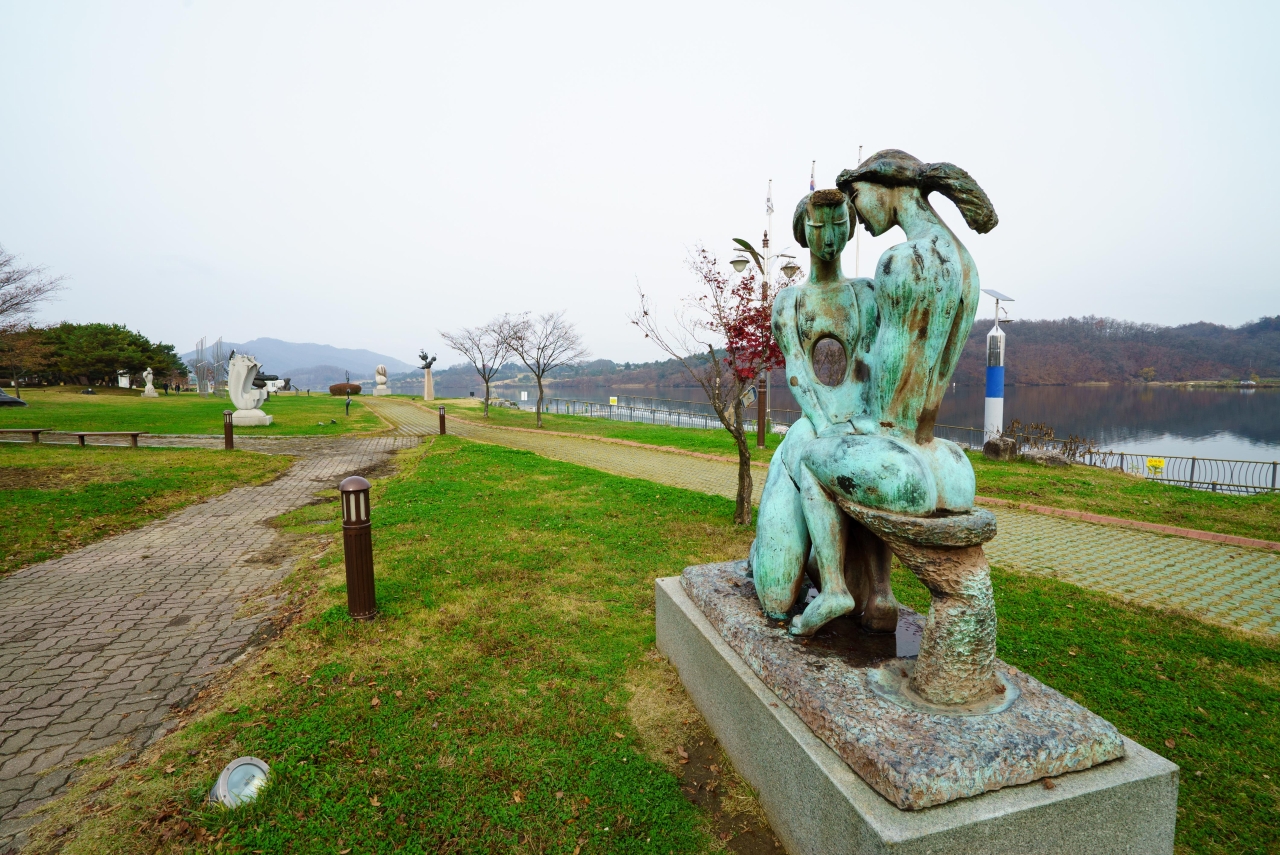
Chungju Lake & Jungangtap Pagoda
충주 중앙탑 및 충주호Chungju Lake & Jungangtap Pagoda, Chungju, Chungbuk, South Korea
Chungju Jungangtap Historic Park and Chungju Lake features the National Treasure No. 6 Seven-Story Stone Pagoda marking the exact geographic center of ancient Unified Silla, paired with scenic lake...
Morning (around 09:30-10:00)
Details→
Woraksan National Park (Yeongbong Peak)
월악산국립공원 (영봉)Woraksan National Park (Yeongbong Peak), Jecheon, Chungbuk, South Korea
Woraksan National Park is celebrated as the "Matterhorn of Korea," featuring Yeongbong Peak (1,097m)—a colossal 150-meter vertical limestone cliff rising above Chungju Lake—along with historic Deok...
Morning (around 09:30-10:00)
Details→
Seokguram Grotto (UNESCO)
석굴암Seokguram Grotto (UNESCO), Gyeongju, Gyeongbuk, South Korea
Seokguram Grotto is a supreme masterpiece of East Asian Buddhist art and a UNESCO World Heritage treasure, enshrining a monumental white granite Sakyamuni Buddha carved in 751 AD within a sublime s...
Morning (around 09:30-10:00)
Details→