Chungbuk•Jecheon•Nature•National Park
Woraksan National Park (Yeongbong Peak)
월악산국립공원 (영봉)
Powered by Korea Tourism OrganizationAddress: Woraksan National Park (Yeongbong Peak), Jecheon, Chungbuk, South Korea (충청북도 제천시 덕산면 월악산로 1191 (수산리))
Editorial review pending

Woraksan National Park (Yeongbong Peak) representative scenic panoramaZoom


+1More
1 / 6
Woraksan National Park (Yeongbong Peak) representative scenic panorama
Curator's Guide & Overview
Comprehensive Guide1. Historical Origins & Cultural Background
Rising majestically on the boundary between Jecheon, Chungju, and Mungyeong, Woraksan National Park (designated in 1984) is revered as one of Korea's most dramatic sacred rock mountains. Its poetic name means 'The Mountain Where the Moon Rises over the Peaks.' Throughout history, it has been considered an unassailable natural fortress. In 935 AD, following the fall of the Silla Dynasty, the tragic Crown Prince Maui and his sister Princess Deokju fled here, carving sacred rock Buddha statues to pray for the restoration of their lost kingdom.
2. Architectural Highlights & Key Structures
The crown jewel of the national park is Yeongbong Peak ('Spiritual Peak'), rising 1,097 meters above sea level. Unlike typical forested Korean peaks, Yeongbong is a monolithic natural limestone and granite dome towering 150 meters vertically with a sheer perimeter of over 4 kilometers. Below the peak nestles historic Deokjusa Temple, home to the Rock-carved Standing Buddha of Deokjusa (Treasure No. 406), a colossal 13-meter figure chiselled into a sheer cliff face gazing south over the Songgyegyegok crystal valley.
3. Four Seasons Landscape & Seasonal Visiting Charms
Spring brings pink azaleas clinging to steep rock fissures, fresh green foliage in Songgye Valley, and the melodious calls of alpine birds. Summer provides cool respite in the granite pools of Songgyegyegok, where cascading water rushes over smooth bedrock under dense oak trees. Autumn transforms the mountain into a breathtaking gallery of crimson maples and golden oaks framing the white rock monolith against the deep blue waters of Chungju Lake. Winter wraps the vertical rock faces in snow and rime ice, creating an awe-inspiring, challenging alpine vista.
4. Operating Hours & Peak Viewing Times
Trailheads open daily at 04:00 to accommodate sunrise hikers, with entry closing 2 hours before sunset (15:00 in winter, 17:00 in summer). The definitive trekking experience is ascending the Deokjusa Trail or the Dongchanggyo Trail in the morning (07:30 to 09:00), allowing hikers to reach the thrilling summit stairs by midday to enjoy 360-degree vistas of Chungju Lake reflecting the sapphire sky.
5. Admission Fees & Concessions (Youth/Foreigner Discounts)
Admission to Woraksan National Park and Deokjusa Temple is completely free of charge. Spacious public parking facilities at the Deokjusa and Dongchanggyo trailheads are available free of charge. The Songgye Valley auto-camping grounds require small fees ranging from 15,000 to 19,000 KRW per night (reservation via the National Park Service website).
6. Public Transit & Subway Exit Directions
From Seoul Pangyo or Suseo, take the KTX-Jungbunaeryuk to KTX Chungju Station (approx. 50 minutes). From the bus stop opposite Chungju Station, board local city bus 246 directly to the Deokjusa Ticket Office or Songgyegyegok stop in approximately 50 minutes. Taxis from Chungju Station or Suanbo Hot Springs take 25 to 30 minutes (approx. 25,000 to 30,000 KRW).
7. Barrier-Free Accessibility & Visitor Amenities
The lower precinct of Songgyegyegok Valley and the paved access road to Lower Deokjusa Temple feature barrier-free access, with flat asphalt paths and accessible restrooms. However, the high-mountain hiking ascent to the 13-meter Rock-carved Buddha and the summit of Yeongbong involves steep natural stone staircases, timber steps, and steep iron ladders; it is strictly an active mountain hiking route and is not wheelchair accessible.
8. Recommended Walking Route & Highlights Tour
Recommended 5-Hour Summit Conquest Route: Start at Dongchanggyo Trailhead (clean water access, 4.3km to summit) → Ascend past Songgye Valley lookouts through oak and pine forests → Reach Songgyesamgeori Ridge junction → Tackle the thrilling engineered steel staircase bolted into the vertical face of Yeongbong Monolith → Stand on the summit of Yeongbong Peak (1,097m) for 360-degree views of Chungju Lake → Descend toward Deokjusa via the 13m Rock-carved Buddha → Finish at Lower Deokjusa Temple and dip feet in the cool waters of Songgye Valley.
9. Local Food Specialties & Regional Flavors
Woraksan's mineral-rich alpine slopes yield extraordinary wild mountain herbs and mushrooms. Savor Neungi Beoseot Jeongol (natural black tiger-milk mushroom hot pot simmered with beef and wild leeks), Sanchae Bibimbap loaded with fresh chwinamul and codonopsis root, and charcoal-grilled Songgye Freshwater Trout (Song-eo hoe). Local diners along Songgyegyegok also serve authentic potato pancakes (Gamjajeon) and rustic acorn jelly.
10. Dietary Options (Vegetarian, Halal & Allergen Guide)
The valley restaurants are a vegetarian delight: wild mushroom hot pots, assorted seasonal mountain vegetable banquets, and freshly pressed soybean curd. Diners can request meat-free stews and bibimbap. Halal travelers will find pure mushroom hot pots, vegetable dishes, and freshwater trout sashimi fully compliant.
11. Signature Photo Spots & Golden Hour Lighting
Must-capture photo compositions: standing on the engineered summit observation platform with the giant vertical rock monolith of Yeongbong framing the turquoise waters of Chungju Lake in the distance, looking up from the base of the sheer 150-meter rock dome, the enigmatic archaic smile of the 13-meter Rock-carved Buddha carved into the granite cliff, and the pristine emerald rock pools of Songgyegyegok Valley.
12. Visitor Etiquette & Cultural Property Regulations
Woraksan is a rugged, demanding mountain with steep vertical staircases; climbing outside designated steel walkways is strictly prohibited due to fatal fall hazards. The national park enforces strict non-smoking and anti-littering rules. Do not pick wild medicinal herbs or mushrooms. In winter, traction cleats (crampons) and hiking poles are mandatory.
13. Safety Precautions & 1330 Tourism Hotline Support
Summit weather can change rapidly; carry at least 1 liter of water, energy snacks, and windproof thermal clothing. The descent can be strenuous on the knees; hiking poles are strongly advised. In case of emergency or trail advisories, contact the Woraksan National Park Office at 043-653-3250 or dial 119 / 1330.
14. Nearby Connected Attractions & Walking Links
Songgyegyegok Valley offers several historic scenic wonders along its 8-kilometer stretch, including Mangpokdae cliff, Gwahakru, and Suamsanseong Fortress. A 15-minute drive connects to Suanbo Natural Hot Springs, making a post-hike thermal bath the ultimate pairing.
15. Frequently Asked Questions (FAQ)
Q: Is climbing Yeongbong Peak difficult for beginners? A: Yes, Woraksan is famous for its steep, demanding elevation gain ('Worak' earned a humorous Korean nickname meaning 'a mountain that makes your jaw drop in exhaustion'); however, well-built steel staircases make it safely achievable for anyone with good hiking fitness. Q: Can I visit the Rock-carved Buddha without climbing to the summit? A: Yes, the 13m Buddha at Deokjusa is just a 40-minute moderate walk from the lower road.
16. Regional Extended Day Trip Itinerary
Woraksan Peak & Hot Spring Day Tour: Morning KTX from Seoul to Chungju → bus to Woraksan Dongchanggyo → 5-hour summit hike of Yeongbong Peak and Deokjusa Rock Buddha → descent to Songgyegyegok for wild mushroom hot pot lunch → short 15-minute drive to Suanbo Hot Springs for a relaxing therapeutic mineral bath → evening KTX return to Seoul.
Essential Visitor Facts
Operating Hours
Open daily year-round from 04:00 to 17:00 (Admission restricted 2 hours before sunset for hiking safety); Songgyegyegok open 24/7
Admission / Price
Free Public Admission (National Park free entry policy applies)
Closed Days
Open 365 Days
Best Time to Visit
Morning (around 09:30-10:00)
Transit & Access Directions
From KTX Chungju Station, take City Bus 246 directly to Deokjusa Temple entrance / Songgye Valley (approx. 50 mins); or from Jecheon Station take intercity bus via Deoksan
Accessibility & Special Amenities
Wheelchair ramps, tactile paving, accessible restrooms
Location Coordinates
Latitude: 36.8685
Longitude: 128.0985
Discover Themes & Highlights
Key interest areas and cultural highlights:
#woraksan-national-park#VisitChungbuk#KoreaTravelAtlas
Community Traveler Reviews0 Reviews
Visitor tips, feedback, and questions submitted by real travelers.
No community reviews submitted yet. Be the first traveler to share your experience!
Connected Cultural Destinations
Handpicked nearby attractions and regional cultural highlights.
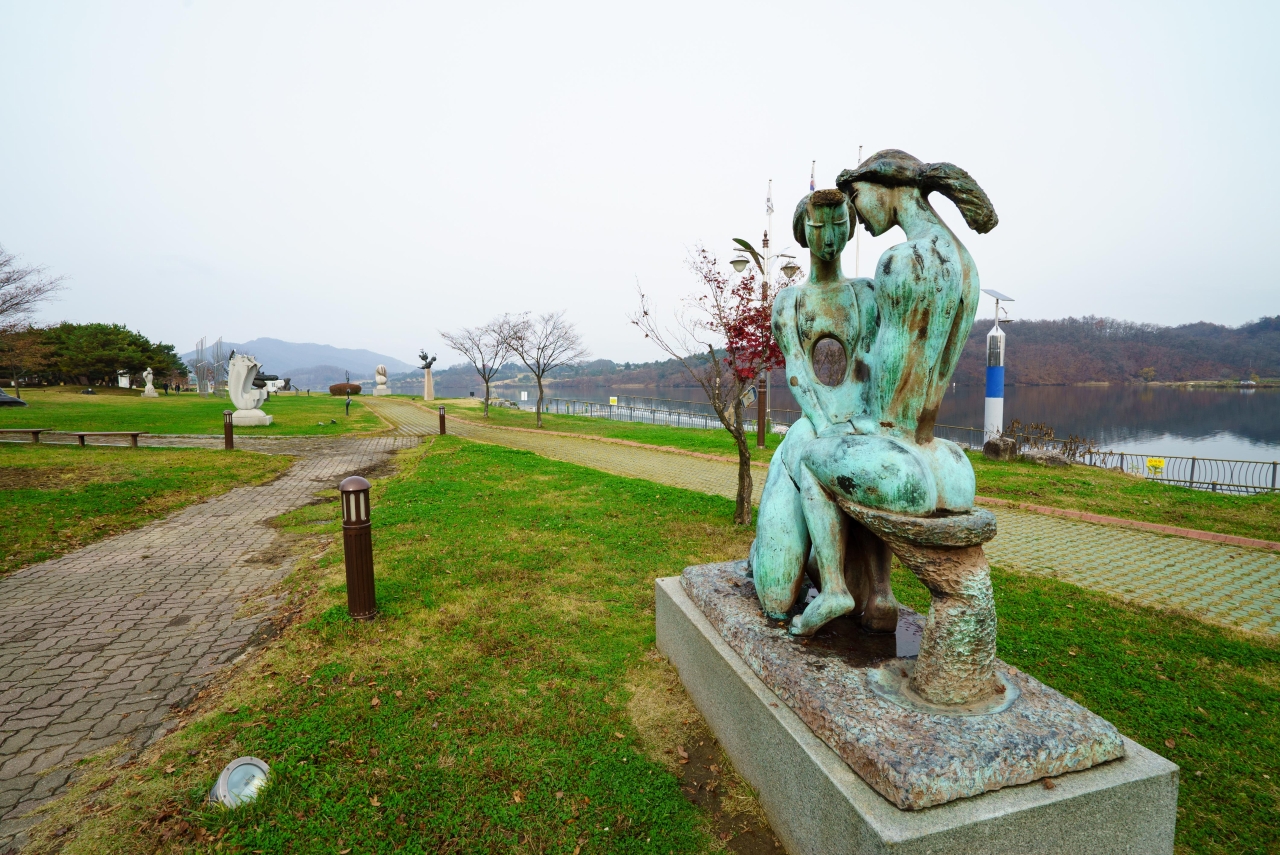
Chungju Lake & Jungangtap Pagoda
충주 중앙탑 및 충주호Chungju Lake & Jungangtap Pagoda, Chungju, Chungbuk, South Korea
Chungju Jungangtap Historic Park and Chungju Lake features the National Treasure No. 6 Seven-Story Stone Pagoda marking the exact geographic center of ancient Unified Silla, paired with scenic lake...
Morning (around 09:30-10:00)
Details→
Uirimji Ancient Reservoir & Pine Lake
제천 의림지Uirimji Ancient Reservoir & Pine Lake, Jecheon, Chungbuk, South Korea
Jecheon Uirimji is one of South Korea’s oldest surviving hydraulic reservoirs, dating back to the Samhan and Three Kingdoms eras, celebrated for scenic centuries-old weeping pine and willow embankm...
Morning (around 09:30-10:00)
Details→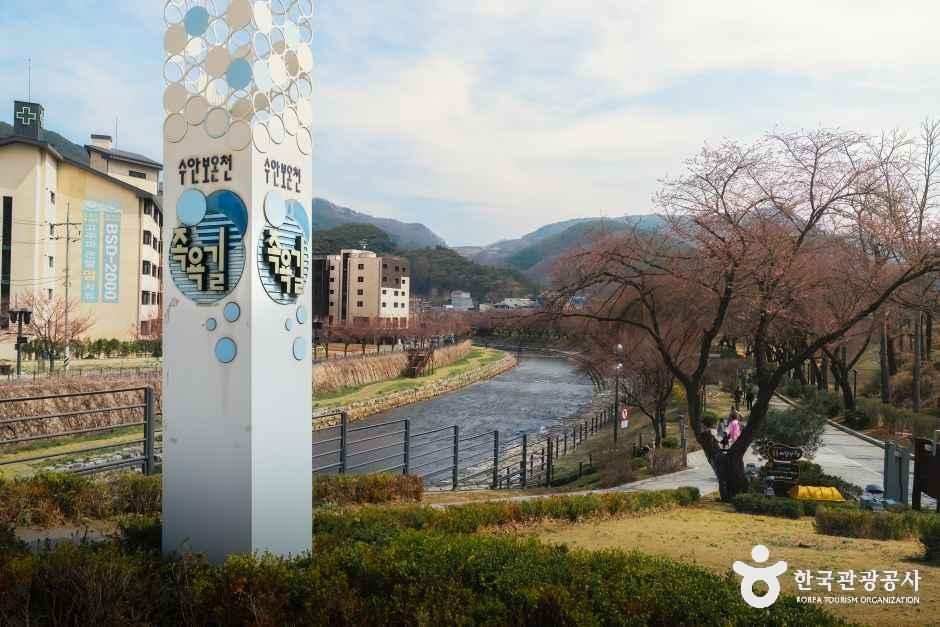
Suanbo Natural Hot Springs
수안보온천Suanbo Natural Hot Springs, Chungju, Chungbuk, South Korea
Suanbo Natural Hot Springs is South Korea’s oldest naturally erupting thermal mineral sanctuary, celebrated for over a millennium as the "Spring of Kings" where Joseon King Taejo bathed to heal, bo...
Morning (around 09:30-10:00)
Details→
Seokguram Grotto (UNESCO)
석굴암Seokguram Grotto (UNESCO), Gyeongju, Gyeongbuk, South Korea
Seokguram Grotto is a supreme masterpiece of East Asian Buddhist art and a UNESCO World Heritage treasure, enshrining a monumental white granite Sakyamuni Buddha carved in 751 AD within a sublime s...
Morning (around 09:30-10:00)
Details→