Jeonbuk•Jeongeup•Nature•National Park
Naejangsan National Park (Autumn Foliage)
내장산국립공원
Powered by Korea Tourism OrganizationAddress: Naejangsan National Park (Autumn Foliage), Jeongeup, Jeonbuk, South Korea (전북특별자치도 정읍시 내장산로 1207 (내장동))
Editorial review pending
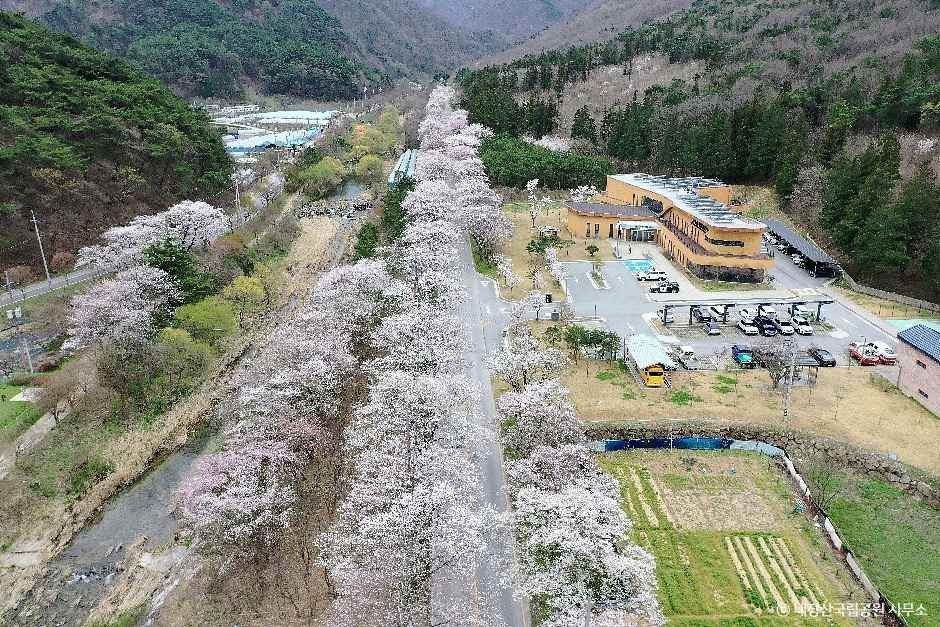
Naejangsan National Park (Autumn Foliage) representative scenic panoramaZoom

+1More
1 / 6
Naejangsan National Park (Autumn Foliage) representative scenic panorama
Curator's Guide & Overview
Comprehensive Guide1. Historical Origins & Cultural Background
Designated as South Korea’s 8th national park in 1971, Naejangsan National Park encompasses 81 square kilometers of breathtaking limestone ramparts, forested karst valleys, and cascading mountain streams along the border of Jeonbuk and Jeonnam. Named 'Naejang'—meaning 'concealing countless treasures within'—the mountain is famous across East Asia as the undisputed sovereign of Korean autumn foliage. When cold mountain air collides with the humid Yellow Sea basin each late October to mid-November, the entire valley ignites into an electrifying amphitheater of crimson, scarlet, burnt orange, and amber hues.
2. Architectural Highlights & Key Structures
The botanical marvel of Naejangsan lies in its rare endemic variety of maple tree called 'Agi-danpung' (Baby Maple). Unlike broader Western maples, the leaves of Agi-danpung are dainty, measuring scarcely larger than an infant’s outstretched hand, and feature 9 to 11 intricate pointed lobes that produce an incomparably saturated, almost fluorescent scarlet color. The park’s crowning aesthetic highlight is Uhwajeong (Feathered Flight Pavilion), a traditional blue-tiled octagonal pavilion mirrored in the crystalline waters of an emerald lotus pond surrounded by blazing red baby maples. The park also hosts the 1,300-year-old Naejangsa Temple, established in 636 AD by Baekje Monk Yeongeun, and an aerial ropeway rising to the Yeonjabong Ridge Observatory.
3. Four Seasons Landscape & Seasonal Visiting Charms
While autumn (late October to mid-November) represents peak global foliage pilgrimage season, Naejangsan is an exhilarating four-season retreat. Spring (April to May) transforms the valleys into a vibrant sanctuary of blooming wild cherry blossoms, magnolias, and fresh light-green foliage. Summer (June to August) offers cool forested escapes beneath the deep green canopy of ancient nutmeg and oak groves along the Dodeok Waterfall trail. Winter (December to February) brings heavy Honam snowfalls that blanket the jagged nine mountain peaks in pristine white snowdrifts, contrasting with the dark mountain crags and quiet temple roofs.
4. Operating Hours & Peak Viewing Times
Park hiking trails open daily from 04:00 to 18:00 (summer) and 05:00 to 17:00 (winter). The Naejangsan Cable Car operates daily from 09:00 to 17:30 (departing every 10 to 20 minutes), but starts operating as early as 07:00 during the peak autumn foliage festival. During autumn peak weekends, arrive at the park entrance by 07:30 to secure parking and ride the cable car before multi-hour queues accumulate.
5. Admission Fees & Concessions (Youth/Foreigner Discounts)
Admission to both Naejangsan National Park and historic Naejangsa Temple is completely free. The Naejangsan Cable Car costs 10,000 KRW for adult round-trips and 6,000 KRW for children. A seasonal open-air trolley shuttle bus runs between the lower ticketing booth and the inner cable car plaza for 1,000 KRW per ride. Standard passenger car parking costs 5,000 KRW per day.
6. Public Transit & Subway Exit Directions
From Seoul, board the KTX or SRT high-speed train from Yongsan or Suseo Station directly to KTX Jeongeup Station (approx. 1 hour 25 to 35 minutes). Directly across from the Jeongeup Station square, board City Bus 171, which runs directly to the Naejangsan Bus Terminal (approx. 30 minutes, departing every 20-30 minutes). A taxi from Jeongeup Station to the park gates takes about 20 minutes and costs roughly 17,000 to 19,000 KRW.
7. Barrier-Free Accessibility & Visitor Amenities
The 2.5-kilometer 'Maple Tree Tunnel' promenade from the park entrance to Naejangsa Temple is a gently graded, paved pedestrian boulevard flanked by thousands of maple trees. It is fully barrier-free and ideal for wheelchairs, strollers, and senior travelers. Complimentary wheelchairs are available at the National Park Visitor Center. The cable car boarding station has ramp access, though the upper mountain ridge trail includes stone stairs. Dedicated disabled restrooms are located at the lower plaza, cable car station, and Naejangsa Temple.
8. Recommended Walking Route & Highlights Tour
Recommended 3-Hour Foliage & Heritage Route: Board the morning park shuttle bus or walk along the 2.5km Maple Tree Tunnel → Marvel at the picture-perfect reflections at Uhwajeong Pavilion → Board the Naejangsan Cable Car up to the Yeonjabong Observatory for sweeping views across the crimson amphitheater of peaks → Walk down to Naejangsa Temple and stroll around the stone pagodas and sacred timber bell pavilion → Wander through the quiet Nutmeg Tree Grove → Savor a hot bowl of Jeongeup Sannae Sanchae Bibimbap at the gateway food alley.
9. Local Food Specialties & Regional Flavors
The culinary village at the foot of Naejangsan is renowned for generous Jeolla-do hospitality. Indulge in authentic Sanchae Hanjeongsik, a grand table banquet featuring over 30 botanical side dishes including mountain wild codonopsis (Deodeok), bracken, bamboo shoots, and wild mushrooms. Warm up with Jeongeup’s famous Ssanghwacha (medicinal herbal tea brewed with chestnuts and jujubes in heavy stone pots), charcoal-grilled freshwater eel, and savory Minmul-maeuntang (spicy river fish soup).
10. Dietary Options (Vegetarian, Halal & Allergen Guide)
Naejangsan is a paradise for vegetarian and vegan food lovers. The temple food restaurants outside the gate specialize in plant-based Sanchae Bibimbap served with aromatic perilla oil, mushroom stir-fries, seasoned acorn jelly (Dotorimuk), and crispy green onion pancakes. Buddhist pilgrims can also arrange templestay vegan dining at nearby Baekyangsa Temple, made world-famous by Master Jeong Kwan. Halal travelers will find vegetarian dishes, grilled fish, and nut-filled medicinal tea completely satisfying.
11. Signature Photo Spots & Golden Hour Lighting
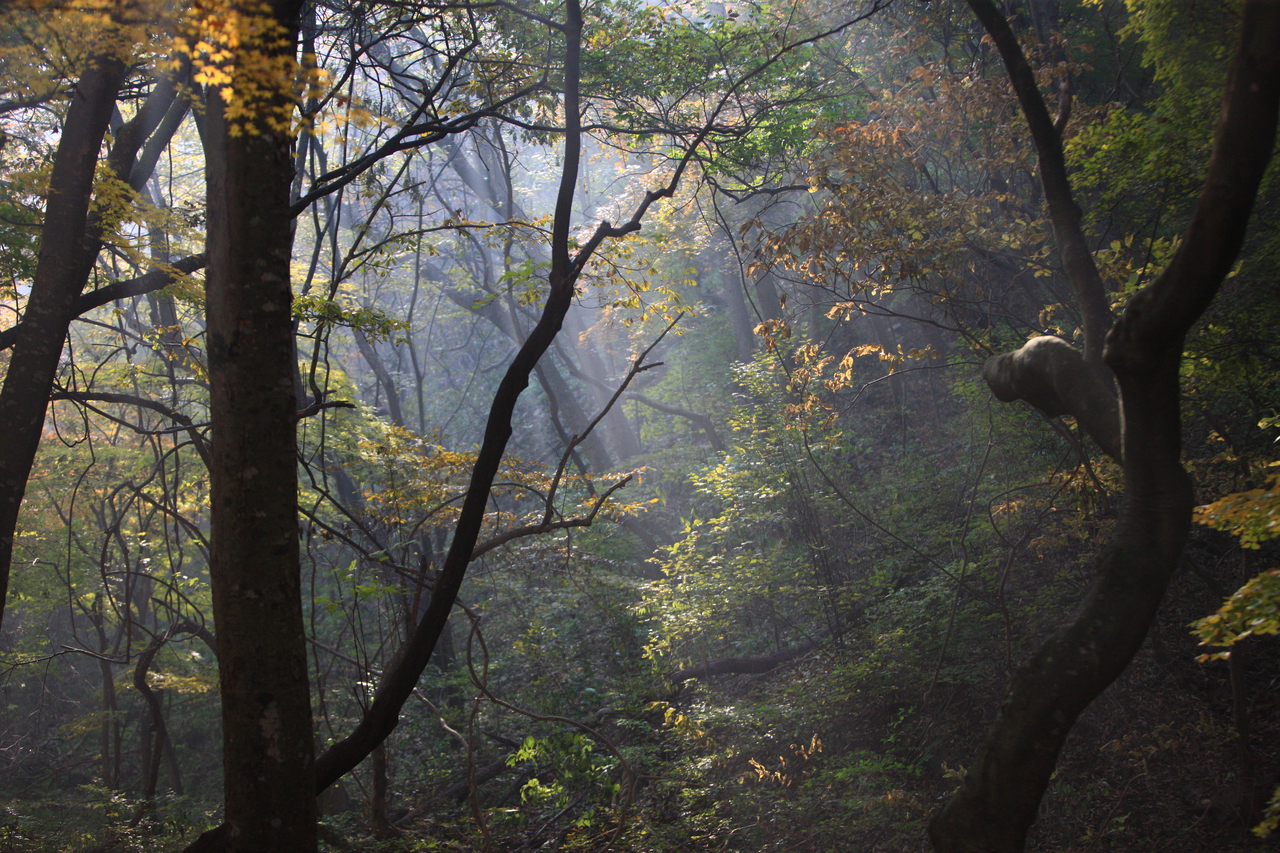
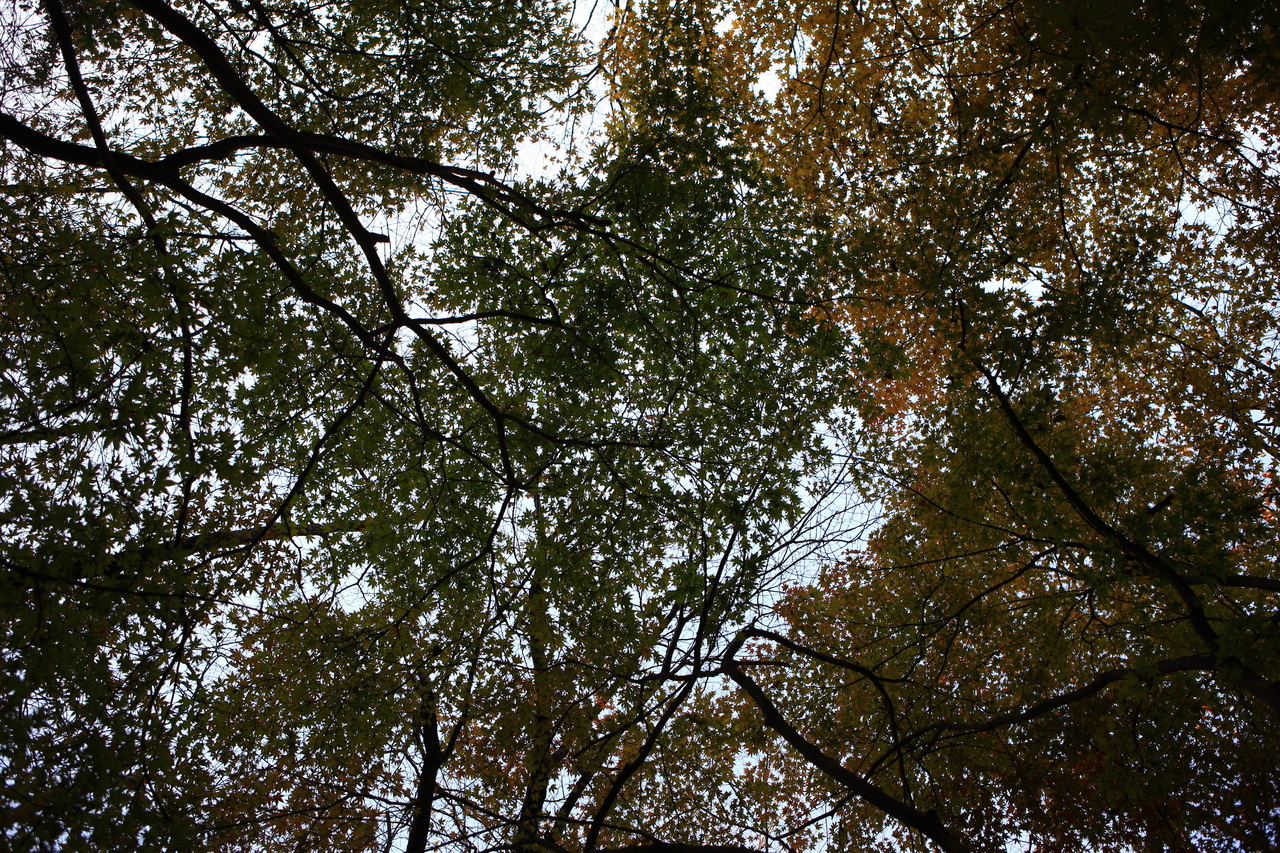
Iconic photographic perspectives: early morning mist hovering over the turquoise pond at Uhwajeong with the blue-roofed pavilion reflected amidst scarlet baby maples, looking upward through the illuminated stained-glass canopy of the 2.5km Maple Tunnel with backlighting sunshine, sweeping panoramic shots from the upper Cable Car Observatory framing the horseshoe-shaped ring of jagged peaks, and the ancient stone lanterns of Naejangsa framed by golden ginkgo and crimson maple leaves.
12. Visitor Etiquette & Cultural Property Regulations
Naejangsan is a strictly protected national park. Do not shake trees, break branches, or collect maple leaves inside the sanctuary. Camping, open fires, and cooking are strictly prohibited outside designated facilities. Stay strictly on marked trails to prevent soil erosion. Drones are forbidden without formal national park authority permits. The entire park is a smoke-free reserve.
13. Safety Precautions & 1330 Tourism Hotline Support
Autumn mornings in the mountain valley can be chilly (5 to 10°C), so dress in layers with a warm fleece or windbreaker. Sturdy walking shoes or sneakers are recommended even for the flat boulevard. For real-time autumn foliage status and shuttle bus updates, call the Naejangsan National Park Office at 063-538-7875 or dial 1330.
14. Nearby Connected Attractions & Walking Links
Combine your visit with nearby historic attractions: Baekyangsa Temple (famous for the Ssanggyeru water reflection) lies just on the southern side of the national park in Jangseong. The historic Donghak Peasant Revolution Memorial Hall in Jeongeup is a 25-minute drive northwest.
15. Frequently Asked Questions (FAQ)
Q: When is the absolute peak time for autumn maples? A: The peak foliage color typically occurs between November 1 and November 12, when over 80% of the baby maples reach their most fiery scarlet intensity. Q: What makes Agi-danpung different? A: Korea’s native baby maples have leaves less than half the size of common Japanese maples, but with 9 to 11 sharp lobes that generate a deeper, richer red due to the dramatic day-night temperature swings of the Honam mountains.
16. Regional Extended Day Trip Itinerary
Jeongeup Autumn Foliage & Healing Day Tour: KTX from Seoul Yongsan to Jeongeup Station (1 hr 25 mins) → City Bus 171 to Naejangsan Park → Walk the breathtaking 2.5km Maple Tunnel → Photograph Uhwajeong Pavilion in morning light → Cable car ride to Yeonjabong Observatory → Tour historic Naejangsa Temple → 30-dish Sanchae Hanjeongsik lunch → Afternoon stroll down Jeongeup Legendary Ssanghwacha Street → Sip steaming medicinal herb tea → Evening KTX return to Seoul.
Essential Visitor Facts
Operating Hours
Daily 04:00 - 18:00 (Entry restrictions by season; Cable Car operates 09:00 - 17:30, Autumn Peak from 07:00)
Admission / Price
Free admission to National Park and Temple; Cable Car Round-trip: Adults 10,000 KRW, Children 6,000 KRW; Parking 5,000 KRW
Closed Days
Open 365 Days
Best Time to Visit
Morning (around 09:30-10:00)
Transit & Access Directions
From KTX Jeongeup Station, cross to the bus stop and take City Bus 171 directly to Naejangsan Terminal (approx. 30 mins, departures every 20-30 mins)
Accessibility & Special Amenities
Wheelchair ramps, tactile paving, accessible restrooms
Location Coordinates
Latitude: 35.4785
Longitude: 126.8865
Discover Themes & Highlights
Key interest areas and cultural highlights:
#naejangsan-national-park#VisitJeonbuk#KoreaTravelAtlas
Community Traveler Reviews0 Reviews
Visitor tips, feedback, and questions submitted by real travelers.
No community reviews submitted yet. Be the first traveler to share your experience!
Connected Cultural Destinations
Handpicked nearby attractions and regional cultural highlights.

Daegwallyeong Highland Sheep Farm
대관령 양떼목장Daegwallyeong Highland Sheep Farm, Pyeongchang, Gangwon, South Korea
Daegwallyeong Highland Sheep Farm is South Korea’s iconic alpine pastoral paradise, situated at an altitude of 850 meters on the Baekdudaegan mountain ridge in Pyeongchang, featuring rolling green ...
Morning (around 09:30-10:00)
Details→
Jeonju Hanok Village
전주한옥마을Jeonju Hanok Village, Jeonju, Jeonbuk, South Korea
Jeonju Hanok Village encompasses over 700 traditional Korean tiled homes nestled within the historic downtown core of Jeonju. Designated as an International Slow City, the village preserves authent...
Morning (around 09:30-10:00)
Details→
Maisan Provincial Park & Stone Pagodas (Tapsa)
진안 마이산 탑사Maisan Provincial Park & Stone Pagodas (Tapsa), Jinan, Jeonbuk, South Korea
Maisan Provincial Park is an awe-inspiring geological sanctuary famed for its surreal twin peaks resembling horse ears, massive tafoni honeycomb cliff cavities, and Tapsa Temple’s mystical ensemble...
Morning (around 09:30-10:00)
Details→
Damyang Juknokwon Bamboo Forest
담양 죽녹원Damyang Juknokwon Bamboo Forest, Damyang, Jeonnam, South Korea
Damyang Juknokwon is South Korea’s premier 31-hectare bamboo sanctuary, featuring eight meditative forest trails beneath towering green bamboo canopies, rich phytoncide breezes, traditional scholar...
Morning (around 09:30-10:00)
Details→