Jeonnam•Damyang•Nature•Garden & Forest
Damyang Juknokwon Bamboo Forest
담양 죽녹원
Powered by Korea Tourism OrganizationAddress: Damyang Juknokwon Bamboo Forest, Damyang, Jeonnam, South Korea (전라남도 담양군 담양읍 죽녹원로 119)
Editorial review pending

Damyang Juknokwon Bamboo Forest representative scenic panoramaZoom


+1More
1 / 6
Damyang Juknokwon Bamboo Forest representative scenic panorama
Curator's Guide & Overview
Comprehensive Guide1. Historical Origins & Cultural Background
Encompassing over 31 hectares of rolling hill slopes on the north bank of the Damyangcheon Stream, Damyang Juknokwon is South Korea’s crown jewel of bamboo forestry. Cultivated since 2003 by the Damyang County government to honor the region’s millennium-old heritage of bamboo craftwork, Juknokwon is not merely a garden, but an immense living sanctuary of towering Giant Timber Bamboo (Phyllostachys bambusoides) and Moso bamboo reaching heights of over 20 meters. As gentle breezes stir the lush green canopy overhead, the forest produces an extraordinary natural microclimate: ambient temperatures stay 4 to 7 degrees Celsius cooler than surrounding towns, while the dense foliage pumps out massive concentrations of negative ions (over 1,200 ions per cubic centimeter) and restorative phytoncides.
2. Architectural Highlights & Key Structures
The forest features 2.4 kilometers of meandering footpaths divided into eight evocative themed trails: 'Unsu Daetong-gil' (Path of Good Fortune), 'Jukma Gowu-gil' (Old Friends Path), 'Sarang Byeoni-gil' (Unchanging Love Path), and 'Chulsae-gil' (Path of Success). Draped along these shaded alleys are natural spring pavilions, resting hammocks, and the famous 'Bonghwangnu' two-story observatory pavilion commanding panoramic views across the Damyang River toward the ancient Gwanbangjerim forest bluffs. In the rear compound lies the Siga Culture Village, an enchanting historical preservation zone recreating classical Joseon open-air gazebos—including Songgangjeong, Myeonangjeong, and Gwangpunggak—where Joseon scholar-poets wrote immortal Gasa literature.
3. Four Seasons Landscape & Seasonal Visiting Charms
Spring brings the miraculous emergence of tender bamboo shoots (Juksun) pushing through the damp red soil, accompanied by fresh green buds and cherry blossoms bordering the bamboo edges. Summer offers South Korea’s most refreshing natural cooling retreat, where dense bamboo canopies block 90% of solar radiation and the sound of rustling bamboo leaves mimics rainfall. Autumn brings golden, mellow sunlight filtering through the emerald stalks, accompanied by seasonal outdoor tea ceremonies and poetry recitals. Winter presents a breathtaking green-and-white wonderland, as thick fluffy snowdrifts cling to the hollow green bamboo tubes while the forest maintains its vibrant, eternal jade-green vitality.
4. Operating Hours & Peak Viewing Times
Juknokwon welcomes visitors daily from 09:00 to 19:00 (last entry at 18:00) between March and October, and from 09:00 to 18:00 (last entry at 17:30) from November through February. The early morning hours between 09:00 and 10:30 provide the most serene, meditative walking conditions before tour groups arrive, when morning sunlight slices through the tall stalks in dramatic beams of crepuscular light.
5. Admission Fees & Concessions (Youth/Foreigner Discounts)
Admission is 3,000 KRW for adults, 1,500 KRW for youth, and 1,000 KRW for children. An integrated ticket combining Juknokwon and the Korea Bamboo Museum is available for 4,000 KRW. Spacious municipal parking lots directly across the Hyanggyo Bridge at the front gate are completely free of charge.
6. Public Transit & Subway Exit Directions
From Seoul, board the KTX to KTX Gwangju Songjeong Station (approx. 1 hour 45 minutes) or KTX Jeongeup Station (approx. 1 hour 25 minutes). From Gwangju U-Square Bus Terminal or Gwangju Station, board Express Bus 311, which departs every 15 minutes and drops passengers directly in front of the Juknokwon Main Gate (approx. 40 to 50 minutes). Taxis from northern Gwangju take about 25 minutes and cost roughly 20,000 to 24,000 KRW.
7. Barrier-Free Accessibility & Visitor Amenities
While Juknokwon occupies a hillside with gentle stepped terrain along certain inner trails, the main thoroughfare from the Front Gate past Bonghwangnu Observatory to the central plaza is paved with packed decomposed granite and is accessible for assisted wheelchairs and strollers. The rear Siga Culture Village features flat flagstone pathways and gentle ramps around the traditional pavilions. Complimentary wheelchairs and strollers are available at both the Front and Rear ticketing booths. Barrier-free restrooms are located at the Front Gate Visitor Center and within Siga Culture Village.
8. Recommended Walking Route & Highlights Tour
Recommended 2.5-Hour Bamboo Healing Circuit: Enter through the Front Gate and climb to Bonghwangnu Observatory for morning views over Damyang Stream → Walk the tranquil 'Unsu Daetong-gil' inhaling deep bamboo phytoncides → Relax in the open bamboo hammocks beneath the green canopy → Tour the Korean Bamboo Craft Pavilion → Walk along 'Sarang Byeoni-gil' toward the Siga Culture Village → Admire the traditional timber architecture of Myeonangjeong and Songgangjeong pavilions → Sample bamboo shoot ice cream or iced Jukrocha (tea grown under bamboo) → Cross the stone stepping stones across Damyangcheon Stream to enjoy Damyang Tteokgalbi and Daetongbap.
9. Local Food Specialties & Regional Flavors
Damyang is renowned across Korea as a premier epicenter of refined royal and folk gastronomy. Savor Damyang Tteokgalbi (hand-minced beef short ribs seasoned with sweet soy, garlic, and scallions, grilled over fragrant oak charcoal), and Daetongbap (sticky rice, chestnuts, gingko nuts, and black beans steamed inside a freshly cut green bamboo stalk). Indulge in crisp Juksun-muchim (spicy seasoned fresh bamboo shoot salad), Bamboo Shoot Soybean Paste Stew, and refreshing Jukyeopju (traditional rice wine fermented with green bamboo leaves).
10. Dietary Options (Vegetarian, Halal & Allergen Guide)
Vegetarians will find exceptional dining across Damyang. Order a dedicated Daetongbap vegetarian banquet loaded with mountain greens, stir-fried bamboo shoots, seasoned wild deodeok root, and acorn jelly salads. Don’t miss tasting Juknokwon’s famous bright green Bamboo Leaf Soft-serve Ice Cream (Jukno-icecream), boasting a refreshing, slightly grassy green-tea flavor. Halal visitors can comfortably enjoy all vegetarian Daetongbap sets, bamboo shoot stews, and herbal teas.
11. Signature Photo Spots & Golden Hour Lighting
Top photo spots: looking straight up from the center of the path capturing the converging bamboo stalks framing a circle of blue sky, candid portraits leaning against the giant emerald bamboo stalks on the 'Old Friends Path', sweeping panoramic views across Damyang River from the second-story balcony of Bonghwangnu, and traditional pavilion reflection shots in the lotus ponds of Siga Culture Village.
12. Visitor Etiquette & Cultural Property Regulations
Preserve this living botanical sanctuary with care. Carving initials, writing graffiti, or peeling the bark of bamboo stalks is strictly forbidden by law and heavily penalized; damaged bamboo stalks wither and die. Do not pick wild bamboo shoots or step off marked paths into fragile root networks. Smoking and pets are strictly prohibited throughout the entire bamboo sanctuary.
13. Safety Precautions & 1330 Tourism Hotline Support
Wear comfortable walking shoes or sneakers with good traction as dirt trails can be slightly damp in the morning. Summer visitors should wear light insect repellent. For guided forest tours and cultural reservations, contact the Juknokwon Office at 061-380-2680 or dial 1330.
14. Nearby Connected Attractions & Walking Links
Directly across the river is the Gwanbangjerim Forest (a 2-kilometer riverside forest of 300-year-old giant hackberry trees). Just a 5-minute drive or bike ride to the east lies the world-famous Damyang Metasequoia Tree-Lined Road (PLACE-JEONNAM-004).
15. Frequently Asked Questions (FAQ)
Q: What is the source of the cooling sensation in Juknokwon? A: Bamboo leaves transpire vast quantities of water vapor into the air, and their dense vertical stalks block direct sunlight while channeling valley breezes, consistently maintaining an interior microclimate 4 to 7°C cooler than open areas. Q: What is Jukrocha? A: It is a rare, premium Korean green tea cultivated directly beneath the bamboo canopy, absorbing the dew that drips from green bamboo leaves, yielding a remarkably smooth, sweet, and non-astringent cup.
16. Regional Extended Day Trip Itinerary
Damyang Bamboo & Green Boulevard Day Tour: Morning KTX to Gwangju Songjeong Station → Bus 311 to Damyang Juknokwon → Meditative walk along 8 bamboo trails and visit Siga Culture Village → Savor Bamboo Leaf Soft-Serve Ice Cream → Cross the river for a grand Damyang Tteokgalbi and Daetongbap lunch → Walk through the 300-year-old Gwanbangjerim river woods → Rent a tandem bicycle to ride to Damyang Metasequoia Lined Road → Browse the European village of Meta Provence → Return to Gwangju for evening KTX back to Seoul.
Essential Visitor Facts
Operating Hours
Summer (Mar - Oct) Daily 09:00 - 19:00 (Entry closes 18:00); Winter (Nov - Feb) Daily 09:00 - 18:00 (Entry closes 17:30); Open year-round
Admission / Price
Adults 3,000 KRW, Youth 1,500 KRW, Children 1,000 KRW; Integrated Ticket (Juknokwon + Bamboo Museum): 4,000 KRW; Parking Free
Closed Days
Open 365 Days
Best Time to Visit
Morning (around 09:30-10:00)
Transit & Access Directions
From KTX/SRT Gwangju Songjeong Station or Gwangju U-Square Bus Terminal, take Express Bus 311 directly to Juknokwon Front Gate stop (approx. 40-50 mins, departs every 15 mins)
Accessibility & Special Amenities
Wheelchair ramps, tactile paving, accessible restrooms
Location Coordinates
Latitude: 35.3265
Longitude: 126.9852
Discover Themes & Highlights
Key interest areas and cultural highlights:
#damyang-juknokwon-bamboo#VisitJeonnam#KoreaTravelAtlas
Community Traveler Reviews0 Reviews
Visitor tips, feedback, and questions submitted by real travelers.
No community reviews submitted yet. Be the first traveler to share your experience!
Connected Cultural Destinations
Handpicked nearby attractions and regional cultural highlights.

Jeonju Hanok Village
전주한옥마을Jeonju Hanok Village, Jeonju, Jeonbuk, South Korea
Jeonju Hanok Village encompasses over 700 traditional Korean tiled homes nestled within the historic downtown core of Jeonju. Designated as an International Slow City, the village preserves authent...
Morning (around 09:30-10:00)
Details→
Namwon Gwanghalluwon Chunhyang Garden
남원 광한루원Namwon Gwanghalluwon Chunhyang Garden, Namwon, Jeonbuk, South Korea
Namwon Gwanghalluwon is South Korea’s premier classical Joseon garden and the legendary birthplace of Chunhyangga, celebrated for the monumental Gwanghallu Pavilion (Treasure No. 281), the romantic...
Morning (around 09:30-10:00)
Details→Damyang Metasequoia Lined Road
담양 메타세쿼이아 가로수길Damyang Metasequoia Lined Road, Damyang, Jeonnam, South Korea
Damyang Metasequoia Tree-Lined Road is South Korea’s most celebrated forest boulevard, featuring a 2.1-kilometer pedestrian promenade shaded by 487 soaring, 50-year-old metasequoias, barefoot red-c...
Morning (around 09:30-10:00)
Details→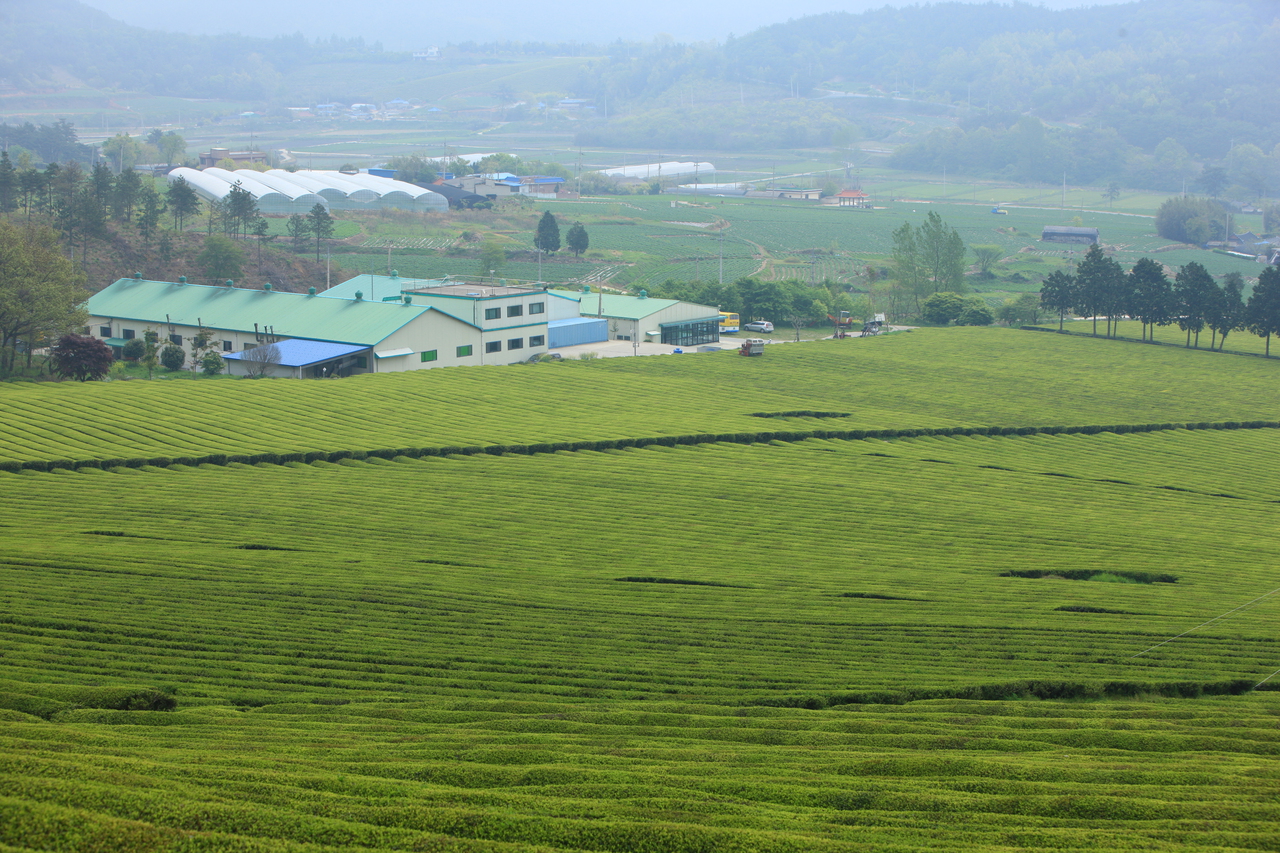
Boseong Green Tea Fields (Daehan Dawon)
보성 대한다원 녹차밭Boseong Green Tea Fields (Daehan Dawon), Boseong, Jeonnam, South Korea
Boseong Daehan Dawon is South Korea’s premier 500-hectare tea plantation, celebrated for 5.8 million terraced emerald green tea bushes cascading across misty mountain amphitheaters, soaring entranc...
Morning (around 09:30-10:00)
Details→