Jeonnam•Boseong•Nature•Scenic Nature Spot
Boseong Green Tea Fields (Daehan Dawon)
보성 대한다원 녹차밭
Powered by Korea Tourism OrganizationAddress: Boseong Green Tea Fields (Daehan Dawon), Boseong, Jeonnam, South Korea (전라남도 보성군 보성읍 녹차로 763-67 (봉산리))
Editorial review pending
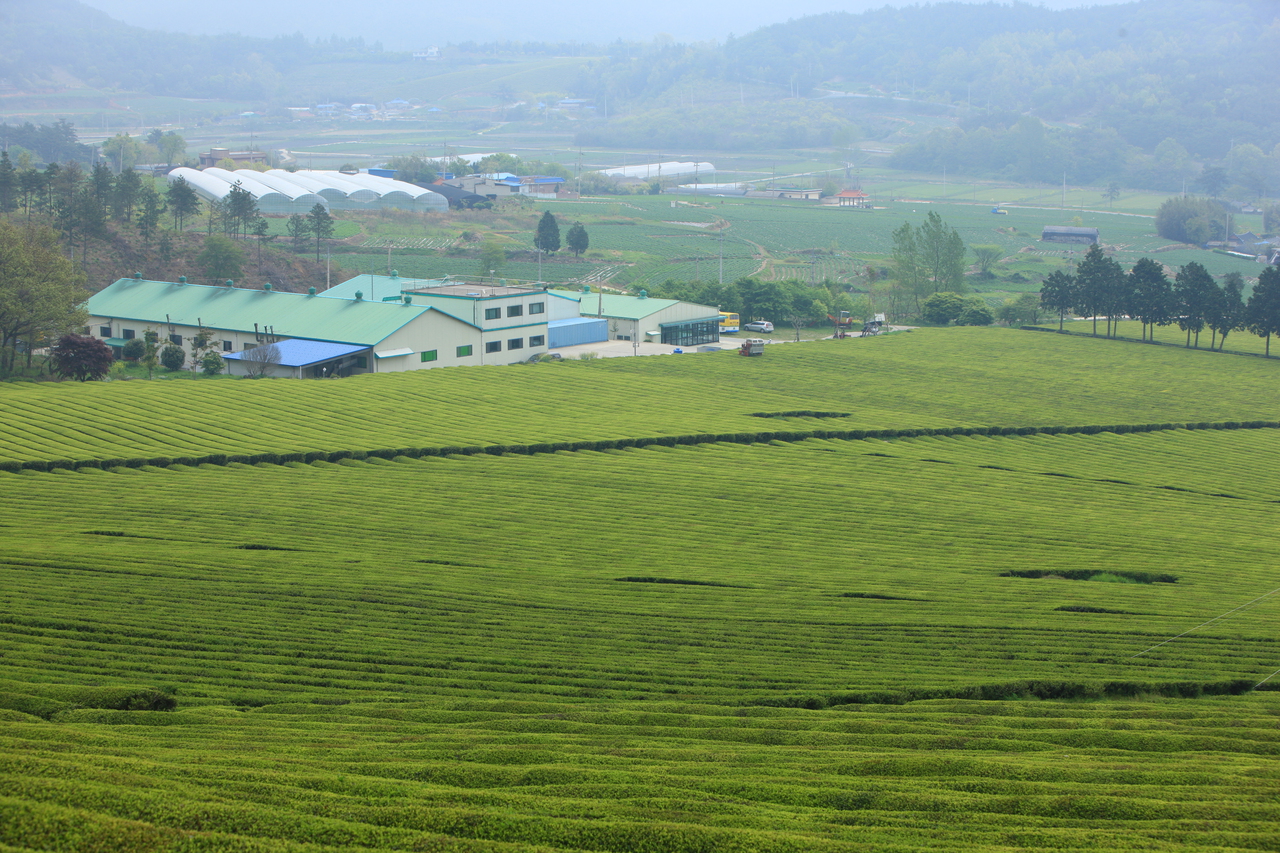
Boseong Green Tea Fields (Daehan Dawon) representative scenic panoramaZoom

+1More
1 / 6
Boseong Green Tea Fields (Daehan Dawon) representative scenic panorama
Curator's Guide & Overview
Comprehensive Guide1. Historical Origins & Cultural Background
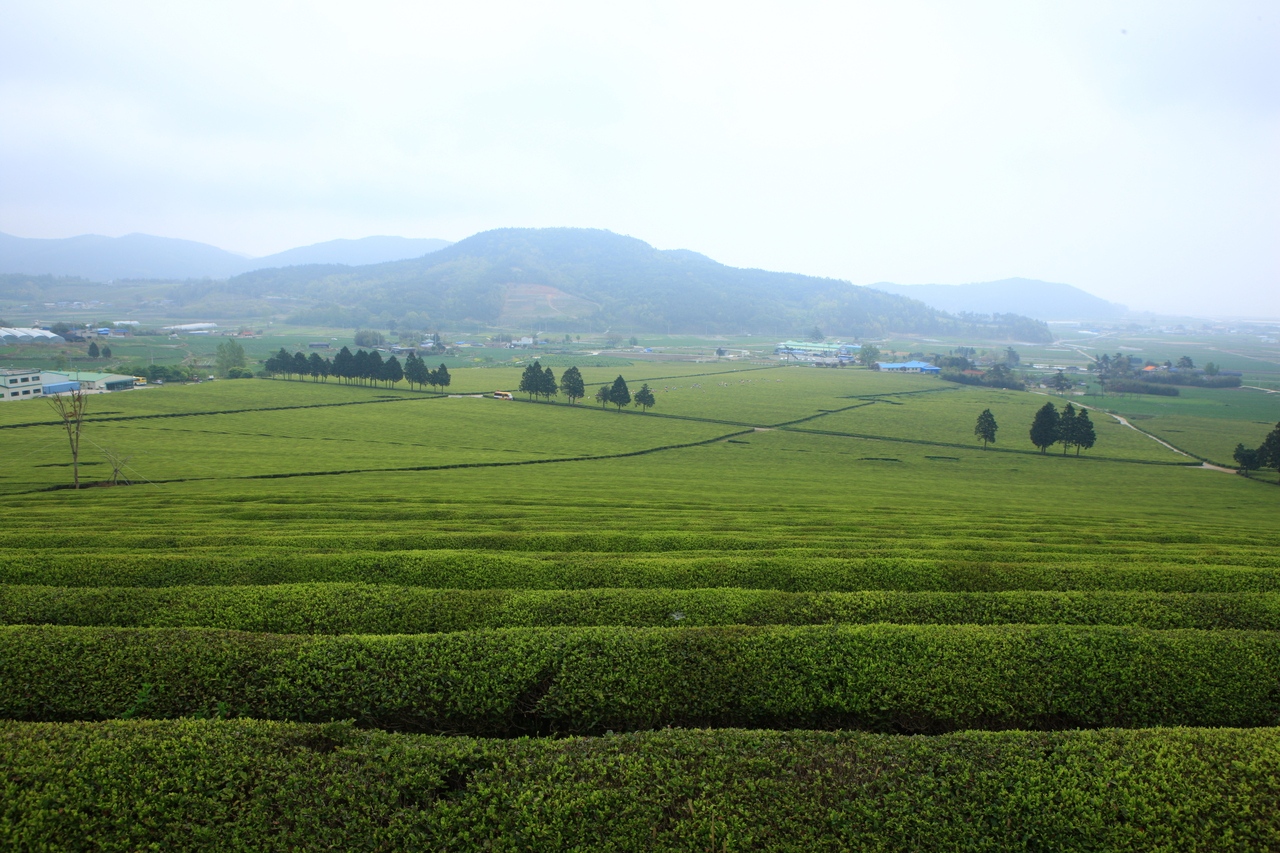
Spanning more than 500 hectares of terraced mountain amphitheaters on the southern slopes of Mount Hwalseongsan, Boseong Daehan Dawon is South Korea’s most celebrated green tea estate and the historic heart of the nation’s tea industry. While wild tea plants have grown in Boseong since the Baekje Kingdom, the commercial terraced fields of Daehan Dawon were established in 1957. Surrounded by protective coastal mountain ridges and cooled by humid breezes blowing off Deukryang Bay, this unique microclimate produces heavy morning mists that naturally shade the tea shrubs, filtering sunlight to develop the deep emerald pigmentation and sweet, amino-acid-rich umami that make Boseong green tea internationally acclaimed. Selected by CNN as one of the '31 Most Beautiful Sights in the World', the estate is a masterpiece of agricultural landscape design.
2. Architectural Highlights & Key Structures
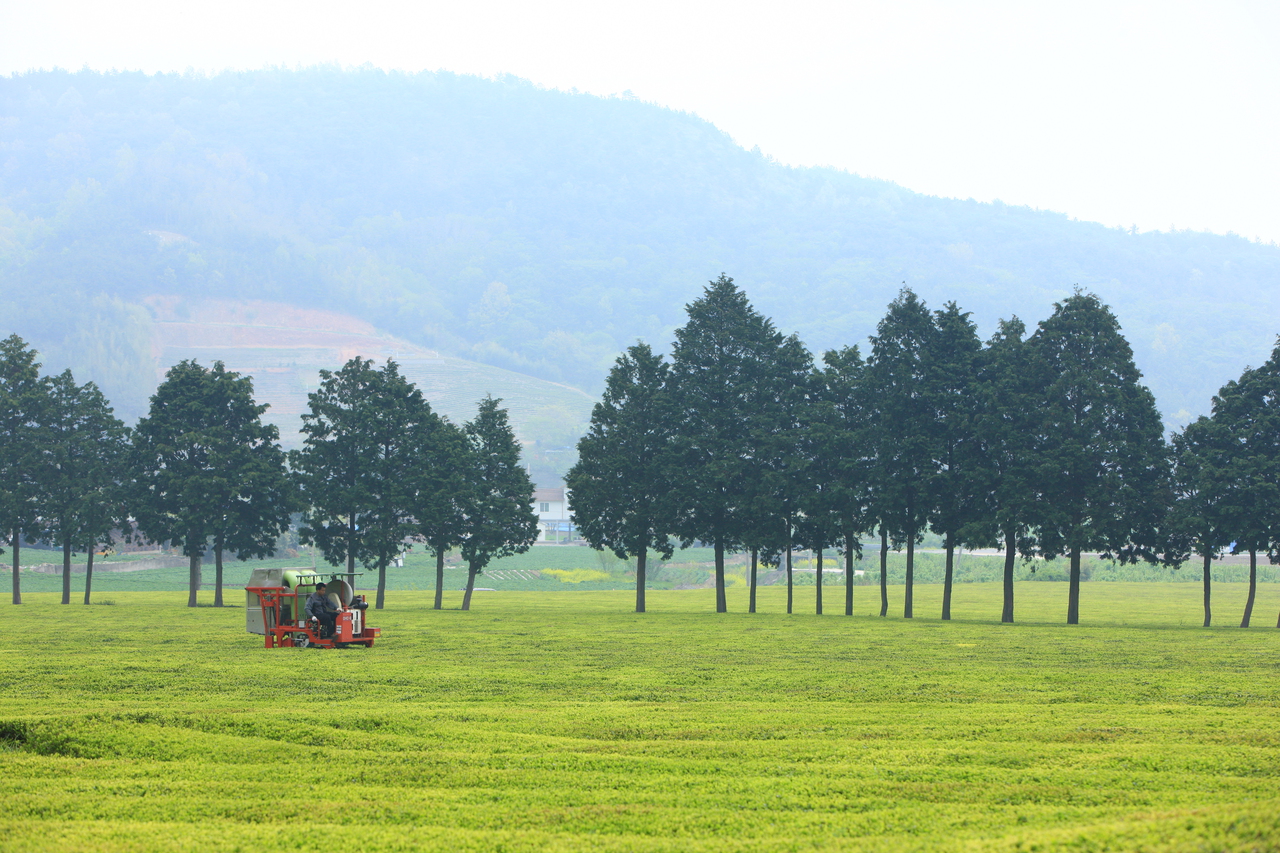
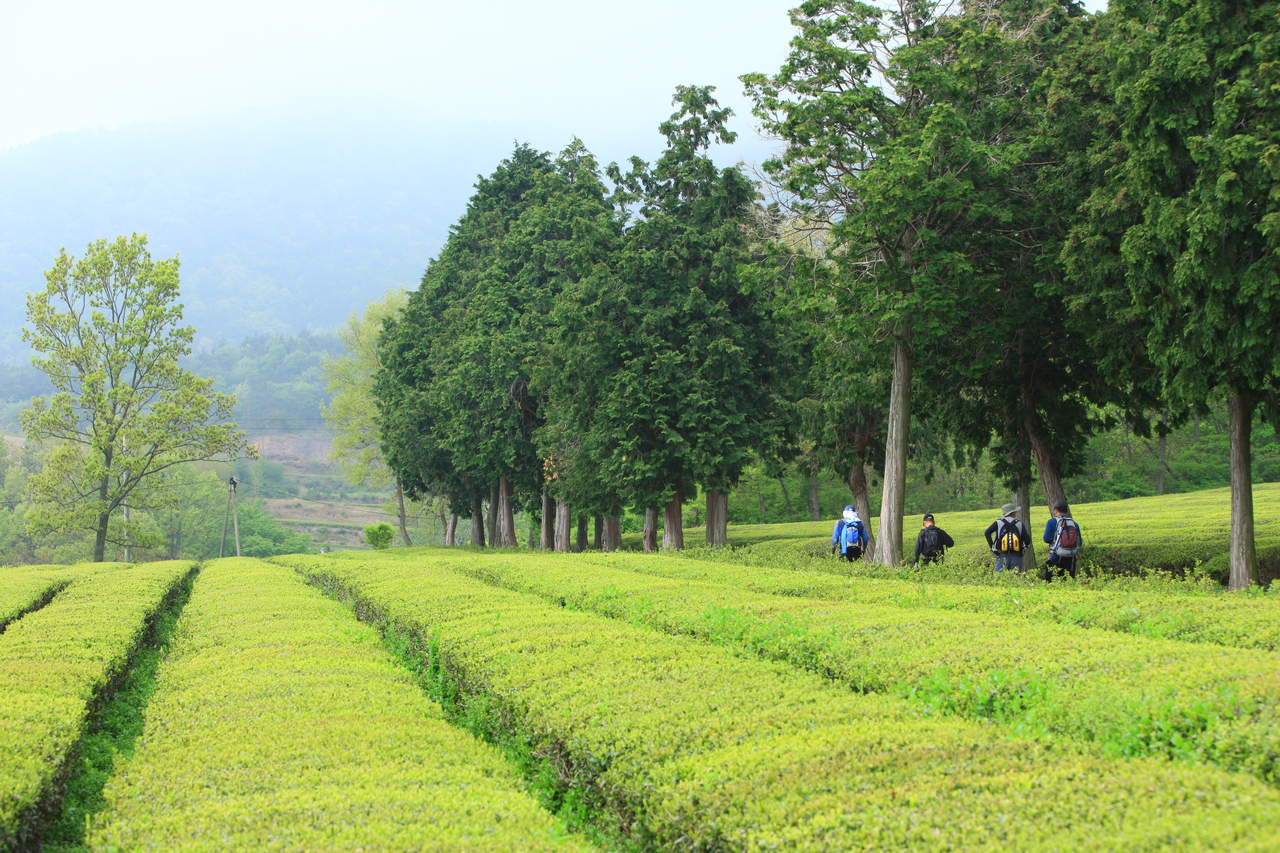
The journey begins at the grand entrance avenue, where soaring 30-meter Japanese Cedar trees (Cryptomeria japonica) line a tranquil gravel promenade, filling the air with woody terpenes. Emerging from the cedar tunnel, visitors are greeted by an astonishing amphitheater of over 5.8 million neatly manicured green tea bushes cascading down the 45-degree mountain bowl in geometric emerald ripples. Walking paths weave through the rows up to the Central Observatory and the high Sea-View Observatory (Bada Jeonmangdae), which rewards hikers with an extraordinary panorama looking past the green tea terraces straight out to the sparkling waters of the South Sea.
3. Four Seasons Landscape & Seasonal Visiting Charms
Spring (late April to May) is the most prestigious season, marking the first tea harvest (Ujeon) when workers wearing broad sun hats hand-pluck the tenderest young yellow-green tea shoots, coinciding with the colorful Boseong Green Tea Festival. Summer brings vibrant, deep jade-green foliage contrasting with brilliant blue skies and fluffy white clouds, alongside refreshing green tea soft-serve ice cream breaks. Autumn provides crisp, clear coastal weather and sweet-scented white tea blossoms blooming under golden sunshine. Winter transforms the terraces into a surreal black-and-white print, where rows of white snow gather in the curved furrows between the green tea bushes, resembling a sculpted Zen rock garden on a titanic scale.
4. Operating Hours & Peak Viewing Times
Daehan Dawon opens daily from 09:00 to 18:00 (visitors must exit by 19:00) during summer months (March to October), and from 09:00 to 17:00 (exit by 18:00) in winter (November to February). The most magical hours for photography and tranquil contemplation are early morning from 09:00 to 10:30, when early mist drifts through the terraces, or late afternoon from 16:00 to 17:30 as the sun casts long dramatic shadows across the curved tea ridges.
5. Admission Fees & Concessions (Youth/Foreigner Discounts)
Admission is 4,000 KRW for adults and 3,000 KRW for youth and children. The spacious paved parking lot at the entrance to the cedar boulevard is completely free.
6. Public Transit & Subway Exit Directions
From Seoul, board the KTX to KTX Gwangju Songjeong Station or KTX Suncheon Station (approx. 1 hour 45 minutes to 2 hours 30 minutes). From Gwangju or Suncheon, take the scenic Mugunghwa regional train directly to Boseong Station (approx. 1 hour). Outside Boseong Station or Boseong Bus Terminal, take local rural buses bound for Yulpo Beach and alight at the Daehan Dawon stop (approx. 15 minutes, departing every 30-40 minutes). Taxis from Boseong Station take about 10 minutes and cost roughly 10,000 to 12,000 KRW.
7. Barrier-Free Accessibility & Visitor Amenities
The entrance cedar avenue, the visitor center, the on-site tea cafe, and the lower viewing plaza of the green tea fields are completely flat and smoothly paved, providing easy access for wheelchairs and strollers. However, ascending to the Central Observatory and the high Sea-View Observatory involves steep dirt trails, stone steps, and unpaved mountain switchbacks that are not accessible to wheeled mobility devices. Accessible restrooms and dedicated parking are located at the lower visitor center plaza. Wheelchairs are available for free loan at the ticket booth.
8. Recommended Walking Route & Highlights Tour
Recommended 2.5-Hour Emerald Hill Circuit: Walk through the soaring cedar tree entrance path breathing in rich pine phytoncides → Emerge at the main courtyard and gaze up at the vast terraced amphitheater → Climb the gentle central path between the rounded tea bushes to the Central Observatory → Continue up the mountain trail to the Sea-View Observatory (Bada Jeonmangdae) to admire the tea terraces overlooking the South Sea → Descend through the bamboo forest path and maple trail → Visit the Dawon Tea Cafe to sample authentic Boseong Green Tea Soft-Serve Ice Cream and hot hand-whisked green tea → Pick up organic loose-leaf tea in the gift shop.
9. Local Food Specialties & Regional Flavors
Boseong features an exquisite culinary repertoire infused with its tea culture. Savor Nokcha Samgyeopsal (succulent pork belly from pigs raised on green tea feed, resulting in tender, odorless, low-cholesterol pork grilled over charcoal), and Nokcha Kalguksu (green tea noodle soup). Just 10 minutes down the road at Yulpo Port, feast on Kkomak Baekban (famous Suncheon-Boseong blood cockles boiled, steamed, and seasoned with spicy chili vinaigrette) and grilled Spanish mackerel.
10. Dietary Options (Vegetarian, Halal & Allergen Guide)
Vegetarian and vegan diners will find delicious choices across Boseong: Nokcha Bibimbap (fragrant rice topped with seasonal mountain herbs and shredded young green tea leaves), Nokcha Jeon (crispy savory pancakes made with green tea flour and vegetables), and hot fermented bean paste stews. The plantation cafe serves dairy-free green tea shakes, hot organic green tea (Sejak and Jungjak), and sweet green tea jellies. Halal visitors can feast on all green tea noodle dishes, cockle feasts, grilled mackerel, and tea desserts without pork concerns.
11. Signature Photo Spots & Golden Hour Lighting
Top photo spots: the iconic postcard angle from the Central Observatory looking down the curved, emerald-green terraced rows as they sweep across the mountain amphitheater, stepping between two rounded tea hedges for a close-up surrounded by tea leaves, towering portraits beneath the 30-meter cedar trees along the entrance path, holding a cone of green tea ice cream against the terraced green backdrop, and the sweeping sea-and-tea vista from the summit observatory.
12. Visitor Etiquette & Cultural Property Regulations
Daehan Dawon is an active commercial tea estate and fragile botanical reserve. Never step inside, step over, or walk directly on top of the tea hedges; walking between bushes compacts the delicate soil and damages root systems. Do not pick leaves without permission. Stay on designated gravel and stone paths. Smoking is strictly prohibited across the entire plantation.
13. Safety Precautions & 1330 Tourism Hotline Support
Ascending to the higher viewpoints requires climbing steep slopes, so wear sturdy sneakers or light hiking shoes with good grip. Carry a bottle of water in summer as the open hillside is sunny. For tea picking schedules and festival information, contact Daehan Dawon at 061-852-4540 or call 1330.
14. Nearby Connected Attractions & Walking Links
Combine your visit with Yulpo Beach and Sea Water & Green Tea Spa, located just 10 minutes to the south on the coast, featuring hot seawater open-air baths infused with concentrated Boseong green tea overlooking the beach.
15. Frequently Asked Questions (FAQ)
Q: Why are Boseong green teas considered the best in Korea? A: Boseong has the ideal combination of deep, acidic, well-draining red soil, high annual rainfall (over 1,400mm), and coastal mists from Deukryang Bay that shield the leaves from harsh sunlight, generating exceptionally high theanine levels and a remarkably sweet, non-bitter flavor profile. Q: What is the difference between Ujeon and Sejak tea? A: Ujeon is the ultra-premium first-harvest tea hand-plucked before the spring Gogu rain (around April 20) featuring the tenderest single-bud shoots; Sejak is the second-harvest tea picked in early May, celebrated for its balanced fragrance and vibrant green hue.
16. Regional Extended Day Trip Itinerary
Boseong Green Tea & Coastal Spa Day Tour: Morning train or bus to Boseong Station → Short bus to Daehan Dawon Tea Plantation → Walk through the grand cedar forest avenue → Hike the emerald terraced fields up to the Sea-View Observatory → Savor green tea soft-serve ice cream and hand-brewed Sejak tea → Lunch of charcoal-grilled Nokcha Samgyeopsal or cockle banquet → 10-minute drive to Yulpo Beach for a soothing green tea seawater open-air bath → Return via KTX Suncheon or Gwangju.
Essential Visitor Facts
Operating Hours
Summer (Mar - Oct) Daily 09:00 - 18:00 (Exit by 19:00); Winter (Nov - Feb) Daily 09:00 - 17:00 (Exit by 18:00); Open year-round
Admission / Price
Adults 4,000 KRW, Youth/Children 3,000 KRW; Parking Free
Closed Days
Open 365 Days
Best Time to Visit
Morning (around 09:30-10:00)
Transit & Access Directions
From KTX Gwangju Songjeong Station or Suncheon Station, take Mugunghwa train to Boseong Station (approx. 1 hr), then take local Boseong Rural Bus to Daehan Dawon stop (approx. 15 mins, or taxi 10 mins / 10,000 KRW)
Accessibility & Special Amenities
Wheelchair ramps, tactile paving, accessible restrooms
Location Coordinates
Latitude: 34.7185
Longitude: 127.0812
Discover Themes & Highlights
Key interest areas and cultural highlights:
#boseong-green-tea-fields#VisitJeonnam#KoreaTravelAtlas
Community Traveler Reviews0 Reviews
Visitor tips, feedback, and questions submitted by real travelers.
No community reviews submitted yet. Be the first traveler to share your experience!
Connected Cultural Destinations
Handpicked nearby attractions and regional cultural highlights.

Damyang Juknokwon Bamboo Forest
담양 죽녹원Damyang Juknokwon Bamboo Forest, Damyang, Jeonnam, South Korea
Damyang Juknokwon is South Korea’s premier 31-hectare bamboo sanctuary, featuring eight meditative forest trails beneath towering green bamboo canopies, rich phytoncide breezes, traditional scholar...
Morning (around 09:30-10:00)
Details→
Damyang Metasequoia Lined Road
담양 메타세쿼이아 가로수길Damyang Metasequoia Lined Road, Damyang, Jeonnam, South Korea
Damyang Metasequoia Tree-Lined Road is South Korea’s most celebrated forest boulevard, featuring a 2.1-kilometer pedestrian promenade shaded by 487 soaring, 50-year-old metasequoias, barefoot red-c...
Morning (around 09:30-10:00)
Details→
Suncheon Naganeupseong Walled Town
순천 낙안읍성 민속마을Suncheon Naganeupseong Walled Town, Suncheon, Jeonnam, South Korea
Suncheon Naganeupseong is South Korea’s most complete surviving Joseon Dynasty walled fortress village, preserving an authentic 1.4-kilometer stone rampart enclosing 218 thatched-roof cottages wher...
Morning (around 09:30-10:00)
Details→
Osulloc Tea Museum & Seogwang Tea Fields
오설록 티뮤지엄Osulloc Tea Museum & Seogwang Tea Fields, Seogwipo, Jeju, South Korea
Osulloc Tea Museum is South Korea’s premier tea cultural sanctuary and lush organic oasis in Seogwipo, showcasing endless emerald green tea plantations, traditional tea roasting pavilions, the mini...
Morning (around 09:30-10:00)
Details→