Jeonnam•Damyang•Nature•Garden & Forest
Damyang Metasequoia Lined Road
담양 메타세쿼이아 가로수길
Powered by Korea Tourism OrganizationAddress: Damyang Metasequoia Lined Road, Damyang, Jeonnam, South Korea (전라남도 담양군 담양읍 메타세쿼이아로 12 (학동리))
Editorial review pending

Damyang Metasequoia Lined Road representative scenic panoramaZoom

+1More
1 / 6
Damyang Metasequoia Lined Road representative scenic panorama
Curator's Guide & Overview
Comprehensive Guide1. Historical Origins & Cultural Background
Designated as National Forest Cultural Asset No. 2 and frequently crowned as 'South Korea’s Most Beautiful Road', the Damyang Metasequoia Tree-Lined Road is an awe-inspiring 2.1-kilometer pedestrian promenade sheltered beneath a towering natural cathedral of living tree crowns. Planted in the early 1970s as part of a national pilot forestry campaign, 487 slender metasequoia saplings (Dawn Redwoods) were set along the edge of National Route 24. Half a century later, these deciduous conifers have flourished into titanic pillars soaring over 20 meters into the sky, their interlocking branches forming an unbroken vaulted green tunnel that completely blocks out the horizon.
2. Architectural Highlights & Key Structures
When modern road widening threatened to fell these living giants in May 2000, citizen protests and conservation groups rallied to rescue the trees. The highway was rerouted, and the original asphalt was peeled away and replaced with natural packed red clay and decomposed granite, converting the roadway into an exclusive car-free eco-sanctuary. Today, travelers can stroll barefoot along the dedicated therapeutic red-clay track (Hwangto-gil), washing their feet in clean natural stream stations at the trail ends. Directly bordering the northern entrance lies Meta Provence, a charming French-inspired lifestyle village offering boutique cafes, artisanal bakeries, and open-air sculpture plazas.
3. Four Seasons Landscape & Seasonal Visiting Charms
Spring brings soft, vibrant lime-green needle shoots that emerge across the towering boughs like pastel lace under warm sunshine. Summer envelops the avenue in a dense, cool green canopy, filtering the midday sun into dancing dappled light while providing an invigorating, oxygen-rich walking environment. Autumn is the avenue’s most legendary visual spectacle: between late October and mid-November, the green foliage transforms into a blazing burnt-orange and deep russet-red corridor, drawing romantic strolls and cinematic landscape photography from across the globe. Winter creates a minimalist fairy tale, as white snow rests on the bare symmetrical branches while frost lines the reddish-brown stringy bark.
4. Operating Hours & Peak Viewing Times
The promenade welcomes visitors daily from 09:00 to 19:00 in summer (May to August) and from 09:00 to 18:00 during spring, autumn, and winter. The neighboring Meta Provence shopping district and cafes stay lively until 21:00. The best hours for photography are early morning between 08:30 and 10:00 before crowds assemble, or late afternoon from 16:30 to 18:00 when golden sunset rays pierce horizontally down the long straight perspective of trees.
5. Admission Fees & Concessions (Youth/Foreigner Discounts)
Admission to the pedestrian tree-lined avenue is 2,000 KRW for adults, 1,000 KRW for youth, and 700 KRW for children. Entry to adjacent Meta Provence village is completely free. Extensive paved parking lots located alongside Meta Provence and the south gate entrance are free of charge.
6. Public Transit & Subway Exit Directions
From Seoul, take the KTX to KTX Gwangju Songjeong Station (approx. 1 hour 45 minutes). Transfer to Express Bus 311 to Damyang Bus Terminal (approx. 40 minutes). From Damyang Bus Terminal, local town buses 10-1, 11-1, or 24-series reach the Metasequoia Road entrance in roughly 7 to 10 minutes. Alternatively, a taxi from Damyang Terminal or Juknokwon takes less than 5 minutes and costs approximately 4,500 to 5,500 KRW. Travelers can also rent a bicycle at Juknokwon and pedal along the flat, paved Gwanbangjerim river path directly to the trees in about 15 minutes.
7. Barrier-Free Accessibility & Visitor Amenities
The entire 2.1-kilometer tree avenue is completely flat and level, surfaced with smooth packed soil and wide timber viewing decks. It is an extraordinary barrier-free attraction that can be navigated effortlessly by baby strollers, wheelchairs, and motorized mobility scooters. Wooden resting benches and gazebo shelters are positioned every 100 meters. Accessible restrooms with automatic sliding doors are situated at both the south ticket gate, the central information pavilion, and within Meta Provence. Complimentary wheelchairs are available at the entrance kiosks.
8. Recommended Walking Route & Highlights Tour
Recommended 2-Hour Forest Walk & Village Route: Enter through the South Gate → Take off your shoes to walk barefoot along the smooth therapeutic red-clay Hwangto track → Admire the soaring 20-meter vertical symmetry of the 487 towering Dawn Redwoods → Rinse your feet at the foot-washing mineral fountain station → Visit the whimsical Frog Eco-Park and climate museum along the trail → Cross the plaza into the colorful European village of Meta Provence → Browse boutique bakeries for famous handmade Kissing Garlic Bread and local strawberry tarts → Relax with an iced Americano on an outdoor cafe terrace.
9. Local Food Specialties & Regional Flavors
The area surrounding the tree-lined road is a gourmet delight. At Meta Provence, sample freshly baked Kissing Garlic Bread (Kyoseong Garlic Bread, buttery circular loaves infused with roasted garlic sauce and sweet cream cheese), handmade French pastries, and artisanal Gelato. Traditional dining nearby includes Damyang Daetongbap, savory charcoal-grilled Tteokgalbi, Guksu-geori river noodle soup, and fried sweet bamboo shoot croquettes.
10. Dietary Options (Vegetarian, Halal & Allergen Guide)
Vegetarian travelers will find pleasant options in the village cafes: freshly baked baguettes, vegan sourdough loaves, organic fruit smoothies, and vegetable paninis. Inside local noodle houses along the adjacent stream, order Bibim-guksu (spicy cold noodles topped with fresh vegetables) or warm banquet noodles (Janchi-guksu). Halal visitors can comfortably enjoy all fresh fruit pastries, garlic breads, gelato, vegetarian noodle bowls, and specialty coffees.
11. Signature Photo Spots & Golden Hour Lighting
Iconic photographic perspectives: standing directly in the center of the 2.1-kilometer path with a telephoto lens to compress the endless vanishing point of towering orange or green tree trunks, artistic shots looking straight up at the symmetrical canopy branches converging like Gothic cathedral arches, barefoot walking portraits along the rust-colored red clay path, and colorful European street snaps amidst the pastel facades and macarons of Meta Provence.
12. Visitor Etiquette & Cultural Property Regulations
This forest is a protected living national heritage asset. Never carve letters, scratch, or peel the fibrous reddish bark of the metasequoia trees; damaging the bark makes trees vulnerable to fungal decay and woodborers. Keep bicycles and electric kickboards outside the gated pedestrian avenue; riding is permitted only on designated outer bypass roads. Smoking is strictly prohibited throughout the tree sanctuary.
13. Safety Precautions & 1330 Tourism Hotline Support
Bring a small hand towel if you plan to enjoy the popular barefoot red-clay walking trail, so you can dry your feet after rinsing. Wear comfortable flat walking shoes. For tree status and seasonal event schedules, contact the Damyang Tourism Facilities Office at 061-380-3149 or call 1330.
14. Nearby Connected Attractions & Walking Links
Combine your visit with other Damyang wonders: Juknokwon Bamboo Forest (PLACE-JEONNAM-003) and the 300-year-old giant trees of Gwanbangjerim are just 5 minutes away to the west.
15. Frequently Asked Questions (FAQ)
Q: What kind of tree is a metasequoia? A: Commonly known as the Dawn Redwood, the Metasequoia glyptostroboides is a living botanical fossil once believed to have gone extinct during the ice ages until surviving groves were rediscovered in central China in 1941; it is renowned for its rapid growth, needle-like deciduous foliage, and fiery bronze-orange autumn color. Q: Can I ride a bicycle on this path? A: Bicycles, rollerblades, and electric scooters are prohibited inside the gated 2.1-kilometer pedestrian avenue to ensure a serene walking environment, but bicycle parking is provided at all gate entrances and dedicated bike paths run along the adjacent river.
16. Regional Extended Day Trip Itinerary
Damyang Nature & European Village Day Tour: KTX to Gwangju Songjeong Station → Direct bus 311 to Damyang → Stroll through Juknokwon Bamboo Forest → Feast on Damyang Tteokgalbi and Daetongbap for lunch → Short ride or scenic bicycle pedal to Damyang Metasequoia Tree-Lined Road → Barefoot walking along the therapeutic red-clay avenue → Capture iconic vanishing-point photos → Afternoon coffee and garlic bread at Meta Provence → Sunset stroll along Gwanbangjerim river forest → Return via KTX.
Essential Visitor Facts
Operating Hours
Summer (May - Aug) Daily 09:00 - 19:00; Spring & Autumn (Mar - Apr, Sep - Oct) Daily 09:00 - 18:00; Winter (Nov - Feb) Daily 09:00 - 18:00
Admission / Price
Adults 2,000 KRW, Youth 1,000 KRW, Children 700 KRW; Meta Provence Village Free; Parking Free
Closed Days
Open 365 Days
Best Time to Visit
Morning (around 09:30-10:00)
Transit & Access Directions
From Damyang Bus Terminal or Juknokwon, take local town bus 10-1, 11-1, or rent a bicycle along the riverside trail (approx. 7-10 mins, or taxi 5 mins / 5,000 KRW)
Accessibility & Special Amenities
Wheelchair ramps, tactile paving, accessible restrooms
Location Coordinates
Latitude: 35.3285
Longitude: 127.0012
Discover Themes & Highlights
Key interest areas and cultural highlights:
#damyang-metasequoia-lined-road#VisitJeonnam#KoreaTravelAtlas
Community Traveler Reviews0 Reviews
Visitor tips, feedback, and questions submitted by real travelers.
No community reviews submitted yet. Be the first traveler to share your experience!
Connected Cultural Destinations
Handpicked nearby attractions and regional cultural highlights.
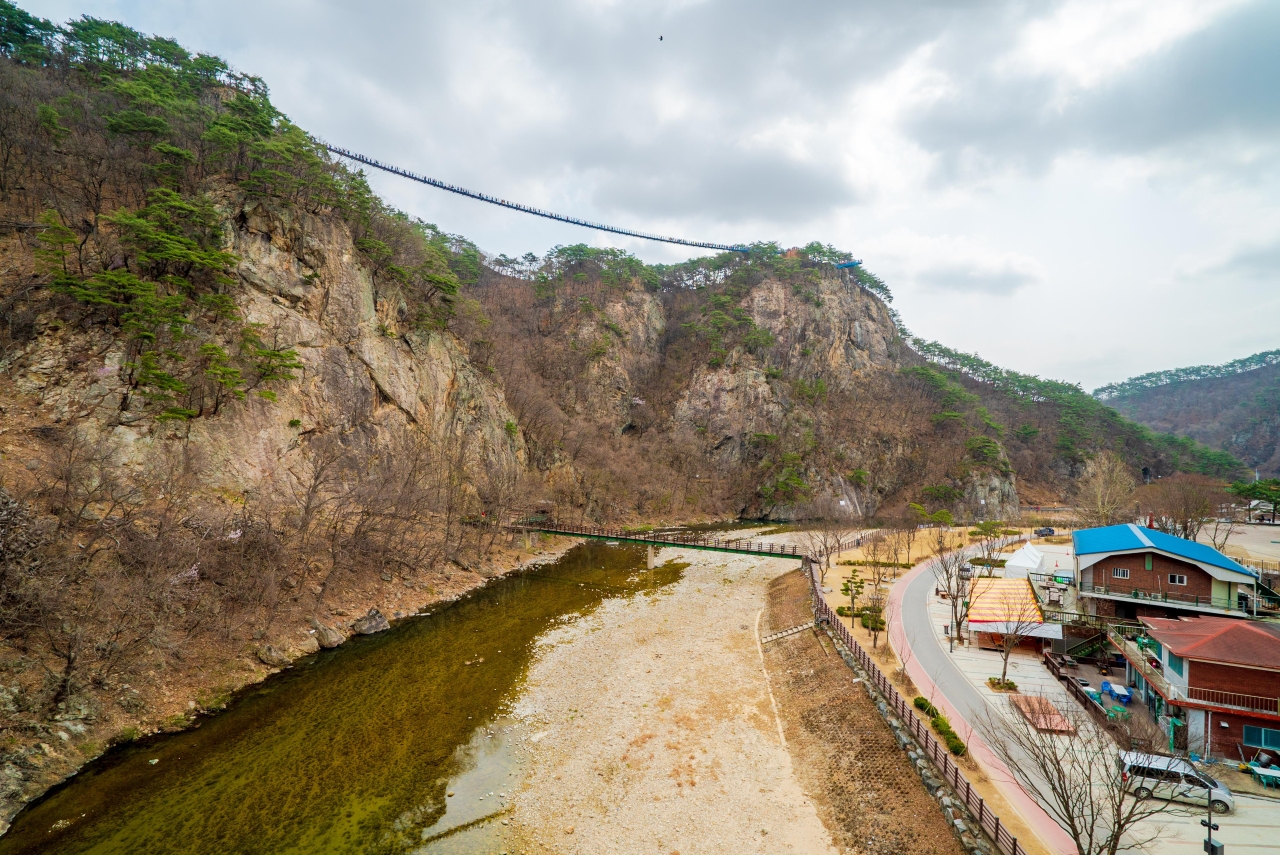
Wonju Sogeumsan Grand Valley Bridge
원주 소금산 그랜드밸리Wonju Sogeumsan Grand Valley Bridge, Wonju, Gangwon, South Korea
Wonju Sogeumsan Grand Valley is an awe-inspiring alpine cliff-canyon skyway adventure, showcasing the iconic 200-meter Sogeumsan Suspension Bridge suspended 100 meters above the Seomgang River, an ...
Morning (around 09:30-10:00)
Details→
Asan Mediterranean Blue Crystal Village
아산 지중해마을Asan Mediterranean Blue Crystal Village, Asan, Chungnam, South Korea
Asan Mediterranean Blue Crystal Village is an enchanting European-themed lifestyle district featuring distinctive Santorini blue domes, Parthenon Doric colonnades, and French Provencal pastel villa...
Morning (around 09:30-10:00)
Details→
Damyang Juknokwon Bamboo Forest
담양 죽녹원Damyang Juknokwon Bamboo Forest, Damyang, Jeonnam, South Korea
Damyang Juknokwon is South Korea’s premier 31-hectare bamboo sanctuary, featuring eight meditative forest trails beneath towering green bamboo canopies, rich phytoncide breezes, traditional scholar...
Morning (around 09:30-10:00)
Details→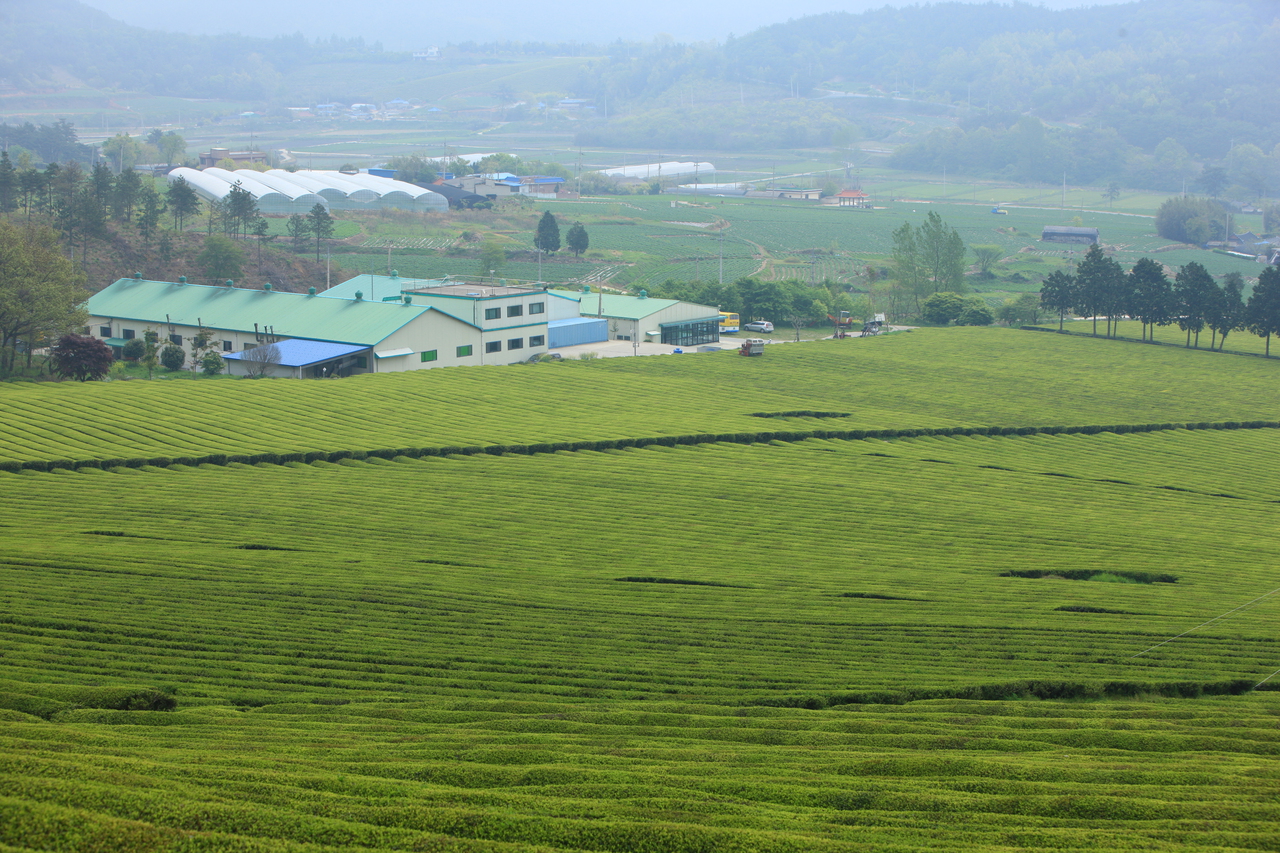
Boseong Green Tea Fields (Daehan Dawon)
보성 대한다원 녹차밭Boseong Green Tea Fields (Daehan Dawon), Boseong, Jeonnam, South Korea
Boseong Daehan Dawon is South Korea’s premier 500-hectare tea plantation, celebrated for 5.8 million terraced emerald green tea bushes cascading across misty mountain amphitheaters, soaring entranc...
Morning (around 09:30-10:00)
Details→