Chungnam•Asan•Culture•Local Experience
Asan Mediterranean Blue Crystal Village
아산 지중해마을
Powered by Korea Tourism OrganizationAddress: Asan Mediterranean Blue Crystal Village, Asan, Chungnam, South Korea (충청남도 아산시 탕정면 탕정면로8번길 55-7)
Editorial review pending

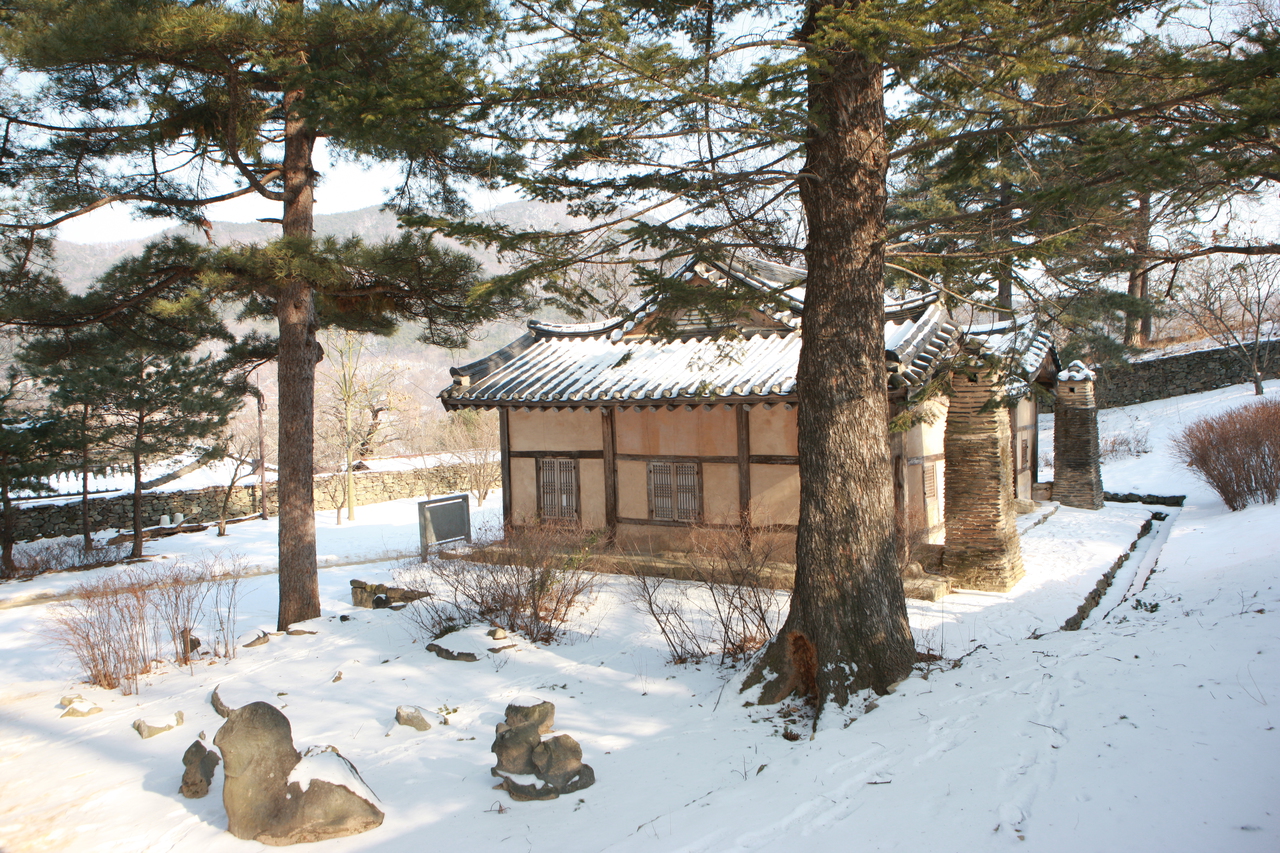
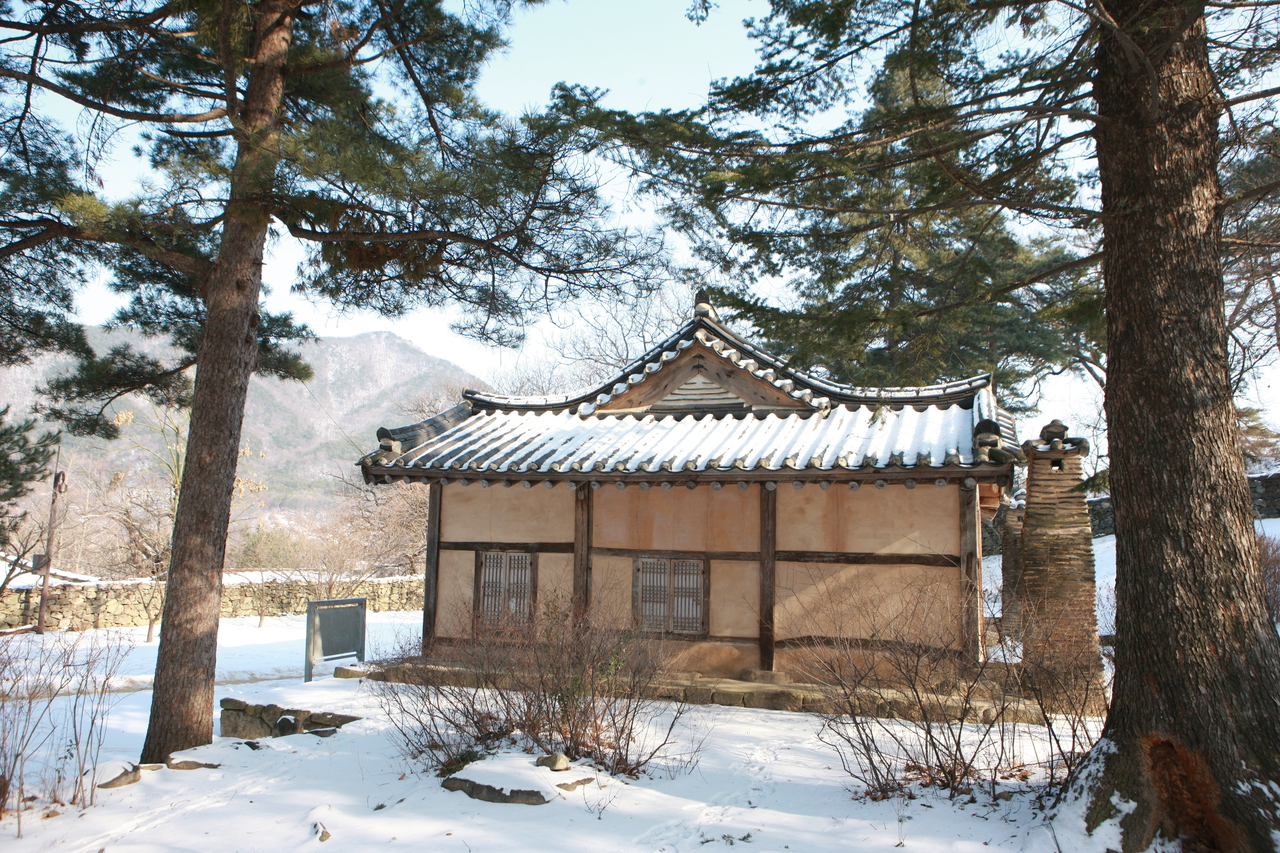
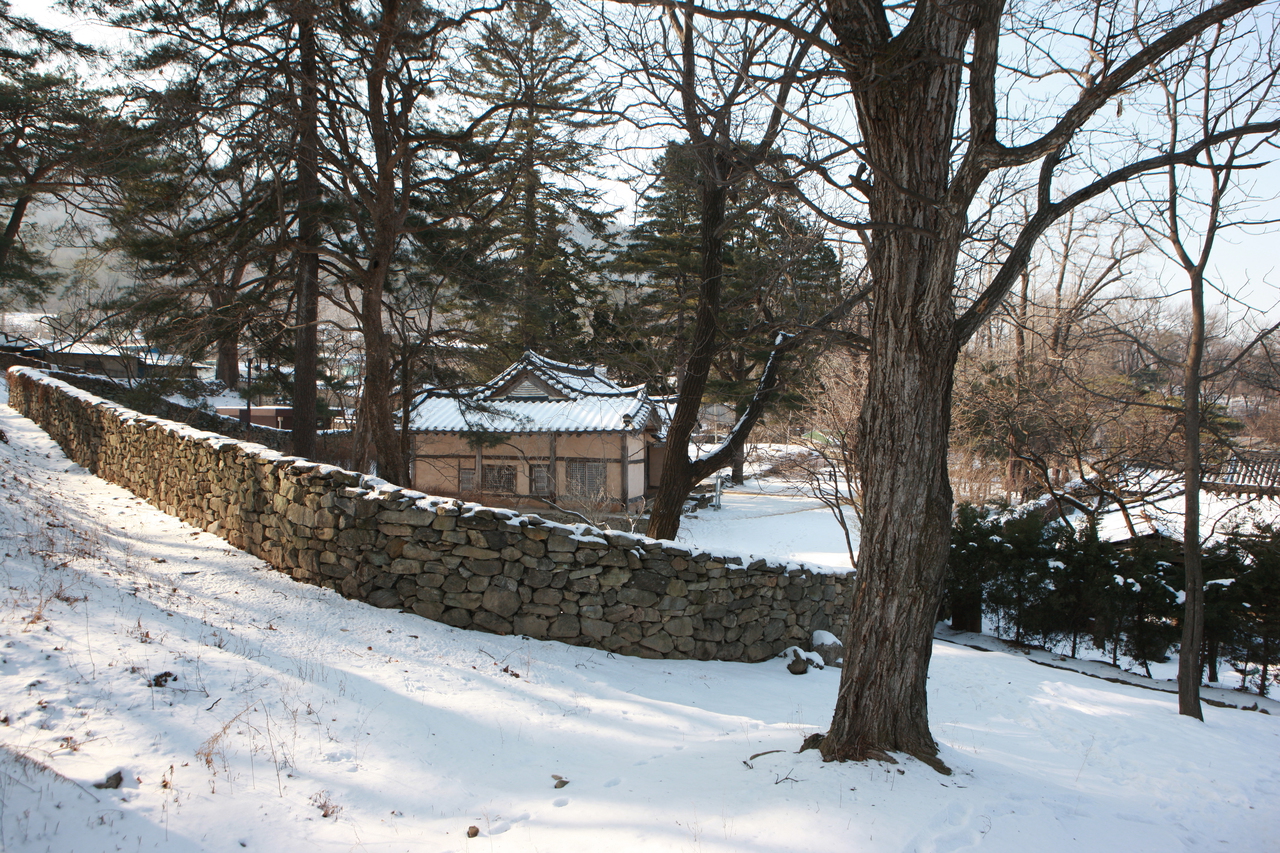
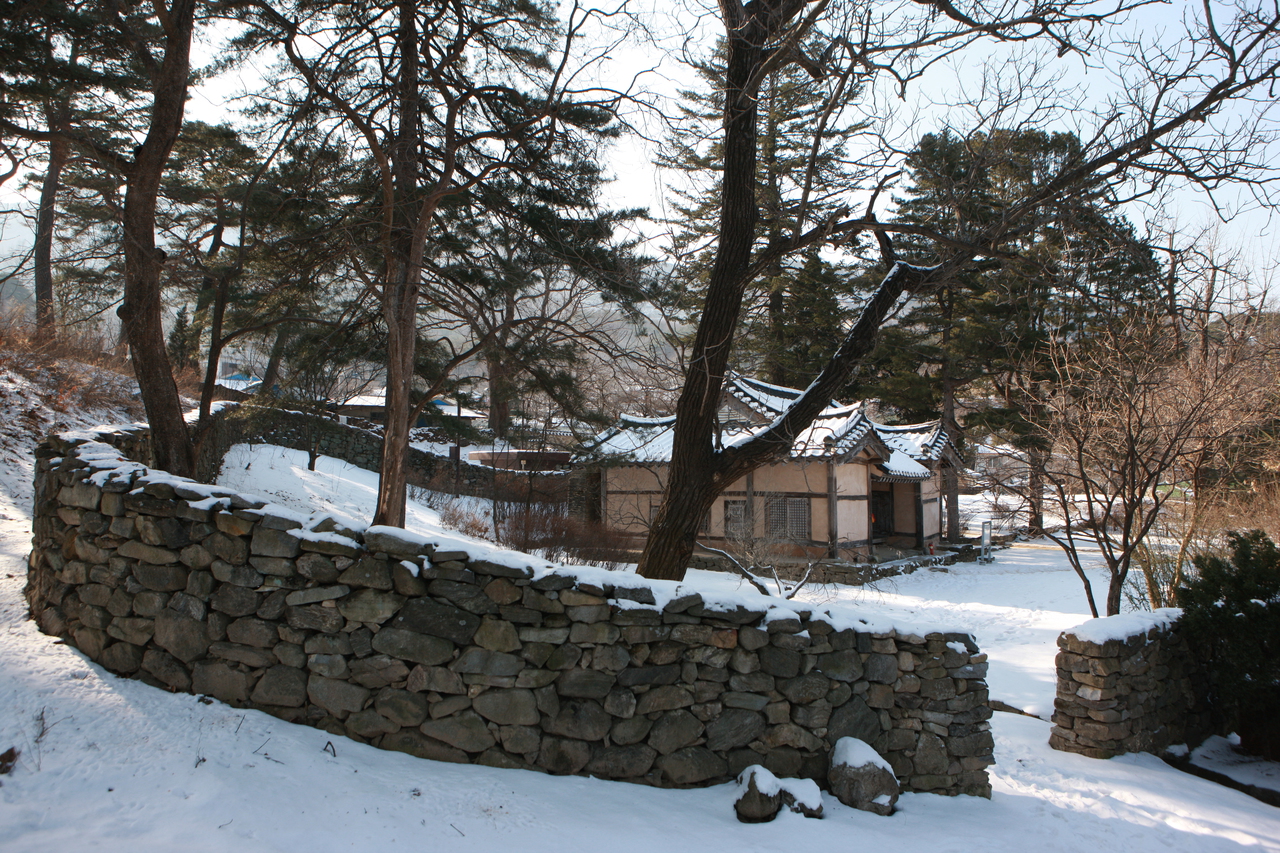
Asan Mediterranean Village exotic Santorini-style architecture and streetscapeZoom
+1More
1 / 6
Asan Mediterranean Village exotic Santorini-style architecture and streetscape
Curator's Guide & Overview
Comprehensive Guide1. Historical Origins & Cultural Background
Nestled in Tangjeong-myeon, Asan, the Mediterranean Blue Crystal Village (widely known simply as Asan Mediterranean Village) is a vibrant European-inspired cultural and lifestyle quarter. The origin of the village is a heartwarming tale of local community preservation: when large-scale industrial display complexes were developed across the Tangjeong plains, displaced local farming residents banded together to rebuild their lives collectively. Rather than scattering, 63 original families established a communal living village inspired by the sun-drenched architecture of the Mediterranean basin, transforming their homeland into one of central Korea’s most photogenic tourist attractions.
2. Architectural Highlights & Key Structures
The village encompasses roughly 66 buildings designed in three authentic Southern European architectural aesthetics. The central spine reflects Greece’s Aegean dreamscape with Santorini-style pristine whitewashed stucco walls, rounded azure-blue domes, and rooftop observation terraces. The western wing showcases the imposing monumental beauty of classical Athens, adorned with Parthenon-inspired fluted Doric columns and marble-hued facades. The southern section embraces the warm, pastoral charm of French Provence, characterized by warm terracotta tile roofs, pastel shutters, and flower-filled wrought-iron balconies. The ground floors host specialty coffee roasteries, artisan bakeries, and clothing boutiques, while residents live in the handsome residences above.
3. Four Seasons Landscape & Seasonal Visiting Charms
Spring brings pleasant patio weather as sidewalk flower boxes burst into bloom with petunias and lavender against the whitewashed facades. Summer radiates with vibrant holiday energy, where visitors sip cold iced coffees beneath Greek blue domes under crisp skies, while evening sea breezes carry the scent of Italian wood-fired pizza. Autumn offers warm afternoon light that brings out the golden tones of the terracotta tiles, accompanied by seasonal craft markets. Winter enchants with dazzling Christmas fairy lights, festive street displays, and warming mulled wine in cozy continental bistros.
4. Operating Hours & Peak Viewing Times
The pedestrian-friendly streetscape is open 24 hours a day with no admission barriers. Individual cafes, restaurants, and artisanal shops generally welcome customers between 10:00 and 22:00. The ideal time to visit is during the late afternoon from 16:00 to 19:30, which allows travelers to capture the dramatic sunlight shifting against the Santorini blue domes before watching thousands of fairy lights illuminate the alleys after dusk.
5. Admission Fees & Concessions (Youth/Foreigner Discounts)
Entry to the village streets, photo zones, and public plazas is completely free. Ample free public parking is located at the edge of the village complex adjacent to Tangjeong Myeon Office and alongside designated community street lots.
6. Public Transit & Subway Exit Directions
From Seoul, board the KTX or SRT from Seoul, Yongsan, or Suseo Station to KTX Cheonan-Asan Station (approx. 35-40 minutes). From Exit 2 of Cheonan-Asan Station, take local City Bus 777 directly to the Mediterranean Village (Tra Palace) stop (approx. 15 minutes). Alternatively, a quick 10-minute taxi ride from KTX Cheonan-Asan Station costs approximately 7,500 to 8,500 KRW.
7. Barrier-Free Accessibility & Visitor Amenities
The entire village is laid out on completely flat terrain with paved pedestrian streets and cobblestone lanes, making it exceptionally accessible for wheelchairs, mobility scooters, and baby strollers. Curbs are gentle and wide, and most cafes and ground-floor boutiques feature barrier-free threshold entrances or shallow ramps. Free public restrooms with dedicated disabled facilities are located at the Tangjeong Community Service Center directly adjacent to the village entrance.
8. Recommended Walking Route & Highlights Tour
Recommended 2-Hour European Promenade: Arrive at the village archway → Stroll down Santorini Blue Dome Alley and pose under the classic blue cupolas → Wander over to the Parthenon Colonnade Street to admire the majestic classical columns → Explore the romantic French Provence quarter with its pastel shutters and garden patios → Browse independent lifestyle boutiques and handmade leather workshops → Relax at a rooftop espresso terrace overlooking the tiled rooftops → Capture nighttime illumination as twinkling fairy lights switch on.
9. Local Food Specialties & Regional Flavors
The village boasts an enticing array of European and fusion dining options alongside beloved Korean favorites. Indulge in authentic Italian wood-fired Neapolitan pizzas, handmade fresh pasta, Spanish tapas, and French crepes. For dessert, sample artisanal salt bread (Sogeum-ppang), churros drizzled with dark chocolate, homemade gelato, and handcrafted fruit pastries from local pastry chefs. Korean dining choices include succulent charcoal-grilled Samgyeopsal and Korean beef bulgogi.
10. Dietary Options (Vegetarian, Halal & Allergen Guide)
Mediterranean Village is an exceptionally vegetarian- and vegan-friendly culinary enclave. Italian bistros readily prepare vegetarian Margherita pizzas, Aglio e Olio pastas, and rich Caprese salads made with fresh basil and buffalo mozzarella. Vegan bakeries offer dairy-free sourdough breads and plant-based oat milk lattes. Halal visitors can comfortably enjoy seafood pastas, cheese and mushroom pizzas, fresh bakery items, and Turkish-style kebabs without pork ingredients.
11. Signature Photo Spots & Golden Hour Lighting
Top photo compositions: standing directly beneath the rounded blue Santorini cupola against a clear blue sky, wide street view framing the fluted white Parthenon columns leading toward an outdoor cafe patio, charming portraits taken before the colorful pastel shutters and flower boxes of the Provence houses, rooftop views capturing the mosaic of terracotta and blue roofs at sunset, and magical evening photos beneath the overhead fairy light canopies.
12. Visitor Etiquette & Cultural Property Regulations
While the lower levels are bustling retail venues, the upper stories of every building are private residential homes belonging to the local villagers. Visitors are kindly requested to refrain from excessive noise, avoid flying unauthorized consumer drones, and never attempt to access private residential staircases or rooftops marked as private property. Smoking is permitted only in designated outdoor zones.
13. Safety Precautions & 1330 Tourism Hotline Support
The village streets feature paving stones, so comfortable walking shoes or stylish flat sneakers are ideal for browsing. Bring a portable power bank as the endless photo spots drain phone batteries quickly. For guided tours or event schedules, contact the Tangjeong Village Association or call the Korea Travel Hotline at 1330.
14. Nearby Connected Attractions & Walking Links
Located just 12 minutes away by car is the historic Asan Oeam Folk Village (PLACE-CHUNGNAM-007), providing a fascinating cultural juxtaposition between traditional Joseon thatched-roof architecture and modern Mediterranean design. Onyang Hot Springs is only 15 minutes away.
15. Frequently Asked Questions (FAQ)
Q: Is this an actual theme park with tickets? A: No, it is an open lifestyle district and real residential community; entry to the streets is entirely free of charge. Q: Why was this European village built in Asan? A: When Samsung Electronics established massive industrial display complexes nearby, the original displaced local farming villagers united to construct this distinctive European-themed village together, preserving their community while building a sustainable tourism economy.
16. Regional Extended Day Trip Itinerary
Asan Cultural Contrast Day Tour: Morning KTX from Seoul to Cheonan-Asan Station → 10-minute taxi to Asan Mediterranean Village → Leisurely stroll through Santorini, Parthenon, and Provence streets → Rooftop cafe brunch with Neapolitan pizza and specialty coffee → Short bus or taxi ride to 500-year-old Asan Oeam Folk Village → Walk the 5.3km mossy stone wall paths and sample traditional rice taffy → Relax at Onyang Hot Springs for an evening thermal soak → KTX return to Seoul.
Essential Visitor Facts
Operating Hours
Streets open 24/7; Cafes and Shops typically daily 10:00 - 22:00 (Varies by store; Night illumination daily sunset - 23:00)
Admission / Price
Free admission to village; Parking Free in designated public lots
Closed Days
Open 365 Days
Best Time to Visit
Morning (around 09:30-10:00)
Transit & Access Directions
From KTX/SRT Cheonan-Asan Station Exit 2, take City Bus 777 or a taxi (approx. 10-12 mins, taxi fare approx. 7,000 - 8,500 KRW) directly to Tangjeong Tra Palace / Mediterranean Village stop
Accessibility & Special Amenities
Wheelchair ramps, tactile paving, accessible restrooms
Location Coordinates
Latitude: 36.7995
Longitude: 127.0612
Discover Themes & Highlights
Key interest areas and cultural highlights:
#asan-mediterranean-village#VisitChungnam#KoreaTravelAtlas
Community Traveler Reviews0 Reviews
Visitor tips, feedback, and questions submitted by real travelers.
No community reviews submitted yet. Be the first traveler to share your experience!
Connected Cultural Destinations
Handpicked nearby attractions and regional cultural highlights.
Gwangmyeong Theme Cave
광명동굴Gwangmyeong Theme Cave, Gwangmyeong, Gyeonggi, South Korea
Gwangmyeong Cave is a premier industrial heritage revival attraction in the Seoul Capital Area, transforming an abandoned 1912 gold mine into a subterranean wonderland featuring underground waterfa...
Morning (around 09:30-10:00)
Details→
Seoraksan National Park (Sinheungsa)
설악산국립공원 (신흥사)1055 Seoraksan-ro, Sokcho-si, Gangwon-do
Seoraksan National Park, sprawling across Sokcho, Inje, and Yangyang in Gangwon-do, is a UNESCO Biosphere Reserve celebrated for its jagged granite spires, pristine mountain cascades, and rich biod...
Morning (around 09:30-10:00)
Details→
Asan Oeam Folk Village
아산 외암민속마을Asan Oeam Folk Village, Asan, Chungnam, South Korea
Asan Oeam Folk Village is an authentic 500-year-old living Joseon Dynasty clan hamlet, famed for 5.3 kilometers of mossy stacked stone walls, tile-roofed noble estates, thatched commoner cottages, ...
Morning (around 09:30-10:00)
Details→
Namhae German Village (Deutsches Dorf)
남해 독일마을Namhae German Village (Deutsches Dorf), Namhae, Gyeongnam, South Korea
Namhae German Village is South Korea’s charming Bavarian coastal enclave, established in 2001 for Korean nurses and miners returning from Germany, featuring authentic white-walled villas with red-o...
Morning (around 09:30-10:00)
Details→