Gyeonggi•Gwangmyeong•Culture•Theme Park & Attraction
Gwangmyeong Theme Cave
광명동굴
Powered by Korea Tourism OrganizationAddress: Gwangmyeong Theme Cave, Gwangmyeong, Gyeonggi, South Korea (경기도 광명시 가학로85번길 142 (가학동))
Editorial review pending
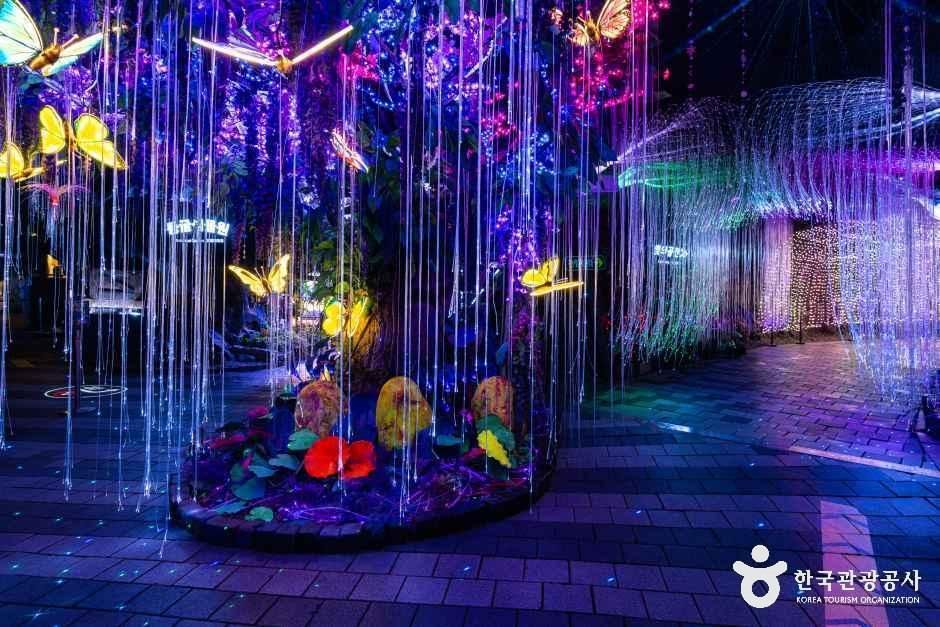
Gwangmyeong Theme Cave representative scenic panoramaZoom


+1More
1 / 6
Gwangmyeong Theme Cave representative scenic panorama
Curator's Guide & Overview
Comprehensive Guide1. Historical Origins & Cultural Background
Originally opened in 1912 during the Japanese colonial occupation as the Siheung Gold Mine, Gwangmyeong Cave was a site of heavy industrial resource extraction and forced Korean labor, producing hundreds of kilograms of gold, silver, copper, and zinc. Abandoned following devastating floods in 1972, the labyrinth of subterranean tunnels served as an obscure salt-pickled shrimp storage cellar for decades until 2011, when the City of Gwangmyeong acquired and transformed it into a world-class industrial heritage theme park.
2. Architectural Highlights & Key Structures
Extending over 7.8 kilometers across 8 subsurface levels reaching a depth of 275 meters (with 2 kilometers open to visitors), the cave maintains a natural year-round ambient temperature of 12°C to 13°C. The interior features awe-inspiring thematic spaces: Wormhole Square, the Light Space illuminated by thousands of fiber-optic LEDs, Cave Aqua World filled with native Korean and exotic freshwater fish, the 9-meter Golden Waterfall, the Golden Palace with statues of the god of wealth, and the 350-seat Cave Arts Hall equipped for 3D projection mapping spectacles.
3. Four Seasons Landscape & Seasonal Visiting Charms
Spring offers a comfortable, temperature-stable excursion away from unpredictable outdoor weather. Summer makes the cave one of the most popular subterranean cooling sanctuaries in Korea, drawing crowds seeking relief from sweltering heat waves while enjoying late-night wine tastings and cave horror festivals. Autumn pairs subterranean touring with colorful foliage hikes on Mount Gahak, while winter keeps visitors warm inside the 12°C climate-controlled passages.
4. Operating Hours & Peak Viewing Times
Gwangmyeong Cave operates Tuesday through Sunday from 09:00 to 18:00 (last entry at 17:00). During the peak summer vacation window (July through August), the cave operates without Monday closures and extends hours until 20:00. The best visiting time is morning around 10:00 or late afternoon at 15:30 to avoid midday weekend tour bus congestion. Bring a light jacket or cardigan, as the subterranean air remains crisp even in midsummer.
5. Admission Fees & Concessions (Youth/Foreigner Discounts)
Admission is 6,000 KRW for adults (19-64), 3,500 KRW for teenagers (13-18), and 2,000 KRW for children (3-12). Seniors over 65 and infants under 3 enter free. Tickets can be purchased at the main ticketing booths or online. Tasting flights and bottles of over 170 varieties of domestic Korean wines are available for purchase inside the Wine Cave.
6. Public Transit & Subway Exit Directions
From central Seoul, take Seoul Metro Line 1 or high-speed KTX to KTX Gwangmyeong Station. From Exit 7 or 8, board city bus route 17 or 77 which connects directly to the Gwangmyeong Cave Terminal in approximately 10 minutes. Ample multi-tier parking lots at the base of Mount Gahak charge 3,000 KRW for standard passenger cars.
7. Barrier-Free Accessibility & Visitor Amenities
The main entrance and the primary subterranean artery leading to Wormhole Square, Cave Aqua World, and the Wine Cave are level, paved, and equipped with ramps accessible for assisted wheelchairs and strollers. However, descending into the lower depths of the Golden Waterfall, Underground Lake, and Dragon's Lair involves climbing steep industrial steel stairways with approximately 300 steps where mobility assistance is required. Accessible restrooms are located at the outdoor plaza and inside the Wine Cave.
8. Recommended Walking Route & Highlights Tour
Recommended 2-Hour Underground Exploration: Enter the cool cavern portal → pass through the glowing Light Space and Wormhole Square → watch the dazzling 3D projection laser show inside the Cave Arts Hall → admire native fish in Cave Aqua World → toss coins into the Wishing Golden Waterfall → greet the giant 41-meter Dragon sculpture and Gollum statue from the Lord of the Rings studio → explore the historical mining artifact museum → finish at the 194-meter Wine Cave for complimentary Korean wine tastings.
9. Local Food Specialties & Regional Flavors
Adjacent to the cave parking complex and in nearby Soho-dong, travelers can enjoy regional Korean dining: sizzling pork galbi barbecue, bubbling seafood kalguksu noodle soup, crispy mung bean pancakes, and famous Gwangmyeong traditional market pan-fried chicken (Tongdak). Inside the cave's Maru de Cave restaurant, upscale European dining is served directly inside the subterranean rock vault.
10. Dietary Options (Vegetarian, Halal & Allergen Guide)
Vegetarian diners can enjoy customized plant-based dining: vegetable stone pot bibimbap, meatless hand-torn noodle soups (sujebi), and savory mushroom pancakes served in traditional dining rooms along Gahak-ro. The outdoor cafe plaza serves warm sweet-potato lattes, soft ice cream, and artisan pastries.
11. Signature Photo Spots & Golden Hour Lighting
Unforgettable photo spots: the glowing tunnel of fiber-optic lights in the Light Space, standing beneath the 9-meter roaring subterranean Golden Waterfall illuminated in bright amber light, posing alongside the massive 41-meter cinematic Dragon sculpture crafted by New Zealand's Weta Workshop, and holding a wine glass against the oak barrel cellar in the Wine Cave.
12. Visitor Etiquette & Cultural Property Regulations
Due to the 12°C underground temperature, wearing comfortable walking shoes and bringing a warm outer layer is essential. Running or touching historic mining rock faces is prohibited for safety. Pets are not permitted inside the subterranean tunnels. Smoking, outside food, and alcohol outside designated wine areas are strictly prohibited.
13. Safety Precautions & 1330 Tourism Hotline Support
Emergency medical stations and nursing facilities operate at both the main ticketing plaza and the underground central hub. Automated external defibrillators (AEDs) and emergency emergency exits are situated throughout the 2-kilometer circuit. For assistance or group reservations, call 070-4277-8902 or the 1330 Korea Travel Hotline.
14. Nearby Connected Attractions & Walking Links
Gwangmyeong Cave is located just 10 minutes from KTX Gwangmyeong Station and the massive IKEA and Lotte Mall shopping hub, and 30 minutes from Incheon International Airport and central Seoul.
15. Frequently Asked Questions (FAQ)
Q: Is the cave cold in summer? A: Yes, Gwangmyeong Cave naturally maintains a steady temperature between 12°C and 13°C all year round. Even on 35°C midsummer days, the interior feels like an air-conditioned cellar, so bringing a light jacket or windbreaker is strongly advised.
16. Regional Extended Day Trip Itinerary
Gwangmyeong Subterranean & Modern Shopping Day Route: Morning train to KTX Gwangmyeong Station → 2-hour underground exploration and wine tasting at Gwangmyeong Cave → lunch at Gwangmyeong Traditional Market → afternoon shopping at IKEA and Lotte Mall Gwangmyeong → evening high-speed train departure.
Essential Visitor Facts
Operating Hours
Tue - Sun 09:00 - 18:00 (Last entry 17:00); Peak Summer (Jul - Aug) open daily until 20:00; Closed Mondays
Admission / Price
Adults 6,000 KRW, Youth 3,500 KRW, Children (3 - 12) 2,000 KRW (Discounts for Gwangmyeong citizens and seniors)
Closed Days
Open 365 Days
Best Time to Visit
Morning (around 09:30-10:00)
Transit & Access Directions
From KTX Gwangmyeong Station Exit 7 or 8, take City Bus 17 or 77 directly to Gwangmyeong Cave Terminal (approx. 10 mins)
Accessibility & Special Amenities
Wheelchair ramps, tactile paving, accessible restrooms
Location Coordinates
Latitude: 37.4265
Longitude: 126.8665
Discover Themes & Highlights
Key interest areas and cultural highlights:
#gwangmyeong-cave#VisitGyeonggi#KoreaTravelAtlas
Community Traveler Reviews0 Reviews
Visitor tips, feedback, and questions submitted by real travelers.
No community reviews submitted yet. Be the first traveler to share your experience!
Connected Cultural Destinations
Handpicked nearby attractions and regional cultural highlights.

Gyeongbokgung Palace
경복궁Gyeongbokgung Palace, Seoul, South Korea
Gyeongbokgung Palace is the grandest royal palace of the Joseon Dynasty, established in 1395 in northern Seoul. Framed by Mount Baegaksan, its majestic grounds encompass Geunjeongjeon Throne Hall, ...
HalalMorning (around 09:30-10:00)
Details→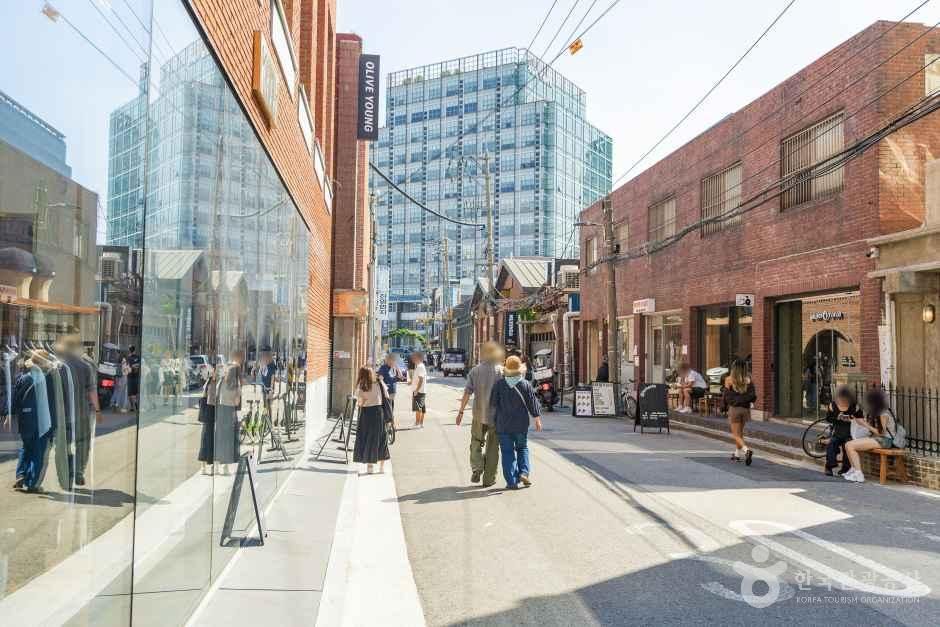
Seongsu-dong Cafe Street
성수동 카페거리Seongsu-dong 2-ga, Seongdong-gu, Seoul
Seongsu-dong Cafe Street, dubbed Seoul's Brooklyn, is a vibrant urban renewal district where 1970s red-brick shoe factories and industrial printing warehouses have been reimagined into avant-garde ...
HalalMorning (around 09:30-10:00)
Details→
Songdo Central Park
송도 센트럴파크Songdo Central Park, Incheon, South Korea
Songdo Central Park is an avant-garde 400,000-square-meter urban oasis featuring Korea’s first seawater canal, futuristic architectural icons like the Tri-bowl, and moon-shaped electric leisure boats.
Morning (around 09:30-10:00)
Details→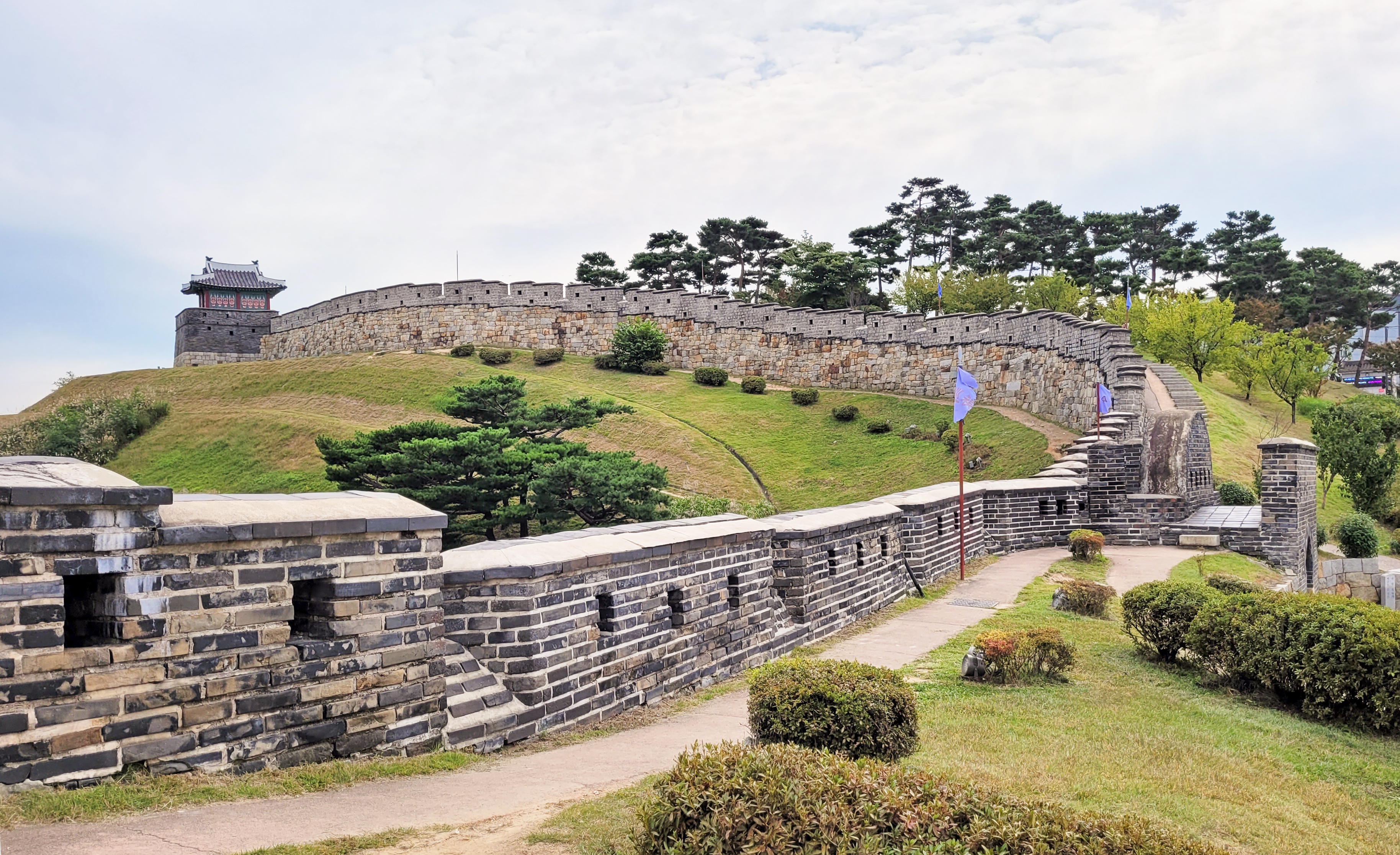
Suwon Hwaseong Fortress (UNESCO)
수원화성Suwon Hwaseong Fortress (UNESCO), Suwon, Gyeonggi, South Korea
Suwon Hwaseong Fortress is a UNESCO World Heritage site constructed between 1794 and 1796 by King Jeongjo, combining visionary Joseon royal filial piety with Eastern and Western scientific fortific...
Morning (around 09:30-10:00)
Details→