Gyeonggi•Suwon•Heritage•Historic Fortress
Suwon Hwaseong Fortress (UNESCO)
수원화성
Powered by Korea Tourism OrganizationAddress: Suwon Hwaseong Fortress (UNESCO), Suwon, Gyeonggi, South Korea (경기도 수원시 팔달구 정조로 825 (남창동))
Editorial review pending
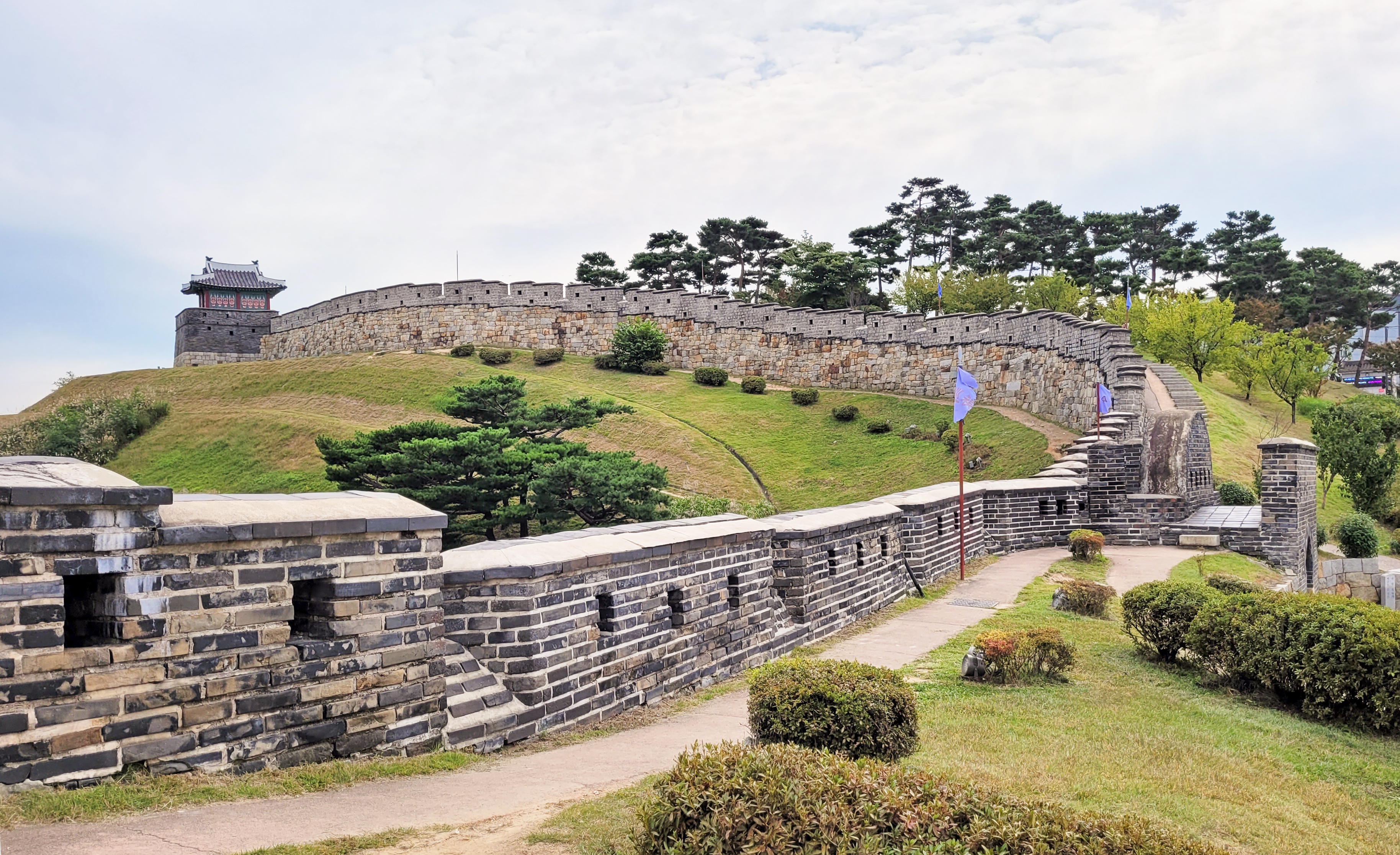
Suwon Hwaseong Fortress grand stone walls and watchtower panoramaZoom


+1More
1 / 6
Suwon Hwaseong Fortress grand stone walls and watchtower panorama
Curator's Guide & Overview
Comprehensive Guide1. Historical Origins & Cultural Background
Inscribed as a UNESCO World Heritage site in 1997, Suwon Hwaseong Fortress is one of the most brilliant achievements of 18th-century military architecture in Asia. Commissioned by King Jeongjo between 1794 and 1796 to honor his late father Prince Sado and establish a prosperous self-sufficient commercial hub, the fortress was designed by premier Silhak (Practical Learning) scholar Jeong Yak-yong. The construction utilized revolutionary engineering inventions, notably the Geojunggi—a heavy-lifting pulley crane powered by mechanical levers.
2. Architectural Highlights & Key Structures
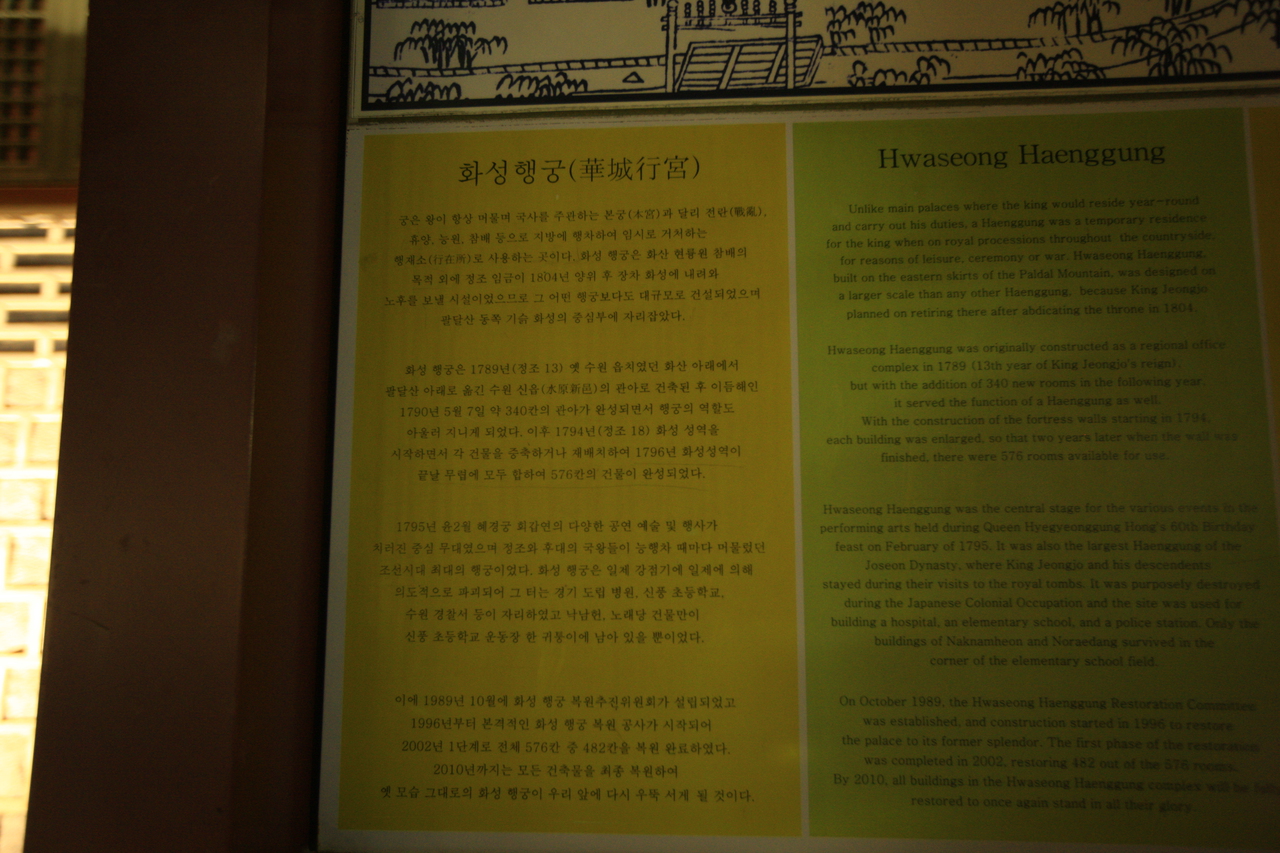
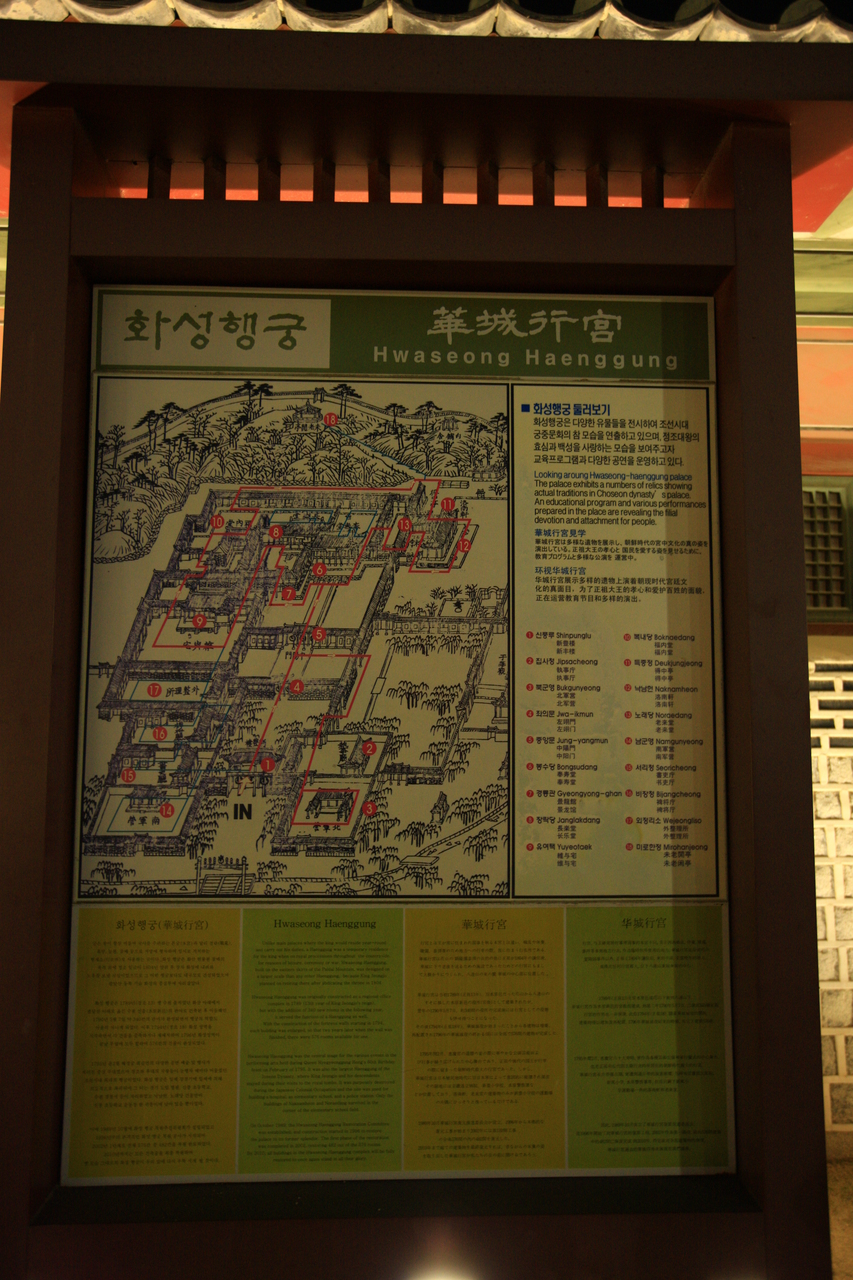
Spanning 5.74 kilometers around Mount Paldal and downtown Suwon, the fortress incorporates 48 sophisticated defensive installations: massive arched portals (Janganmun and Paldalmun), the picturesque floodgates of Hwahongmun, the elevated cliff pavilion of Bangwhasuryujeong, multi-tiered brick beacon towers (Bongdon), and hidden concealed gates (Ammun). The accompanying Hwaseong Haenggung was the largest royal temporary palace in Joseon Korea, where King Jeongjo celebrated his mother Lady Hyegyeong's 60th birthday.
3. Four Seasons Landscape & Seasonal Visiting Charms
Spring brings pink cherry blossom ribbons dancing along the stone battlements and blooming weeping willows framing the emerald pool beneath Bangwhasuryujeong. Summer features illuminated evening walking tours and the Flying Suwon tethered helium balloon soaring 150 meters above the night walls. Autumn displays golden ginkgoes and hosts the grand Suwon Hwaseong Cultural Festival, featuring reenactments of King Jeongjo's royal procession. Winter blankets the brick towers in peaceful, pristine snow.
4. Operating Hours & Peak Viewing Times
The outer fortress walking circuits and crenellated ramparts are open 24 hours a day year-round. Hwaseong Haenggung Temporary Palace operates daily from 09:00 to 18:00 (last entry at 17:30), with special magical night openings running until 21:30 on Wednesdays through Sundays between May and October. The best time to visit is mid-afternoon (15:00-19:30), allowing you to explore the palace, climb Seonjangdae peak for sunset, and witness the fortress walls illuminated by golden night floodlights.
5. Admission Fees & Concessions (Youth/Foreigner Discounts)
Strolling along the 5.74-kilometer fortress ramparts is completely free of charge. Admission to Hwaseong Haenggung is 1,500 KRW for adults, 1,000 KRW for youth, and 700 KRW for children (free for visitors dressed in full traditional Hanbok and children under 6). Automated multilingual ticket machines are available outside the palace gate.
6. Public Transit & Subway Exit Directions
From Seoul Station or Yongsan Station, high-speed KTX and ITX trains reach Suwon Station in just 30 minutes, or take Seoul Subway Line 1 (approx. 50 mins). From Suwon Station Exit 4 or 9, board bus routes 11, 13, 83-1, or 999 directly to the Hwaseong Haenggung or Paldalmun stop in 10 minutes. The tourist Hwaseong Eocha (Dragon Trolley Train) departs hourly between Yeonmudae and Haenggung for 4,000 KRW.
7. Barrier-Free Accessibility & Visitor Amenities
Universal accessibility paths are maintained along the central Haenggung-dong cultural boulevard and within the Hwaseong Haenggung palace courtyards. The flat fortress section between Janganmun and Yeonmudae is step-free and paved. The steep ascent up Mount Paldal contains stone steps where manual wheelchairs require assistance. Wheelchairs and strollers are loaned free of charge at Haenggung, Janganmun, and Yeonmudae tourist information centers.
8. Recommended Walking Route & Highlights Tour
Recommended 3-Hour Highlights Walking Tour: Enter Hwaseong Haenggung Palace and tour the royal court halls → walk through trendy Haengnidang-gil artisan cafe street → pass through monumental Janganmun (Korea's largest arched city gate) → stroll along the ramparts to Hwahongmun floodgates → climb into the fairy-tale Bangwhasuryujeong pavilion overlooking Yongyeon Pond → practice traditional archery at Yeonmudae → ascend into the sky on the Flying Suwon helium balloon.
9. Local Food Specialties & Regional Flavors
Suwon is internationally acclaimed for its regal gastronomy: feast on authentic Suwon Wanggalbi (massive diamond-scored beef ribs marinated in seasoned salt and garlic, charcoal-grilled to melt-in-the-mouth perfection), crispy whole chicken from the historic Suwon Fried Chicken Alley (Tongdak-geori) near Paldalmun, and freshly baked walnut pastries.
10. Dietary Options (Vegetarian, Halal & Allergen Guide)
Haengnidang-gil, the charming bohemian alleyway adjoining the fortress wall, is packed with stylish vegetarian-friendly bistros: fresh avocado and burrata grain bowls, vegan basil pesto pastas, rustic mountain vegetable bibimbap, and traditional green tea cafes serving sweet bean jelly (yanggaeng) and shaved ice (bingsu).
11. Signature Photo Spots & Golden Hour Lighting
Signature photography vantages: looking up at Bangwhasuryujeong pavilion reflected in the emerald waters of Yongyeon Pond during twilight (18:30-19:30), framing the colossal arched roof of Janganmun from the western fortress wall, and looking down on the illuminated serpentine battlements from the Flying Suwon tethered balloon 150 meters in the air.
12. Visitor Etiquette & Cultural Property Regulations
Walking along the narrow outer parapets or climbing over safety battlements is strictly prohibited. Smoking, open flames, and cooking are strictly outlawed throughout this historic UNESCO property. Drones are strictly banned without military and cultural heritage authorization. Leashed pets are welcomed on the outer dirt ramparts but excluded from royal palace interiors.
13. Safety Precautions & 1330 Tourism Hotline Support
Tourist information kiosks with English, Japanese, and Chinese speaking docents are located at Hwaseong Haenggung, Janganmun, Paldalmun, and Yeonmudae. Automated external defibrillators (AEDs) are stationed at every major gatehouse. For emergency assistance or translation, dial the Suwon Cultural Foundation at 031-290-3600 or the 1330 Korea Travel Hotline.
14. Nearby Connected Attractions & Walking Links
Directly accessible within walking distance is the vibrant Suwon Fried Chicken Alley and Paldalmun Traditional Market, while modern Gwanggyo Lake Park and the Suwon Museum of Art are situated within a short 10-minute taxi ride.
15. Frequently Asked Questions (FAQ)
Q: What is the best way to see the whole 5.74 km fortress without walking all day? A: Board the 'Hwaseong Eocha' (Royal Dragon Trolley), a charming open-air tourist vehicle that loops past all four major gates, floodgates, and military posts between Yeonmudae and Hwaseong Haenggung in 30 minutes with audio commentary.
16. Regional Extended Day Trip Itinerary
Suwon Royal UNESCO Heritage Day Tour: Morning high-speed train from Seoul to Suwon → tour Hwaseong Haenggung Palace → authentic Suwon Wanggalbi rib lunch → afternoon walk along the fortress ramparts from Janganmun to Bangwhasuryujeong → sunset balloon flight on Flying Suwon → dinner at Suwon Fried Chicken Street.
Essential Visitor Facts
Operating Hours
Open 24/7 year-round (Hwaseong Haenggung Temporary Palace: 09:00 - 18:00 daily, Night Tour until 21:30 in May - Oct)
Admission / Price
Fortress Walls Free; Hwaseong Haenggung: Adults 1,500 KRW, Youth 1,000 KRW, Children 700 KRW (Free in Hanbok)
Closed Days
Closed on Mondays/Tuesdays
Best Time to Visit
Morning (around 09:30-10:00)
Transit & Access Directions
From Suwon Station (Seoul Metro Line 1 & Suin-Bundang Line) Exit 4 or 9, take City Bus 11, 13, or 83-1 to Paldalmun or Hwaseong Haenggung stop (approx. 10 mins)
Accessibility & Special Amenities
Wheelchair ramps, tactile paving, accessible restrooms
Location Coordinates
Latitude: 37.2852
Longitude: 127.0162
Discover Themes & Highlights
Key interest areas and cultural highlights:
#suwon-hwaseong-fortress#VisitGyeonggi#KoreaTravelAtlas
Community Traveler Reviews0 Reviews
Visitor tips, feedback, and questions submitted by real travelers.
No community reviews submitted yet. Be the first traveler to share your experience!
Connected Cultural Destinations
Handpicked nearby attractions and regional cultural highlights.

Gyeongbokgung Palace
경복궁Gyeongbokgung Palace, Seoul, South Korea
Gyeongbokgung Palace is the grandest royal palace of the Joseon Dynasty, established in 1395 in northern Seoul. Framed by Mount Baegaksan, its majestic grounds encompass Geunjeongjeon Throne Hall, ...
HalalMorning (around 09:30-10:00)
Details→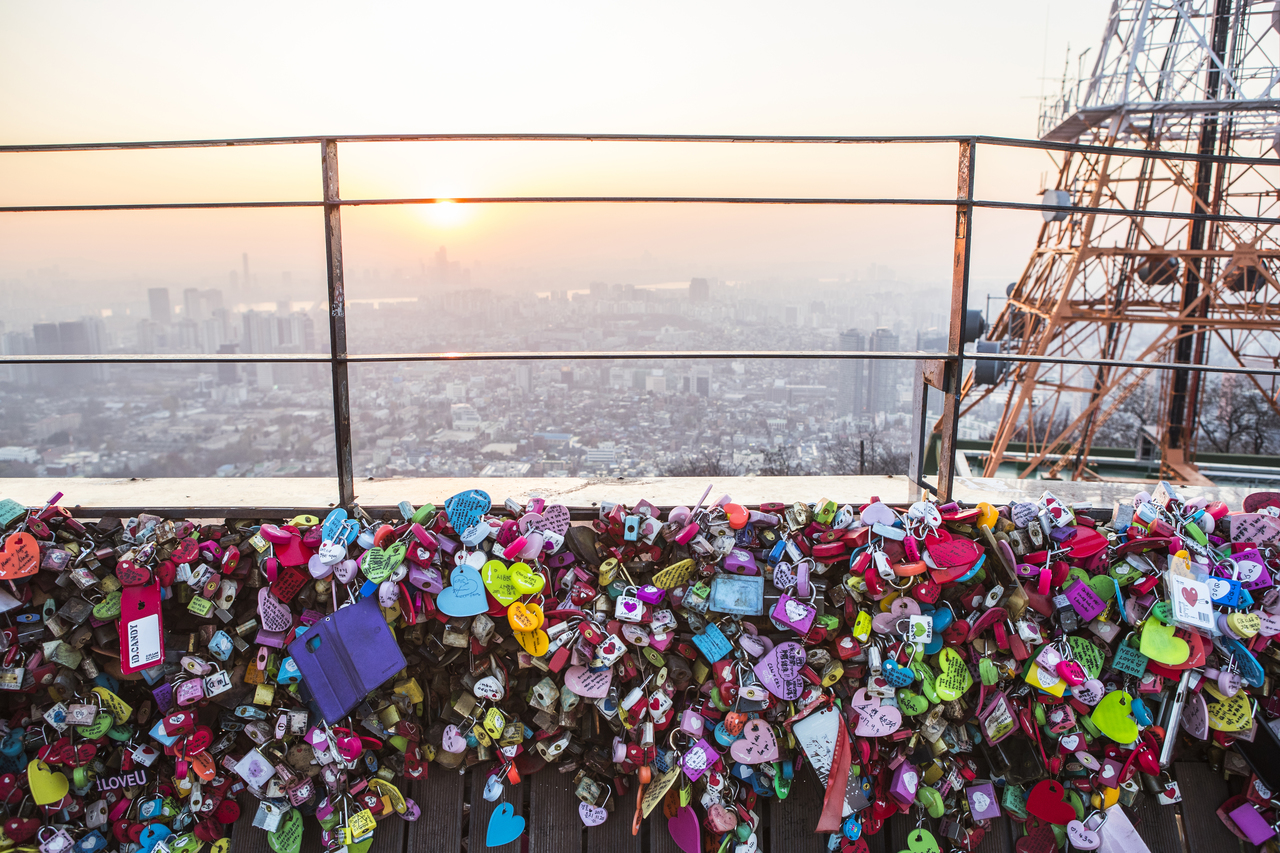
N Seoul Tower (Namsan)
N서울타워N Seoul Tower (Namsan), Seoul, South Korea
N Seoul Tower rises 479 meters above sea level atop Mount Namsan, serving as an iconic metropolitan transmission tower and observation landmark since 1980. The tower offers uninterrupted 360-degree...
HalalMorning (around 09:30-10:00)
Details→
Korean Folk Village (Yongin)
한국민속촌Korean Folk Village (Yongin), Yongin, Gyeonggi, South Korea
Korean Folk Village is South Korea’s premier living heritage open-air museum, spanning 243 acres in Yongin with over 270 authentic Joseon Dynasty houses relocated from across the peninsula, vibrant...
Morning (around 09:30-10:00)
Details→
Starfield Suwon & Vinyl Cafe
스타필드 수원 별마당Starfield Suwon & Vinyl Cafe, Suwon, Gyeonggi, South Korea
Starfield Suwon is a multi-generational cultural shopping landmark opened in 2024, spotlighting the magnificent 22-meter Byeolmadang Library spanning four open stories, vinyl listening lounges, and...
Morning (around 09:30-10:00)
Details→