Gyeonggi•Yongin•Heritage•Traditional Village
Korean Folk Village (Yongin)
한국민속촌
Powered by Korea Tourism OrganizationAddress: Korean Folk Village (Yongin), Yongin, Gyeonggi, South Korea (경기도 용인시 기흥구 민속촌로 90 (보라동))
Editorial review pending

Korean Folk Village (Yongin) representative scenic panoramaZoom


+1More
1 / 6
Korean Folk Village (Yongin) representative scenic panorama
Curator's Guide & Overview
Comprehensive Guide1. Historical Origins & Cultural Background
Established in October 1974 to preserve and perpetuate South Korea's vanishing rural customs, Korean Folk Village is the country's most celebrated living-history museum. Set across 243 scenic forested acres along the Jicheon Stream in Yongin, Gyeonggi Province, the village features more than 270 authentic historic structures—including noble yangban mansions, thatched peasant cottages, provincial governor offices, village schools (seodang), and herbal apothecaries—painstakingly relocated beam by beam from every province of Korea.
2. Architectural Highlights & Key Structures
The park is thoughtfully divided into the Historic Folk Village, a Traditional Crafts Street where master artisans forge brassware, weave bamboo baskets, and throw earthenware on foot-powered pottery wheels, a Folkloric Performance Arena, an Amusement Playzone with rides, and an atmospheric Joseon-era Market Bazaar. It also serves as Korea's premier filming location for beloved period K-dramas including 'Jewel in the Palace', 'Moon Embracing the Sun', and 'The King's Affection'.
3. Four Seasons Landscape & Seasonal Visiting Charms
Spring brings pink azalea hillsides and the famous 'Welcome to Joseon' interactive street character festival. Summer cools visitors with traditional water fights beneath shady weeping willows and nighttime shadow puppet plays. Autumn dresses the thatched roofs in brilliant golden ginkgo and red persimmons during harvest rituals. Winter transforms the village into a nostalgic playground of frozen sledding, ice spinning tops, and warming sweet potato bonfires.
4. Operating Hours & Peak Viewing Times
The village opens daily at 10:00. Closing time is 19:00 on weekdays (Monday through Thursday) and extends to 21:00 on Fridays, Saturdays, Sundays, and public holidays with spectacular illuminated night festivals. The ideal visiting timeframe is arriving by 11:00 to catch the signature afternoon folk performance sequence—Nongak (Farmers' Dance & Percussion) at 11:30, Equestrian Martial Arts at 13:00, and Tightrope Walking (Jultagi) at 14:00.
5. Admission Fees & Concessions (Youth/Foreigner Discounts)
All-inclusive Free Pass tickets cost 35,000 KRW for adults and teenagers (13+), and 29,000 KRW for children (36 months to 12 years). Visitors wearing full traditional Hanbok receive a significant discount of approximately 10,000 KRW off walk-in admission. Online reservations through international ticketing platforms frequently offer 20-30% discounts. International credit cards are accepted throughout the park.
6. Public Transit & Subway Exit Directions
Free dedicated shuttle buses operate daily from Suwon Station (Seoul Metro Line 1, Exit 4) directly to the Korean Folk Village entrance in 30 minutes (departure schedules available at the Suwon Tourist Information Center). Alternatively, from Gangnam Station in Seoul, express red bus 1560 or 5001-1 connects directly to the village gate in under 50 minutes. Expansive car parking is available on-site for 3,000 KRW per day.
7. Barrier-Free Accessibility & Visitor Amenities
The core paths of the traditional village are broad and gently graded with smooth packed earth and pavement suitable for strollers and manual wheelchairs. Ramps provide access to major outdoor performance courtyards and exhibition halls. Wheelchairs and strollers are available for rental at the main gate reception. Accessible restrooms are equipped throughout each programmatic quadrant.
8. Recommended Walking Route & Highlights Tour
Recommended 4-Hour Joseon Time Travel Route: Enter the Main Gate and rent traditional Hanbok → watch the breathtaking Jultagi (tightrope walking) performance at Performance Arena 1 → marvel at horseback archery in the Equestrian Arena → explore the 99-pillar Noble Yangban Estate → observe blacksmiths hammering red-hot iron at the Traditional Blacksmith Shop → enjoy an authentic lunch at the Joseon Market Bazaar → take iconic photos across the wooden arc bridge over the river → visit the K-drama filming set.
9. Local Food Specialties & Regional Flavors
The bustling Joseon-era Market Bazaar (Jangteo) is renowned for mouthwatering historic flavors cooked in open-air caldrons: savor giant golden seafood scallion pancakes (haemul pajeon), cold Dongchimi buckwheat noodles, hand-pulled potato dumpling soup, tender boiled pork slices (suyuk), and freshly fermented traditional makgeolli served in rustic earthenware bowls.
10. Dietary Options (Vegetarian, Halal & Allergen Guide)
Vegetarian options thrive in the traditional food quarters: savory mung bean pancakes (bindaetteok), seasoned wild mountain herb bibimbap served in brass bowls, hand-kneaded acorn jelly salad, sweet red bean porridge (patjuk), and chewy rice cakes toasted over charcoal. Sweet street stalls offer traditional Korean taffy (yeot) and warm roasted chestnuts.
11. Signature Photo Spots & Golden Hour Lighting
Top photography backdrops: standing on the curved wooden bridge (Choga-gyo) crossing the scenic river with thatched cottages mirrored below, posing in vibrant royal Hanbok beneath the wooden colonnade of the 99-pillar Yangban Mansion, and capturing master tightrope walkers suspended mid-air against clear blue skies.
12. Visitor Etiquette & Cultural Property Regulations
As an outdoor museum with precious historic woodwork, smoking is strictly forbidden throughout the entire park except in designated parking zones. Do not step beyond rope barricades inside historical home interiors. Pets under 10 kg on leashes are permitted outdoors. Outside drones are strictly prohibited to safeguard cultural structures and horseback performances.
13. Safety Precautions & 1330 Tourism Hotline Support
Medical first-aid clinics, nursing rooms, and lost-and-found centers are staffed continuously at the Main Entrance Building. Professional security guards and medical responders patrol the village on foot. For assistance, contact the Folk Village Information Center at 031-288-0000 or the 1330 Korea Travel Hotline.
14. Nearby Connected Attractions & Walking Links
Located just 15 minutes away by taxi is the world-renowned Everland Resort theme park and Caribbean Bay water park, while Suwon Hwaseong Fortress is a direct 20-minute drive west.
15. Frequently Asked Questions (FAQ)
Q: Can visitors rent Hanbok on site? A: Yes, multiple professional Hanbok rental boutiques located immediately outside and inside the main gate offer hundreds of royal, scholar, and folk costumes starting from 20,000 KRW for 2 hours, complete with hairstyling and hair accessories.
16. Regional Extended Day Trip Itinerary
Traditional Joseon Culture & Heritage Day Excursion: Morning arrival at Korean Folk Village in traditional Hanbok → enjoy tightrope walking and equestrian shows → historic market bazaar lunch of pajeon and makgeolli → afternoon taxi to Suwon Hwaseong Fortress → sunset walk along the fortress ramparts.
Essential Visitor Facts
Operating Hours
Mon - Thu 10:00 - 19:00; Fri - Sun & Holidays 10:00 - 21:00 (Evening openings with light shows during spring - autumn)
Admission / Price
All-Day Pass: Adults/Youth 35,000 KRW, Children 29,000 KRW (Discount for Hanbok wearers and online reservations)
Closed Days
Closed on Mondays/Tuesdays
Best Time to Visit
Morning (around 09:30-10:00)
Transit & Access Directions
From Suwon Station (Line 1) Exit 4, take Free Shuttle Bus directly to Korean Folk Village (approx. 30 mins) or take City Bus 10-5 / 37 to the village entrance
Accessibility & Special Amenities
Wheelchair ramps, tactile paving, accessible restrooms
Location Coordinates
Latitude: 37.2585
Longitude: 127.1198
Discover Themes & Highlights
Key interest areas and cultural highlights:
#korean-folk-village#VisitGyeonggi#KoreaTravelAtlas
Community Traveler Reviews0 Reviews
Visitor tips, feedback, and questions submitted by real travelers.
No community reviews submitted yet. Be the first traveler to share your experience!
Connected Cultural Destinations
Handpicked nearby attractions and regional cultural highlights.

Gyeongbokgung Palace
경복궁Gyeongbokgung Palace, Seoul, South Korea
Gyeongbokgung Palace is the grandest royal palace of the Joseon Dynasty, established in 1395 in northern Seoul. Framed by Mount Baegaksan, its majestic grounds encompass Geunjeongjeon Throne Hall, ...
HalalMorning (around 09:30-10:00)
Details→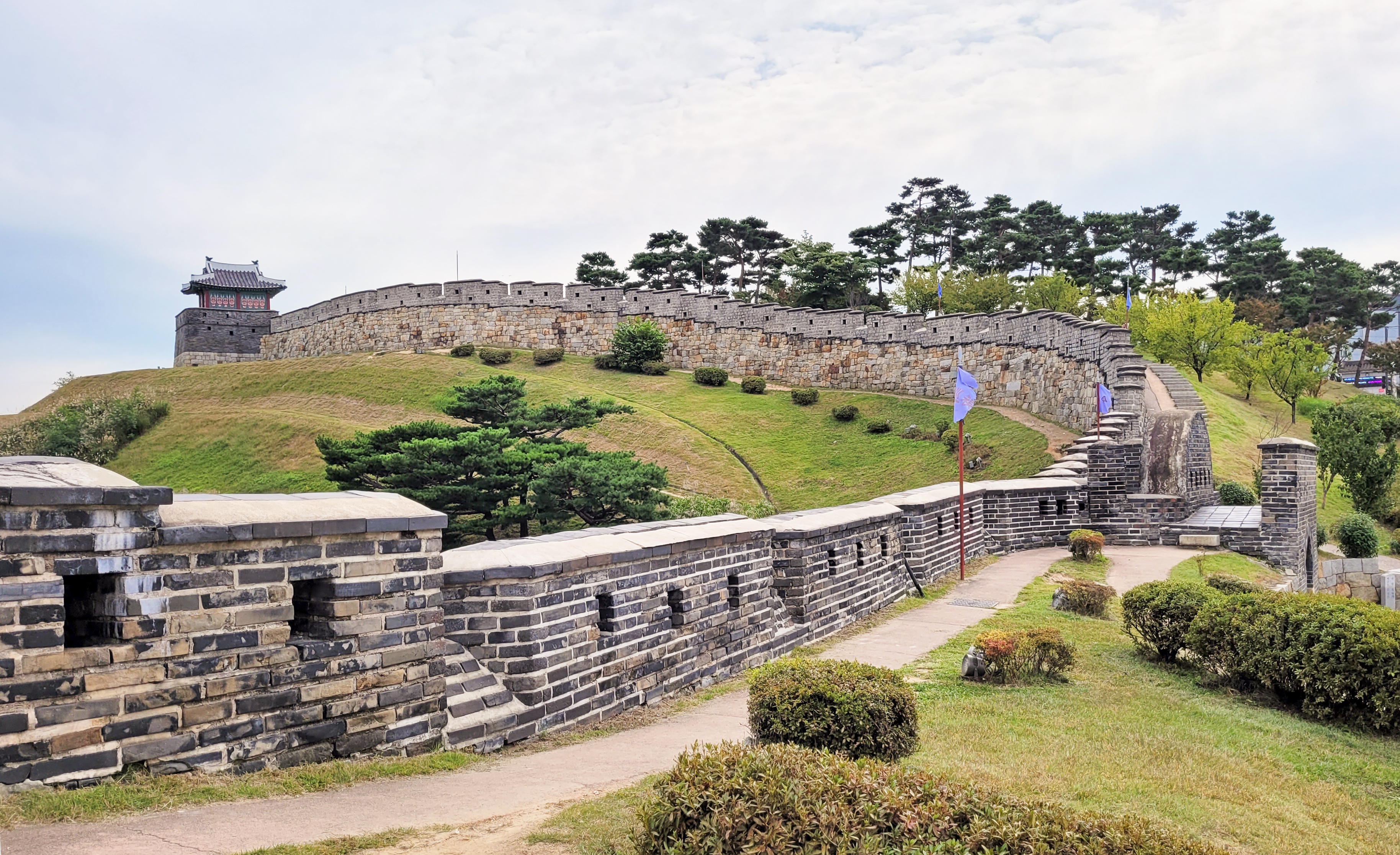
Suwon Hwaseong Fortress (UNESCO)
수원화성Suwon Hwaseong Fortress (UNESCO), Suwon, Gyeonggi, South Korea
Suwon Hwaseong Fortress is a UNESCO World Heritage site constructed between 1794 and 1796 by King Jeongjo, combining visionary Joseon royal filial piety with Eastern and Western scientific fortific...
Morning (around 09:30-10:00)
Details→
Everland Resort & Caribbean Bay
에버랜드 리조트Everland Resort & Caribbean Bay, Yongin, Gyeonggi, South Korea
Everland Resort is South Korea’s largest theme park and leisure resort, encompassing five themed zones, the legendary T-Express wooden roller coaster, the Bao Family panda sanctuary at Zootopia, an...
Morning (around 09:30-10:00)
Details→
Yongin Daejanggeum K-Drama Park
용인 대장금파크Yongin Daejanggeum K-Drama Park, Yongin, Gyeonggi, South Korea
Yongin Daejanggeum Park is South Korea’s largest authentic historical drama open-air studio, sprawling across 2.5 million square meters with life-sized Joseon palaces, ancient marketplace bazaars, ...
Morning (around 09:30-10:00)
Details→