Chungnam•Asan•Heritage•Traditional Village
Asan Oeam Folk Village
아산 외암민속마을
Powered by Korea Tourism OrganizationAddress: Asan Oeam Folk Village, Asan, Chungnam, South Korea (충청남도 아산시 송악면 외암민속길 9번길 13-2 (외암리))
Editorial review pending

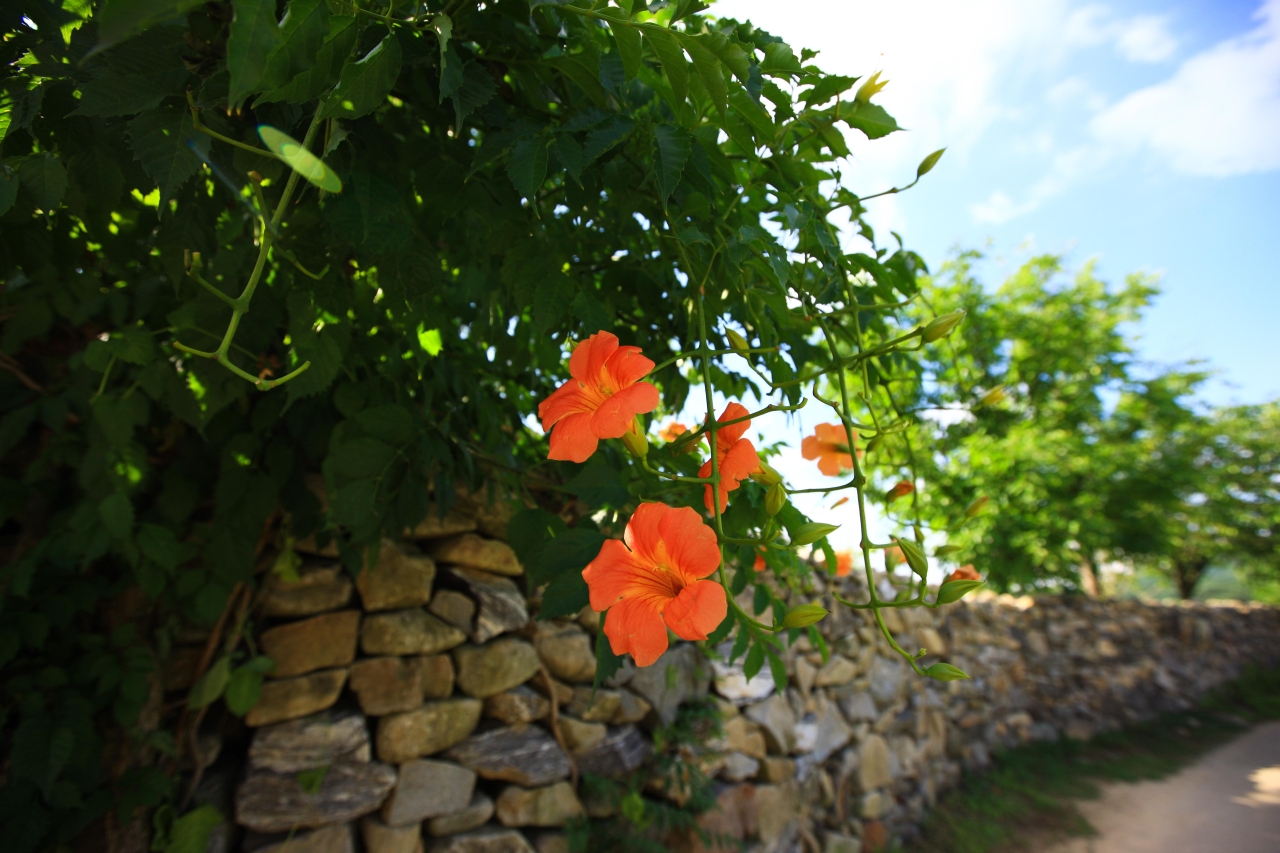
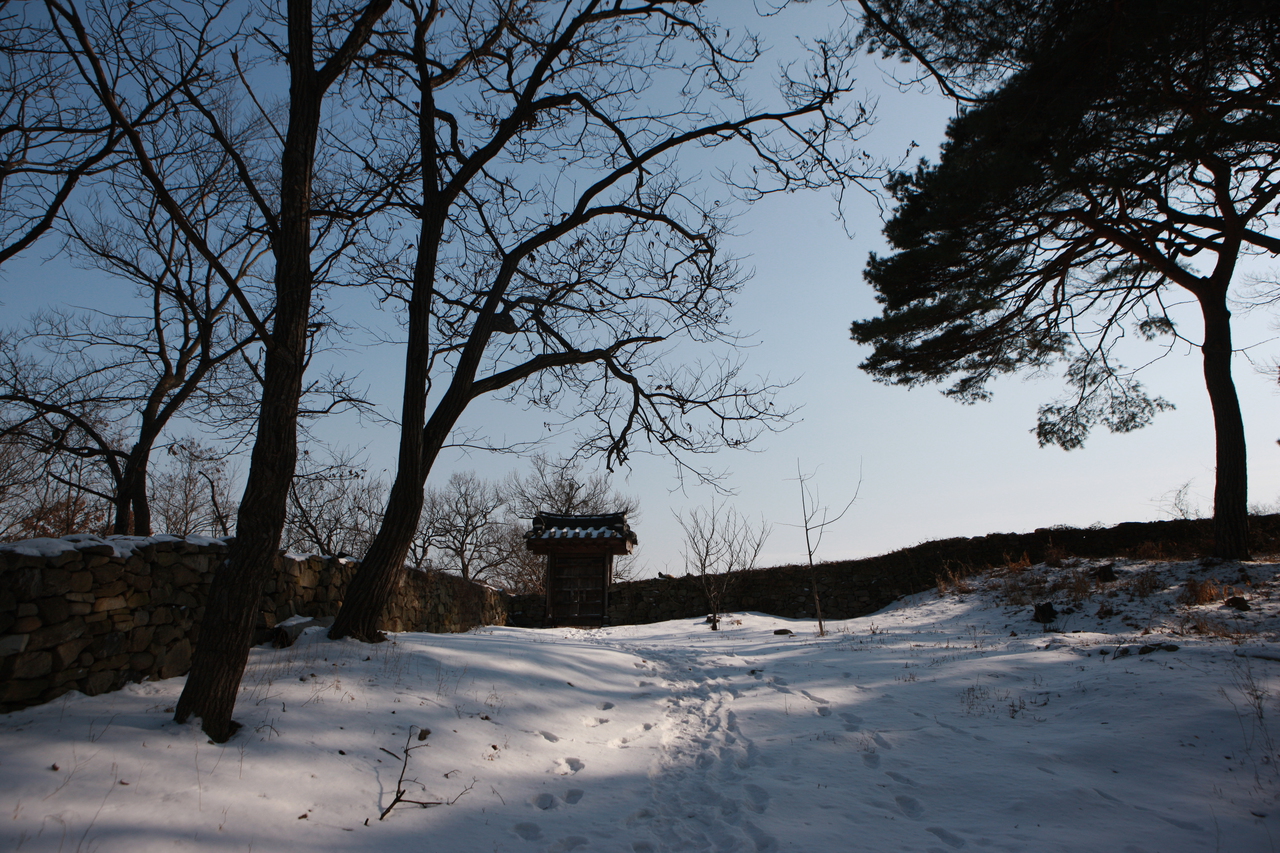
Asan Oeam Folk Village representative scenic panoramaZoom


+1More
1 / 6
Asan Oeam Folk Village representative scenic panorama
Curator's Guide & Overview
Comprehensive Guide1. Historical Origins & Cultural Background
Designated as National Important Folklore Cultural Heritage No. 236, Asan Oeam Folk Village is an extraordinary living relic of traditional Joseon Dynasty rural society. Nestled at the foot of Mount Seolhwasan, the village was established roughly 500 years ago during the reign of King Myeongjong by the Ye-an Yi clan. Unlike artificial folk villages created for tourism, Oeam Village is an authentic communal settlement where descendants of the original clan families continue to inhabit their ancestral timber estates and thatched homes, cultivating terraced rice paddies and preserving centuries of folklore rituals.
2. Architectural Highlights & Key Structures
The defining visual signature of Oeam Village is its labyrinth of rustic mossy dry-stacked stone walls (Doldam-gil), stretching for a total length of 5.3 kilometers through the village lanes. Built from natural granite boulders cleared from local mountain fields, these chest-high stone boundaries enclose pristine Joseon-era noble estates (Gotaek) named after former ministerial offices, including Geonjae Gotaek (famous for its Japanese-influenced pine-and-pond garden), Champan-daek, and Songhwa-daek. The village also features functional watermills, stepped stream channels diverting fresh mountain water into each courtyard, and a sprawling traditional marketplace (Jeojatgeori).
3. Four Seasons Landscape & Seasonal Visiting Charms
Spring brings bright pink azaleas and blooming wild cherry trees drooping over the mossy stone walls, as fresh green shoots emerge in the vegetable plots. Summer offers cool shaded walks beneath giant 600-year-old ginkgo trees and the relaxing burble of stone waterway channels running past thatched gates. Autumn is the village's crowning glory, when golden rice fields ripple in the autumn breeze, bright orange persimmons dangle from leafless boughs against the thatched roofs, and village elders participate in traditional roof-rethatched festivals. Winter offers deep rural tranquility, with white snow resting on the thatched eaves and smoke curling from traditional ondol chimneys into the crisp blue sky.
4. Operating Hours & Peak Viewing Times
The historic village grounds operate daily from 09:00 to 18:00 in summer (March through October) and 09:00 to 17:00 in winter (November through February). The bustling marketplace (Jeojatgeori) outside the gate stays open until 21:00 with vibrant dinner taverns. An ideal visit begins at 10:00 with a gentle walk along the stone wall alleys, followed by traditional rice-taffy making demonstrations, and concluding with a rustic Korean lunch in the market square.
5. Admission Fees & Concessions (Youth/Foreigner Discounts)
Admission is 2,000 KRW for adults and 1,000 KRW for youth and children. Traditional hands-on workshops (rice-cake pounding, traditional kite making, and fermented soybean block crafting) charge small material fees ranging from 3,000 to 5,000 KRW. Spacious public parking at the entrance and marketplace is completely free.
6. Public Transit & Subway Exit Directions
From Seoul, take the KTX or SRT to KTX Cheonan-Asan Station (approx. 35 to 40 minutes), or take Seoul Subway Line 1 directly to Onyangoncheon Station. From the bus terminal outside Onyangoncheon Station Exit 1, board local city bus 100, 101, or 120 directly to the Oeam Folk Village stop (approx. 30 minutes). Taxis from Onyangoncheon Station reach the village in 15 minutes for approximately 12,000 to 14,000 KRW.
7. Barrier-Free Accessibility & Visitor Amenities
Oeam Village features gentle, unpaved historical stone alleys. The main village paths are flat and packed with decomposed granite that can be navigated by baby strollers and assisted wheelchairs, though certain inner courtyard paths feature historical stepping stones. The entrance plaza, visitor center, and the traditional marketplace (Jeojatgeori) are completely flat, paved, and barrier-free with accessible restrooms. Complimentary wheelchairs are available at the ticketing booth.
8. Recommended Walking Route & Highlights Tour
Recommended 2.5-Hour Heritage Circuit: Cross the historic wooden bridge into the village → Walk the serene 5.3km Stone Wall Maze beneath weeping persimmon trees → Admire the elegant courtyards of Geonjae Gotaek and its centuries-old Korean red pines → Stop by a local elder's cottage to sample hand-pulled Rice Taffy (Yeot) and Yeonyeopju (traditional lotus-leaf fermented wine) → Walk through the thatched folk experience village to try traditional wooden swings and arrow throwing (Tuho) → Finish at the Jeojatgeori marketplace for piping-hot mung bean pancakes and Makgeolli.
9. Local Food Specialties & Regional Flavors
Oeam Village is celebrated for traditional artisanal foods made using centuries-old clan recipes. Don’t miss Oeam Rice Taffy (ssal-yeot), hand-pulled with local rice and malt into crisp, non-sticky golden candy sticks. Savor Asan Yeonyeopju (Chungnam Intangible Cultural Heritage No. 11, a fragrant medicinal rice wine brewed with wild lotus leaves and pine needles), crispy Mung Bean Pancakes (Bindaetteok), rustic Acorn Jelly Soup (Dotorimuk-bap), and handmade Tofu Kimchi.
10. Dietary Options (Vegetarian, Halal & Allergen Guide)
Vegetarian and vegan travelers will find authentic plant-based dining across the village and marketplace: savory Bindaetteok (pure ground mung bean pancakes pan-fried in perilla oil), Dotorimuk-muchim (seasoned acorn jelly salad with wild greens), fresh steamed tofu with aged kimchi, and Sanchae Bibimbap. Local grandmothers sell organic dried persimmons, roasted chestnuts, and sweet pumpkin sikhye. Halal visitors will find the pure vegetarian bean pancakes, tofu dishes, and acorn jelly fully compliant.
11. Signature Photo Spots & Golden Hour Lighting
Iconic photo compositions: framing a narrow cobblestone alley lined by mossy stacked stone walls with a traditional thatched roof and orange persimmon tree in the background, a low-angle shot of the multi-tiered tile roofs of Geonjae Gotaek against the granite peak of Mount Seolhwasan, candid portraits trying on straw shoes beside an ancient working watermill, and golden sunset rays slicing through the 600-year-old village ginkgo tree.
12. Visitor Etiquette & Cultural Property Regulations
Oeam Village is an active residential sanctuary where real local families live. Please respect residents’ privacy: do not enter private homes marked with residential signs, speak in hushed voices in alleyways, and do not peer into private living quarters. Do not pick fruit from trees or disturb ancient stone wall structures. Smoking is strictly prohibited throughout the entire village due to extreme thatch fire hazards.
13. Safety Precautions & 1330 Tourism Hotline Support
Comfortable walking shoes are recommended for walking the cobblestone and dirt alleys. In summer, carry a parasol as village lanes are sunlit. For authentic homestay (Hanok minbak) reservations or guided folklore tours, contact the Oeam Folk Village Conservation Office at 041-540-2654 or call 1330.
14. Nearby Connected Attractions & Walking Links
Just 15 minutes away lies the historic Onyang Hot Springs, South Korea’s oldest documented thermal spa district. A 20-minute drive leads to Hyeonchungsa Shrine, the serene memorial complex and birthplace shrine of Admiral Yi Sun-sin.
15. Frequently Asked Questions (FAQ)
Q: Do real people live in the village? A: Yes, approximately 60 households of the Yean Yi clan still inhabit these ancestral homes, preserving their traditional agrarian lifestyle alongside modern heritage conservation. Q: What is Yeonyeopju? A: It is an ancient Joseon medicinal liquor brewed by the Yean Yi family using glutinous rice, wild lotus leaves from the garden, and natural yeast; it has been passed down for over 500 years and is designated as a cultural heritage asset.
16. Regional Extended Day Trip Itinerary
Asan Joseon Heritage & Spa Day Tour: Morning KTX to Cheonan-Asan Station → bus to Asan Oeam Folk Village → wander the 5.3km mossy stone wall alleys and visit Geonjae Gotaek → taste traditional rice taffy and lotus-leaf wine → Bindaetteok and acorn jelly lunch at Jeojatgeori marketplace → afternoon visit to Hyeonchungsa Shrine (Admiral Yi Sun-sin) → relaxing hot spring mineral bath at Onyang Oncheon → evening KTX return to Seoul.
Essential Visitor Facts
Operating Hours
Summer (Mar - Oct) Daily 09:00 - 18:00; Winter (Nov - Feb) Daily 09:00 - 17:00; Outer alleys open 24/7
Admission / Price
Adults 2,000 KRW, Youth/Children 1,000 KRW; Folk Experience Hall Free with admission; Parking Free
Closed Days
Closed on Mondays/Tuesdays
Best Time to Visit
Morning (around 09:30-10:00)
Transit & Access Directions
From KTX/SRT Cheonan-Asan Station or Onyangoncheon Station (Subway Line 1), take City Bus 100, 101, or 120 directly to Oeam Folk Village stop (approx. 30 mins)
Accessibility & Special Amenities
Wheelchair ramps, tactile paving, accessible restrooms
Location Coordinates
Latitude: 36.7312
Longitude: 127.0165
Discover Themes & Highlights
Key interest areas and cultural highlights:
#asan-oeam-folk-village#VisitChungnam#KoreaTravelAtlas
Community Traveler Reviews0 Reviews
Visitor tips, feedback, and questions submitted by real travelers.
No community reviews submitted yet. Be the first traveler to share your experience!
Connected Cultural Destinations
Handpicked nearby attractions and regional cultural highlights.
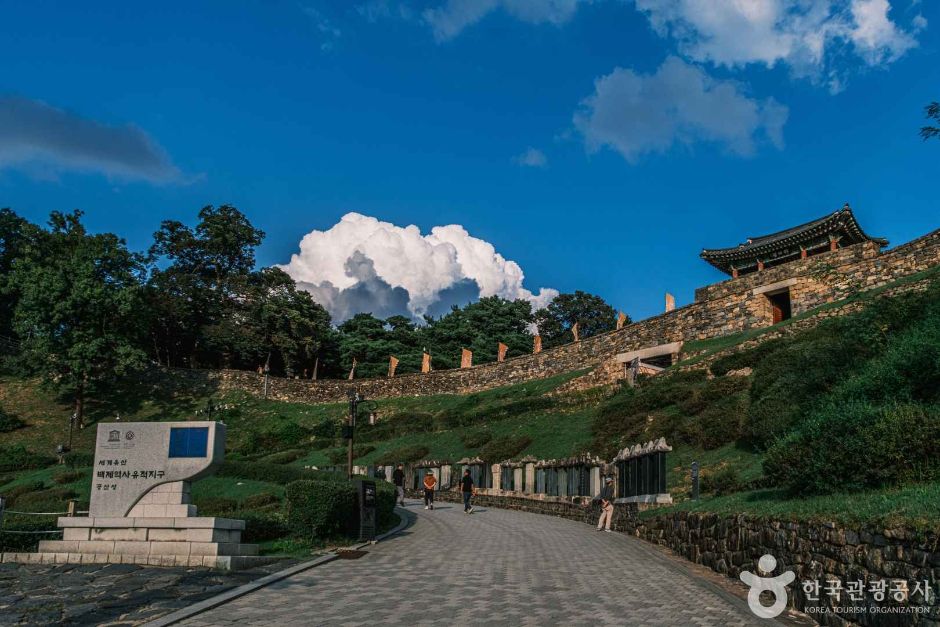
Gongju Gongsanseong Fortress (UNESCO)
공주 공산성Gongju Gongsanseong Fortress (UNESCO), Gongju, Chungnam, South Korea
Gongju Gongsanseong Fortress is a UNESCO World Heritage mountain rampart overlooking the Geumgang River, serving as the royal capital fortress of the ancient Baekje Kingdom (475–538 AD) during the ...
Morning (around 09:30-10:00)
Details→
Yesan Yedangho Lake Suspension Bridge
예산 예당호 출렁다리Yesan Yedangho Lake Suspension Bridge, Yesan, Chungnam, South Korea
Yesan Yedangho Suspension Bridge spans 402 meters across South Korea’s largest agricultural reservoir, featuring a soaring 64-meter spiral observation tower, dazzling laser musical water fountains,...
Morning (around 09:30-10:00)
Details→
Asan Mediterranean Blue Crystal Village
아산 지중해마을Asan Mediterranean Blue Crystal Village, Asan, Chungnam, South Korea
Asan Mediterranean Blue Crystal Village is an enchanting European-themed lifestyle district featuring distinctive Santorini blue domes, Parthenon Doric colonnades, and French Provencal pastel villa...
Morning (around 09:30-10:00)
Details→
Bulguksa Temple (UNESCO)
불국사Bulguksa Temple (UNESCO), Gyeongju, Gyeongbuk, South Korea
Bulguksa Temple is a monumental UNESCO World Heritage Buddhist sanctuary founded in 751 under the unified Silla Dynasty on the slopes of Mount Tohamsan in Gyeongju. Renowned as the pinnacle of anci...
Morning (around 09:30-10:00)
Details→