Jeonnam•Suncheon•Heritage•Traditional Village
Suncheon Naganeupseong Walled Town
순천 낙안읍성 민속마을
Powered by Korea Tourism OrganizationAddress: Suncheon Naganeupseong Walled Town, Suncheon, Jeonnam, South Korea (전라남도 순천시 낙안면 충민길 30 (동내리))
Editorial review pending

Suncheon Naganeupseong Walled Town representative scenic panoramaZoom


+1More
1 / 6
Suncheon Naganeupseong Walled Town representative scenic panorama
Curator's Guide & Overview
Comprehensive Guide1. Historical Origins & Cultural Background
Inscribed on South Korea’s UNESCO World Heritage Tentative List and designated as National Historic Site No. 302, Suncheon Naganeupseong Folk Village is the most authentic and complete surviving walled fortress town (Eupseong) from the Joseon Dynasty. Located on an alluvial basin surrounded by mountains in western Suncheon, the fortress was first raised as an earthen rampart in 1397 by General Kim Bin-gil to defend against invading Japanese coastal raiders (Wako). In 1626, under King Injo, Governor General Im Gyeong-eop rebuilt the walls into an imposing rectangular limestone fortress stretching 1,410 meters in circumference, with three arched gates and protective moats.
2. Architectural Highlights & Key Structures
What elevates Naganeupseong above synthetic open-air museums is that it is a real, breathing communal village. Behind its 4-meter-high stone ramparts lie roughly 218 mushroom-shaped thatched-roof cottages (Chogajib), where approximately 100 multigenerational households—nearly 300 real citizens—continue to inhabit their ancestral homes, cultivating small vegetable patches, drying chili peppers on woven mats, and repairing their thatched roofs annually. Inside the walls, the town preserves intact the original Joseon administrative infrastructure: the Dongheon (magistrate's office and trial court), the Gaeksa (royal guesthouse), the traditional punishment stocks, an ancient working watermill, a blacksmith's forge, and the historic fortress command posts.
3. Four Seasons Landscape & Seasonal Visiting Charms
Spring brings pink peach blossoms and yellow forsythia drooping over rustic clay-and-stone walls, alongside the lively weekend sounds of traditional gayageum and pansori recitals. Summer offers deep agricultural greenery as gourd and pumpkin vines drape across the rounded thatched roofs, with gentle evening winds sweeping across the open ramparts. Autumn is the village’s golden hour, host to the celebrated Naganeupseong Folk Cultural Festival (October): the thatched roofs turn golden amber, persimmon trees hang heavy with bright orange fruit, and village elders demonstrate traditional straw weaving. Winter brings deep pastoral peace, with white snow dusting the round thatched roofs while woodsmoke curls lazily from ondol chimneys into the crisp blue sky.
4. Operating Hours & Peak Viewing Times
The fortress village welcomes visitors daily from 08:30 to 18:30 during summer months (May to September), 09:00 to 18:00 in spring and autumn (February to April, October), and 09:00 to 17:30 in winter (November to January). The best time for photography is early morning (08:30 to 10:00) when mist hovers over the thatched roofs, or late afternoon (16:30 to 18:00) to watch the sunset from the western rampart lookout.
5. Admission Fees & Concessions (Youth/Foreigner Discounts)
Admission is 4,000 KRW for adults, 2,500 KRW for teenagers, and 1,500 KRW for children. A highly recommended 'Suncheon Integrated Pass' (12,000 KRW) grants admission to five top attractions: Naganeupseong, Suncheonman Bay National Garden, Suncheonman Wetland, Suncheon Open Film Set, and Ppuri Gipeun Namu Museum. Spacious parking directly outside the east and west gates is completely free.
6. Public Transit & Subway Exit Directions
From Seoul, take the KTX or SRT from Yongsan or Suseo Station directly to KTX Suncheon Station (approx. 2 hours 15 to 30 minutes). From the bus stop directly outside Suncheon Station, board City Bus 61, 63, or 68 directly to Naganeupseong 3.1 Monument stop (approx. 40 to 50 minutes, departing every 20-30 minutes). A taxi from Suncheon Station takes about 25 minutes and costs roughly 20,000 to 23,000 KRW.
7. Barrier-Free Accessibility & Visitor Amenities
Naganeupseong is a national model for barrier-free heritage access. The entire town interior is laid out on completely flat terrain with wide, smooth dirt-and-gravel alleys that permit effortless navigation for baby strollers and wheelchairs. Ramps provide access into the Dongheon courtyard and the traditional market taverns. Walking atop the stone fortress ramparts involves climbing stone stairs at the gate towers; however, the ground-level perimeter trail alongside the stone wall is completely flat. Complimentary wheelchairs and strollers are provided at the East Gate (Nakpungnu) ticket office. Accessible restrooms are located near the East Gate, Dongheon, and West Gate.
8. Recommended Walking Route & Highlights Tour
Recommended 2.5-Hour Living Joseon Circuit: Enter through the grand East Gate (Nakpungnu) → Walk down the main dirt alley admiring real thatched-roof cottages and gourd trellises → Tour the Joseon Magistrate’s Office (Dongheon) and pose with the replica historical figures → Climb the stone steps at the West Gate up to the iconic South-West Rampart Viewpoint for the classic postcard view of 200 thatched roofs → Walk atop the historic stone ramparts toward the South Gate (Nakminnu) → Visit the traditional weaving and blacksmith workshops → Savor piping-hot Haemul Pajeon and Dotorimuk at a traditional thatch-roofed tavern inside the village.
9. Local Food Specialties & Regional Flavors
Naganeupseong is celebrated for hearty, unpretentious rural Jeolla-do tavern dining. At the thatched-roof taverns (Jumak) inside the fortress, savor Nokdu Bindaetteok (crispy mung bean pancakes pan-fried on a griddle), Dotorimuk-muchim (acorn jelly salad tossed with wild greens and perilla oil), rustic Boribap (barley bibimbap with fermented bean paste), and Dongdongju (sweet farmhouse rice wine). In the surrounding town, indulge in Naganeupseong Tteokgalbi and Suncheon Cockle Sets (Kkomak Baekban).
10. Dietary Options (Vegetarian, Halal & Allergen Guide)
Vegetarian diners will be delighted by the pure agrarian offerings inside the village: savory vegetable bindaetteok, fresh acorn jelly, potato pancakes, steamed tofu with aged kimchi, and Sanchae Bibimbap loaded with fresh garden herbs. Traditional street vendors sell sweet pumpkin sikhye, roasted sweet potatoes, and traditional puffed grain snacks. Halal visitors can comfortably enjoy all vegetable bean pancakes, tofu dishes, cockle feasts, and traditional teas.
11. Signature Photo Spots & Golden Hour Lighting
Top photo spots: the world-famous panorama from the South-West Rampart Stairs overlooking the mosaic of over 200 round thatched roofs nestled against the green mountain backdrop, candid portraits framed by a traditional wooden gate with weeping persimmon branches above, standing atop the East Gate watchtower looking down the fortress wall, and warm sunset light illuminating the clay-and-straw walls.
12. Visitor Etiquette & Cultural Property Regulations
Naganeupseong is a living community where actual elderly residents reside. Please respect residents’ privacy: never enter private residential courtyards marked with family signs, do not peer into bedroom windows, and keep voices quiet in residential alleys. Do not climb or remove stones from the 600-year-old fortress walls. Thatch roofs pose extreme fire hazards; smoking is strictly prohibited throughout the entire walled village.
13. Safety Precautions & 1330 Tourism Hotline Support
Wear comfortable walking sneakers suitable for dirt paths and climbing stone stairs. Travelers interested in staying overnight can book authentic thatched Hanok homestays (Minbak) directly with local village families. For guided tour inquiries and festival schedules, contact the Naganeupseong Management Office at 061-749-8831 or call 1330.
14. Nearby Connected Attractions & Walking Links
Combine your visit with other world-class Suncheon highlights: Suncheonman Bay Wetland and National Garden (PLACE-JEONNAM-001) is 30 minutes to the east, while thousand-year-old Songgwangsa Temple and Seonamsa Temple (UNESCO) are 25 minutes to the northwest.
15. Frequently Asked Questions (FAQ)
Q: Do real people actually live in these thatched houses? A: Yes, approximately 280 residents across roughly 100 households inhabit these genuine thatched cottages; they pay regular municipal utilities, cultivate gardens, and keep traditional agrarian life alive inside the historic walls. Q: Why are the thatched roofs rounded like mushrooms? A: Unlike Korean tile roofs with sharp upward-curving eaves, southern commoner thatch was woven from rice straw in gentle, rounded domes to shed heavy monsoon rains while withstanding typhoons.
16. Regional Extended Day Trip Itinerary
Suncheon Joseon Fortress & Eco Wetland Day Tour: Morning KTX to Suncheon Station → City Bus 61 or taxi to Naganeupseong Folk Village → Tour the Dongheon and climb to the South-West Rampart for the iconic thatched-roof panorama → Mung bean pancake and barley bibimbap lunch inside a traditional thatch tavern → 30-minute bus or taxi to Suncheonman Bay National Garden and Suncheonman Wetland → Walk the reed boardwalk at sunset → Savor a Suncheon cockle feast for dinner → Return to Seoul via evening KTX.
Essential Visitor Facts
Operating Hours
Summer (May - Sep) Daily 08:30 - 18:30; Spring & Autumn (Feb - Apr, Oct) Daily 09:00 - 18:00; Winter (Nov - Jan) Daily 09:00 - 17:30; Open year-round
Admission / Price
Adults 4,000 KRW, Youth 2,500 KRW, Children 1,500 KRW; Integrated Suncheon Pass (Naganeupseong + Bay Garden + Bay Wetland): 12,000 KRW; Parking Free
Closed Days
Closed on Mondays/Tuesdays
Best Time to Visit
Morning (around 09:30-10:00)
Transit & Access Directions
From KTX Suncheon Station or Suncheon Bus Terminal, take City Bus 61, 63, or 68 directly to Naganeupseong 3.1 Monument stop (approx. 40-50 mins, departs every 20-30 mins)
Accessibility & Special Amenities
Wheelchair ramps, tactile paving, accessible restrooms
Location Coordinates
Latitude: 34.9085
Longitude: 127.3412
Discover Themes & Highlights
Key interest areas and cultural highlights:
#suncheon-naganeupseong-walled-town#VisitJeonnam#KoreaTravelAtlas
Community Traveler Reviews0 Reviews
Visitor tips, feedback, and questions submitted by real travelers.
No community reviews submitted yet. Be the first traveler to share your experience!
Connected Cultural Destinations
Handpicked nearby attractions and regional cultural highlights.

Asan Oeam Folk Village
아산 외암민속마을Asan Oeam Folk Village, Asan, Chungnam, South Korea
Asan Oeam Folk Village is an authentic 500-year-old living Joseon Dynasty clan hamlet, famed for 5.3 kilometers of mossy stacked stone walls, tile-roofed noble estates, thatched commoner cottages, ...
Morning (around 09:30-10:00)
Details→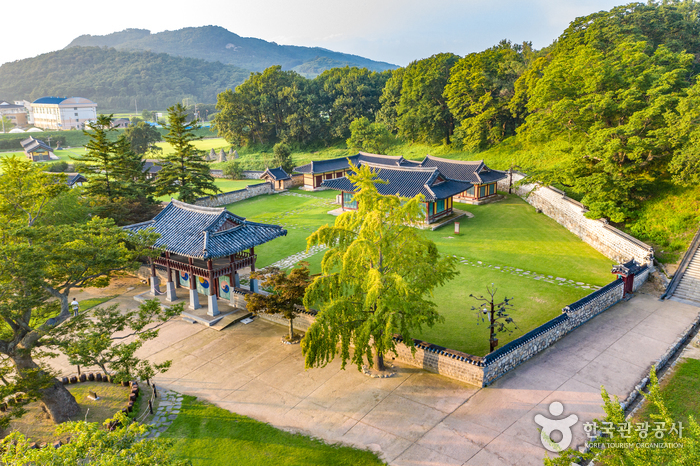
Seosan Haemieupseong Fortress
서산 해미읍성Seosan Haemieupseong Fortress, Seosan, Chungnam, South Korea
Seosan Haemieupseong Fortress is South Korea’s best-preserved flatland Joseon Dynasty walled town, spanning 1.8 kilometers of stone ramparts, historically renowned as the military command of Admira...
Morning (around 09:30-10:00)
Details→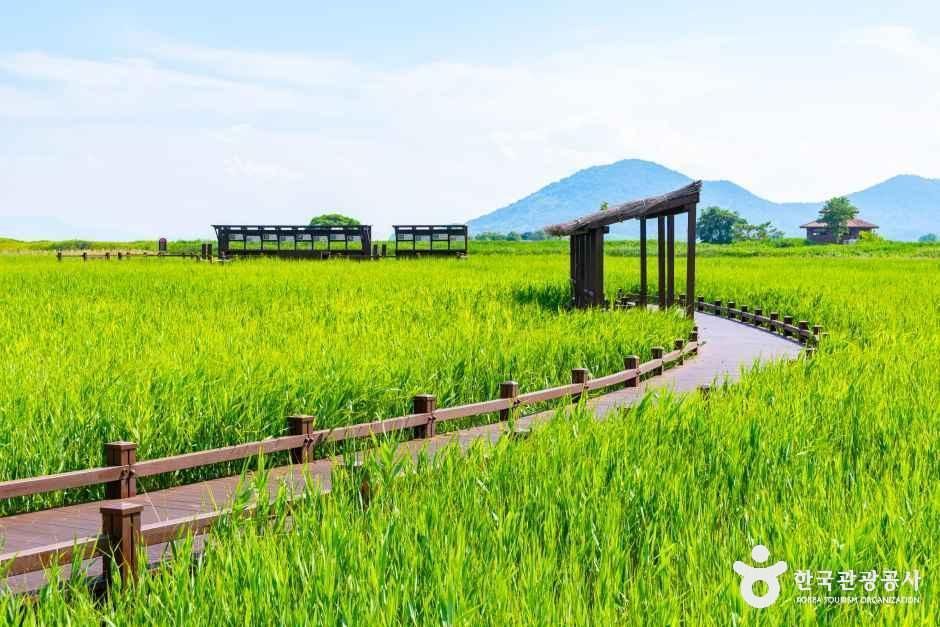
Suncheonman Bay Wetland Reserve
순천만습지Suncheonman Bay Wetland Reserve, Suncheon, Jeonnam, South Korea
Suncheonman Bay Wetland Reserve is a world-class UNESCO coastal biosphere reserve covering 28 square kilometers of expansive tidal mudflats and the densest natural reed forest in South Korea. The b...
Morning (around 09:30-10:00)
Details→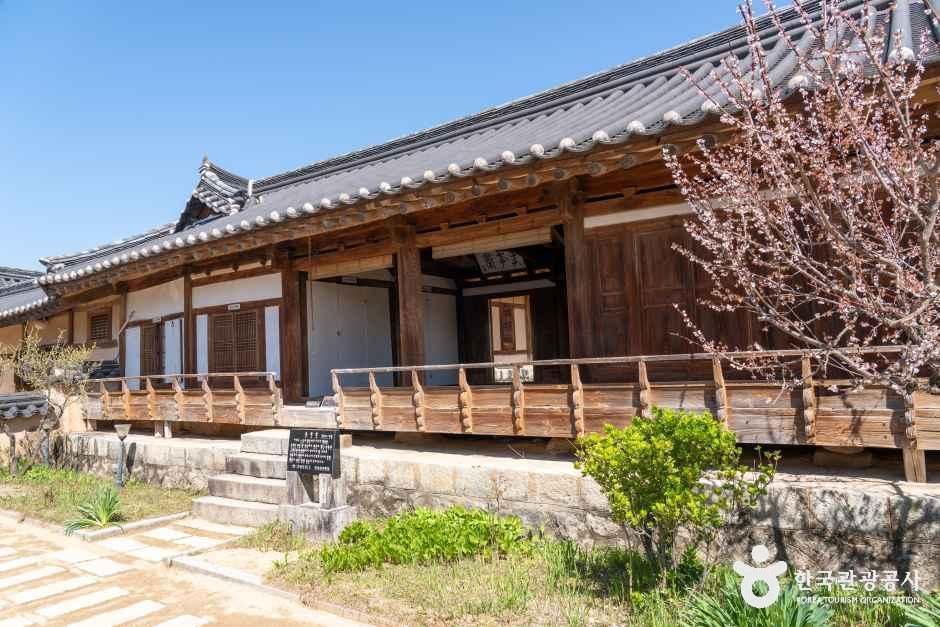
Andong Hahoe Folk Village (UNESCO)
안동 하회마을Andong Hahoe Folk Village (UNESCO), Andong, Gyeongbuk, South Korea
Andong Hahoe Folk Village is a living UNESCO World Heritage treasure where the Pungsan Ryu clan has resided for over 600 years, cradled by the sweeping S-curve of the Nakdong River, preserving auth...
Morning (around 09:30-10:00)
Details→