Chungnam•Seosan•Heritage•Historic Fortress
Seosan Haemieupseong Fortress
서산 해미읍성
Powered by Korea Tourism OrganizationAddress: Seosan Haemieupseong Fortress, Seosan, Chungnam, South Korea (충청남도 서산시 해미면 남문2로 143 (읍내리))
Editorial review pending
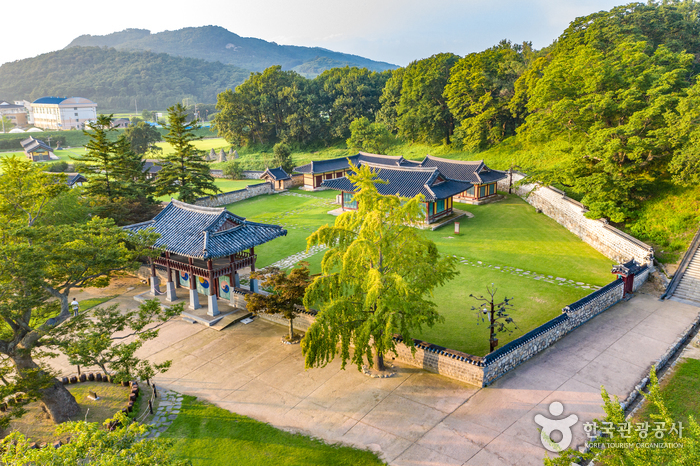
Seosan Haemieupseong Fortress representative scenic panoramaZoom


+1More
1 / 6
Seosan Haemieupseong Fortress representative scenic panorama
Curator's Guide & Overview
Comprehensive Guide1. Historical Origins & Cultural Background
Designated as Historic Site No. 116, Seosan Haemieupseong Fortress is widely celebrated as South Korea’s most pristine and architecturally intact flatland fortress from the Joseon Dynasty. Constructed between 1417 and 1421 during the reigns of King Taejong and King Sejong the Great, the fortress served as the military garrison headquarters for the entire Chungcheong-do region (Chungcheong Byeongma Jeoldodoyeong) for 230 years. Admiral Yi Sun-sin, Korea’s supreme naval hero, was stationed here in 1579 as a junior military training officer, honing his tactical strategies before leading the Joseon navy to victory.
2. Architectural Highlights & Key Structures
The fortress spans an imposing stone perimeter of 1,800 meters, enclosed by 5-meter-high dressed granite ramparts surrounded by defensive black-pine forests and ancient trifoliate orange thorn bushes (giving it the historical nickname 'Taengja-seong'). Entering through the magnificent southern portal Jinnamnu Gate, visitors enter a vast 200,000-square-meter lawn courtyard featuring the restored Dongheon government magistrate office, the Gaeksa guest pavilion, the Cheongheojeong pavilion nestled in a dense bamboo hill, and the historic Prison Yard (Okseong). In the center stands the 300-year-old Sophora tree (Hoenamu), where Catholic martyrs were tied and tortured during the Byeongin Persecution of 1866. In August 2014, Pope Francis personally visited this sacred site, presiding over the closing mass of Asian Youth Day.
3. Four Seasons Landscape & Seasonal Visiting Charms
Spring brings blooming plum and cherry blossoms across the vast grassy lawns, accompanied by traditional kite-flying festivals where hundreds of colorful kites dance in the western sea winds. Summer offers cool shaded walks through the lush green bamboo grove behind Cheongheojeong Pavilion and outdoor folk performances. Autumn turns the ancient ginkgoes brilliant gold against the grey stone battlements, hosting the annual Seosan Haemieupseong Festival in early October. Winter showcases a tranquil, snow-covered open landscape where pristine white fields contrast dramatically against the dark basalt stone walls.
4. Operating Hours & Peak Viewing Times
The fortress grounds are open daily from 06:00 to 21:00 in summer (March through October) and 06:00 to 19:00 in winter (November through February). Folk heritage experience booths and traditional workshops operate daily from 09:00 to 18:00. The best visiting timeframe is early to mid-afternoon (13:30 to 16:30), allowing time to walk the flat rampart perimeters, practice traditional Korean archery (Gukgung), and relax on the open lawns.
5. Admission Fees & Concessions (Youth/Foreigner Discounts)
Admission to Seosan Haemieupseong Fortress is completely free of charge. Hands-on traditional activities—including 10 shots of authentic Korean Archery (Gukgung), spinning top games, and calligraphy rubbing—cost a nominal fee of 2,000 to 3,000 KRW. Spacious public parking directly outside the fortress entrance is completely free.
6. Public Transit & Subway Exit Directions
Direct express buses operate frequently from Seoul Central City Terminal (Express Bus Terminal Station) or Seoul Nambu Terminal directly to the Haemi Intercity Bus Stop (journey time approx. 1 hour 40 minutes). From the Haemi stop, enjoy an easy, flat 5-minute walk through the charming township directly to the fortress’s southern gate (Jinnamnu). If arriving at Seosan Terminal, local city buses connect to Haemi every 15 minutes.
7. Barrier-Free Accessibility & Visitor Amenities
Haemieupseong is an exemplary model of universal barrier-free tourism. Unlike mountain fortresses, this flatland fortress features wide, step-free compacted dirt promenades and smooth flagstone paths that allow manual and electric wheelchairs and baby strollers to glide effortlessly through every major courtyard, magistrate hall, and lawn plaza. Dedicated disabled parking bays, accessible restrooms, and complimentary wheelchair rentals are available at the main gate.
8. Recommended Walking Route & Highlights Tour
Recommended 2.5-Hour Heritage & Peace Walk: Enter through the grand arched portal of Jinnamnu Gate → Inspect the historic Joseon cannons, catapults, and singijeon rocket launchers → Pay solemn respects at the 300-year-old Martyr's Sophora Tree and the historic circular Prison Yard → Tour the Dongheon Magistrate Hall and Gaeksa Royal Pavilion → Climb the gentle stone stairs to the bamboo forest and Cheongheojeong Pavilion atop the ridge → Try your hand at traditional Korean Archery (Gukgung) on the lawn → Browse the traditional thatched folk artisan workshops → Savor famous Haemi Market Tteokbokki and Garlic Bread outside the gate.
10. Dietary Options (Vegetarian, Halal & Allergen Guide)
Vegetarian travelers will find wonderful options in Haemi: traditional Mung Bean Pancakes (Bindaetteok), fresh seasoned mountain vegetable bibimbap, crispy potato pancakes, and acorn jelly salad at the folk village tavern. Bakeries opposite Jinnamnu Gate bake famous savory 6-Clove Garlic Cream Bread. Halal travelers will find fish-based seafood stews, octopus soups, and vegetarian pancakes fully compliant.
11. Signature Photo Spots & Golden Hour Lighting
Iconic photo opportunities: standing beneath the grand two-story wooden pavilion of Jinnamnu Gate as historic banners flutter against the blue sky, capturing the majestic 300-year-old Sophora tree standing alone in the vast grassy courtyard, walking through the dense green tunnel of the Cheongheojeong bamboo forest, action shots drawing a traditional bow at the archery range, and peaceful panoramic views from the fortress walls over the open lawns.
12. Visitor Etiquette & Cultural Property Regulations
Haemieupseong is both a precious national historic site and a consecrated Catholic holy ground; please maintain quiet decorum, especially near the Martyr's Tree and memorial chapel. Bicycles, roller skates, and electric scooters are prohibited inside the fortress walls to preserve pedestrian safety on the grass. Smoking and littering are strictly forbidden throughout the grounds.
13. Safety Precautions & 1330 Tourism Hotline Support
The fortress encompasses a vast 200,000-square-meter open area; wear comfortable walking shoes and bring sun protection (hat or parasol) in warm months. In case of visitor assistance, audio guide rentals, or guided tour reservations, visit the Haemieupseong Tourist Information Center at Jinnamnu Gate or call 1330.
14. Nearby Connected Attractions & Walking Links
Just 5 minutes from the fortress sits the Haemi International Martyrdom Shrine, featuring an impressive 16-meter memorial tower and holy grounds recognized by the Vatican. A 20-minute drive leads to the celebrated Rock-carved Triad Buddha of Seosan (National Treasure No. 84), famously known as the 'Smile of Baekje.'
15. Frequently Asked Questions (FAQ)
Q: Why was the fortress built on flat land rather than a mountain? A: Haemieupseong was specifically designed to protect common citizens and military supplies from coastal Japanese pirate incursions (Wako) while projecting regional administrative authority over the plains of western Chungcheong. Q: Did Admiral Yi Sun-sin really serve here? A: Yes, historical records document that Admiral Yi Sun-sin was dispatched here in 1579 as a training officer (Byeongma Jeoldodo-sa), serving with distinction for 10 months.
16. Regional Extended Day Trip Itinerary
Seosan Haemieupseong & Peace Day Tour: Morning bus from Seoul to Haemi Stop → walk to Haemieupseong Fortress → explore Jinnamnu, Dongheon, and the Martyr’s Sophora Tree → traditional archery experience on the grass → famous Haemi seed hotteok and local beef lunch → visit the Haemi International Martyrdom Shrine → afternoon scenic drive to view the 'Smile of Baekje' Rock-carved Triad Buddha → evening return bus to Seoul.
Essential Visitor Facts
Operating Hours
Summer (Mar - Oct) Daily 06:00 - 21:00; Winter (Nov - Feb) Daily 06:00 - 19:00 (Folk Experience Booths: 09:00 - 18:00)
Admission / Price
Free Public Admission; Folk Cultural Experiences (Archery, Traditional Games): Nominal 2,000 - 3,000 KRW; Parking Free
Closed Days
Closed on Mondays/Tuesdays
Best Time to Visit
Morning (around 09:30-10:00)
Transit & Access Directions
From Seoul Nambu Terminal or Central City, take express bus to Haemi Bus Stop / Seosan Terminal (approx. 1 hr 40 mins), then walk 5 mins directly to the fortress Jinnamnu Gate
Accessibility & Special Amenities
Wheelchair ramps, tactile paving, accessible restrooms
Location Coordinates
Latitude: 36.7125
Longitude: 126.5845
Discover Themes & Highlights
Key interest areas and cultural highlights:
#seosan-haemieupseong-fortress#VisitChungnam#KoreaTravelAtlas
Community Traveler Reviews0 Reviews
Visitor tips, feedback, and questions submitted by real travelers.
No community reviews submitted yet. Be the first traveler to share your experience!
Connected Cultural Destinations
Handpicked nearby attractions and regional cultural highlights.

Wolmido Island & Culture Street
월미도 문화의 거리Wolmido Island & Culture Street, Incheon, South Korea
Wolmido Culture Street is a lively coastal promenade overlooking Incheon Harbor, famous for the historic 1950 Incheon Landing site, pulsating amusement rides like the Disco Pang Pang, and ocean sun...
Morning (around 09:30-10:00)
Details→
Gongju Gongsanseong Fortress (UNESCO)
공주 공산성Gongju Gongsanseong Fortress (UNESCO), Gongju, Chungnam, South Korea
Gongju Gongsanseong Fortress is a UNESCO World Heritage mountain rampart overlooking the Geumgang River, serving as the royal capital fortress of the ancient Baekje Kingdom (475–538 AD) during the ...
Morning (around 09:30-10:00)
Details→
Asan Oeam Folk Village
아산 외암민속마을Asan Oeam Folk Village, Asan, Chungnam, South Korea
Asan Oeam Folk Village is an authentic 500-year-old living Joseon Dynasty clan hamlet, famed for 5.3 kilometers of mossy stacked stone walls, tile-roofed noble estates, thatched commoner cottages, ...
Morning (around 09:30-10:00)
Details→
Gongju Magoksa Temple (UNESCO)
공주 마곡사Gongju Magoksa Temple (UNESCO), Gongju, Chungnam, South Korea
Gongju Magoksa Temple, an acclaimed UNESCO World Heritage Mountain Monastery (Sansa), is renowned for its thousand-year-old wooden Daeungbojeon, the Taegeuk-shaped stream flowing through its courty...
Morning (around 09:30-10:00)
Details→