Jeju•Seogwipo•Cafe•Traditional Tea House
Osulloc Tea Museum & Seogwang Tea Fields
오설록 티뮤지엄
Powered by Korea Tourism OrganizationAddress: Osulloc Tea Museum & Seogwang Tea Fields, Seogwipo, Jeju, South Korea (제주특별자치도 서귀포시 안덕면 신화역사로 15 (오설록 티뮤지엄))
Editorial review pending

Osulloc Tea Museum & Seogwang Tea Fields representative scenic panoramaZoom

+1More
1 / 6
Osulloc Tea Museum & Seogwang Tea Fields representative scenic panorama
Curator's Guide & Overview
Comprehensive Guide1. Historical Origins & Cultural Background
Osulloc Tea Museum, nestled in the picturesque rural district of Andeok-myeon in southwestern Seogwipo, is South Korea's most celebrated celebration of tea heritage and the pioneer of modern Korean green tea culture. Opened in 2001 by Amorepacific founder Suh Sung-whan, the museum was born from a visionary dream conceived in 1979: transforming the barren, wind-scoured volcanic rock wastelands of Seogwang-ri into thriving, fertile organic tea gardens. Today, the expansive 800,000-square-meter Seogwang Tea Garden produces some of the world's finest organic green teas, nourished by Jeju's mineral-rich volcanic soil, pure Hallasan aquifer water, and frequent maritime mist.
2. Architectural Highlights & Key Structures
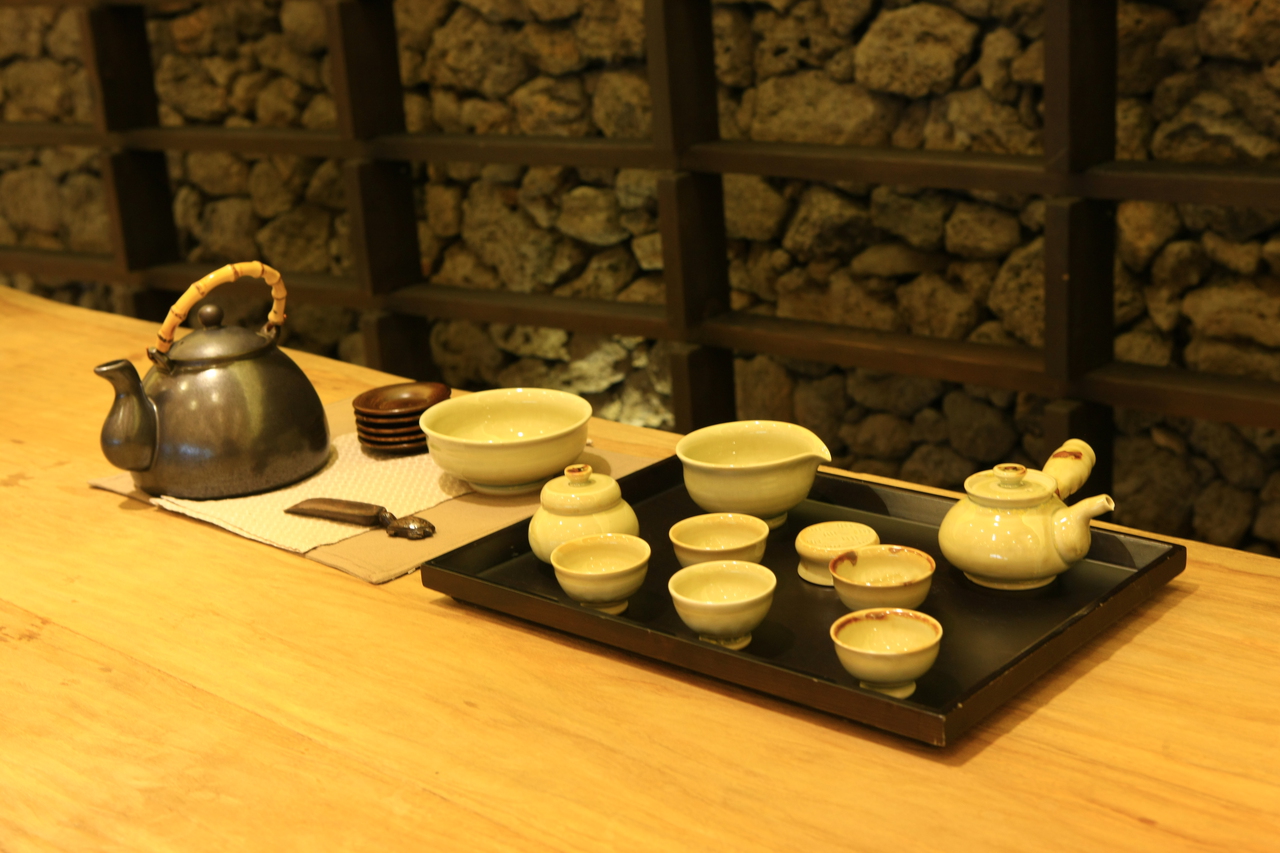
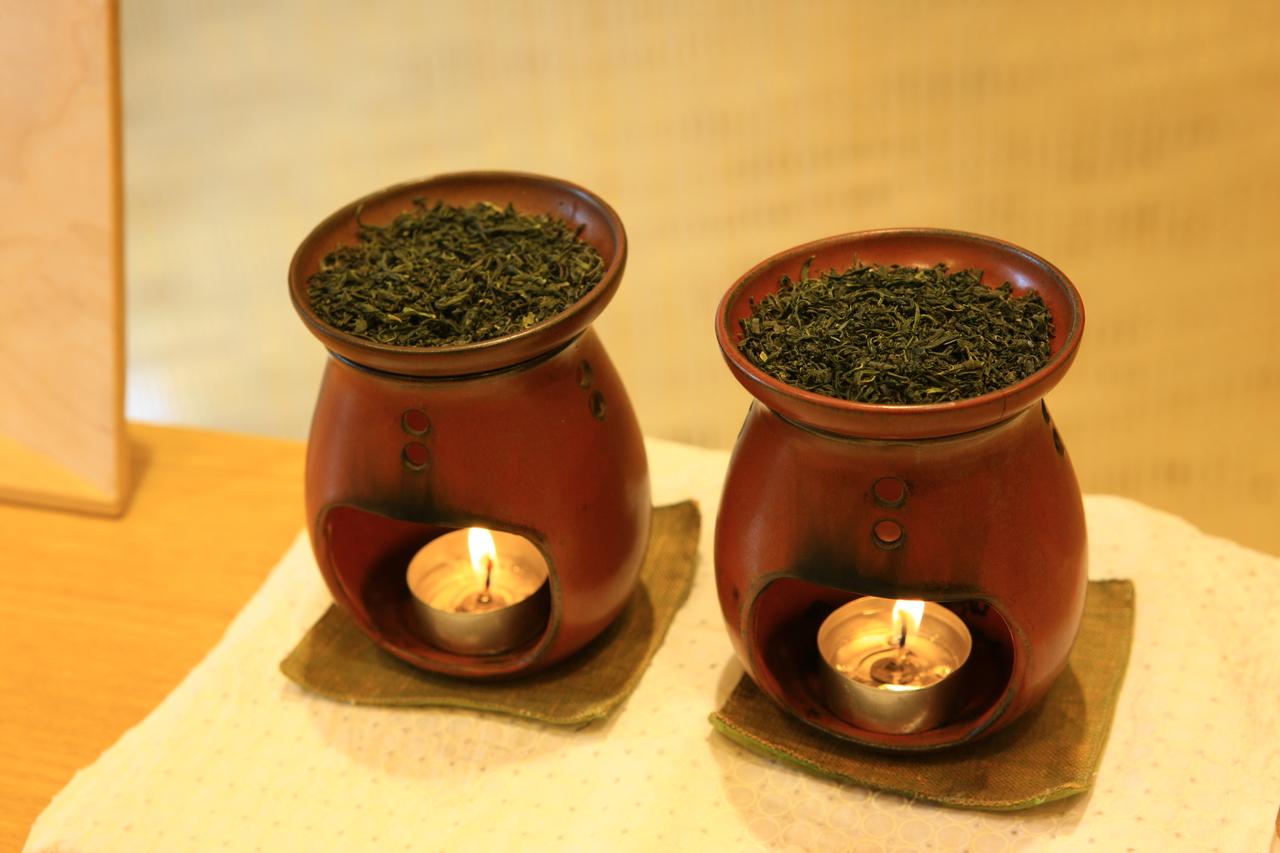
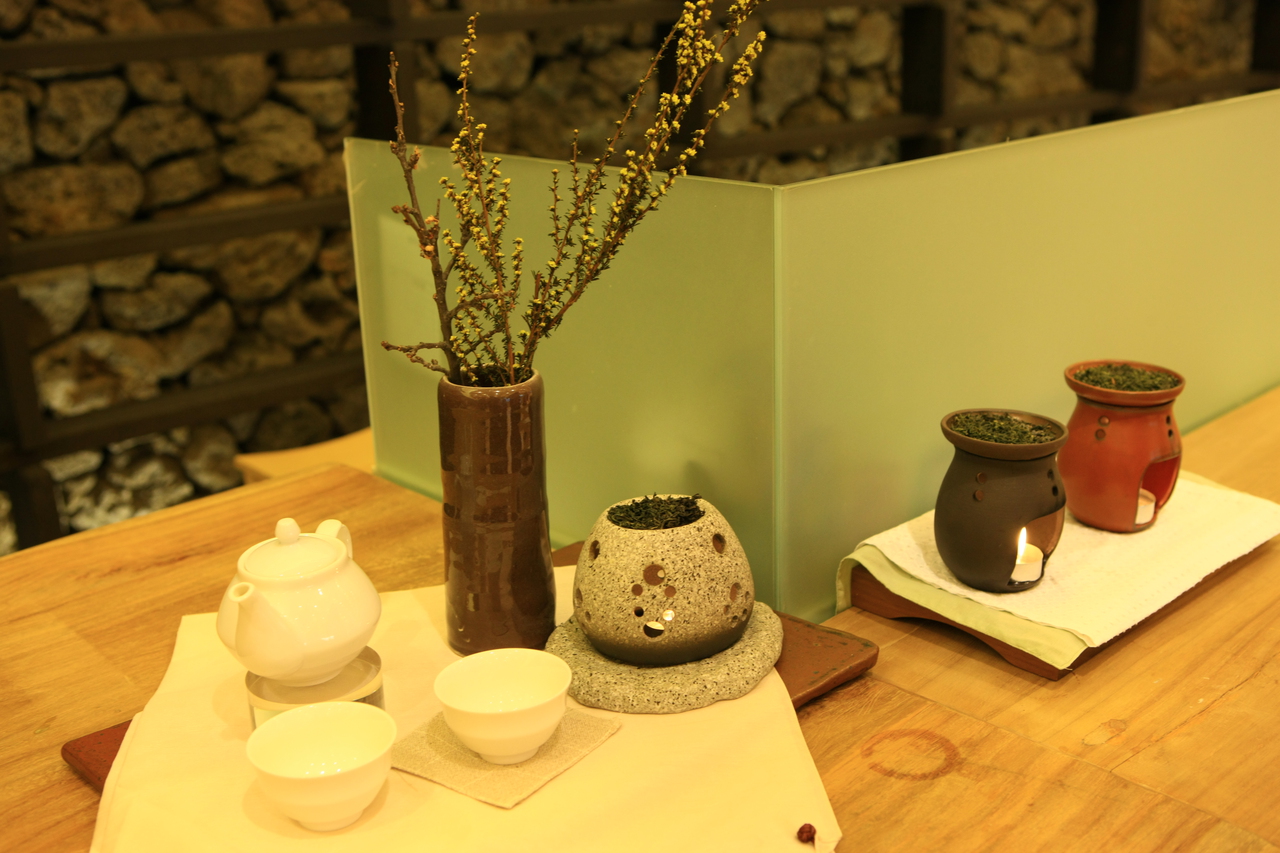
The architecture of Osulloc is a masterpiece of eco-centric modern minimalism shaped like a green tea cup. The museum houses the Tea Cup Gallery, showcasing priceless ceramic tea vessels tracing Korean tea ceremonies through the Goryeo and Joseon dynasties, as well as historic teaware from China, Japan, and Europe. Outside, the Tea Roasting Master Pavilion features professional tea masters roasting fresh green tea leaves over open cast-iron pans, filling the air with an intoxicating roasted aroma. Adjacent to the main building stands the award-winning 'Tea Stone' pavilion designed by renowned architect Cho Min-suk—a sleek black volcanic concrete sanctuary set within the Gotjawal forest where visitors participate in serene, meditative Korean tea ceremonies. Across a shaded walkway lies Innisfree Jeju House, an eco-beauty glass pavilion offering DIY organic soap-making workshops and an organic farm-to-table cafe.
3. Four Seasons Landscape & Seasonal Visiting Charms
The Seogwang Tea Fields offer a rejuvenating sensory escape across all four seasons. Spring (April to May) is the most auspicious period: the annual 'First Harvest' of tender young tea shoots yields precious Ujeon (tea harvested before the spring rain) and Sejak, with the hills glowing in brilliant, neon-lime green rows against blue skies. Summer (June to August) brings deep emerald foliage, refreshing herbal cold brews, and cool breezes wafting across the gentle slopes. Autumn (September to November) cloaks the surrounding Gotjawal woodlands in golden tones while small, delicate white camellia-like tea flowers (Cha-kkot) blossom along the emerald tea hedges. Winter (December to February) remains remarkably mild, with crisp evergreen rows contrasting against the distant snow-capped dome of Mount Hallasan.
4. Operating Hours & Peak Viewing Times
The museum, cafes, and Innisfree Jeju House are open daily year-round from 09:00 to 18:00 (extended to 19:00 during summer peak season in July and August). The outdoor tea fields are freely accessible 24 hours a day for photography and walks. The best times to visit are morning between 09:30 and 11:30 before tour buses arrive, or late afternoon from 16:00 to 17:30, when golden sunlight slants across the rolling green tea furrows, creating dramatic shadow lines. Plan roughly 1.5 to 2.5 hours to tour the museum, walk the tea fields, browse the tea boutique, and enjoy matcha desserts.
5. Admission Fees & Concessions (Youth/Foreigner Discounts)
Admission to Osulloc Tea Museum, the Seogwang Tea Fields, and Innisfree Jeju House is completely FREE of charge. The signature Tea Stone Masterclass costs approximately 30,000 KRW per person (advance booking required via the official Osulloc website and includes guided tea brewing and artisan desserts). The natural soap-making kit at Innisfree costs approximately 15,000 KRW. Large paved parking lots are entirely free.
6. Public Transit & Subway Exit Directions
From Jeju International Airport, board Southwest Express Bus 151 or 152 to Donggwang Transit Center (approx. 40 minutes). From the transit hub, transfer to Feeder Bus 784-1, 771-1, or Tourism Circular Bus 820-2 and alight directly at the Osulloc stop (approx. 7 minutes). A taxi from Jeju Airport takes roughly 35 minutes along Route 1135 (approx. 25,000 to 30,000 KRW). Driving a rental car takes roughly 40 minutes from Jeju City and 35 minutes from Seogwipo downtown.
7. Barrier-Free Accessibility & Visitor Amenities
Osulloc Tea Museum was designed with comprehensive barrier-free accessibility. The main museum entrance, tea boutique, indoor cafes, and Innisfree Jeju House are completely step-free with automatic glass doors and wide paved corridors. An indoor elevator provides smooth wheelchair and stroller access to the second-floor observatory and rooftop terrace overlooking the tea fields. Wide wooden boardwalks and paved paths traverse the tea field edges, allowing wheelchairs and strollers to glide directly alongside the green tea bushes. Accessible restrooms with emergency call buttons and grab bars are located in both the museum and Innisfree pavilions. Free manual wheelchairs and strollers are loaned at the information desk.
8. Recommended Walking Route & Highlights Tour
Recommended 2-Hour Green Tea Culture & Sensory Walk: Arrive at Osulloc and stroll into the Seogwang Tea Fields, pausing between the emerald green furrows to take photos with the iconic giant wooden tea cup installation → Enter the Tea Museum to explore the antique Korean teaware collection in the Tea Cup Gallery → Watch the resident tea master skillfully roast fresh green tea leaves on iron caldrons, inhaling the fragrant steam → Relax at the Tea Cafe to savor signature Soft Green Tea Ice Cream and a slice of Green Tea Roll Cake with rich mascarpone cream → Take the elevator to the 3rd-floor observatory for a panoramic vista of the tea plantations stretching to Sanbangsan and Hallasan → Walk the forest path through the Gotjawal woodland to admire the architecture of the Tea Stone pavilion → Visit Innisfree Jeju House to sample fresh hallabong ade and craft organic volcanic pore soap → Conclude by browsing the tea boutique for artisan blends like Moon Walk and Wedding Green Tea before departure.
10. Dietary Options (Vegetarian, Halal & Allergen Guide)
Vegetarians can feast abundantly across the cafes: enjoy organic matcha ice cream, green tea lattes with oat milk options, matcha castella cakes, vegan citrus fruit sorbets, and fresh herbal infusions. Nearby Andeok village restaurants offer traditional mountain vegetable bibimbap, crispy potato pancakes, and savory braised tofu stews. Halal and pescatarian visitors will appreciate that all Osulloc tea products, pastries, and ice creams are meat-free and gelatin-free, while nearby coastal restaurants in Sagye-ri serve fresh grilled tilefish, abalone porridge, and seafood hot pots.
11. Signature Photo Spots & Golden Hour Lighting
Signature photographic perspectives: standing between the neat, curved emerald rows of the Seogwang Green Tea Fields with your arms outstretched, contrasting against the blue sky and green Gotjawal forest; framing the giant white and green Osulloc tea cup statue at the field's edge; looking through the floor-to-ceiling glass windows of the 3rd-floor observatory overlooking the undulating tea terraces; and holding a swirling green tea soft-serve cone against the emerald tea field background (the definitive Osulloc food photograph).
12. Visitor Etiquette & Cultural Property Regulations
Visitor etiquette: The Seogwang Tea Fields are an active, certified organic agricultural crop. Never pick, tear, or step on the green tea bushes. Stay strictly on the designated earthen aisles and gravel paths between rows. Do not leave food wrappers, cups, or trash in the tea fields; recycling bins are located throughout the museum. Commercial photoshoot teams and drone operators must obtain prior written permission from Osulloc management. Smoking is strictly prohibited across all indoor and outdoor grounds.
13. Safety Precautions & 1330 Tourism Hotline Support
Wear comfortable walking shoes or sneakers for strolling along the earthen furrows of the tea gardens. In summer, the open tea fields offer little shade, so bringing a sun parasol, hat, and sunglasses is highly recommended. The tea boutique offers free tasting samples of popular blended teas before you buy. For facility information and Tea Stone reservations, contact the Osulloc Information Desk at 064-794-5312 or dial 1330.
14. Nearby Connected Attractions & Walking Links
Nearby attractions: visit the enchanting floral trails of Camellia Hill (PLACE-JEJU-008) located just 10 minutes east; explore the dramatic volcanic dome of Sanbangsan and Yongmeori Coast (PLACE-JEJU-014); or visit Shinhwa World Theme Park and Water Park.
15. Frequently Asked Questions (FAQ)
Q: What makes Jeju green tea unique compared to other world teas? A: Jeju Island possesses the world’s ideal natural tea terroir: acidic volcanic soil rich in organic minerals, high annual rainfall exceeding 1,800mm, clean subtropical maritime winds, and shade from the slopes of Hallasan; this allows Osulloc’s organic plantations to produce green tea with exceptional amino acid content (theanine), creating a uniquely sweet, savory, and deep umami flavor with almost zero bitterness. Q: What is the Tea Stone building? A: The Tea Stone is a specialized cultural tea pavilion designed by acclaimed architect Cho Min-suk; inspired by ancient Korean inkstones (chusa meok), its sleek dark volcanic concrete structure sits serenely amid the Gotjawal forest, serving as an exclusive space for intimate, guided tea masterclasses that introduce participants to the mindful aesthetics of traditional Korean tea culture.
16. Regional Extended Day Trip Itinerary
Osulloc Green Tea & Western Seogwipo Cultural Day Tour: Morning drive from Jeju City along Pyeonghwa-ro to Andeok-myeon → Arrive at Osulloc Tea Museum to walk the lush green tea furrows and photograph the tea fields → Indulge in organic green tea soft-serve ice cream and matcha roll cake at the cafe → Tour the historic teaware collection and watch tea masters roast fresh leaves → Visit Innisfree Jeju House to craft custom volcanic soap → Drive 10 minutes east to Camellia Hill to walk the camellia flower paths and greenhouses → Lunch in Andeok savoring Jeju black pork barbecue → Afternoon exploration of the coastal sea cliffs at Yongmeori Coast and Sanbangsan → Sunset coffee on Sagye Beach before returning.
Essential Visitor Facts
Operating Hours
Open daily year-round 09:00 - 18:00 (extended to 19:00 during summer peak season July-August); Seogwang outdoor tea fields open freely 24/7.
Admission / Price
FREE PUBLIC ADMISSION to Osulloc Tea Museum, Seogwang Tea Fields, and Innisfree Jeju House; Premium Tea Stone Masterclass: approx. 30,000 KRW (advance reservation required); Free parking.
Closed Days
Open 365 Days
Best Time to Visit
Morning (around 09:30-10:00)
Transit & Access Directions
From Jeju International Airport, take Express Bus 151 or 152 to Donggwang Transit Center (approx. 40 minutes), then transfer to Feeder Bus 784-1 or 820-2 directly to Osulloc stop (approx. 7 minutes).
Accessibility & Special Amenities
Wheelchair ramps, tactile paving, accessible restrooms
Location Coordinates
Latitude: 33.3058
Longitude: 126.2895
Discover Themes & Highlights
Key interest areas and cultural highlights:
#osulloc-tea-museum#VisitJeju#KoreaTravelAtlas
Community Traveler Reviews0 Reviews
Visitor tips, feedback, and questions submitted by real travelers.
No community reviews submitted yet. Be the first traveler to share your experience!
Connected Cultural Destinations
Handpicked nearby attractions and regional cultural highlights.

Baekje Cultural Land & Royal Palace
백제문화단지Baekje Cultural Land & Royal Palace, Buyeo, Chungnam, South Korea
Baekje Cultural Land is South Korea’s largest historical theme park, spanning 3.3 million square meters in Buyeo, painstakingly reconstructing the royal Sabi Palace, Neungsa five-story wooden pagod...
Morning (around 09:30-10:00)
Details→
Daepo Jusangjeolli Hexagonal Lava Cliffs
대포 주상절리대Daepo Jusangjeolli Hexagonal Lava Cliffs, Seogwipo, Jeju, South Korea
Daepo Jusangjeolli is a UNESCO Global Geopark marvel and Natural Monument No. 443, featuring colossal hexagonal and polygonal columnar basalt sea cliffs towering 20 to 30 meters above the roaring s...
Morning (around 09:30-10:00)
Details→
Camellia Hill Arboretum
카멜리아힐Camellia Hill Arboretum, Seogwipo, Jeju, South Korea
Camellia Hill is East Asia’s largest botanical camellia paradise, spanning 200,000 square meters of tranquil Jeju volcanic forest adorned with 6,000 camellia trees of 500 varieties from 80 countrie...
Morning (around 09:30-10:00)
Details→
Sanbangsan Mountain & Yongmeori Coast
산방산 및 용머리해안Sanbangsan Mountain & Yongmeori Coast, Seogwipo, Jeju, South Korea
Sanbangsan Mountain & Yongmeori Coast in southwestern Seogwipo form a million-year-old geological wonder, pairing a colossal 395-meter bell-shaped volcanic dome containing the sacred Sanbanggulsa c...
Morning (around 09:30-10:00)
Details→