What is a good Jeju itinerary?
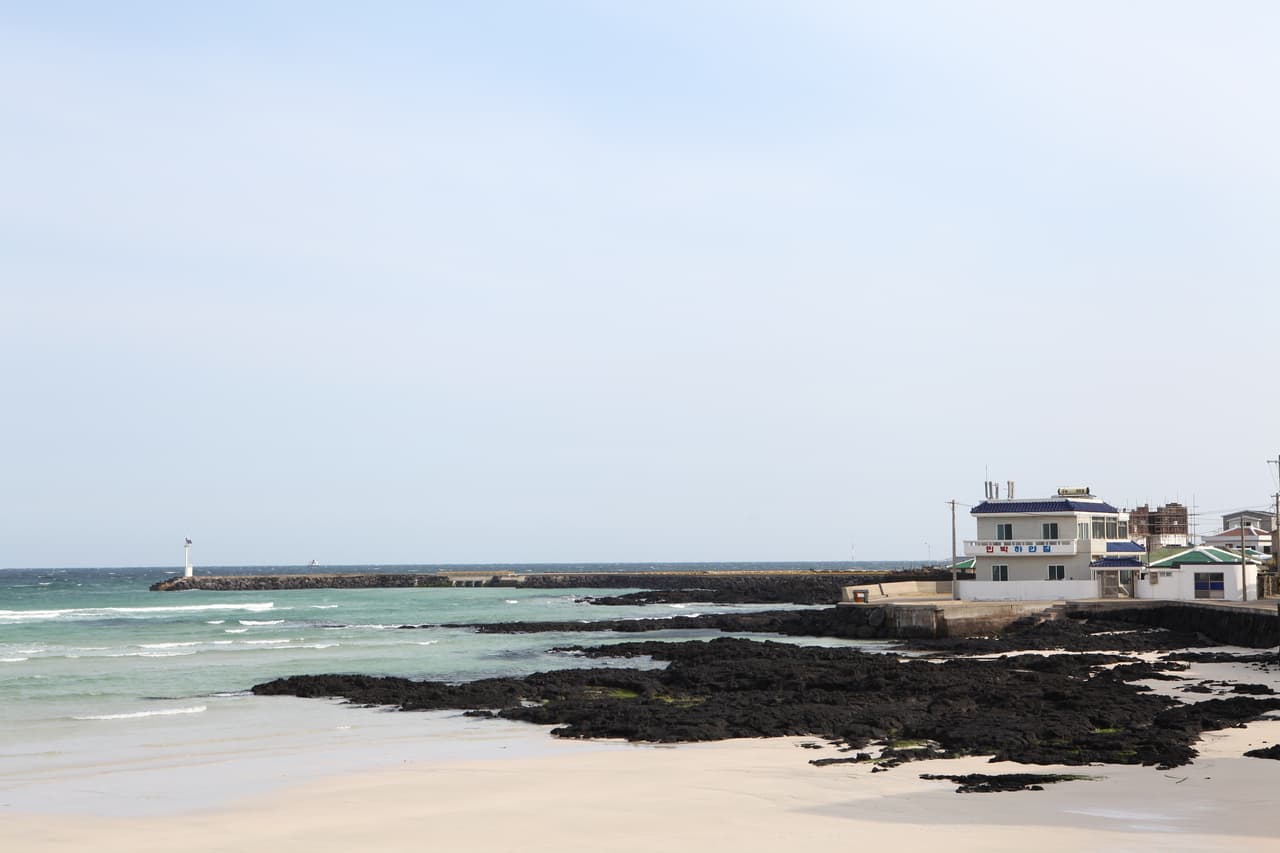
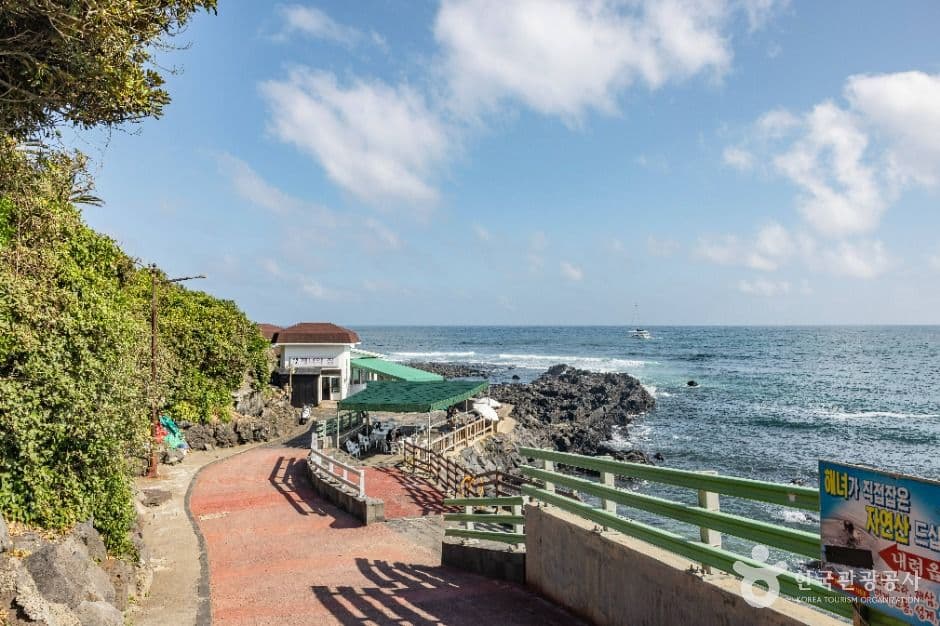
This site has a 4-day route called "4-Day UNESCO Island Roadtrip: Jeju Wonder". It starts at Jeju International Airport on arrival, then goes to the Aewol Handam Coastal Trail and Hyeopjae Beach & Biyangdo. It continues to Hallim Park Volcanic Garden and ends at the Jusangjeolli Hexagonal Column Cliffs.
Source: Korea Travel Atlas data
What are the main things to do in Jeju?
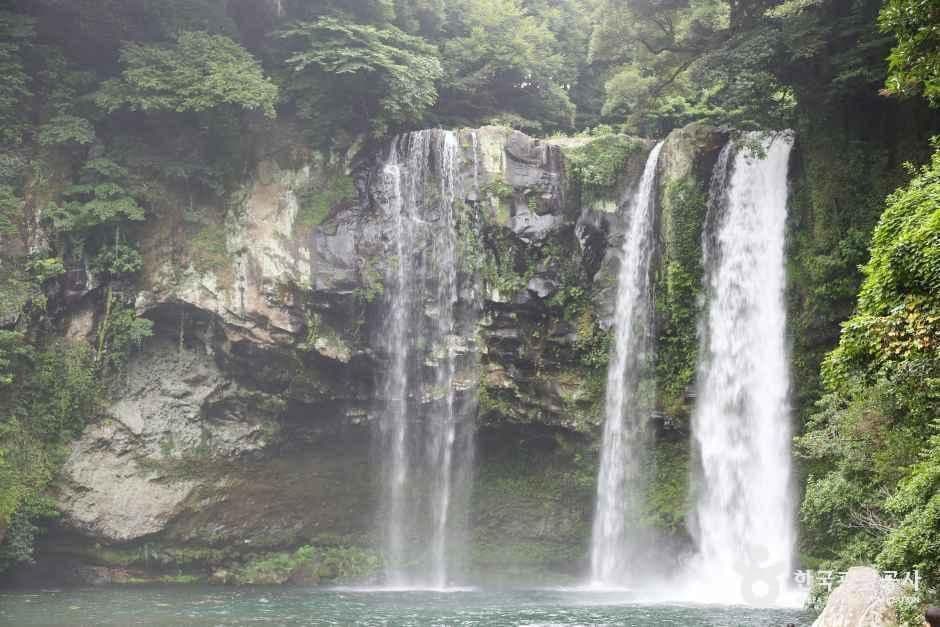
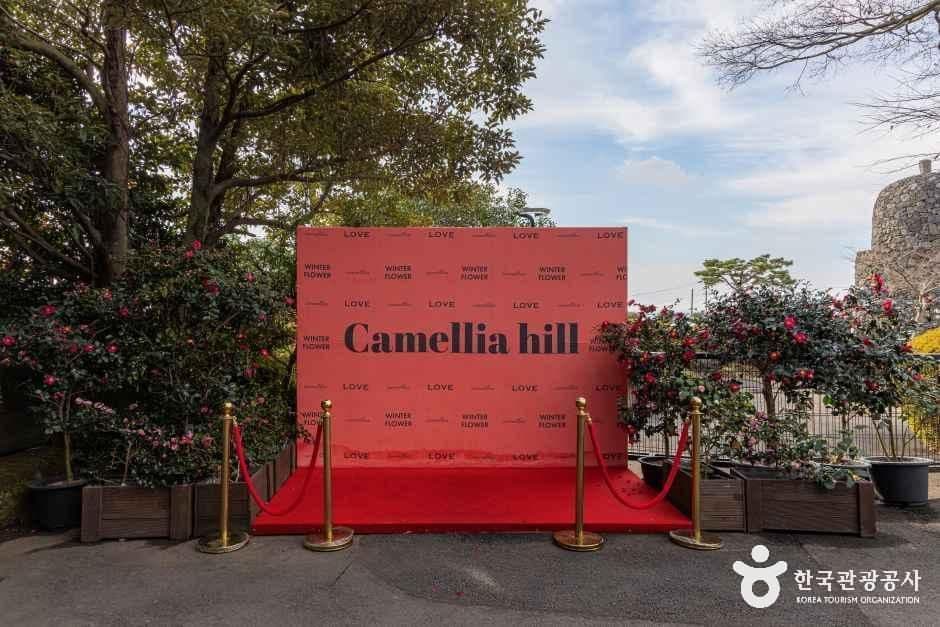
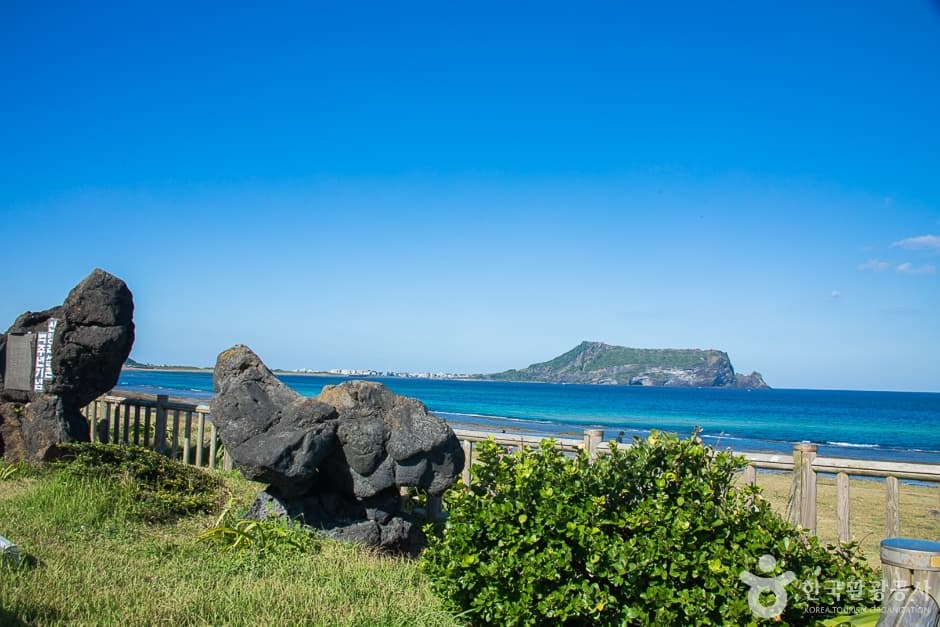
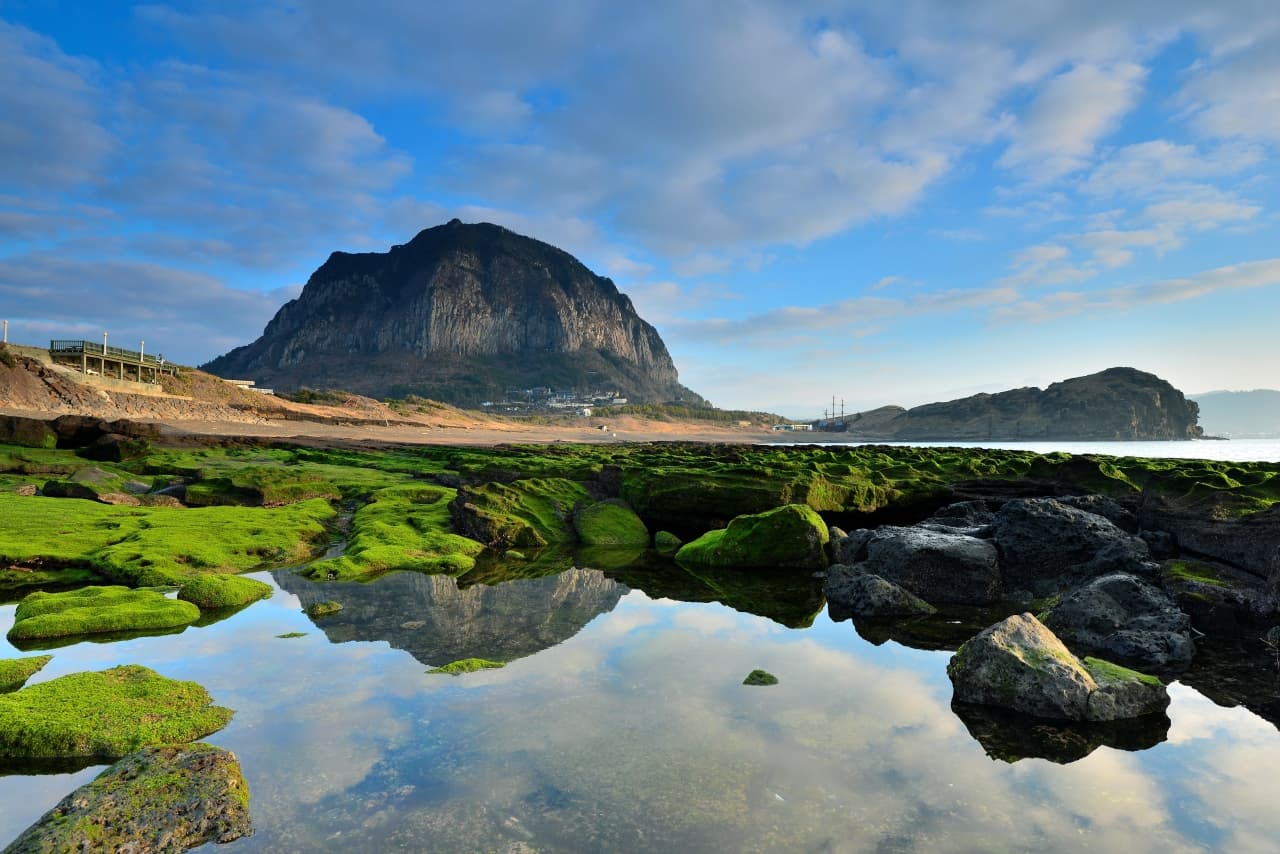
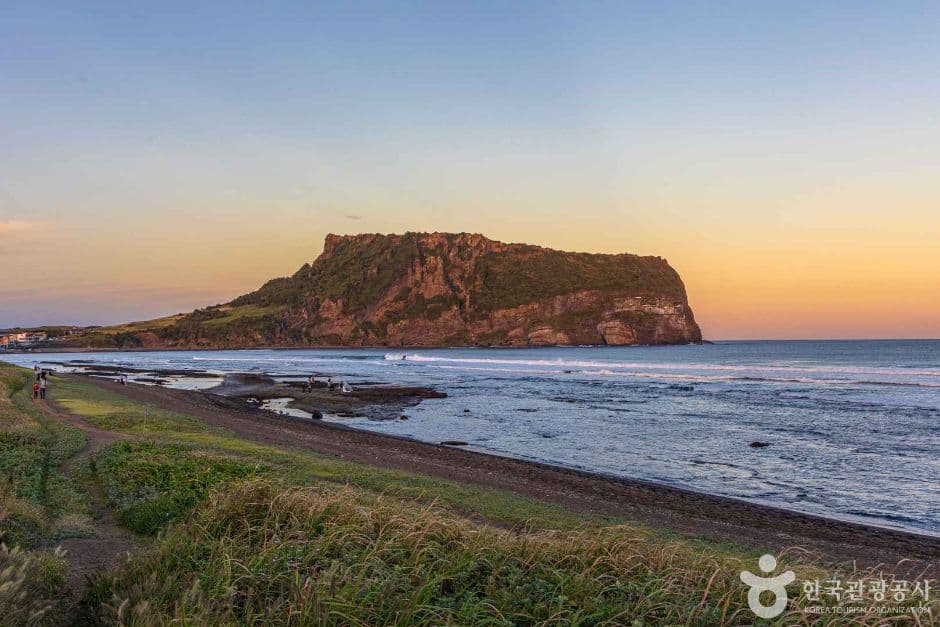
Jeju's main sights include Seongsan Ilchulbong Peak, Camellia Hill, Udo Island and Cheonjiyeon Waterfall. Seongsan Ilchulbong is a UNESCO World Natural Heritage volcanic tuff cone that rises 182 meters from the sea on the east coast. Camellia Hill is a botanical garden of 6,000 camellia trees across 200,000 square meters. Udo Island has Seobinbaeksa, a white rhodolith beach, and Cheonjiyeon Waterfall in Seogwipo drops 22 meters into a lagoon, with lit walking paths at night.
Source: Korea Travel Atlas data
What food should I try in Jeju?
Jeju is known for seafood ramen with live abalone, octopus and sea cucumbers, and for black pork barbecue in Seongsan village. Hallabong citrus soft-serve is a popular treat. Camellia Hill has treats made with camellia blossoms and Jeju citrus. Seogwipo around Cheonjiyeon Waterfall, and the Jungmun Tourist Complex and Daepo Port area, are places to find fresh coastal dishes.
Source: Korea Travel Atlas data
What is Jeju like in spring?
Spring in Jeju, from March to May, brings yellow rapeseed blossoms to the volcanic meadows, against black stone walls and deep blue water. Pink coastal azaleas also bloom along the upper cliff parks above the dark basalt cliffs. Camellias bloom until March. The Jeju Fire Festival at Saebyeol Oreum in Aewol was last held in March 2026, and the next dates have not been announced.
Source: Korea Travel Atlas data, Korea Tourism Organization (2026-11-13)
 KTO Official Data