Jeju•Culture•Theme Park & Attraction
Snoopy Garden Nature Reserve
스누피가든
Powered by Korea Tourism OrganizationAddress: Snoopy Garden Nature Reserve, Jeju, South Korea (제주특별자치도 제주시 구좌읍 금백조로 930 (스누피가든))
Editorial review pending
1 / 2
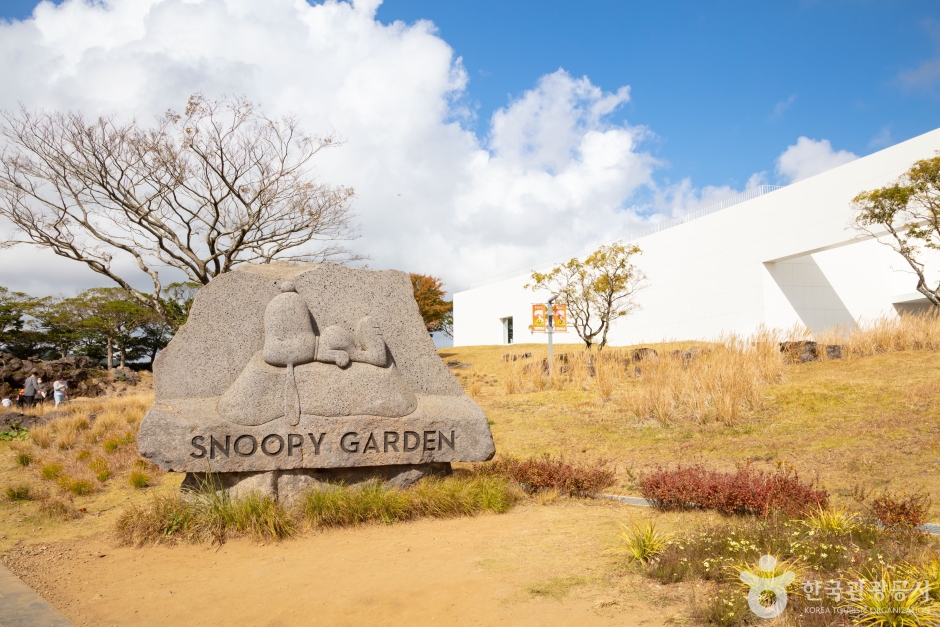
Snoopy Garden Nature Reserve representative scenic panorama
Curator's Guide & Overview
Comprehensive Guide1. Historical Origins & Cultural Background
Snoopy Garden, situated across an expansive 83,000 square meters (approximately 25 acres) of rolling Gotjawal volcanic woodland in Songdang-ri, Gujwa-eup, is one of South Korea’s most internationally celebrated nature-immersive theme parks. Created under the thematic motto 'Once a day, take a walk in nature', the reserve artfully integrates the heartfelt psychological humor, timeless warmth, and endearing philosophy of Charles M. Schulz’s iconic comic strip 'Peanuts' with the pristine flora, basalt topography, and endemic wildlife of Jeju Island. The sanctuary is divided into two harmonious domains: the indoor 'Garden House' museum and the expansive outdoor 'Nature Garden'.
2. Architectural Highlights & Key Structures
The indoor Garden House comprises five interactive exhibition halls that trace the origins and relationships of Charlie Brown, Snoopy, Woodstock, and the Peanuts gang. Here, visitors explore vintage original comic strips, retro television animation reels, immersive digital projection rooms, and whimsical interactive photo spots that explore themes of friendship, self-compassion, love, and everyday resilience. The exhibition concludes at an outdoor open-air courtyard before leading directly into the outdoor Nature Garden. Spanning 11 themed zones immersed in ancient camellias, Japanese cedars, and volcanic streams, the outdoor garden features life-sized bronze and fiberglass sculptures of the Peanuts characters engaging with nature: Snoopy daydreaming on top of his iconic red doghouse in the forest, the gang camping under starlit canopies at Camp Snoopy, Linus wrapping his blanket around an ancient pine tree, and Charlie Brown pitching on an emerald baseball green surrounded by Jeju stone walls.
3. Four Seasons Landscape & Seasonal Visiting Charms
Snoopy Garden offers a delightfully uplifting retreat in every season. Spring (March to May) carpets the forest trails in vibrant azaleas, cherry blossoms, and fresh green fern fronds. Summer (June to August) is lush and shaded: towering Japanese cedars and dense camellia groves provide cool, tranquil walking paths, while blooming hydrangeas and peaceful water ponds invite long, refreshing walks. Autumn (September to November) cloaks the surrounding Songdang oreums in golden sunlight and waving silver pampas grass, filling the air with crisp breezes. Winter (December to February) brings brilliant red camellia blossoms to the forest pathways, with the Peanuts characters sporting cozy winter scarves and hats amid rare dustings of snow.
4. Operating Hours & Peak Viewing Times
The park is open daily year-round with seasonal hours: Summer (April to September) operates from 09:00 to 19:00 (last ticketing and entry at 18:00); Winter (October to March) operates from 09:00 to 18:00 (last ticketing and entry at 17:00). To experience both the indoor exhibition and the extensive outdoor trails without rushing, plan at least 2.5 to 3.5 hours. Visiting in the morning at 09:00 allows you to photograph the famous lake dock without lines, while late afternoon offers magical golden-hour lighting across the pine woods.
5. Admission Fees & Concessions (Youth/Foreigner Discounts)
Admission is 19,000 KRW for adults (aged 20+), 16,000 KRW for teenagers (14 to 19), and 13,000 KRW for children (aged 3 to 13), with free entry for infants under 36 months. Purchasing tickets online in advance through Korean booking platforms often provides modest discounts (approx. 17,500 KRW). Large paved parking lots are entirely free.
6. Public Transit & Subway Exit Directions
From Jeju International Airport or Jeju Bus Terminal, take East Coast Express Bus 111 or 112 to the Daecheon Transit Center (approx. 45 minutes). From Daecheon, transfer to Eastern Tourism Circular Bus 810-1 and ride roughly 5 minutes directly to the Snoopy Garden bus stop. Taxis from Jeju Airport take approximately 40 minutes (approx. 25,000 to 30,000 KRW). Driving a rental car along Route 97 (Beonyeong-ro) and Geumbaekjo-ro takes approximately 40 minutes from Jeju City.
7. Barrier-Free Accessibility & Visitor Amenities
Snoopy Garden was meticulously engineered to provide world-class barrier-free accessibility. The indoor Garden House features wide corridors, zero-threshold doors, tactile paving, and elevators connecting all levels. Outdoors, the primary walking circuits connecting the 11 themed zones are smoothly paved with asphalt, packed stone dust, and gentle wooden boardwalks without stairs, making roughly 90% of the outdoor garden accessible to wheelchairs and strollers. For visitors with mobility impairments, a complimentary Hop-On Hop-Off electric shuttle bus circles the main garden loop. Free manual wheelchairs and strollers are available at the information desk, and all public restrooms are fully accessible.
8. Recommended Walking Route & Highlights Tour
Recommended 3-Hour Peanuts Philosophy & Nature Walk: Begin in the indoor Garden House, walking through the five thematic comic halls and taking photos in the retro Peanuts living room → Step out into the outdoor Nature Garden and walk along the Cedar Trail to Charlie Brown’s Baseball Meadow → Head to 'Snoopy’s Secret Pond' and walk out onto the wooden dock to sit beside Snoopy with his fishing rod, posing for the world-famous lakeside photo → Wander through Woodstock’s Nest, walking along the elevated aerial wooden skywalk among tree canopies → Explore Camp Snoopy, climbing into the wooden treehouse and posing around the campfire setup → Stroll through the Warm Puppy Garden and the Beagle Scout Trail → Visit the rooftop Snoopy Cafe for a Snoopy-faced matcha latte and warm chocolate brownie → Browse the Snoopy Store for exclusive Jeju-edition merchandise, including plush Snoopy holding Hallabong oranges and Haenyeo diving gear.
9. Local Food Specialties & Regional Flavors
Dining at Snoopy Garden is an absolute delight, blending adorable character motifs with fresh Jeju ingredients. At the indoor Snoopy Cafe and the outdoor Woodstock Tea House, order the signature Snoopy Latte (featuring an intricate dusting of Snoopy’s face in cacao powder), the Charlie Brown Peanut Milkshake, and the Snoopy Waffle Plate served with fresh strawberries, bananas, and vanilla ice cream. In nearby Songdang village, enjoy comforting bowls of warm pheasant buckwheat noodles, spicy braised hairtail fish, and authentic Jeju black pork barbecue.
10. Dietary Options (Vegetarian, Halal & Allergen Guide)
Vegetarians can enjoy multiple appealing choices: Snoopy waffles, freshly baked cinnamon rolls, avocado sandwiches, tomato pasta, organic hallabong smoothies, and plant-based iced lattes at the Snoopy cafes. In Songdang-ri, traditional restaurants serve mountain vegetable bibimbap, crispy potato pancakes, and acorn jelly salads. Halal and pescatarian travelers can savor meat-free cafe treats and fresh seafood earthenware stews or grilled mackerel at seaside eateries in nearby Gujwa and Sehwa.
11. Signature Photo Spots & Golden Hour Lighting
Signature photographic perspectives: sitting on the wooden dock at the edge of the Secret Pond right next to the statue of Snoopy holding his fishing rod with lush green forest reflecting in the water (one of South Korea's top 10 most viral Instagram travel photos); standing beside Snoopy resting on top of his bright red doghouse in the forest; peering out from Woodstock’s elevated wooden canopy nest; and posing with the entire Peanuts gang standing in a line in Charlie Brown’s baseball field.
12. Visitor Etiquette & Cultural Property Regulations
Park etiquette: Snoopy Garden is a carefully curated botanical reserve. Do not climb on fragile bronze or fiberglass statues unless marked as interactive photo seating. Do not pick flowers or break branches in the themed gardens. Stay on paved paths and boardwalks. Pets are strictly prohibited inside both the indoor and outdoor facilities (registered service dogs excepted). Commercial photography with tripods and drones requires advance written permission. Smoking is prohibited across all indoor and outdoor areas.
13. Safety Precautions & 1330 Tourism Hotline Support
Wear comfortable walking shoes or sneakers, as exploring the complete indoor and outdoor grounds involves approximately 2.5 to 3 kilometers of walking. On sunny days, bring a hat and sunglasses, though the outdoor cedar forests provide ample natural shade. The on-site Snoopy Store carries exclusive merchandise found nowhere else in the world, including Snoopy wearing a traditional Jeju Dolhareubang hat. For inquiries, contact the Snoopy Garden Information Desk at 064-784-0930 or dial 1330.
14. Nearby Connected Attractions & Walking Links
Nearby attractions: walk the barefoot red scoria paths of the ancient nutmeg forest at Bijarim (PLACE-JEJU-011) just 5 minutes north; hike the crater rim of nearby Darangshi Oreum or Abu Oreum; or head 15 minutes east to the white sands of Sehwa Beach.
15. Frequently Asked Questions (FAQ)
Q: Why is Snoopy Garden located in Jeju instead of Seoul? A: The creators chose Songdang-ri in Gujwa-eup specifically because Charles Schulz’s Peanuts comic strips constantly celebrated the healing simplicity of the great outdoors—camping, baseball in the grass, lying under trees, and birdwatching; Jeju’s pristine Gotjawal forests, rolling oreum hills, and pure air provided the ideal real-world canvas to embody Schulz’s philosophy of finding peace and comfort through a daily walk in nature. Q: Can I take the shuttle bus if I get tired? A: Yes; Snoopy Garden operates a charming, complimentary electric shuttle bus with friendly narration that loops through the 11 outdoor garden zones every 15 to 20 minutes, allowing young children, elderly visitors, and travelers with walking difficulties to easily hop on and off at key attractions.
16. Regional Extended Day Trip Itinerary
Snoopy Garden & Gujwa Forest Healing Day Tour: Morning drive from Jeju City along Beonyeong-ro to Gujwa-eup Songdang-ri → Arrive at Snoopy Garden at 09:30 to explore the indoor Peanuts exhibition and photography rooms → Stroll through the 11 outdoor zones, photographing Snoopy on the wooden fishing dock and Woodstock's nest → Relax at the Snoopy Cafe tasting Snoopy waffles and peanut milkshakes → Browse the exclusive Jeju-edition Peanuts merchandise at the Snoopy Store → Drive 5 minutes north to Bijarim for a barefoot walk along the 800-year-old nutmeg tree trails → Lunch in Songdang savoring Jeju black pork barbecue and carrot juice → Sunset walk along Sehwa Beach before returning.
Essential Visitor Facts
Operating Hours
Open daily year-round: Summer (April-September) 09:00 - 19:00 (last entry 18:00); Winter (October-March) 09:00 - 18:00 (last entry 17:00).
Admission / Price
Admission: Adults 19,000 KRW, Youth (14-19) 16,000 KRW, Children (3-13) 13,000 KRW (online advance booking offers minor discounts); Large paved parking is free.
Closed Days
Open 365 Days
Best Time to Visit
Morning (around 09:30-10:00)
Transit & Access Directions
From Jeju Intercity Bus Terminal or Jeju Airport, take Express Bus 111 or 112 to Daecheon Transit Center (approx. 45 minutes), then transfer to Tourism Circular Bus 810-1 directly to the Snoopy Garden stop (approx. 5 minutes).
Accessibility & Special Amenities
Wheelchair ramps, tactile paving, accessible restrooms
Location Coordinates
Latitude: 33.4352
Longitude: 126.7785
Discover Themes & Highlights
Key interest areas and cultural highlights:
#snoopy-garden-jeju#VisitJeju#KoreaTravelAtlas
Community Traveler Reviews0 Reviews
Visitor tips, feedback, and questions submitted by real travelers.
No community reviews submitted yet. Be the first traveler to share your experience!
Connected Cultural Destinations
Handpicked nearby attractions and regional cultural highlights.

Nami Island (Chuncheon)
춘천 남이섬Nami Island (Chuncheon), Chuncheon, Gangwon, South Korea
Nami Island is South Korea’s globally acclaimed storybook cultural crescent island in Chuncheon, celebrated worldwide as the romantic birthplace of the Korean Wave (Hallyu) via ‘Winter Sonata’, fea...
Morning (around 09:30-10:00)
Details→
Camellia Hill Arboretum
카멜리아힐Camellia Hill Arboretum, Seogwipo, Jeju, South Korea
Camellia Hill is East Asia’s largest botanical camellia paradise, spanning 200,000 square meters of tranquil Jeju volcanic forest adorned with 6,000 camellia trees of 500 varieties from 80 countrie...
Morning (around 09:30-10:00)
Details→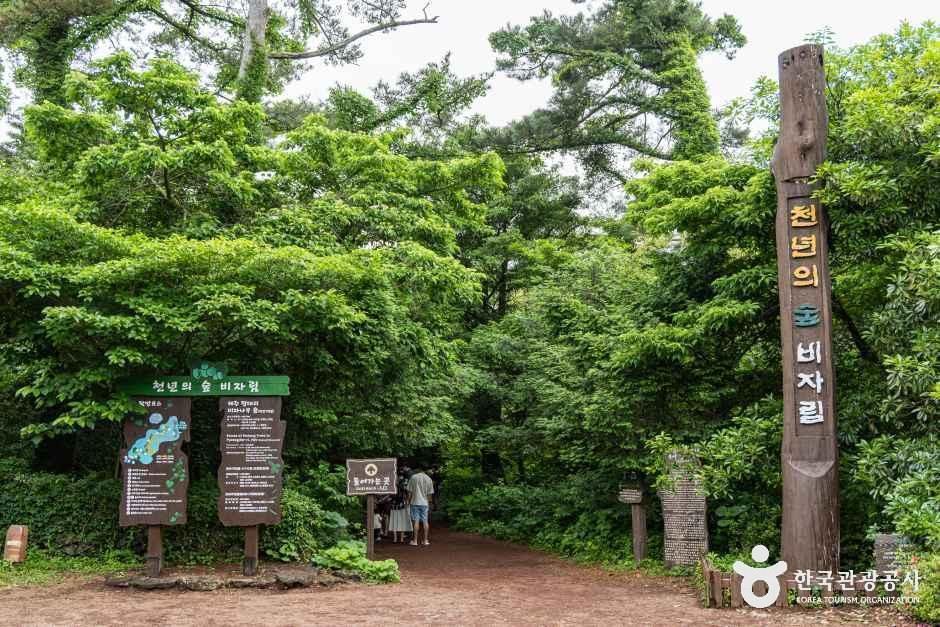
Bijarim Ancient Nutmeg Tree Forest
비자림Bijarim Ancient Nutmeg Tree Forest, Jeju, South Korea
Bijarim is South Korea’s primeval millennial evergreen sanctuary and Natural Monument No. 374, preserving the world’s largest single-species forest of over 2,800 ancient nutmeg trees (Torreya nucif...
Morning (around 09:30-10:00)
Details→
Hamdeok Beach & Seoubong Peak
함덕해수욕장 및 서우봉Hamdeok Beach & Seoubong Peak, Jeju, South Korea
Hamdeok Beach & Seoubong Peak is Jeju’s world-famous ‘Maldives of Korea’ in Jocheon, boasting crystalline emerald-turquoise shallow lagoons, powdered white shell sand, arched volcanic footbridges, ...
Morning (around 09:30-10:00)
Details→