Jeju•Nature•Garden & Forest
Bijarim Ancient Nutmeg Tree Forest
비자림
Powered by Korea Tourism OrganizationAddress: Bijarim Ancient Nutmeg Tree Forest, Jeju, South Korea (제주특별자치도 제주시 구좌읍 비자숲길 55 (비자림))
Editorial review pending
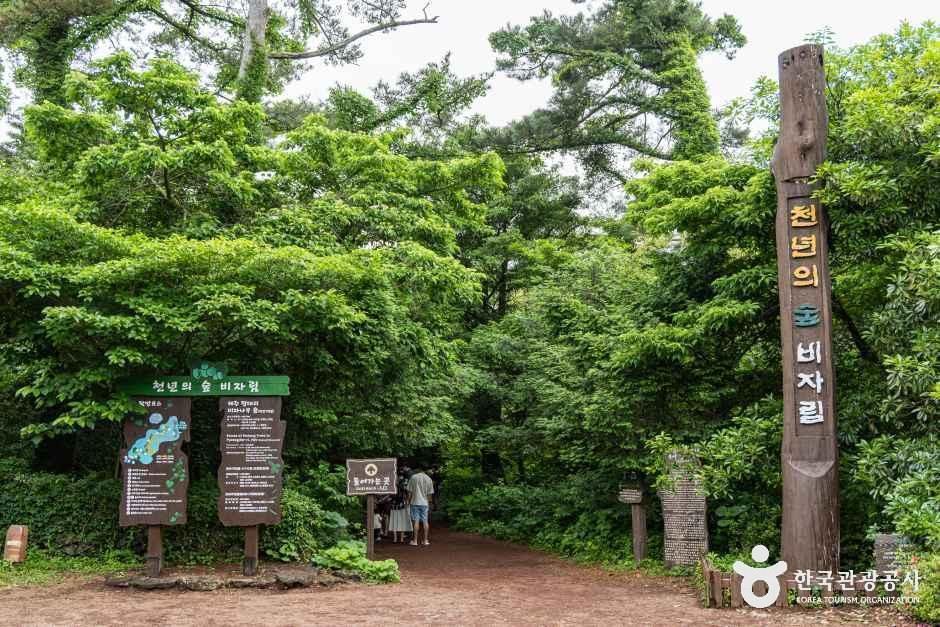
Bijarim Ancient Nutmeg Tree Forest representative scenic panoramaZoom


+1More
1 / 6
Bijarim Ancient Nutmeg Tree Forest representative scenic panorama
Curator's Guide & Overview
Comprehensive Guide1. Historical Origins & Cultural Background
Bijarim, quietly flourishing across 448,000 square meters of primeval Gotjawal woodland in Pyeongdae-ri, Gujwa-eup in northeastern Jeju, is designated South Korean Natural Monument No. 374. It is globally acclaimed as the world's largest single-species natural forest of ancient Torreya nucifera (Nutmeg or Bija trees). Historically protected as a sacred royal medicinal grove since the Goryeo and Joseon dynasties, this pristine biosphere shelters more than 2,800 colossal nutmeg trees ranging in age from 500 to over 800 years, standing 7 to 14 meters tall with dense, ancient canopies that filter sunlight into a cool, mystical green cathedral.
2. Architectural Highlights & Key Structures
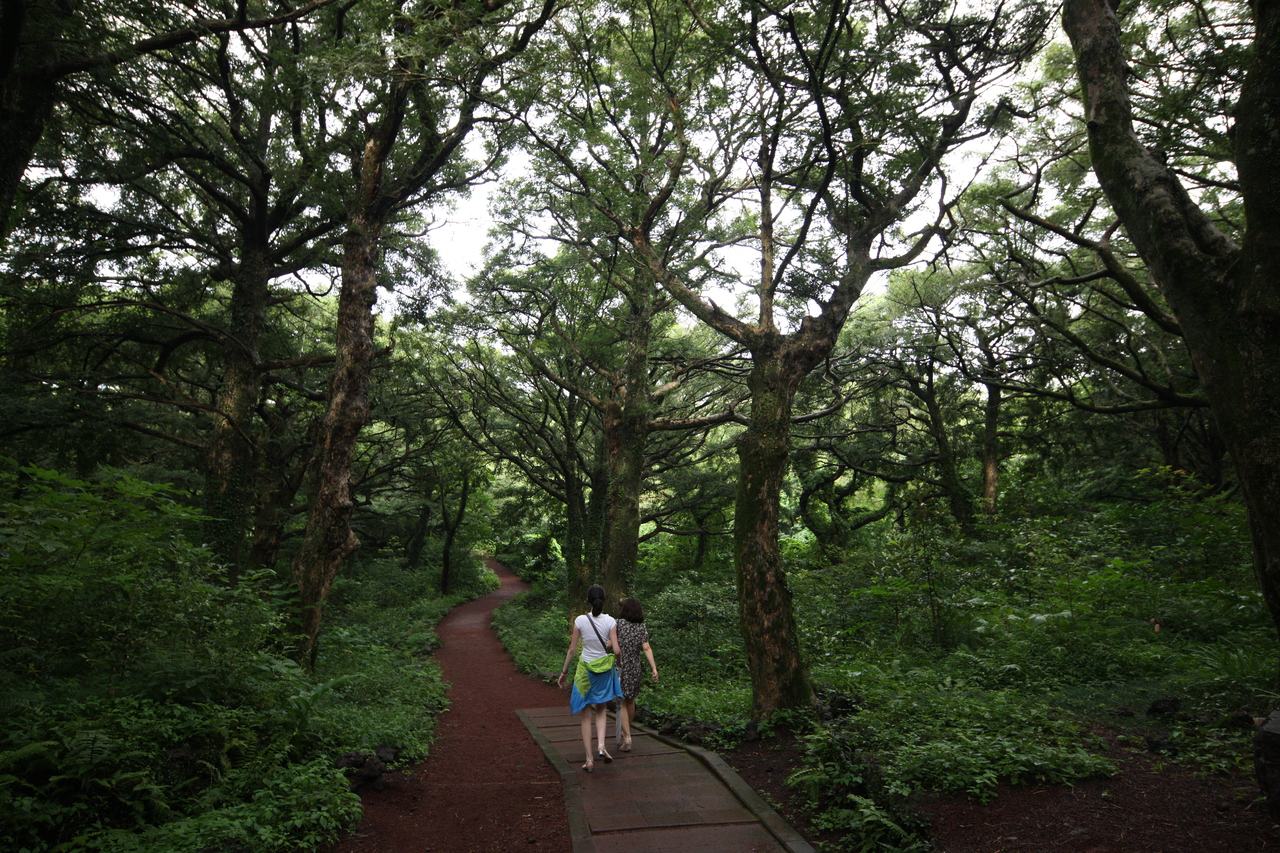
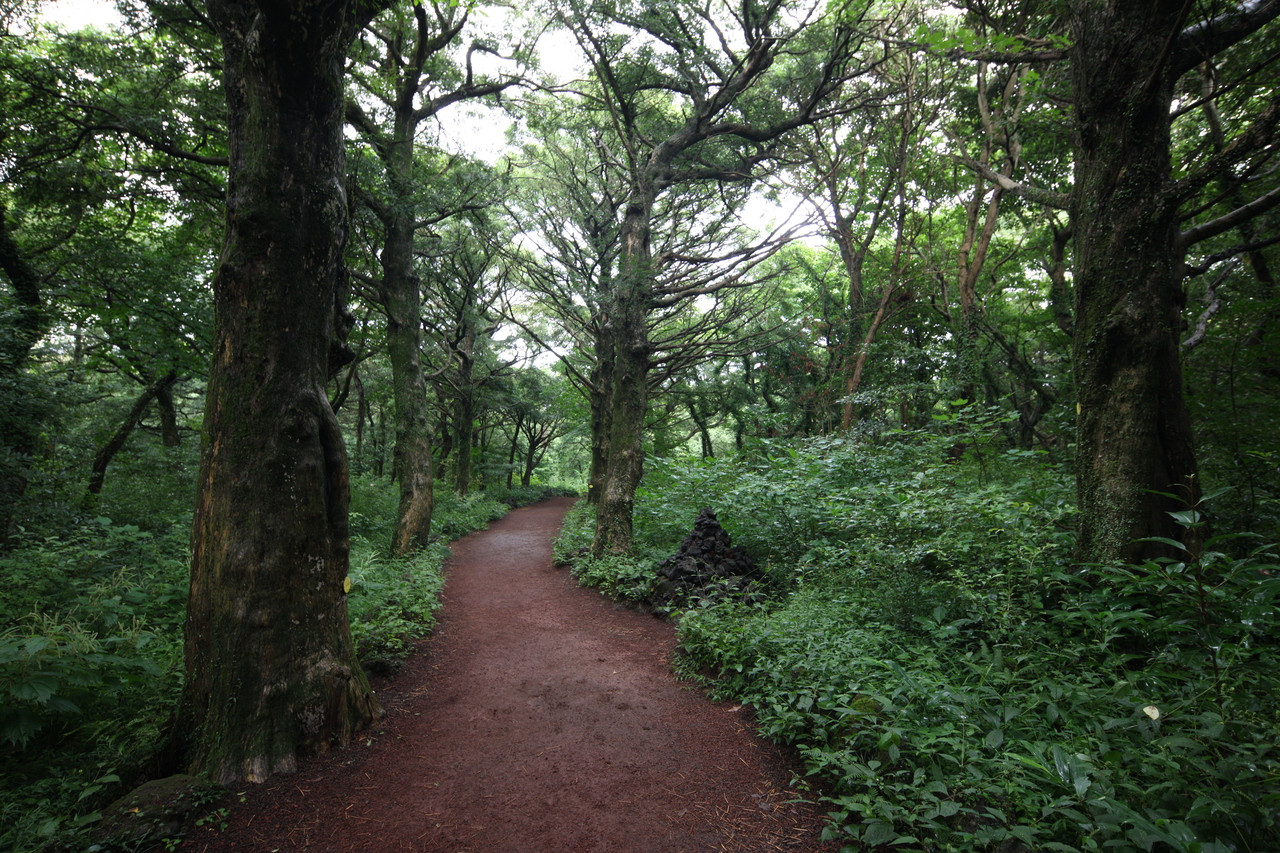
The botanical and ecological significance of Bijarim is profound. The nutmeg tree (Torreya nucifera) is an extremely slow-growing, resilient evergreen conifer whose glossy needles emit potent concentrations of therapeutic phytoncides and natural antimicrobial terpenes. Historically, its olive-like medicinal seeds (Bija-ja) were treasured as an indispensable tribute to the royal court in Seoul for expelling intestinal parasites and treating respiratory ailments. Today, the ancient trees intertwine with creeping wild vines, ancient epiphytic orchids, and rare Gotjawal ferns that blanket the jagged volcanic basalt boulders. The entire walking trail is carpeted in fine red volcanic scoria ('Song-i')—a porous, natural mineral gravel rich in far-infrared radiation that cushions footsteps, purifies the air, and encourages peaceful barefoot walking.
3. Four Seasons Landscape & Seasonal Visiting Charms
Bijarim is an extraordinary sanctuary in all four seasons, celebrated as Jeju’s supreme therapeutic forest-bathing destination. Spring (March to May) brings delicate lime-green young needles and the fragrant flowering of wild orchids and forest wildflowers. Summer (June to August) is peak forest bathing: the dense, overlapping evergreen canopies block harsh sunlight completely, lowering the forest temperature by 3 to 5 degrees Celsius while releasing maximum concentrations of aromatic phytoncides. Autumn (September to November) fills the air with the earthy, nutty fragrance of ripe nutmeg seeds falling onto the red scoria paths. Winter (December to February) remains remarkably vibrant and evergreen, with glossy dark needles contrasting vividly against crisp blue skies or rare dustings of white snow. Rainy days are particularly magical: moisture intensifies the fresh scent of pine, moss, and wet volcanic earth, enveloping the forest in a mystical primeval mist.
4. Operating Hours & Peak Viewing Times
The forest is open daily year-round from 09:00 to 18:00 (ticketing and entry close strictly at 17:00; during winter months from November through February, entry closes at 16:30 for trail safety). Visitors can choose between two loops: the shorter A-Course (approx. 2.2 kilometers, taking 40 to 60 minutes) which is completely flat and barrier-free, and the longer B-Course (approx. 3.2 kilometers, taking 80 to 100 minutes) which loops deeper into the primitive stony Gotjawal trail.
5. Admission Fees & Concessions (Youth/Foreigner Discounts)
Admission is 3,000 KRW for adults, 1,500 KRW for youth and active military, and 1,500 KRW for children aged 7 to 12 (free for infants under 6 and seniors aged 65+). Sprawling paved municipal parking at the entrance plaza is completely free of charge.
6. Public Transit & Subway Exit Directions
From Jeju Intercity Bus Terminal or Jeju Airport, take East Coast Express Bus 111 or 112 to the Daecheon Transit Center (Daecheon Hwanseung Center) in approximately 45 minutes. From Daecheon, transfer to Local Feeder Bus 711-1 or Eastern Tourism Circular Bus 810-1 and ride roughly 10 minutes directly to the Bijarim bus stop. A taxi from downtown Jeju City takes approximately 40 minutes (approx. 25,000 to 30,000 KRW). Driving a rental car via Route 97 (Beonyeong-ro) and Bijasup-gil takes about 40 minutes.
7. Barrier-Free Accessibility & Visitor Amenities
Bijarim is celebrated for its outstanding barrier-free design. The primary 2.2-kilometer loop (A-Course) connecting the entrance gate to the New Millennium Nutmeg Tree is surfaced entirely with finely ground, well-compacted red volcanic scoria (Song-i) over a flat, gentle terrain with zero steps. Wheelchairs and strollers can easily navigate the path all the way to the 820-year-old landmark tree and resting pavilions. Free manual wheelchairs and strollers are loaned at the ticket office. Accessible restrooms with automatic sliding doors and grab bars are located at the entrance plaza and midway resting pavilion.
8. Recommended Walking Route & Highlights Tour
Recommended 1.5-Hour Millennial Forest Healing Walk: Enter through the wooden gate and breathe in the rich pine and nutmeg aroma along the Song-i trail → Remove your shoes at the designated barefoot walking zone to feel the smooth, therapeutic red volcanic scoria earth beneath your soles → Walk beneath the soaring, umbrella-like canopies of 600-year-old nutmeg trees draped in moss and ancient climbing ivy → Pause at the ancient stone wishing cairns and read the educational markers detailing the medicinal history of nutmeg seeds → Reach the heart of the forest to behold the 'New Millennium Nutmeg Tree' (Saecheonnyeon Bija-namu)—an awe-inspiring 820-year-old titan standing 14 meters tall with a trunk circumference exceeding 6 meters → Stroll along the wooden boardwalk to the famous 'Love Trees' (Yeonlimok)—two separate ancient nutmeg trees that grew so closely over centuries that their trunks fused into a single living entity → Cleanse your feet at the outdoor volcanic spring foot-wash station near the exit → Browse the local eco-shop for nutmeg seed soap and tea before departing.
9. Local Food Specialties & Regional Flavors
Gujwa-eup gastronomy surrounding Bijarim is famous for sweet Gujwa Carrots (Danggeun), native black pork, and fresh coastal seafood. At cozy village cafes along Bijasup-gil and Pyeongdae-ri, sip freshly squeezed 100% Gujwa Carrot Juice and savor moist homemade carrot cake. Dine on authentic Jeju Black Pork Barbecue grilled over charcoal, comforting Bomal Kalguksu (sea snail noodles), and warm pumpkin potage. Savor crispy Pyeongdae abalone pancakes (Jeonbok-jeon) and rice bowls topped with freshly grilled conch.
10. Dietary Options (Vegetarian, Halal & Allergen Guide)
Vegetarians will find fresh, nourishing fare near Bijarim: enjoy sweet organic Gujwa carrot juice, handmade carrot cupcakes, acorn jelly salads, mountain herb bibimbap, and grilled tofu steaks at local vegan-friendly cafes in nearby Songdang and Pyeongdae. Halal and pescatarian travelers can feast on fresh abalone porridge, grilled tilefish, spicy seafood earthenware hot pots, and sea snail noodles at coastal restaurants in nearby Sehwa and Pyeongdae without meat broths.
11. Signature Photo Spots & Golden Hour Lighting
Signature photographic perspectives: a low-angle shot looking up into the colossal, spreading ancient branches of the 820-year-old New Millennium Nutmeg Tree as sunlight streams through the canopy (the defining Bijarim photograph); a barefoot perspective of your feet resting on the rich terracotta-red volcanic scoria path; a romantic portrait framed beneath the intertwined fused trunks of the Yeonlimok Love Trees; and moody atmospheric shots along the misty trail on a foggy or rainy morning.
12. Visitor Etiquette & Cultural Property Regulations
Strict Natural Monument conservation laws: Bijarim is a designated Natural Monument. It is strictly prohibited to pick, collect, or pocket fallen nutmeg seeds (Bija-al) or volcanic scoria pebbles; collecting seeds from the forest floor is illegal under cultural heritage laws. Do not carve initials into tree trunks or step off designated paths into fragile moss beds. Pets are not permitted inside the forest. Bicycles, kickboards, and drones are strictly barred. Smoking is severely prohibited throughout the reserve. Pack out all trash.
13. Safety Precautions & 1330 Tourism Hotline Support
Wear comfortable walking sneakers or light sandals if you intend to walk barefoot on the red scoria earth (a foot-washing fountain with fresh running water is provided at the exit). Because the dense forest canopy blocks wind and rain, it is an ideal walking spot even on drizzly or windy days. For facility hours and guided ranger tours, contact the Bijarim Office at 064-710-7912 or dial 1330.
14. Nearby Connected Attractions & Walking Links
Nearby attractions: visit the whimsical Peanuts-themed nature park Snoopy Garden (PLACE-JEJU-012) just 5 minutes south; explore the turquoise waters of Hamdeok Beach (PLACE-JEJU-013); discover the volcanic lava tube of Manjanggul Cave (PLACE-JEJU-003); or visit the hip seaside cafes and Haenyeo museum in Sehwa-ri.
15. Frequently Asked Questions (FAQ)
Q: What is the significance of the 820-year-old New Millennium Nutmeg Tree? A: Designated as the oldest tree in the forest, the New Millennium Nutmeg Tree (Saecheonnyeon Bija-namu) germinated around 1189 during the Goryeo dynasty; standing 14 meters tall with a trunk girth of 6 meters and branches spreading over 15 meters, it was officially commemorated on January 1, 2000, as a living testament to Jeju’s eternal resilience, longevity, and natural heritage. Q: Why is the path colored bright red? A: The entire trail is surfaced with natural volcanic scoria, known locally in Jeju as 'Song-i'; formed by rapidly cooled, gas-rich basaltic lava during ancient volcanic eruptions, this mineral-rich red gravel is naturally sterile, emits far-infrared rays, and provides natural shock absorption for your joints while preventing mud during rain.
16. Regional Extended Day Trip Itinerary
Bijarim Forest Bathing & Eastern Jeju Nature Day Tour: Morning bus or drive from Jeju City to Gujwa-eup → Arrive at Bijarim to walk the barefoot red scoria trails beneath the 800-year-old nutmeg canopy → Marvel at the New Millennium Nutmeg Tree and the fused Yeonlimok Love Trees → Wash feet at the fresh spring station and enjoy fresh Gujwa carrot juice and cake at a forest cafe → Drive 5 minutes to Snoopy Garden to explore the 11 outdoor Peanuts-themed botanical zones → Lunch in Pyeongdae-ri savoring fresh abalone pancakes and sea snail noodles → Afternoon visit to Sehwa Beach and the Haenyeo Museum → Return to Jeju City.
Essential Visitor Facts
Operating Hours
Open daily year-round 09:00 - 18:00 (ticketing and entry close at 17:00; during winter months November-February entry closes at 16:30 for visitor safety).
Admission / Price
Admission: Adults 3,000 KRW, Youth/Active Military 1,500 KRW, Children 1,500 KRW (free for children under 6 and seniors aged 65+); Large parking lot is completely free.
Closed Days
Open 365 Days
Best Time to Visit
Morning (around 09:30-10:00)
Transit & Access Directions
From Jeju Intercity Bus Terminal, take Express Bus 111 or 112 to Songdang-ri (approx. 50 minutes), then transfer to Feeder Bus 711-1 or 810-1 directly to the Bijarim stop (approx. 10 minutes).
Accessibility & Special Amenities
Wheelchair ramps, tactile paving, accessible restrooms
Location Coordinates
Latitude: 33.4912
Longitude: 126.8095
Discover Themes & Highlights
Key interest areas and cultural highlights:
#bijarim-nutmeg-forest#VisitJeju#KoreaTravelAtlas
Community Traveler Reviews0 Reviews
Visitor tips, feedback, and questions submitted by real travelers.
No community reviews submitted yet. Be the first traveler to share your experience!
Connected Cultural Destinations
Handpicked nearby attractions and regional cultural highlights.

Daegwallyeong Highland Sheep Farm
대관령 양떼목장Daegwallyeong Highland Sheep Farm, Pyeongchang, Gangwon, South Korea
Daegwallyeong Highland Sheep Farm is South Korea’s iconic alpine pastoral paradise, situated at an altitude of 850 meters on the Baekdudaegan mountain ridge in Pyeongchang, featuring rolling green ...
Morning (around 09:30-10:00)
Details→
Damyang Juknokwon Bamboo Forest
담양 죽녹원Damyang Juknokwon Bamboo Forest, Damyang, Jeonnam, South Korea
Damyang Juknokwon is South Korea’s premier 31-hectare bamboo sanctuary, featuring eight meditative forest trails beneath towering green bamboo canopies, rich phytoncide breezes, traditional scholar...
Morning (around 09:30-10:00)
Details→
Manjanggul Lava Tube Cave (UNESCO)
만장굴Manjanggul Lava Tube Cave (UNESCO), Jeju, South Korea
Manjanggul Lava Tube Cave is a UNESCO World Natural Heritage marvel and Natural Monument No. 98, internationally acclaimed as one of the finest and most colossal volcanic subterranean caverns on Ea...
Morning (around 09:30-10:00)
Details→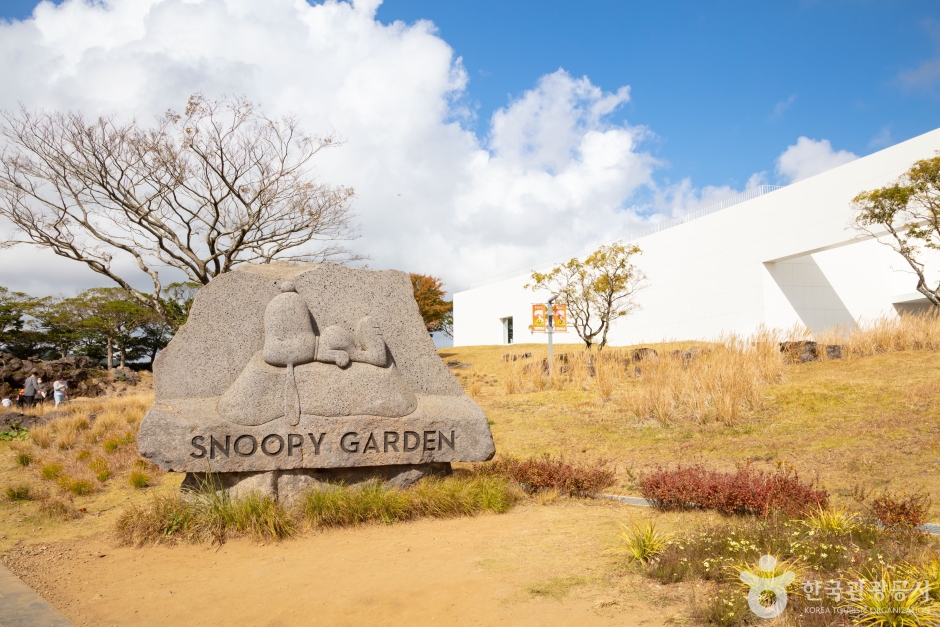
Snoopy Garden Nature Reserve
스누피가든Snoopy Garden Nature Reserve, Jeju, South Korea
Snoopy Garden is Jeju’s world-renowned 83,000-square-meter eco-thematic sanctuary in Songdang-ri, harmonizing Charles M. Schulz’s Peanuts comic philosophy with native Gotjawal volcanic woodlands, f...
Morning (around 09:30-10:00)
Details→