Gangwon•Pyeongchang•Nature•Mountain & Trail
Daegwallyeong Highland Sheep Farm
대관령 양떼목장
Powered by Korea Tourism OrganizationAddress: Daegwallyeong Highland Sheep Farm, Pyeongchang, Gangwon, South Korea (강원특별자치도 평창군 대관령면 대관령마루길 483-32 (횡계리))
Editorial review pending
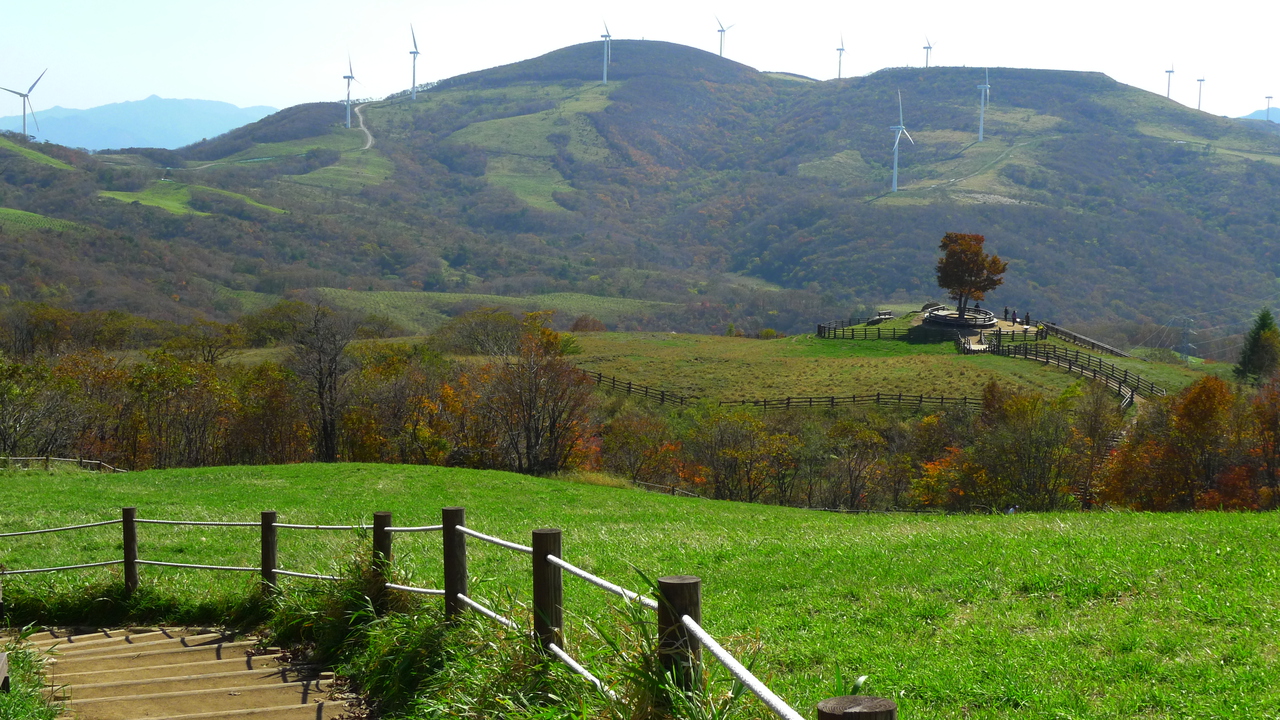
Daegwallyeong Highland Sheep Farm representative scenic panoramaZoom
+1More
1 / 6
Daegwallyeong Highland Sheep Farm representative scenic panorama
Curator's Guide & Overview
Comprehensive Guide1. Historical Origins & Cultural Background
Established in 1988 through the lifelong agricultural pioneering vision of founder Kim Young-do, Daegwallyeong Highland Sheep Farm transformed an abandoned mountain pass terrain into South Korea's first tourist sheep ranch. Perched high on the crest of the Baekdudaegan mountain divide at an elevation of 850 to 950 meters above sea level, this 204,000-square-meter pastoral sanctuary is affectionately dubbed the 'Alps of Korea', offering cool mountain breezes, pure air, and rolling green pastures in an awe-inspiring alpine setting.
2. Architectural Highlights & Key Structures
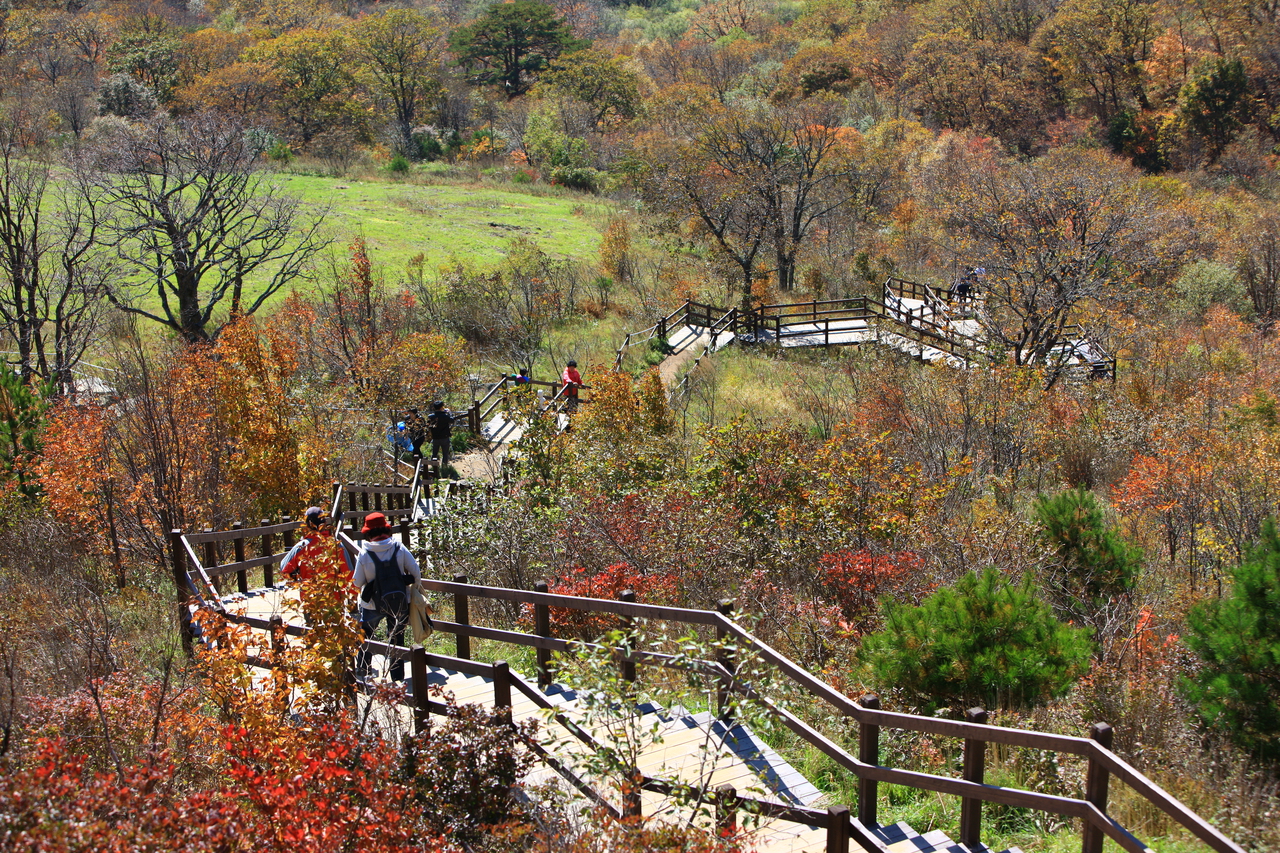
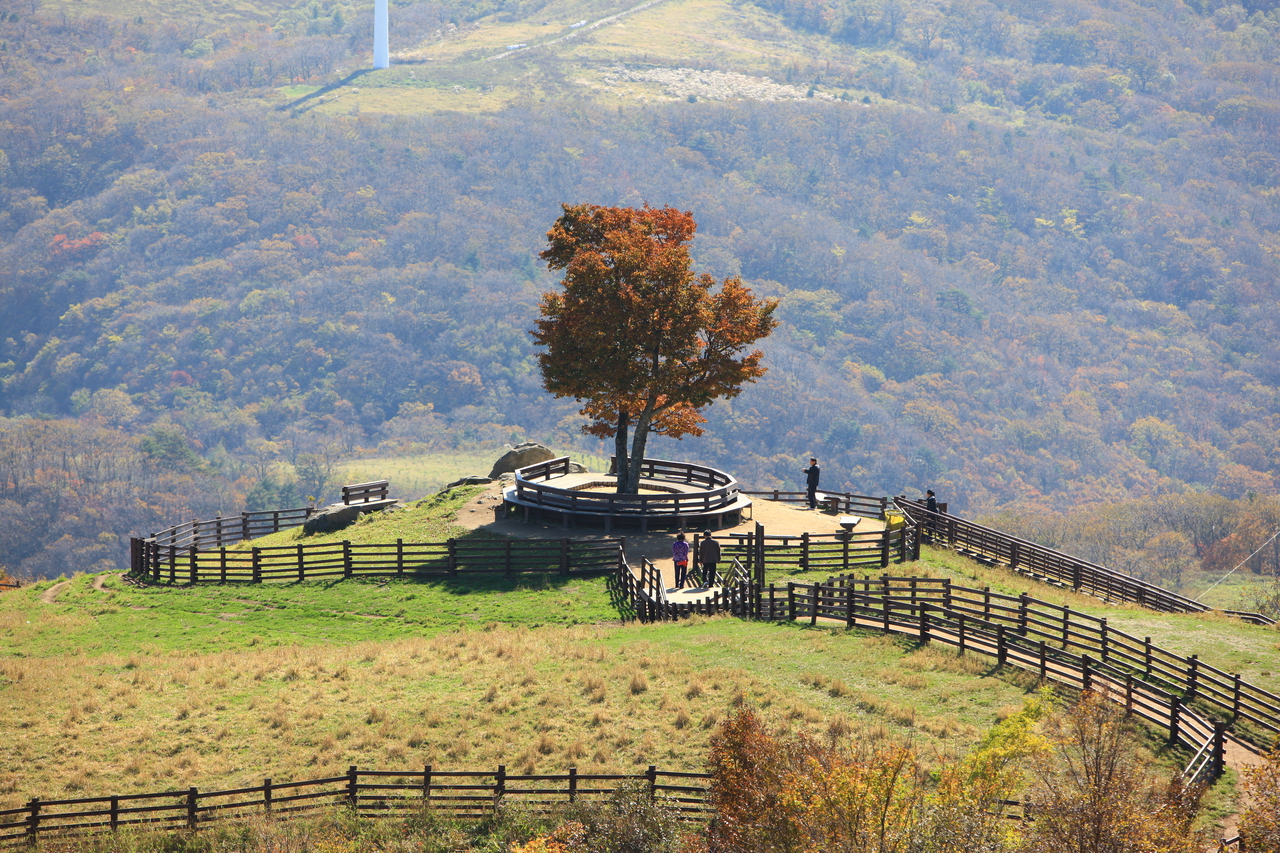
The farm features an undulating 1.2-kilometer circular walking track tracing the perimeter ridgeline of the green pastures. Along the route, visitors admire grazing flocks of over 200 Corriedale sheep roaming freely on hillside slopes from May through October. The iconic visual centerpiece is the rustic timber Wooden Shack (Mokjo Um-mak), an unpainted weathered shelter originally built as a sheepfold that achieved international fame as the cinematic backdrop for films like 'The Man from Nowhere' and multiple romantic K-dramas.
3. Four Seasons Landscape & Seasonal Visiting Charms
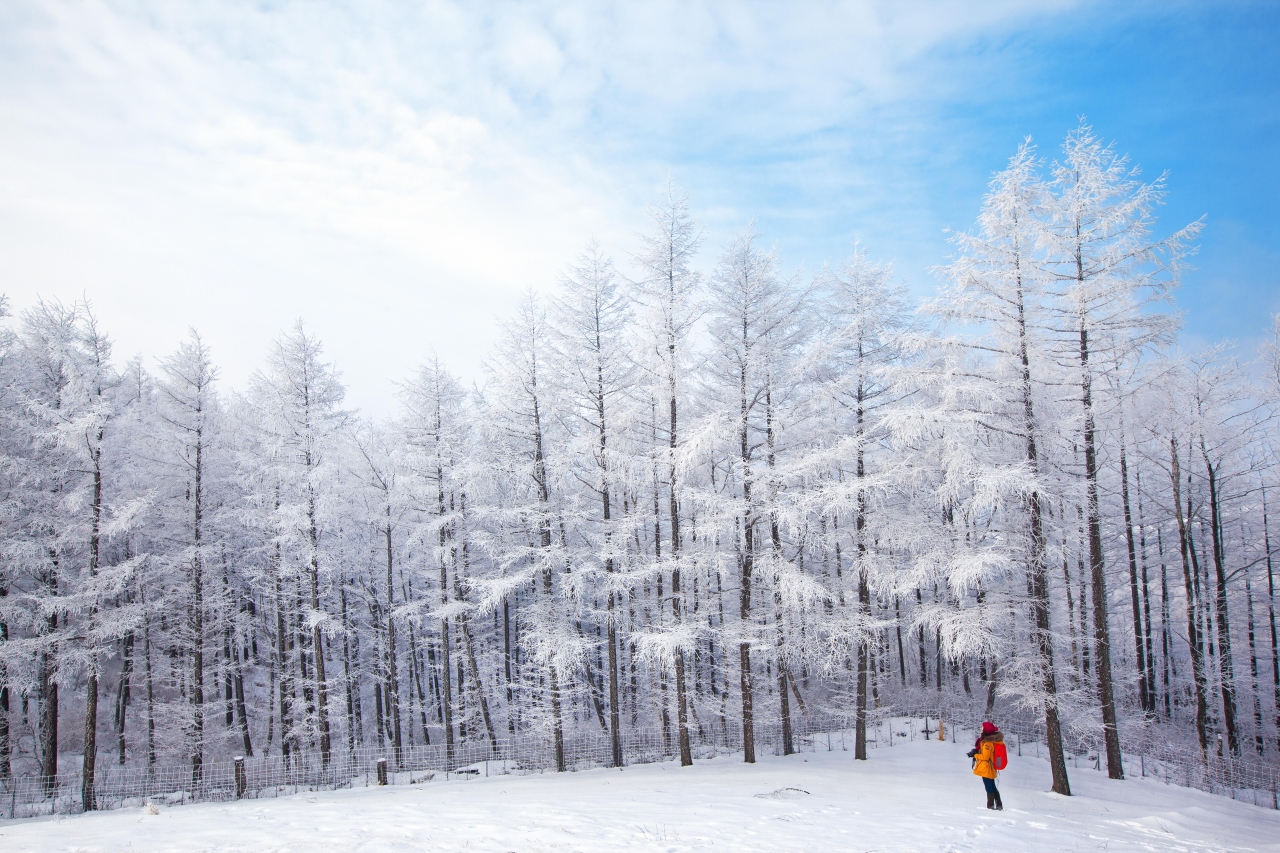
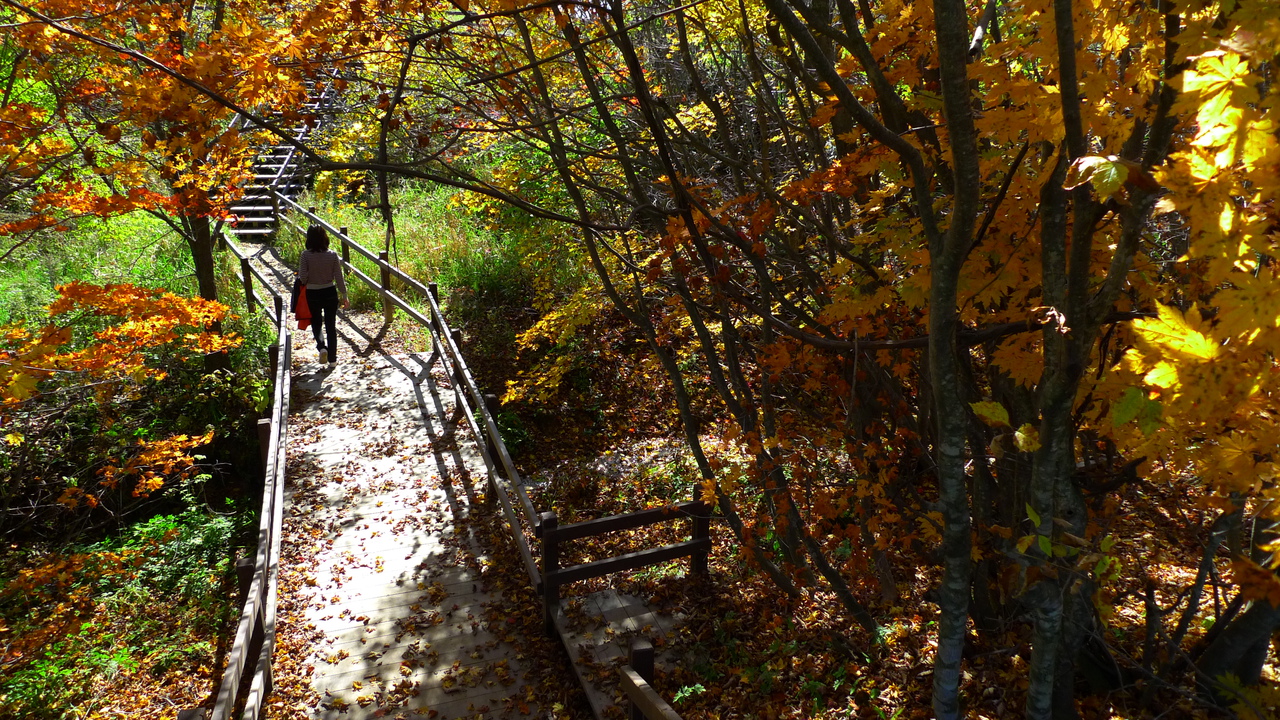
Spring brings tender emerald-green alpine grasses sprouting across the thawing slopes as newborn lambs take their first steps outdoors. Summer provides a refreshing escape from sweltering heat waves, maintaining cool temperatures rarely exceeding 25°C with wild mountain daisies carpeting the ridge. Autumn displays fiery foliage on the surrounding peaks contrasting with golden pastures under crystal-clear blue skies. Winter is legendary, transforming the entire ranch into a deep, snowbound alpine wonderland of snowdrifts and frosty windbreaks.
4. Operating Hours & Peak Viewing Times
Operating hours shift with seasonal daylight: 09:00 to 18:30 during peak summer (May to August); 09:00 to 18:00 in April and September; 09:00 to 17:30 in March and October; and 09:00 to 17:00 in winter (November to February). Ticket counters close one hour before dusk. The best visiting time is morning around 10:00 or late afternoon at 15:30, when sunlight sweeps across the alpine ridgeline and sheep graze active herds.
5. Admission Fees & Concessions (Youth/Foreigner Discounts)
Admission is 9,000 KRW for adults (19-64), 7,000 KRW for children and teenagers (4 to 18), and 5,000 KRW for seniors over 65. The admission ticket includes an exchange coupon for a basket of dried hay at the Livestock Feeding Barn, allowing visitors to feed sheep by hand. Automated ticketing kiosks accept international credit cards.
7. Barrier-Free Accessibility & Visitor Amenities
The lower barn area, sheep feeding corral, and gift shops are accessible via flat paved surfaces suitable for assisted wheelchairs and strollers. The 1.2-kilometer ridge trail features packed earthen paths and natural wooden steps climbing up to the 950-meter summit; mobility-impaired visitors are advised to enjoy the lower scenic terrace and feeding corral. Heated rest areas and accessible restrooms are situated at the entrance.
8. Recommended Walking Route & Highlights Tour
Recommended 90-Minute Alpine Stroll: Enter the ranch gate and follow the babbling brook path → climb the gentle grassy hillside along the 1.2-kilometer ridgeline trail → pause at the famous Wooden Shack for iconic landscape photos → take in the 360-degree panoramic vista of Pyeongchang's wind turbine peaks and Mount Seonjaryeong → descend along the pastoral fence to the Sheep Feeding Barn → exchange your ticket coupon for hay and feed the gentle sheep by hand.
9. Local Food Specialties & Regional Flavors
In nearby Hoenggye town, travelers can indulge in Pyeongchang's legendary alpine cuisine: savor world-class Pyeongchang Hanwoo beef charcoal barbecue, sizzling Hwangtae-gui (freeze-dried mountain pollack grilled with sweet chili glaze), rich Hwangtae-guk pollack soup, and piping-hot buckwheat Makguksu.
10. Dietary Options (Vegetarian, Halal & Allergen Guide)
Vegetarian diners will find hearty regional mountain specialties in Hoenggye: wild mountain herb bibimbap (Gon-dre bap), golden potato pancakes (gamjajeon), buckwheat crepes (memil jeonbyeong), and rustic bean curd stews. At the ranch cafe, visitors can enjoy fresh hot milk, warm coffee, and sheep-shaped milk pastries.
11. Signature Photo Spots & Golden Hour Lighting
Top photography angles: framing the weathered rustic Wooden Shack nestled in the undulating green pasture against distant wind turbines and blue skies, taking a portrait on the highest ridgeline bench with sheep grazing on the hillside below, and capturing the storybook snowy landscape of the shack surrounded by deep white snowdrifts in January.
12. Visitor Etiquette & Cultural Property Regulations
To ensure animal safety, do not tease sheep, poke fingers through fences, or feed them outside vegetation. Stick to designated walking trails to prevent pasture soil erosion. Due to high-altitude mountain winds, hold onto hats and wear layered windbreakers. Smoking and pets are strictly prohibited throughout the entire ranch to protect livestock.
13. Safety Precautions & 1330 Tourism Hotline Support
A heated customer rest pavilion and first-aid center operate at the entrance. Professional shepherds and safety staff monitor the pastures. For weather conditions, snow forecasts, or visiting inquiries, contact the ranch office at 033-335-1966 or dial the 1330 Korea Travel Hotline.
14. Nearby Connected Attractions & Walking Links
Daegwallyeong Sheep Farm sits just 15 minutes from the Alpensia and Yongpyong Ski Resorts, and 25 minutes from Odaesan National Park and Woljeongsa Fir Forest, making it an essential mountain highlight in Gangwon Province.
15. Frequently Asked Questions (FAQ)
Q: Are sheep out grazing in the fields during winter? A: No, to protect sheep from sub-zero winds and deep snow, the herds stay inside the cozy, warm indoor feeding barn from November to April, where visitors can still interact and feed them hay up close. From May to October, they graze freely outdoors.
16. Regional Extended Day Trip Itinerary
Pyeongchang Alpine Ranch & Winter Olympics Itinerary: Morning high-speed KTX from Seoul to Jinbu Station → taxi to Daegwallyeong Highland Sheep Farm for ridgeline walk and sheep feeding → Hwangtae pollack lunch in Hoenggye → afternoon visit to Alpensia Olympic Ski Jump Tower → evening Pyeongchang Hanwoo beef dinner.
Essential Visitor Facts
Operating Hours
Mar & Oct 09:00 - 17:30; Apr & Sep 09:00 - 18:00; May - Aug 09:00 - 18:30; Nov - Feb 09:00 - 17:00 (Ticket sales close 1 hour prior)
Admission / Price
Adults 9,000 KRW, Children/Youth (4 - 18) 7,000 KRW, Seniors over 65: 5,000 KRW (Includes dried hay feeding basket)
Closed Days
Open 365 Days
Best Time to Visit
Morning (around 09:30-10:00)
Transit & Access Directions
From KTX Jinbu Station take local bus or taxi to Hoenggye Intercity Bus Terminal (approx. 15 mins), then take rural bus or taxi (10 mins / approx. 12,000 KRW) to Daegwallyeong Sheep Farm
Accessibility & Special Amenities
Wheelchair ramps, tactile paving, accessible restrooms
Location Coordinates
Latitude: 37.6925
Longitude: 128.7185
Discover Themes & Highlights
Key interest areas and cultural highlights:
#daegwallyeong-sheep-farm#VisitGangwon#KoreaTravelAtlas
Community Traveler Reviews0 Reviews
Visitor tips, feedback, and questions submitted by real travelers.
No community reviews submitted yet. Be the first traveler to share your experience!
Connected Cultural Destinations
Handpicked nearby attractions and regional cultural highlights.

Gyeongbokgung Palace
경복궁Gyeongbokgung Palace, Seoul, South Korea
Gyeongbokgung Palace is the grandest royal palace of the Joseon Dynasty, established in 1395 in northern Seoul. Framed by Mount Baegaksan, its majestic grounds encompass Geunjeongjeon Throne Hall, ...
HalalMorning (around 09:30-10:00)
Details→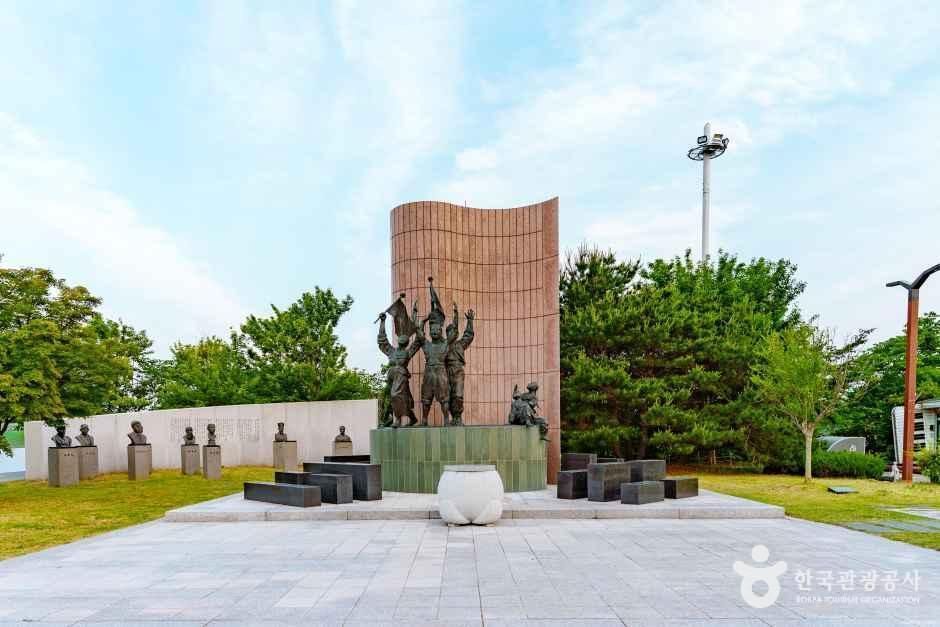
Gyeongpodae Beach & Pavilion
강릉 경포대 및 경포해변Gyeongpodae Beach & Pavilion, Gangneung, Gangwon, South Korea
Gyeongpodae Beach & Historic Pavilion is Gangneung’s premier coastal sanctuary, pairing a 6-kilometer white sand beach on the East Sea with a celebrated 14th-century wooden pavilion overlooking a n...
Morning (around 09:30-10:00)
Details→
Jeongdongjin Sunrise Beach & Hourglass
정동진 해변 및 모래시계공원Jeongdongjin Sunrise Beach & Hourglass, Gangneung, Gangwon, South Korea
Jeongdongjin is South Korea’s most legendary coastal sunrise haven, immortalized by the world’s closest train station to the sea, the record-setting One-Year Hourglass, the cliffside Sun Cruise res...
Morning (around 09:30-10:00)
Details→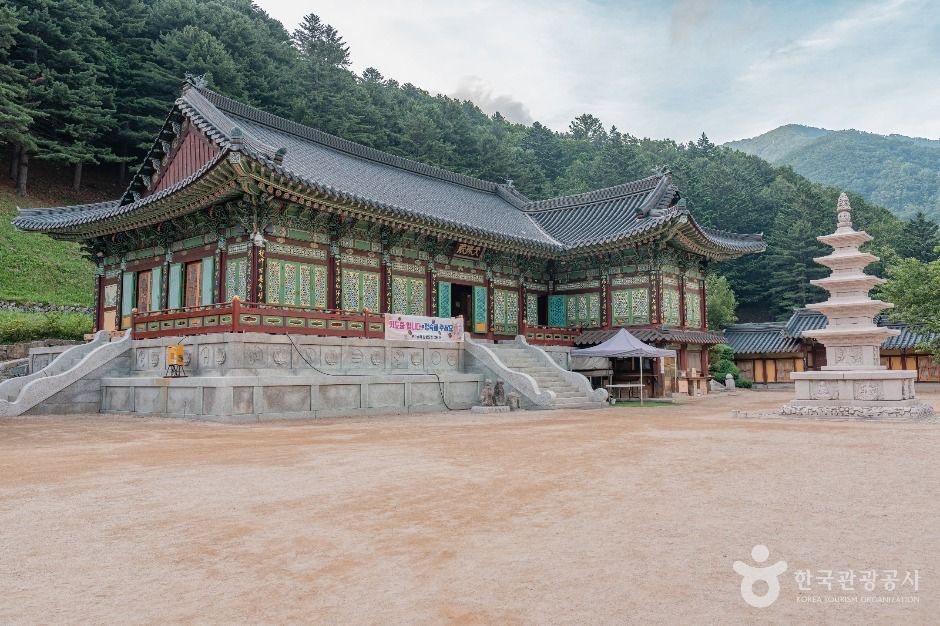
Odaesan National Park & Woljeongsa Fir Forest
오대산 월정사 전나무숲길Odaesan National Park & Woljeongsa Fir Forest, Pyeongchang, Gangwon, South Korea
Odaesan National Park and Woljeongsa Temple Fir Forest is a millennium-old Buddhist haven in Pyeongchang, famous for its 1,700 ancient needle fir trees, national treasures including the Octagonal N...
Morning (around 09:30-10:00)
Details→