Gangwon•Gangneung•Nature•Beach & Coast
Gyeongpodae Beach & Pavilion
강릉 경포대 및 경포해변
Powered by Korea Tourism OrganizationAddress: Gyeongpodae Beach & Pavilion, Gangneung, Gangwon, South Korea (강원특별자치도 강릉시 경포로 365 (저동))
Editorial review pending
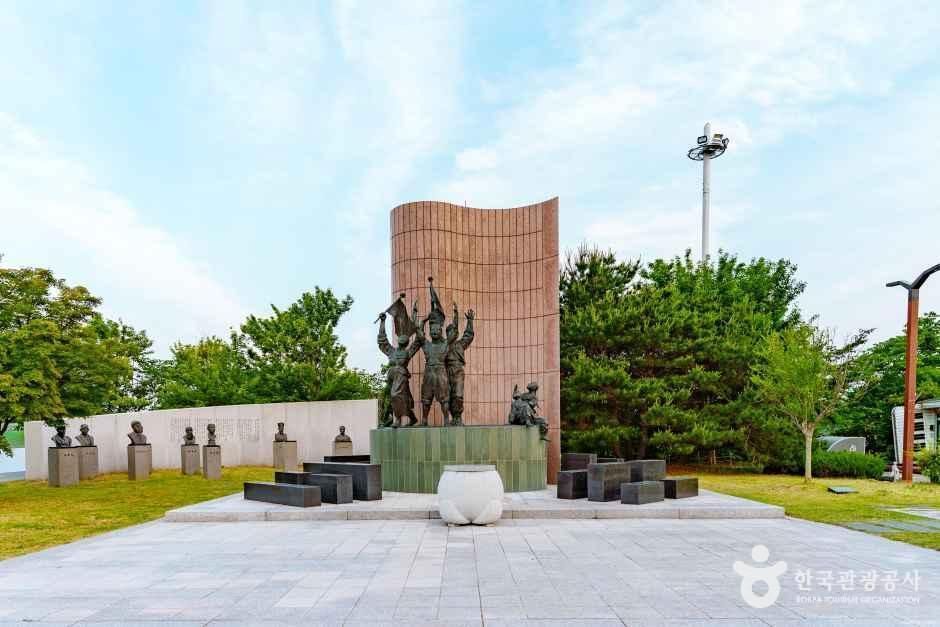
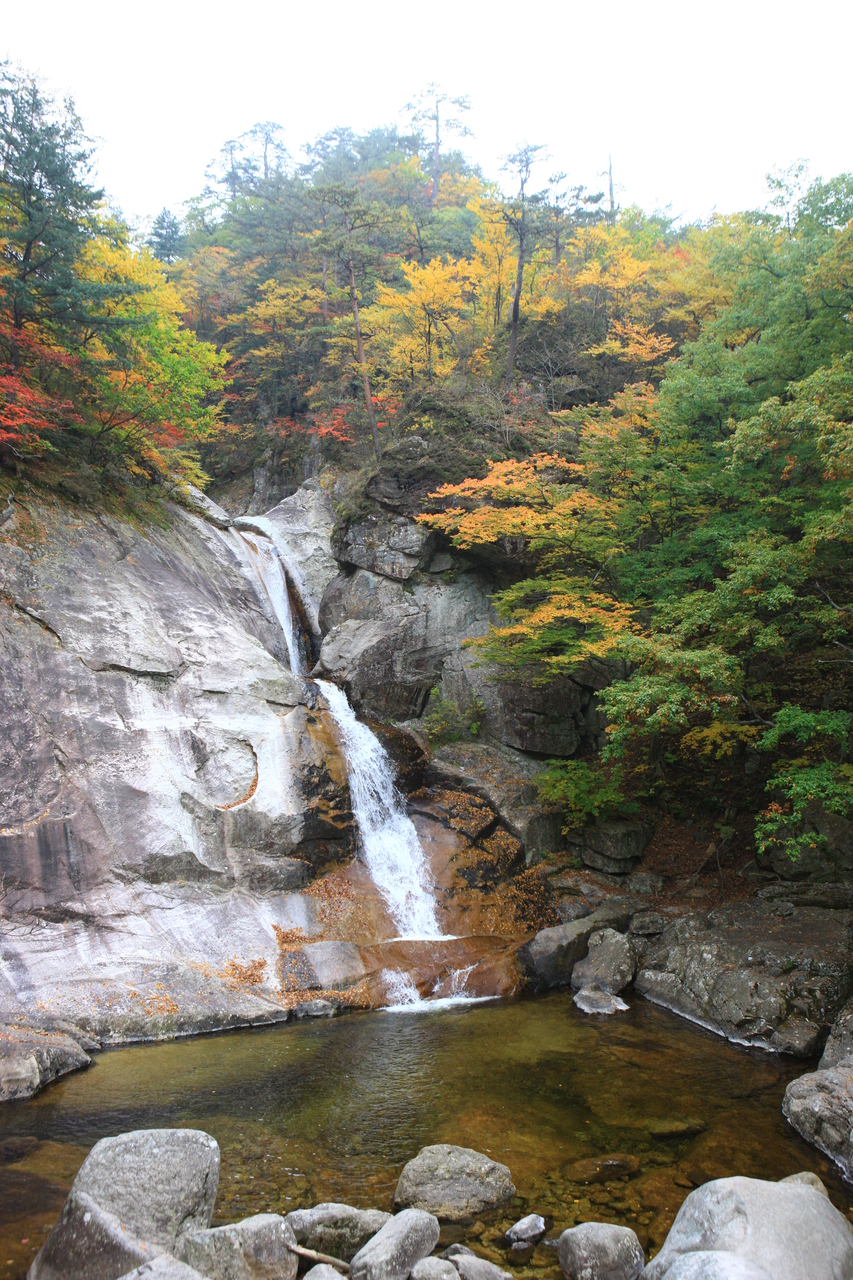
Gyeongpodae Beach & Pavilion representative scenic panoramaZoom
+1More
1 / 6
Gyeongpodae Beach & Pavilion representative scenic panorama
Curator's Guide & Overview
Comprehensive Guide1. Historical Origins & Cultural Background
Designated as National Treasure No. 2046 and revered as the foremost among the Eight Scenic Wonders of the Gwandong Region (Gwandong Palgyeong), Gyeongpodae Pavilion was initially erected in 1326 during the reign of King Chungsuk of the Goryeo Dynasty by Minister Park Suk. Relocated to its commanding hilltop ridge above Gyeongpo Lake in 1508, the pavilion overlooks an ancient natural brackish coastal lagoon, representing centuries of Korean classical poetry, Neo-Confucian scholarship, and royal contemplation.
2. Architectural Highlights & Key Structures
The wooden pavilion features an open-sided gabled roof supported by 28 massive timber pillars, framing panoramic vistas of the freshwater lake against the sapphire backdrop of the East Sea. Inside, calligraphic plaques inscribed by legendary scholar Yulgok Yi I and royal ministers adorn the eaves. Stretching 6 kilometers northeast is Gyeongpo Beach, renowned for its pristine white quartz sand and centuries-old coastal sea-pine forest (Haesong-rim) screening the shoreline.
3. Four Seasons Landscape & Seasonal Visiting Charms
Spring is celebrated with the annual Gyeongpo Cherry Blossom Festival in early April, when over 4 kilometers of blooming cherry trees wrap the entire perimeter of Gyeongpo Lake in a pink ribbon. Summer draws beachgoers from across the globe to swim in crystal-clear waters and experience late-night ocean concerts. Autumn displays fiery red maples mirroring still lagoon waters with migrating wild swans gliding across the lake. Winter showcases dramatic East Sea breakers crashing onto snow-draped golden sands under deep azure skies.
4. Operating Hours & Peak Viewing Times
Gyeongpodae Pavilion, the lake boardwalks, and the open beach are accessible 24 hours a day with free admission. The official guarded swimming season runs from early July to late August between 09:00 and 18:00. The quintessential visiting timeframe is twilight into moonrise: romantic legend holds that five moons appear at Gyeongpo—one in the night sky, one reflected in the calm lake, one on the breaking ocean waves, one shimmering in a cup of wine, and one shining in the eyes of one's beloved companion.
5. Admission Fees & Concessions (Youth/Foreigner Discounts)
Admission to Gyeongpodae Pavilion, the lake perimeter parks, and the vast sandy beach is completely free of charge. Complimentary public parking facilities are stationed along Gyeongpo-ro and directly behind the central beach entrance plazas. Rental tandem and 4-person surrey family cycles around the lake cost approximately 10,000 to 20,000 KRW per hour.
6. Public Transit & Subway Exit Directions
From Seoul Station or Cheongnyangni Station, the KTX-Eum high-speed train delivers passengers to KTX Gangneung Station in just 1 hour and 40 minutes. From Exit 1 of Gangneung Station, board city bus route 202 or 202-1 directly to the Gyeongpodae or Gyeongpo Beach stop in 20 minutes. Taxis from the station reach the beach in 12 minutes for approximately 7,500 KRW.
7. Barrier-Free Accessibility & Visitor Amenities
The shoreline promenade along Gyeongpo Beach and the 4.3-kilometer paved loop encircling Gyeongpo Lake are entirely flat and barrier-free with smooth composite decking and tactile indicators. Wooden wheelchair ramps provide step-free access onto viewing decks overlooking the sand. Accessible public restrooms and beach wheelchair mats are deployed at the central beach plaza during summer months.
8. Recommended Walking Route & Highlights Tour
Recommended 3-Hour Lake & Ocean Walk: Arrive at Gyeongpodae Pavilion and admire the historic wooden architecture and lake view → stroll along the lake boardwalk into the Gyeongpo Coastal Pine Forest → emerge onto Gyeongpo Beach for a bare-foot stroll along the white quartz sands → admire contemporary outdoor art installations at the beach plaza → rent a bicycle to loop the 4.3-kilometer lake circuit past the Lotus Wetland → finish with an early dinner at the nearby Chodang Tofu Village.
9. Local Food Specialties & Regional Flavors
Gyeongpodae is adjacent to Korea's most celebrated artisanal tofu community: Chodang Soft Tofu Village (Chodang Sundubu Maeul). Savor steaming bowls of pure white silken tofu coagulated using mineral-rich natural East Sea seawater, spicy seafood tofu hot pot (Haemul Sundubu Jjamppong), crispy potato pancakes, and spicy cold sea snails (Golbaengi-muchim). Don't miss innovative Sundubu gelato ice cream.
10. Dietary Options (Vegetarian, Halal & Allergen Guide)
Vegetarian diners will find culinary heaven in Chodang Village: pure traditional silken tofu (Baek-sundubu, coagulated with sea minerals and no meat broth), seasoned mountain greens, pan-fried organic tofu steaks, and potato pancakes. Beachfront cafes along the coastal drive serve plant-based oat milk lattes, organic herbal teas, and vegan desserts with ocean views.
11. Signature Photo Spots & Golden Hour Lighting
Premier photo spots: framing the sapphire East Sea horizon between the 28 historic timber pillars of Gyeongpodae Pavilion, posing beneath the arching cherry blossom canopy along the lake perimeter road in April, capturing the giant red wooden letters spelling 'GYEONGPO' on the beach sand at sunrise, and capturing the setting sun reflecting gold across Gyeongpo Lake.
12. Visitor Etiquette & Cultural Property Regulations
To protect coastal water quality and sand dunes, camping, cooking, and setting off unauthorized fireworks are strictly forbidden on the public beach. Swimming outside marked safety zones or during high-surf red-flag advisories is strictly prohibited. Smoking is prohibited on all boardwalks and pavilions. Leashed pets are welcomed along the paved promenades.
13. Safety Precautions & 1330 Tourism Hotline Support
The Gyeongpo Tourist Information Center at the beach plaza operates daily with multilingual guides, first-aid supplies, and lost-child services. Ocean coast guard stations and lifeguards patrol the shoreline. For inquiries or interpretation support, call the Gangneung Tourism Information Center at 033-640-4414 or dial 1330.
14. Nearby Connected Attractions & Walking Links
Gyeongpo Beach connects directly south to Gangmun Beach and the Anmok Beach Coffee Street, while the historic Joseon-era noble estate Seongyojang and Yulgok Yi I's birthplace Ojukheon are located just 5 minutes inland by car.
15. Frequently Asked Questions (FAQ)
Q: How far is Gyeongpo Lake from the beach? A: They are immediately adjacent, separated only by a narrow 100-meter sandy coastal sandbar forested with historic sea pines, allowing travelers to walk easily between the tranquil freshwater lake and the crashing ocean surf in less than 2 minutes.
16. Regional Extended Day Trip Itinerary
Gangneung Coastal & Heritage Day Tour: Morning KTX from Seoul to Gangneung → visit Ojukheon and Seongyojang noble estate → Chodang soft tofu village lunch → afternoon stroll around Gyeongpo Lake and Gyeongpodae Pavilion → sunset walk along Gyeongpo Beach → evening coffee at Anmok Coffee Street → return KTX to Seoul.
Essential Visitor Facts
Operating Hours
Beach grounds & Pavilion open 24/7 year-round (Swimming season July - August: 09:00 - 18:00)
Admission / Price
Free Public Admission
Closed Days
Open 365 Days
Best Time to Visit
Morning (around 09:30-10:00)
Transit & Access Directions
From KTX Gangneung Station Exit 1, take City Bus 202 or 202-1 directly to Gyeongpodae or Gyeongpo Beach terminal (approx. 20 mins)
Accessibility & Special Amenities
Wheelchair ramps, tactile paving, accessible restrooms
Location Coordinates
Latitude: 37.7985
Longitude: 128.8965
Discover Themes & Highlights
Key interest areas and cultural highlights:
#gyeongpodae-pavilion-beach#VisitGangwon#KoreaTravelAtlas
Community Traveler Reviews0 Reviews
Visitor tips, feedback, and questions submitted by real travelers.
No community reviews submitted yet. Be the first traveler to share your experience!
Connected Cultural Destinations
Handpicked nearby attractions and regional cultural highlights.

Gyeongbokgung Palace
경복궁Gyeongbokgung Palace, Seoul, South Korea
Gyeongbokgung Palace is the grandest royal palace of the Joseon Dynasty, established in 1395 in northern Seoul. Framed by Mount Baegaksan, its majestic grounds encompass Geunjeongjeon Throne Hall, ...
HalalMorning (around 09:30-10:00)
Details→
Naksansa Ocean Cliff Temple
양양 낙산사Naksansa Ocean Cliff Temple, Yangyang, Gangwon, South Korea
Naksansa Temple is a breathtaking 1,300-year-old Buddhist sanctuary perched atop the rocky coastal cliffs of Mount Obong in Yangyang, celebrated for the colossal 16-meter Haesu Gwaneum Daebul statu...
Morning (around 09:30-10:00)
Details→
Jeongdongjin Sunrise Beach & Hourglass
정동진 해변 및 모래시계공원Jeongdongjin Sunrise Beach & Hourglass, Gangneung, Gangwon, South Korea
Jeongdongjin is South Korea’s most legendary coastal sunrise haven, immortalized by the world’s closest train station to the sea, the record-setting One-Year Hourglass, the cliffside Sun Cruise res...
Morning (around 09:30-10:00)
Details→
Anbandeok Highland Rye Plateau
강릉 안반데기Anbandeok Highland Rye Plateau, Gangneung, Gangwon, South Korea
Gangneung Anbandeok is South Korea’s highest inhabited alpine agricultural plateau at 1,100 meters above sea level, famous for boundless emerald cabbage fields, giant white wind turbines, and world...
Morning (around 09:30-10:00)
Details→