Gangwon•Yangyang•Heritage•Buddhist Temple
Naksansa Ocean Cliff Temple
양양 낙산사
Powered by Korea Tourism OrganizationAddress: Naksansa Ocean Cliff Temple, Yangyang, Gangwon, South Korea (강원특별자치도 양양군 강현면 낙산사로 100 (전진리))
Editorial review pending

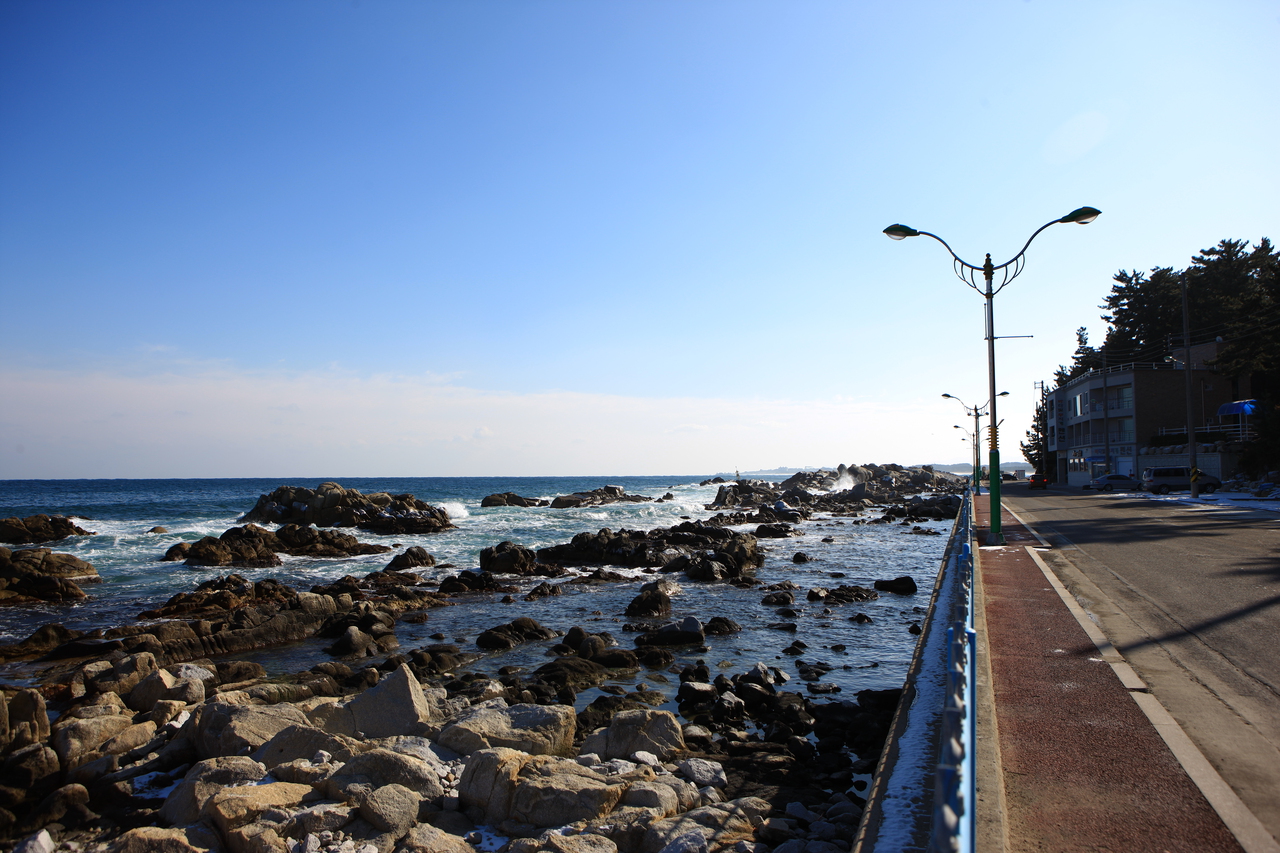
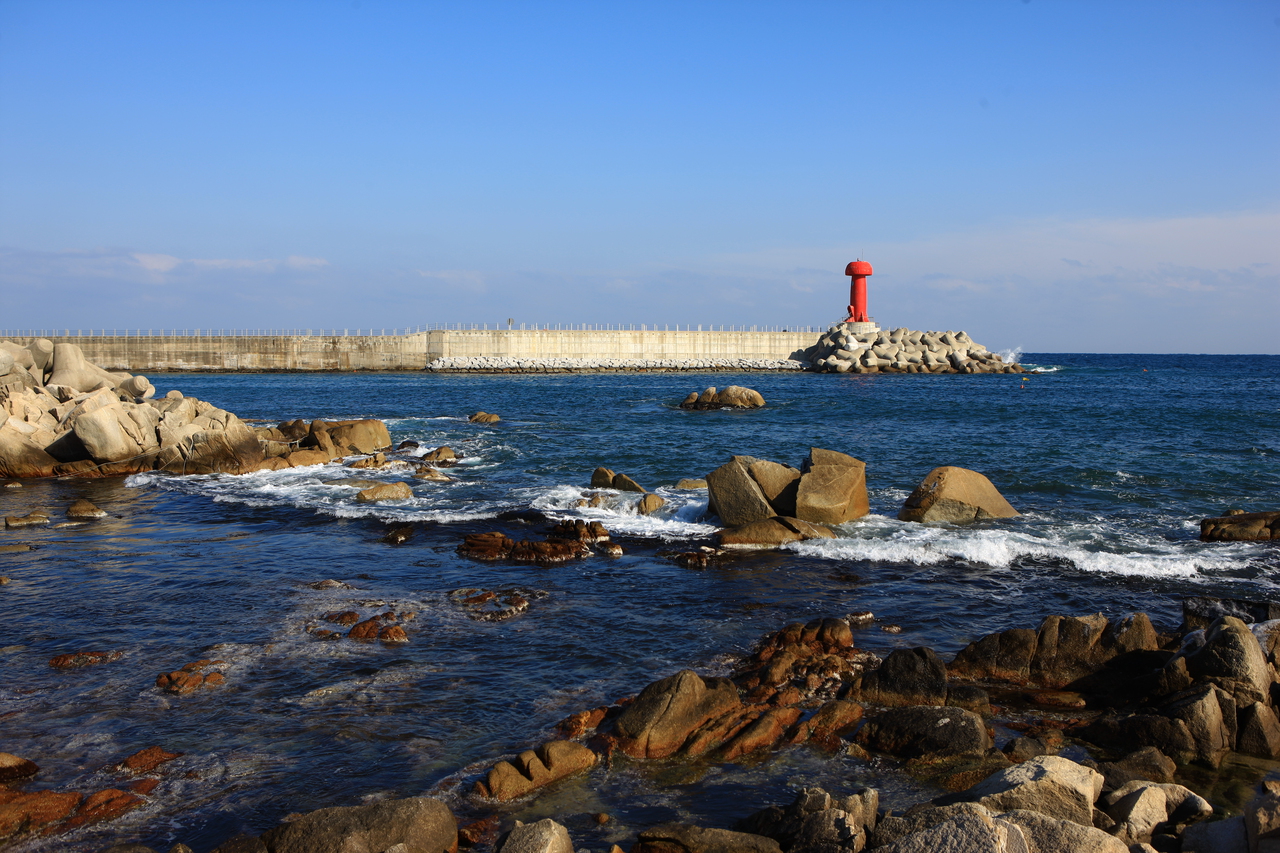
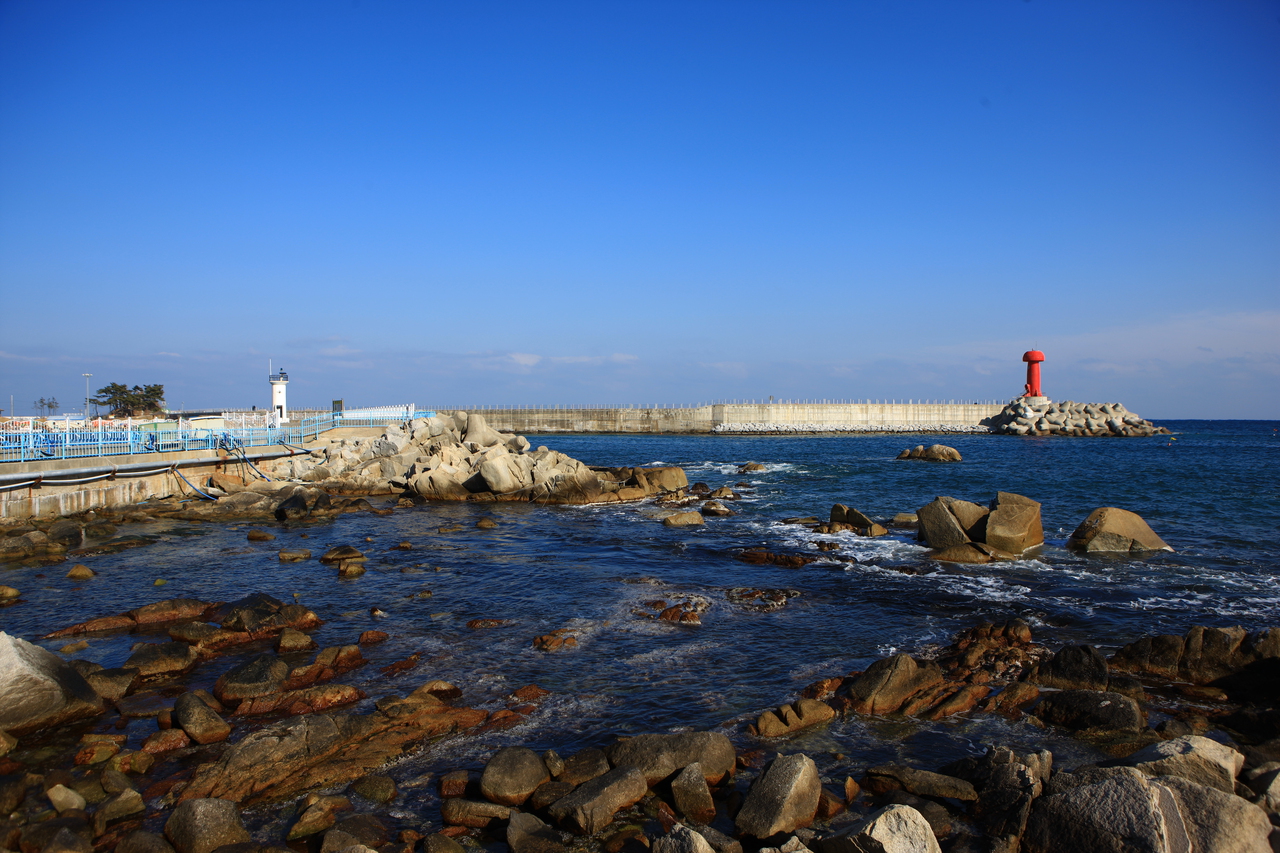
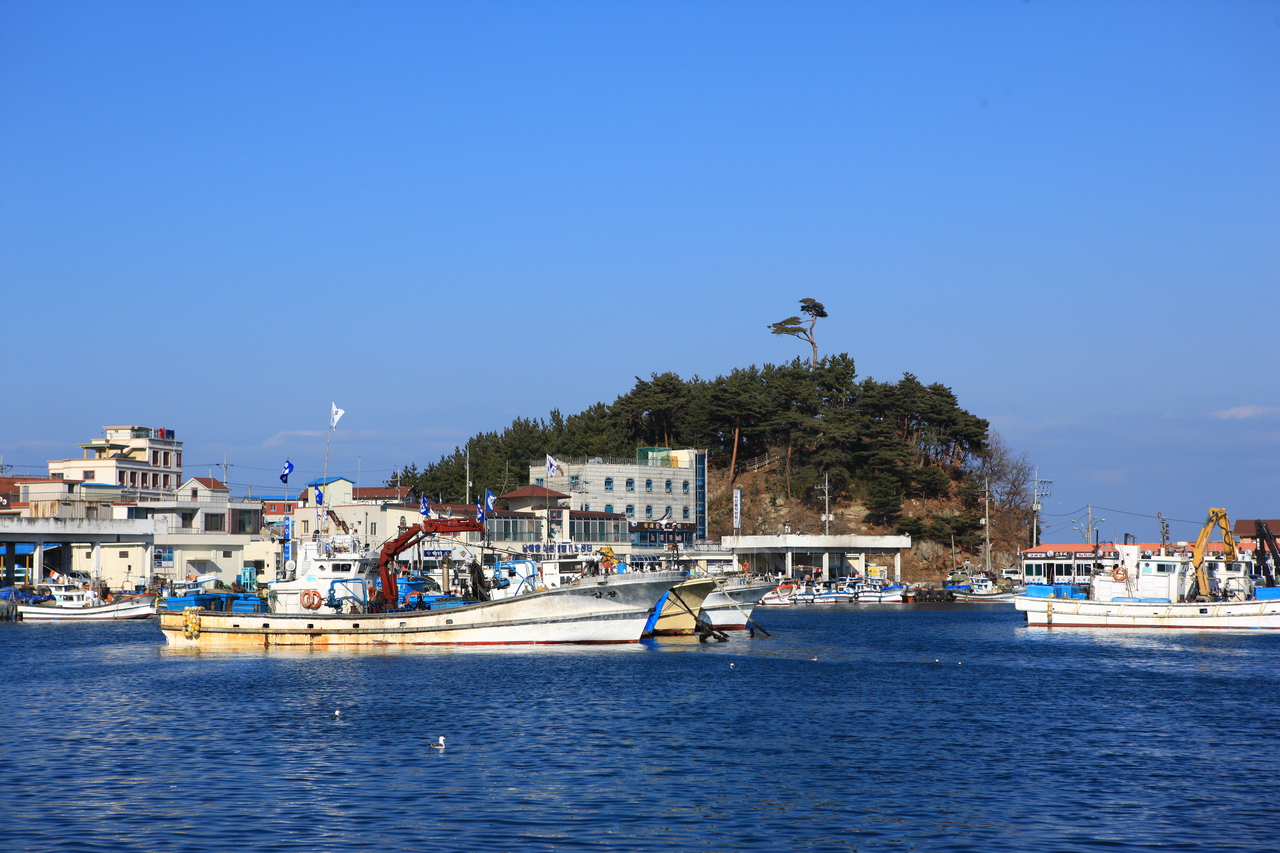
Naksansa Ocean Cliff Temple representative scenic panoramaZoom
+1More
1 / 6
Naksansa Ocean Cliff Temple representative scenic panorama
Curator's Guide & Overview
Comprehensive Guide1. Historical Origins & Cultural Background
Founded in 671 AD by the venerable Great Master Uisang during the reign of King Munmu of the Silla Dynasty, Naksansa Temple is revered as one of South Korea's three supreme Avalokiteshvara (Gwaneum) Bodhisattva pilgrimage sanctuaries. According to ancient lore, Master Uisang meditated in a seaside cave until the Bodhisattva of Compassion revealed herself upon a red lotus floating on ocean waves, prompting the construction of this legendary coastal monastic citadel atop Mount Obong overlooking the East Sea.
2. Architectural Highlights & Key Structures
The temple complex stretches across dramatic pine-covered bluffs, featuring architectural marvels: the colossal 16-meter-tall granite Haesu Gwaneum Daebul (Seawater Avalokiteshvara Buddha), standing gracefully upon a lotus pedestal gazing eternally out to sea; Uisangdae Pavilion, perched dramatically on a vertical ocean cliff edge; Hongryeonam Hermitage, built on a sea-cliff floor with a small glass floor aperture revealing crashing waves below; the historic Seven-Story Stone Pagoda (Treasure No. 499); and the restored Wontongbojeon Hall.
3. Four Seasons Landscape & Seasonal Visiting Charms
Spring brings blooming cherry blossoms and pink azaleas softening the granite cliff paths alongside fragrant wild coastal pines. Summer offers ocean breezes whispering through the temple eaves and lotus flowers blooming in the central Bojeon reflection pond. Autumn frames the blue ocean in crimson maples and golden ginkgoes during temple sunrise meditations. Winter covers the curved Buddhist rooftops and cliff rocks in dazzling white snow, contrasting dramatically with the sapphire winter swells.
4. Operating Hours & Peak Viewing Times
Naksansa is open 365 days a year from 06:00 in the early dawn until 19:30 in the evening (last entry at 18:30). The quintessential visiting timeframe is dawn: witnessing the fiery red morning sun rise out of the East Sea directly behind Uisangdae Pavilion or standing at the feet of Haesu Gwaneum Daebul is acclaimed as one of the most spiritually sublime experiences on the Korean peninsula.
5. Admission Fees & Concessions (Youth/Foreigner Discounts)
Admission to Naksansa Temple and its clifftop pavilions is completely free of charge. Generous multi-tier parking lots located at the front gate (near Naksan Beach) and the rear gate (near Uisangdae) charge a standard fee of 4,000 KRW for passenger vehicles. Automated English kiosks and information counters operate at both entrances.
6. Public Transit & Subway Exit Directions
From Seoul (Express Bus Terminal or Dong Seoul), take a high-speed express bus to Yangyang Intercity Bus Terminal in approximately 2 hours. From Yangyang Terminal, transfer to local bus route 9 or 9-1 directly to the Naksansa Temple stop in just 10 minutes. Alternatively, taxis from Yangyang town center reach the temple in 8 minutes for around 8,000 KRW.
7. Barrier-Free Accessibility & Visitor Amenities
Extensively restored with universal accessibility pathways, the main road from the rear entrance up to Uisangdae and along the ridge to the Haesu Gwaneum Daebul statue is surfaced with smooth pavement and gentle earthen paths accessible for assisted wheelchairs and strollers. The cliffside descent down to Hongryeonam Hermitage has stone stairways where caution is required. Wheelchairs can be borrowed free of charge at the ticket pavilions.
8. Recommended Walking Route & Highlights Tour
Recommended 2.5-Hour Coastal Pilgrim Route: Enter via the Rear Gate near Uisangdae → walk out onto the cliff-edge Uisangdae Pavilion to take in panoramic ocean breaker views → follow the cliff boardwalk to Hongryeonam Hermitage and look through the floor window at crashing waves → ascend the forested pine trail to the summit plateau → marvel at the 16-meter Haesu Gwaneum Daebul statue → strike the bronze bell of peace → visit the Seven-Story Stone Pagoda and Wontongbojeon Hall → stroll past the Lotus Pond.
9. Local Food Specialties & Regional Flavors
Yangyang and Naksan Port are legendary for maritime delicacies: savor freshly harvested Wild Songi Mushroom beef hot pot (Yangyang Songi-jeongol), boiling spicy Rockfish soup (Wooreok Maeuntang), charcoal-grilled seasonal seafood, tender water-boiled pork belly (suyuk), and cold buckwheat Makguksu noodles seasoned with wild perilla oil.
10. Dietary Options (Vegetarian, Halal & Allergen Guide)
As a premier Buddhist monastery, Naksansa provides free cups of warm traditional roasted barley and Solomon's seal tea to all visitors at the Tea Rest Pavilion. Nearby village dining rooms offer pure vegetarian wild mountain herb bibimbap, crispy potato pancakes, and soybean paste stew made with mountain vegetables.
11. Signature Photo Spots & Golden Hour Lighting
Premier photo spots: standing on the observation plaza looking up at the 16-meter Haesu Gwaneum Daebul statue framed by the infinite blue ocean horizon, capturing the fiery red dawn sun rising behind the wooden eaves of Uisangdae Pavilion, and photographing Hongryeonam Hermitage clinging to the rocky ocean cliff as waves crash against sea caves below.
12. Visitor Etiquette & Cultural Property Regulations
Maintain solemn reverence and silence throughout the sacred prayer grounds. Do not run or speak loudly near meditating monks and worshipers. Smoking and alcohol are strictly prohibited across all forested temple zones. Pets are not permitted inside temple grounds. Photography inside shrine halls during active prayer chanting is prohibited.
13. Safety Precautions & 1330 Tourism Hotline Support
The Naksansa Temple Stay Information Center houses multilingual monastics, first-aid supplies, and an emergency defibrillator. Monks and security rangers patrol the cliff boardwalks continuously. For inquiries about Temple Stay bookings or visiting guidelines, call the temple office at 033-672-2447 or dial the 1330 Korea Travel Hotline.
14. Nearby Connected Attractions & Walking Links
Naksansa directly overlooks the golden sands of Naksan Beach to the south, while the trendy surfing capital of Korea—Hajodae and Surfyy Beach—sits just 15 minutes south along the Yangyang coastal scenic road.
15. Frequently Asked Questions (FAQ)
Q: What is unique about Hongryeonam Hermitage? A: Hongryeonam is built directly atop an ocean sea cave; inside the prayer hall, a small glass window in the wooden floor allows worshipers to look directly down into the surging sea waves crashing into the cavern 15 meters below.
16. Regional Extended Day Trip Itinerary
Yangyang Sacred Coast & Ocean Sunrise Day Route: Dawn arrival at Naksansa Temple to watch the sunrise from Uisangdae Pavilion → walk to Haesu Gwaneum Daebul statue and Hongryeonam → free temple herbal tea tasting → fresh seafood and songi mushroom lunch at Naksan Port → afternoon stroll along Naksan Beach → visit Surfyy Beach.
Essential Visitor Facts
Operating Hours
Open 365 Days Daily 06:00 - 19:30 (Last admission at 18:30); Free admission to all temple grounds
Admission / Price
Free Admission (Parking: 4,000 KRW per day)
Closed Days
Closed on Mondays/Tuesdays
Best Time to Visit
Morning (around 09:30-10:00)
Transit & Access Directions
From Yangyang Intercity Bus Terminal take City Bus 9 or 9-1 to Naksansa Temple entrance stop (approx. 10 mins)
Accessibility & Special Amenities
Wheelchair ramps, tactile paving, accessible restrooms
Location Coordinates
Latitude: 38.1252
Longitude: 128.6285
Discover Themes & Highlights
Key interest areas and cultural highlights:
#naksansa-temple-yangyang#VisitGangwon#KoreaTravelAtlas
Community Traveler Reviews0 Reviews
Visitor tips, feedback, and questions submitted by real travelers.
No community reviews submitted yet. Be the first traveler to share your experience!
Connected Cultural Destinations
Handpicked nearby attractions and regional cultural highlights.

Gyeongbokgung Palace
경복궁Gyeongbokgung Palace, Seoul, South Korea
Gyeongbokgung Palace is the grandest royal palace of the Joseon Dynasty, established in 1395 in northern Seoul. Framed by Mount Baegaksan, its majestic grounds encompass Geunjeongjeon Throne Hall, ...
HalalMorning (around 09:30-10:00)
Details→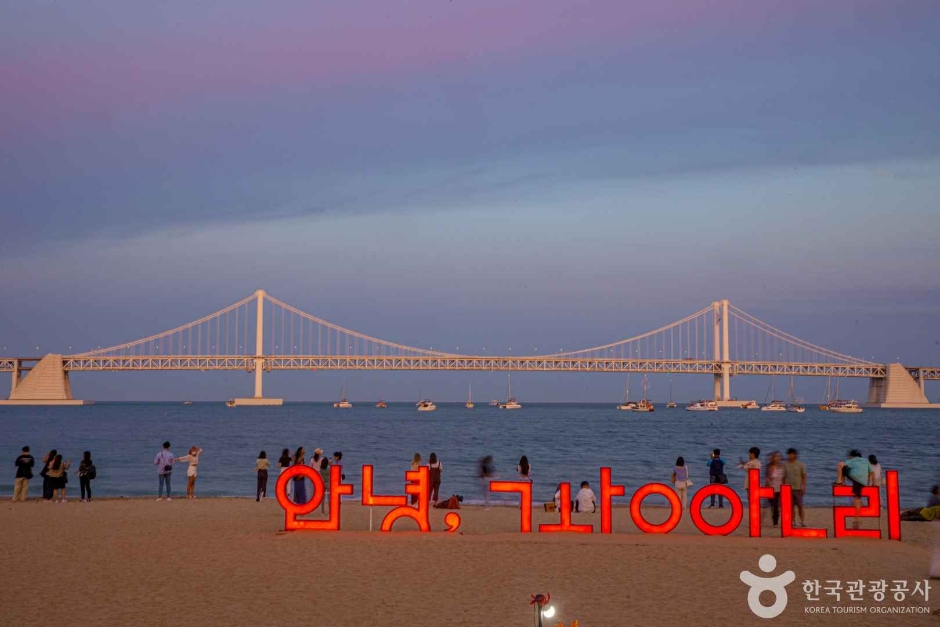
Gwangalli Beach & Gwangan Bridge
광안리해수욕장219 Gwanganhaebyeon-ro, Suyeong-gu, Busan
Gwangalli Beach, curving gracefully in Suyeong-gu, Busan, is renowned for its sweeping vistas of the monumental 7.42-kilometer Gwangan Grand Bridge (Diamond Bridge) spanning the ocean horizon. Frin...
HalalMorning (around 09:30-10:00)
Details→
Gyeongpodae Beach & Pavilion
강릉 경포대 및 경포해변Gyeongpodae Beach & Pavilion, Gangneung, Gangwon, South Korea
Gyeongpodae Beach & Historic Pavilion is Gangneung’s premier coastal sanctuary, pairing a 6-kilometer white sand beach on the East Sea with a celebrated 14th-century wooden pavilion overlooking a n...
Morning (around 09:30-10:00)
Details→
Jeongdongjin Sunrise Beach & Hourglass
정동진 해변 및 모래시계공원Jeongdongjin Sunrise Beach & Hourglass, Gangneung, Gangwon, South Korea
Jeongdongjin is South Korea’s most legendary coastal sunrise haven, immortalized by the world’s closest train station to the sea, the record-setting One-Year Hourglass, the cliffside Sun Cruise res...
Morning (around 09:30-10:00)
Details→