Busan•Nightlife•Sunset & Night View Spot
Gwangalli Beach
광안리해수욕장
Powered by Korea Tourism OrganizationAddress: 219 Gwanganhaebyeon-ro, Suyeong-gu, Busan (부산광역시 수영구 광안해변로 219 (광안동))
Editorial review pending
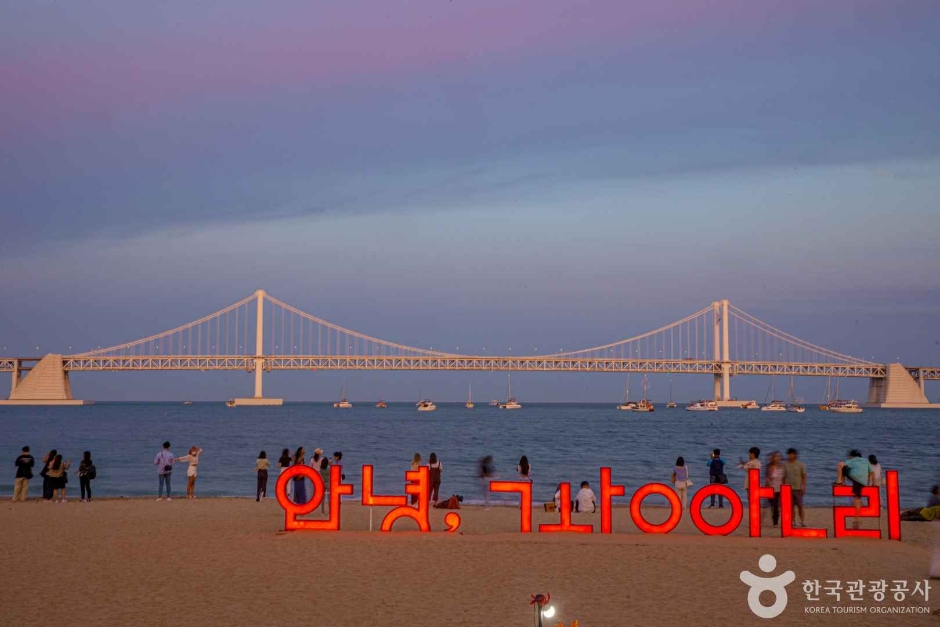
Gwangalli Beach representative scenic panoramaZoom


+1More
1 / 6
Gwangalli Beach representative scenic panorama
Curator's Guide & Overview
Comprehensive Guide1. Historical Origins & Cultural Background
Gwangalli Beach is a crescent-shaped urban beach in Suyeong-gu, Busan, historically famous for its fine powdery white sand and clean waters where a thriving coastal fishing village flourished. In January 2003, with the completion of the 7.42-kilometer double-deck Gwangan Bridge (Diamond Bridge) spanning the open sea, Gwangalli transformed into South Korea's premier seaside lifestyle hub, celebrated for its electrifying fusion of coastal recreation, modern architecture, and vibrant oceanfront night culture.
2. Architectural Highlights & Key Structures
The defining centerpiece of Gwangalli is the suspension superstructure of Gwangan Bridge, spanning the horizon with thousands of cutting-edge interactive LED fixtures. Along the 1.4-kilometer beachfront promenade, key architectural nodes include Millak Raw Fish Town (one of Korea's largest raw fish wholesale exchanges), 'Millac the Market' (a multi-tiered cultural and artisanal dining complex occupying a renovated shipping terminal), and modern oceanfront glass cafes.
3. Four Seasons Landscape & Seasonal Visiting Charms
Spring invites coastal joggers and stand-up paddleboarders (SUP) across calm waters. Summer opens the swimming season with beach volleyball tournaments, sea fountains, and live music festivals. In autumn, Gwangalli hosts the internationally renowned 'Busan Fireworks Festival', attracting over one million spectators to marvel at pyrotechnics cascading from Gwangan Bridge. Winter introduces romantic beach lighting installations and annual sunrise festivities.
4. Operating Hours & Peak Viewing Times
The beach and shoreline pedestrian boulevard remain open 24 hours daily year-round. The premier visiting window is between 18:30 and 21:00 during golden hour and twilight. Sunset paints the sky in shades of violet and crimson behind the high-rises, while the bridge floodlights burst into color. Every Saturday night, the acclaimed 'Gwangalli M Drone Light Show' launches 600 to 2,000 synchronized drones into the night sky (20:00/22:00 in summer; 19:00/21:00 in winter).
5. Admission Fees & Concessions (Youth/Foreigner Discounts)
Beach entry, boardwalk strolling, and the weekly Saturday Drone Light Show are entirely free of charge. During the summer swimming season, public shower and changing rooms are available for a nominal fee of approximately 2,000 KRW. Local water sports centers along the beach provide discount packages for youth and international tourists for SUP board rentals and introductory lessons.
6. Public Transit & Subway Exit Directions
Take Busan Subway Line 2 to Gwangan Station and leave via Exit 3 or Exit 5. Walk straight south down Gwangan-ro for approximately 10 minutes (700 meters) to arrive directly at the central beach plaza. For the southern end of the beach, disembark at Geumnyeonsan Station (Line 2, Exit 1 or 3) for a shorter 5-minute walk.
7. Barrier-Free Accessibility & Visitor Amenities
The coastal promenade is paved with broad, step-free granite pavers, allowing smooth navigation for manual and motorized wheelchairs and baby strollers. During the peak summer season, accessible beach mats are installed across the sand, providing direct wheelchair access toward the water's edge. Accessible restrooms and low-gradient foot-washing stations are situated at regular intervals.
8. Recommended Walking Route & Highlights Tour
Gwangan Station Exit 3 → Central Gwangalli Beach Plaza → Photograph the 'GWANGALLI' typographic monument → Relax at an oceanfront terrace cafe along Cafe Street → Walk east toward Millac the Market cultural hub → Fresh sashimi selection at Millak Raw Fish Town → Saturday Night Drone Light Show from the beach (approx. 2.5 to 3 hours).
9. Local Food Specialties & Regional Flavors
Savor freshly prepared live flounder and sea bream sashimi sliced on-site at Millak Raw Fish Town, sweet charcoal-grilled marinated beef at 'Eonyang Bulgogi Busan Main Branch', traditional rich Busan dwaeji gukbap (pork soup), and locally crafted microbrewery IPAs paired with grilled clams on outdoor open-air decks.
10. Dietary Options (Vegetarian, Halal & Allergen Guide)
Gwangalli Cafe Street features specialty vegan bakeries, organic smoothie bowl bars, and plant-based Italian bistros. Within a short walk along the main strip, international visitors will find halal-friendly Turkish kebab houses, Indian curry restaurants, and seafood-focused Korean menus with English dietary guides.
11. Signature Photo Spots & Golden Hour Lighting
The prime photo opportunity is framing the white 'GWANGALLI' lettering sculpture on the sand with the iconic suspension towers of Gwangan Bridge centered in the background. During the 30-minute blue hour immediately following sunset, the mirror-like tidal flats reflect the shimmering LED lights of the bridge, producing spectacular long-exposure images.
12. Visitor Etiquette & Cultural Property Regulations
Pitching overnight camping tents or shading structures on the beach is restricted outside designated zones. Smoking is strictly banned across the entire shoreline. Individual fireworks and pyrotechnics are prohibited by law on public beaches for pedestrian safety. Please deposit all beverage cups and rubbish into coastal recycling receptacles.
13. Safety Precautions & 1330 Tourism Hotline Support
Swim only within designated lifeguarded zones marked by yellow safety buoys during summer swimming hours. In the event of typhoon warnings or high swells, beach access is closed. The Gwangalli 119 Water Rescue Squad and Summer Police Office (051-610-4180) handle beach emergencies. For 24/7 multilingual telephone translation, call 1330.
14. Nearby Connected Attractions & Walking Links
Walking east past Millak Waterside Park connects directly along the Suyeonggang River trail to Centum City, home to Shinsegae Department Store (the world's largest department store) and the Busan Cinema Center within 20 minutes. Igidae Coastal Walk and the Oryukdo Skywalk are a 15-minute taxi ride south.
15. Frequently Asked Questions (FAQ)
- Q: When does the drone show take place?
A: Every Saturday night, two shows are held: at 20:00 and 22:00 (March–September) and 19:00 and 21:00 (October–February), subject to wind and weather conditions.
- Q: Where is public parking located?
A: Public parking lots are available near Gwangan Beach and Millak Waterside Park; however, they fill quickly on weekends, making Subway Line 2 strongly recommended.
16. Regional Extended Day Trip Itinerary
Afternoon: Centum City shopping and Spa Land relaxation → Explore Millac the Market creative shops → Gwangalli beachfront coffee terrace → Dinner: Charcoal Eonyang bulgogi or fresh seafood sashimi → Night: Saturday Drone Light Show and craft beer by the illuminated bridge.
Essential Visitor Facts
Operating Hours
Open 24/7 Year-Round (Gwangalli M Drone Light Show every Saturday: Winter 19:00 & 21:00 / Summer 20:00 & 22:00)
Admission / Price
Free Public Beach Entry
Closed Days
Open 365 Days
Best Time to Visit
Morning (around 09:30-10:00)
Transit & Access Directions
Busan Metro Line 2, Geumnyeonsan Station, Exit 1 or 3, or Gwangan Station, Exit 3 or 5 (10 min walk, 700m toward beach)
Accessibility & Special Amenities
Wheelchair ramp connects coastal promenade directly to beach sand mats during summer season.
✓ Halal Options Nearby
Location Coordinates
Latitude: 35.1532
Longitude: 129.1189
Discover Themes & Highlights
Key interest areas and cultural highlights:
#gwangalli-beach#VisitBusan#KoreaTravelAtlas
Community Traveler Reviews0 Reviews
Visitor tips, feedback, and questions submitted by real travelers.
No community reviews submitted yet. Be the first traveler to share your experience!
Practical Guides: Busan
Busan
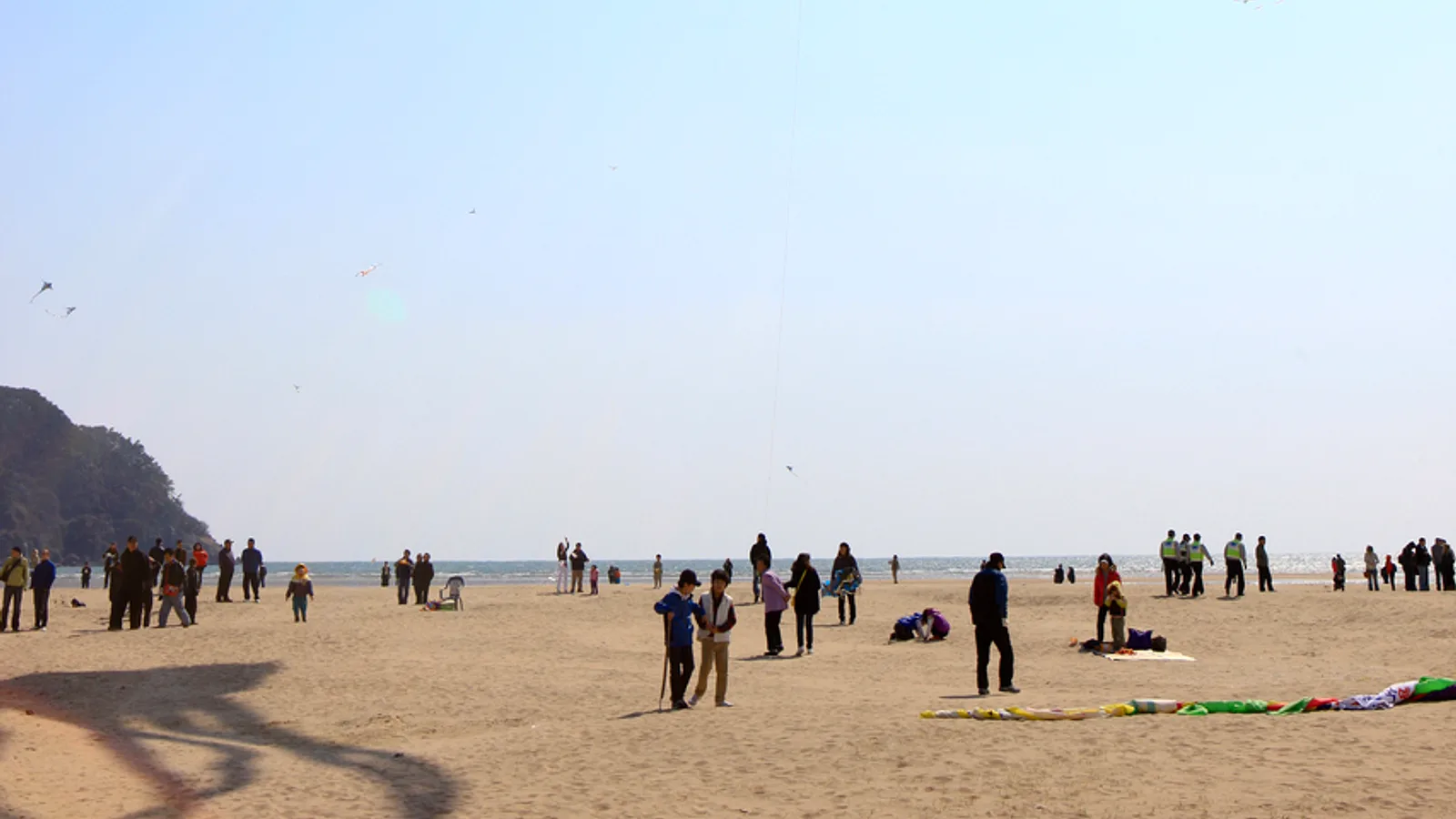
Eulsukdo and the Nakdong River Estuary: Wetlands, Birds and Bike Paths in Busan
Eulsukdo, a bird sanctuary island at the mouth of the Nakdong River in Busan, offers reed beds, seasonal waterbirds and flat bike paths, and pairs well with Dadaepo Beach.
Busan
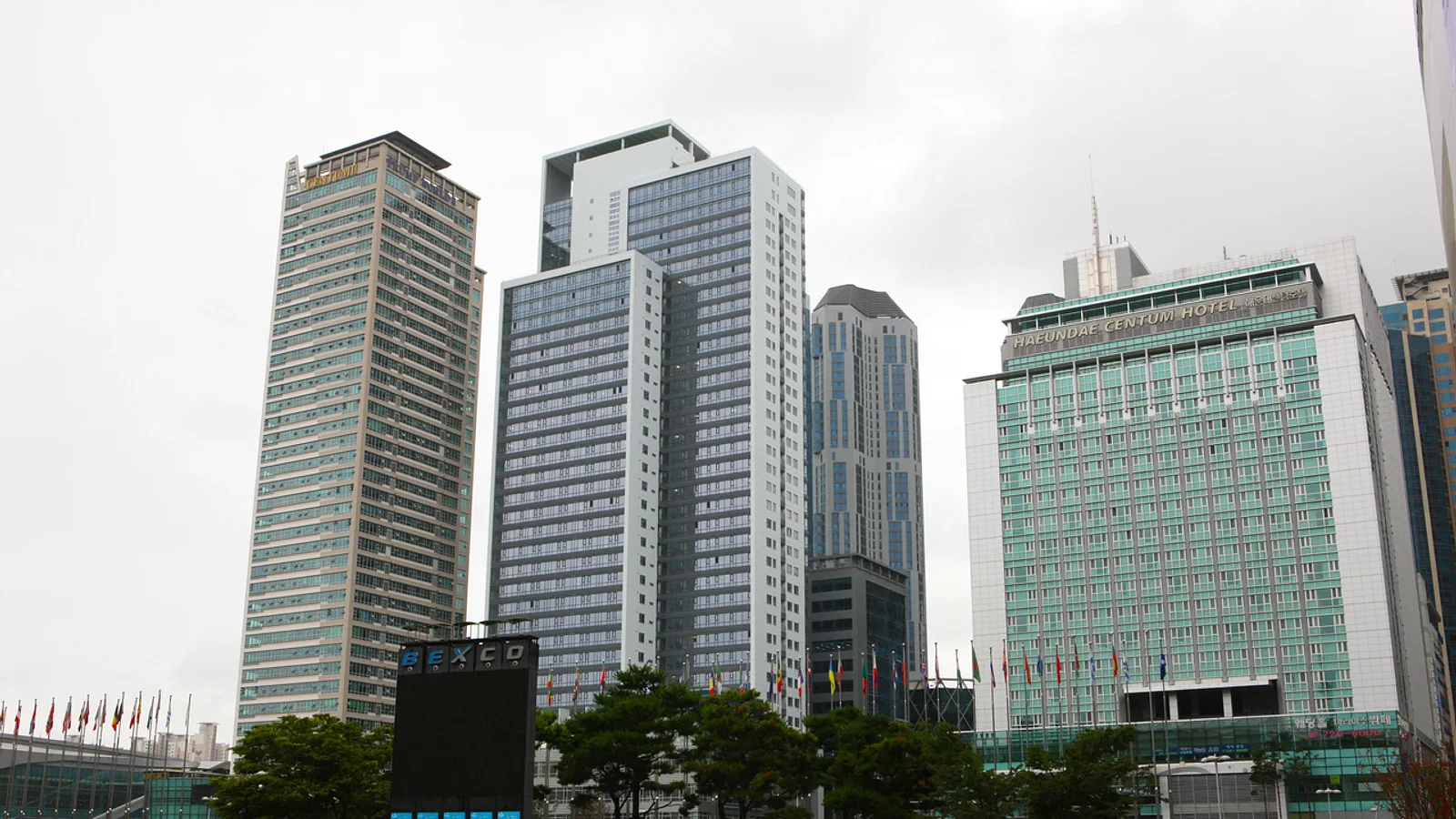
Busan Culture Day: Busan Museum of Art, Museum of Contemporary Art and F1963
A practical plan for a culture-focused day in Busan, combining Busan Museum of Art with its Lee Ufan Space, the Museum of Contemporary Art Busan on Eulsukdo, and the F1963 culture complex.
Busan
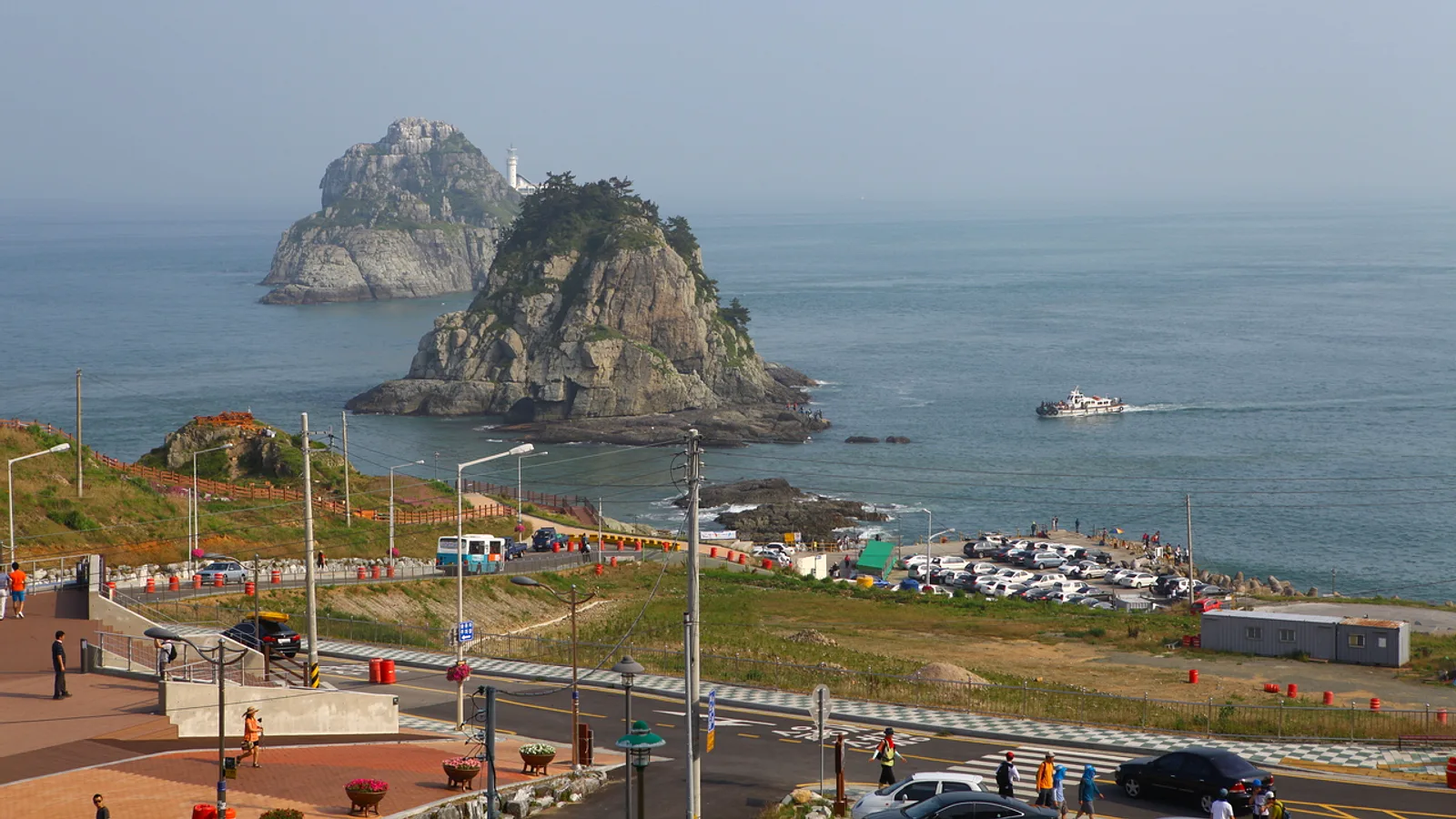
Igidae Coastal Walk in Busan: Cliff Trail, Oryukdo and the Marine City Skyline
A practical guide to Igidae Park's cliff-top trail in Busan, covering the route to the Oryukdo Skywalk, the view of Haeundae's towers, getting there by bus, and what to wear.
Connected Cultural Destinations
Handpicked nearby attractions and regional cultural highlights.

Gamcheon Culture Village
감천문화마을203 Gamnae 2-ro, Saha-gu, Busan
Gamcheon Culture Village in Saha-gu, Busan, is a vibrant hillside community celebrated as "Korea's Santorini" or "Machu Picchu of Busan" for its terraced rows of pastel-hued residences clinging to ...
HalalMorning (around 09:30-10:00)
Details→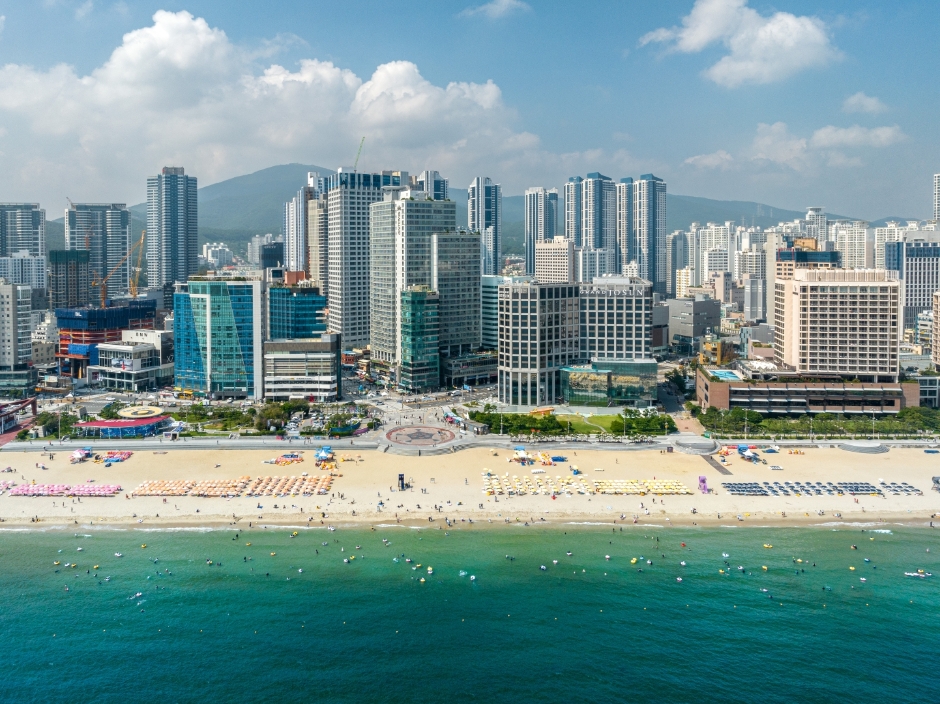
Haeundae Beach
해운대해수욕장Haeundae Beach, Busan, South Korea
Haeundae Beach is South Korea’s most celebrated coastal seaside destination, stretching for 1.5 kilometers of soft golden sand along Busan’s southeastern shoreline. Backed by modern skyscrapers, se...
HalalMorning (around 09:30-10:00)
Details→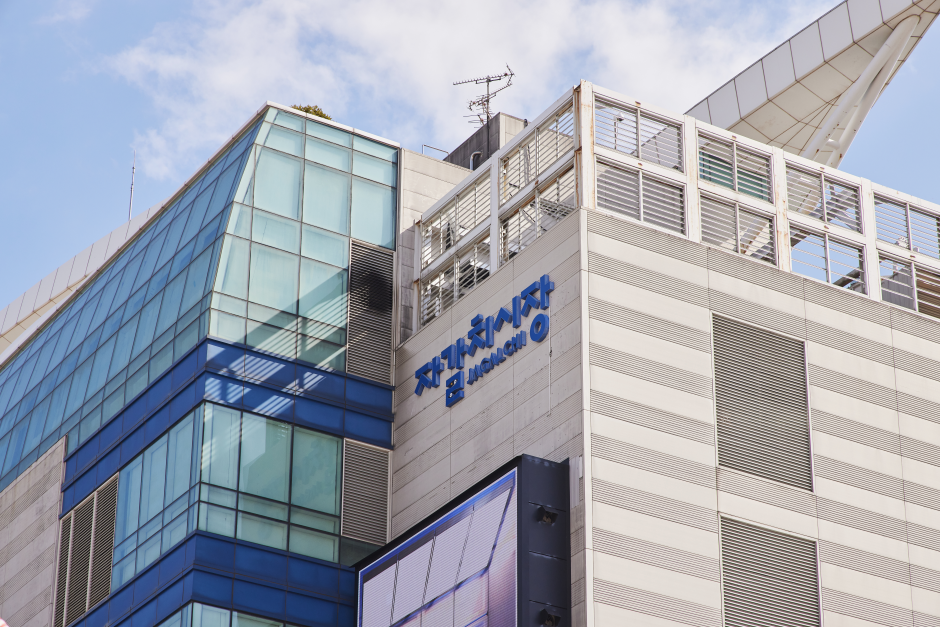
Jagalchi Fish Market
자갈치시장Jagalchi Fish Market, Busan, South Korea
Jagalchi Fish Market is Korea’s largest seafood bazaar on the Busan waterfront, renowned for vibrant fishmonger stalls, live king crab tanks, and fresh second-floor sashimi dining.
HalalMorning (around 09:30-10:00)
Details→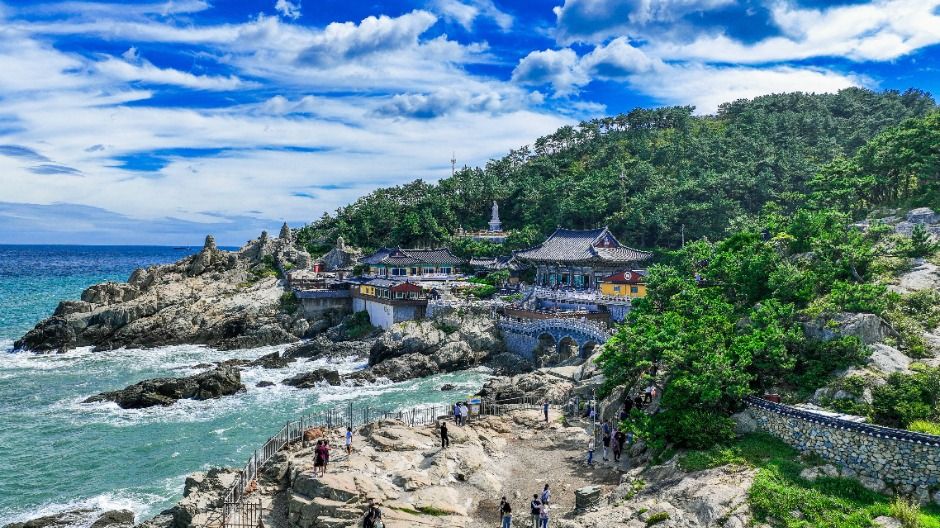
Haedong Yonggungsa Temple
해동용궁사86 Yonggung-gil, Gijang-eup, Gijang-gun, Busan
Haedong Yonggungsa Temple, perched dramatically on rugged oceanfront cliffs in Gijang, Busan, is one of South Korea's rare and magnificent seaside Buddhist sanctuaries. Founded in 1376 by Great Mas...
HalalMorning (around 09:30-10:00)
Details→