Busan•Culture•Cultural Village
Gamcheon Culture Village
감천문화마을
Powered by Korea Tourism OrganizationAddress: 203 Gamnae 2-ro, Saha-gu, Busan (부산광역시 사하구 감내2로 203 (감천동))
Editorial review pending

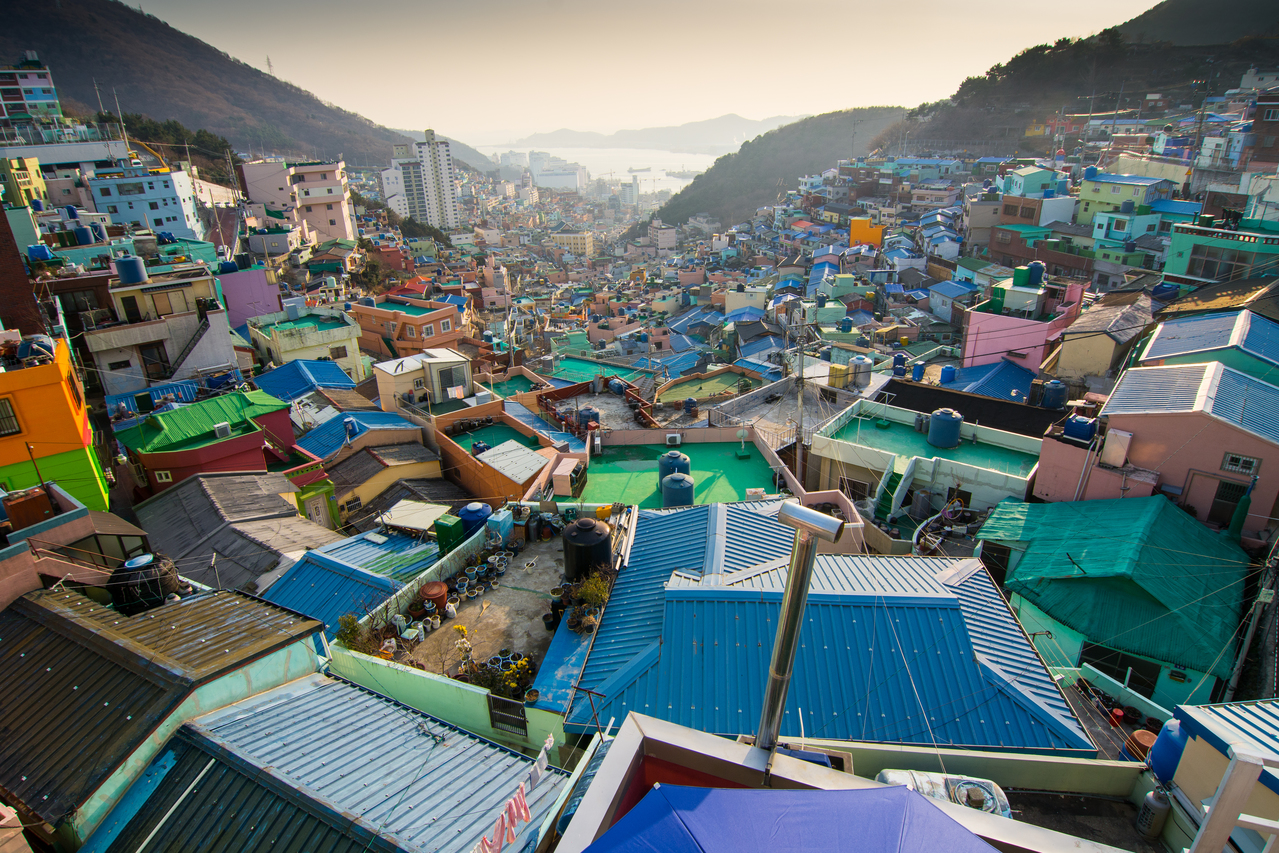
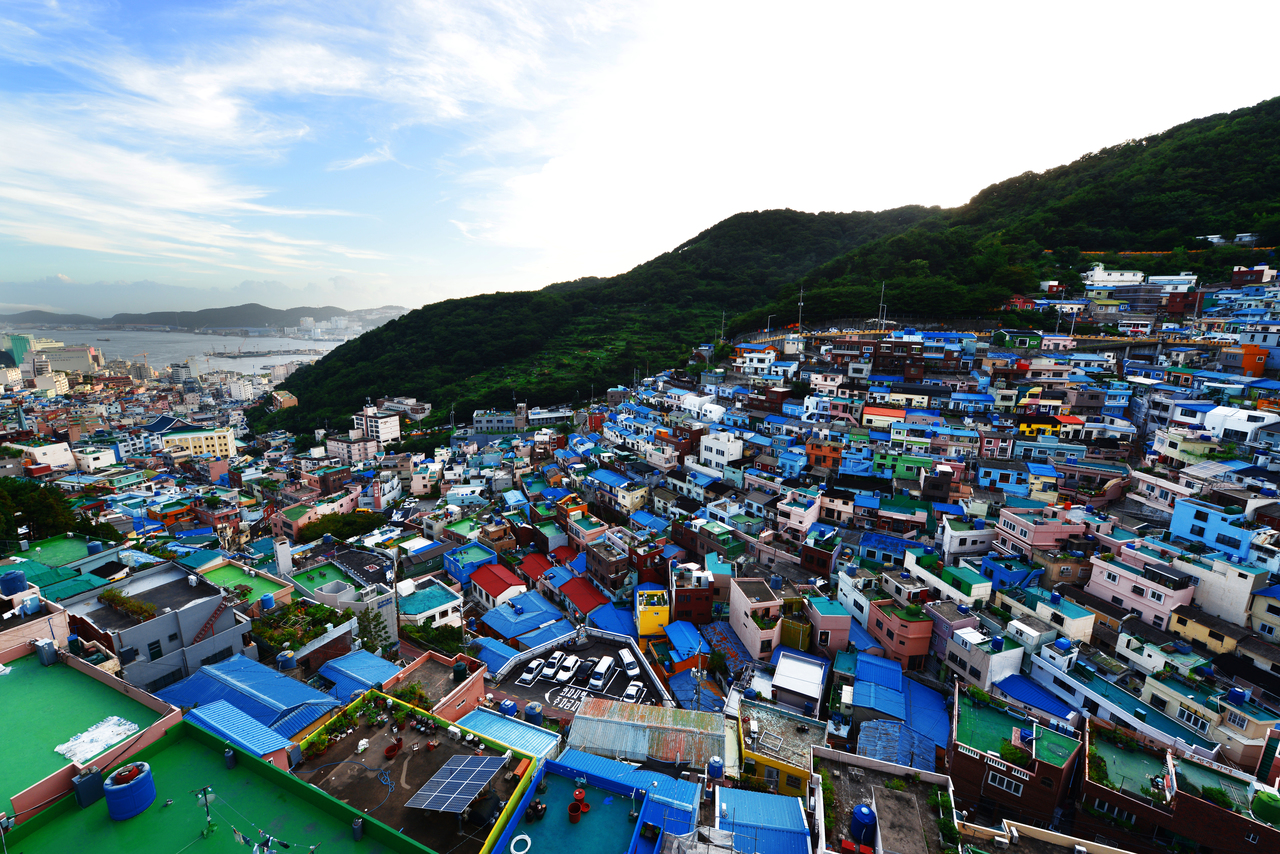
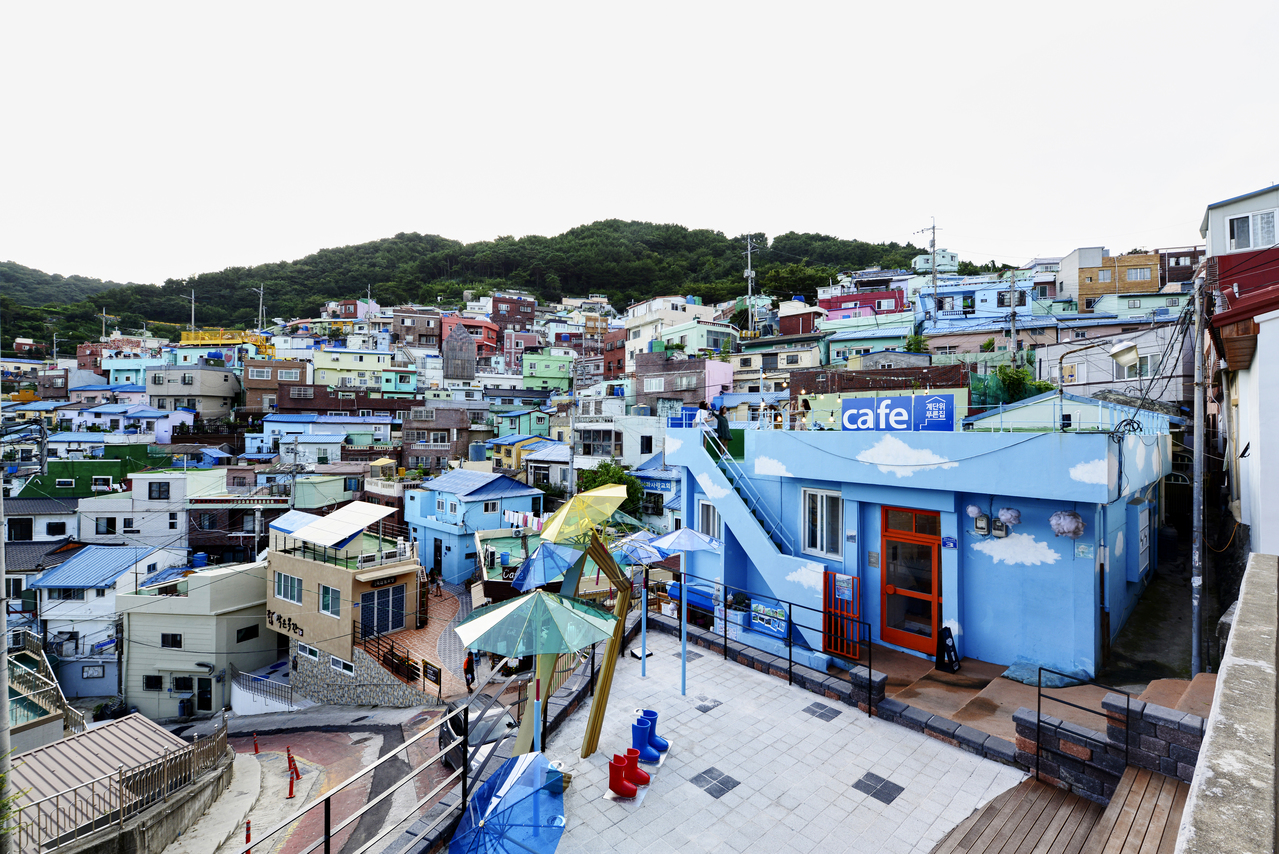
Gamcheon Culture Village representative scenic panoramaZoom

+1More
1 / 6
Gamcheon Culture Village representative scenic panorama
Curator's Guide & Overview
Comprehensive Guide1. Historical Origins & Cultural Background
Gamcheon Culture Village was forged during the Korean War (1950–1953) as hundreds of displaced war refugees carved out makeshift homes on the steep slopes of Cheonmasan Mountain. Founded around the tenets of the Taegeukdo religious movement, homes were deliberately constructed in step-terrace tiers so that no dwelling blocked the sunlight or view of the house behind it. In 2009, the 'Dreaming of Busan Machu Picchu' public art initiative revitalized this vulnerable village into a vibrant, world-acclaimed artistic sanctuary.
2. Architectural Highlights & Key Structures
Nicknamed the "Machu Picchu of Busan" and the "Santorini of Korea", the village features pastel-hued cubicle houses cascading down the coastal hillside. Signature landmarks include the iconic statue of 'The Little Prince and the Desert Fox' perched on the guardrail overlooking the sea, the 'Haneulmaru Observatory' offering 360-degree vistas of Busan Port, the steep '148 Stairs to See Stars' (named after the dizziness felt climbing with heavy water barrels), and 'Gamnae Cafe', an adaptive reuse space managed by local residents.
3. Four Seasons Landscape & Seasonal Visiting Charms
Spring adorns the pastel-painted terraces with vibrant forsythia and cherry blossoms. Summer brings refreshing ocean breezes from Gamcheon Harbor into hilltop cafes. Autumn offers clear blue coastal skies ideal for completing the village walking stamp tour, while the mild southern maritime winter allows for comfortable outdoor alley exploration paired with hot tea on open terraces.
4. Operating Hours & Peak Viewing Times
While public village roads remain accessible, operating hours for public art installations and visitor facilities are 09:00 to 18:00 (March–October) and 09:00 to 17:00 (November–February). Nighttime visits are strictly restricted to respect residents' sleep. The golden window for clear light and tranquil alley strolling is between 10:00 AM and 12:00 PM.
5. Admission Fees & Concessions (Youth/Foreigner Discounts)
Village entry is entirely free of charge. Visitors are encouraged to purchase the illustrated Stamp Tour Map for 2,000 KRW at the Tourist Information Center; proceeds support local resident welfare and village maintenance, and completing all stamps earns complimentary Gamcheon souvenir postcards.
6. Public Transit & Subway Exit Directions
Take Busan Subway Line 1 to Toseong Station (Exit 6). Walk straight 30 meters to the bus stop outside Pusan National University Hospital. Board Saha-gu Village Bus 1-1, Seo-gu 2, or Seo-gu 2-2. The bus winds dramatically up the hillside road for approximately 7 minutes; disembark directly at the 'Gamcheon Culture Village' stop in front of Gamcheon Elementary School.
7. Barrier-Free Accessibility & Visitor Amenities
The main ridge road spanning the Tourist Information Center to Haneulmaru is paved and relatively gentle, accommodating strollers and assisted wheelchairs. However, the inner residential alleys consist of ultra-narrow passages, steep concrete ramps, and hundreds of high stone steps completely inaccessible to wheelchairs. Mobility-impaired visitors should restrict their visit to the main street. Accessible restrooms are located near the village entrance.
8. Recommended Walking Route & Highlights Tour
Village Information Center → Little Museum → Haneulmaru Observatory (harbor panoramas) → The Little Prince and Desert Fox statue → Coastal Photo Deck → 148 Stairs to See Stars → Gamnae Eoulteo (community bathhouse-turned-art center) → Conclude at Gamnae Cafe (approx. 1.5 to 2 hours).
9. Local Food Specialties & Regional Flavors
Enjoy traditional Busan street delicacies including sweet and nutty seed hotteok (ssiat hotteok), piping-hot skewered Busan fishcakes simmered in kelp-anchovy broth, Korean honeycomb toffee (dalgona), and artisan red bean shaved ice (bingsu) served at village overlook cafes. Near Toseong Station, historic pork soup (dwaeji gukbap) diners offer hearty dining.
10. Dietary Options (Vegetarian, Halal & Allergen Guide)
Village cafes offer fresh fruit smoothies, herbal teas, and plant-based rice pastries. In neighboring Nampo-dong and Jagalchi (10 minutes away), international visitors will find halal-certified Turkish kebab houses, Indian tandoori restaurants, and vegan-friendly Korean tofu establishments.
11. Signature Photo Spots & Golden Hour Lighting
The undisputed signature photo is sitting beside The Little Prince and the Desert Fox on the wooden parapet, gazing out over the pastel rooftops toward the sea. Other prime spots include the giant wooden 'Fish of Many Scales' directional wall mural and the rooftop deck of Haneulmaru Observatory during the soft afternoon golden hour.
12. Visitor Etiquette & Cultural Property Regulations
Gamcheon Culture Village is an active residential community where elderly citizens reside. Never open closed residential gates, peer into private windows, or photograph residents without explicit permission. Keep voice volumes low in residential passages and dispose of all trash in designated collection bins.
13. Safety Precautions & 1330 Tourism Hotline Support
Wear sturdy, slip-resistant walking shoes, as stairways are steep and historic alleys feature uneven stone paving. For first aid, visit the Village Information Center (051-204-1444). For multilingual phone translation and transit support, dial the KTO 1330 Hotline anytime.
14. Nearby Connected Attractions & Walking Links
Board the village bus back down to connect directly with Jagalchi Fish Market, BIFF Square, and Gukje Market in central Nampo-dong. Songdo Beach, famous for its overwater Marine Cable Car and Cloud Bridge, is a brief 10-minute taxi ride south.
15. Frequently Asked Questions (FAQ)
- Q: Where can I store my heavy luggage?
A: Coin lockers accommodating standard luggage and suitcases are available inside the Gamcheon Tourist Information Center at the village entrance.
- Q: How long is the wait for the Little Prince photo?
A: On weekends, waiting times can reach 20–30 minutes. Arrive before 10:00 AM or after 16:00 to photograph the statue with minimal queuing.
16. Regional Extended Day Trip Itinerary
Morning: Gamcheon Culture Village alley exploration and Little Prince photos → Lunch: Fresh sashimi or grilled fish meal at Jagalchi Market → Afternoon: Street food hopping at BIFF Square and vintage shopping in Gukje Market → Evening: Songdo Marine Cable Car ride and sunset seafood dinner at Amnam Park.
Essential Visitor Facts
Operating Hours
Mar-Oct 09:00 - 18:00; Nov-Feb 09:00 - 17:00 (Residential village; please observe quiet hours)
Admission / Price
Free Public Entry (Village stamp trail guide map available for 2,000 KRW)
Closed Days
Open 365 Days Year-Round
Best Time to Visit
Morning (around 09:30-10:00)
Transit & Access Directions
Busan Metro Line 1, Toseong Station, Exit 6 -> Transfer to Local Village Bus Saha 1-1, Seo-gu 2, or Seo-gu 2-2 to Gamcheon Culture Village
Accessibility & Special Amenities
Main upper ridge road is paved; inner alleyways contain steep stairs and narrow stone pathways.
✓ Halal Options Nearby
Location Coordinates
Latitude: 35.0975
Longitude: 129.0106
Discover Themes & Highlights
Key interest areas and cultural highlights:
#gamcheon-culture-village#VisitBusan#KoreaTravelAtlas
Community Traveler Reviews0 Reviews
Visitor tips, feedback, and questions submitted by real travelers.
No community reviews submitted yet. Be the first traveler to share your experience!
Practical Guides: Busan
Busan
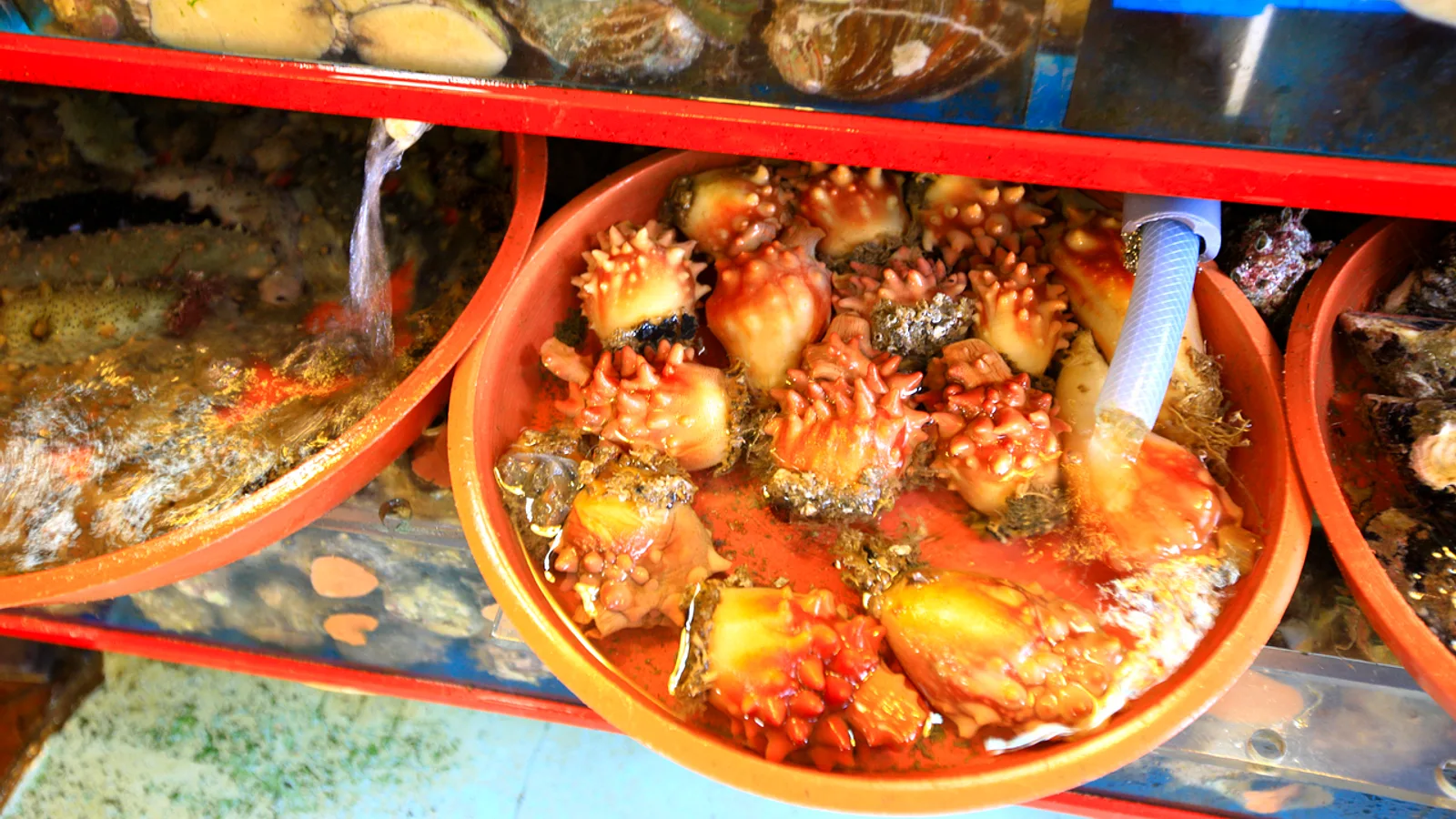
Gwangalli Beach Drone Light Show and Evening Plan in Busan
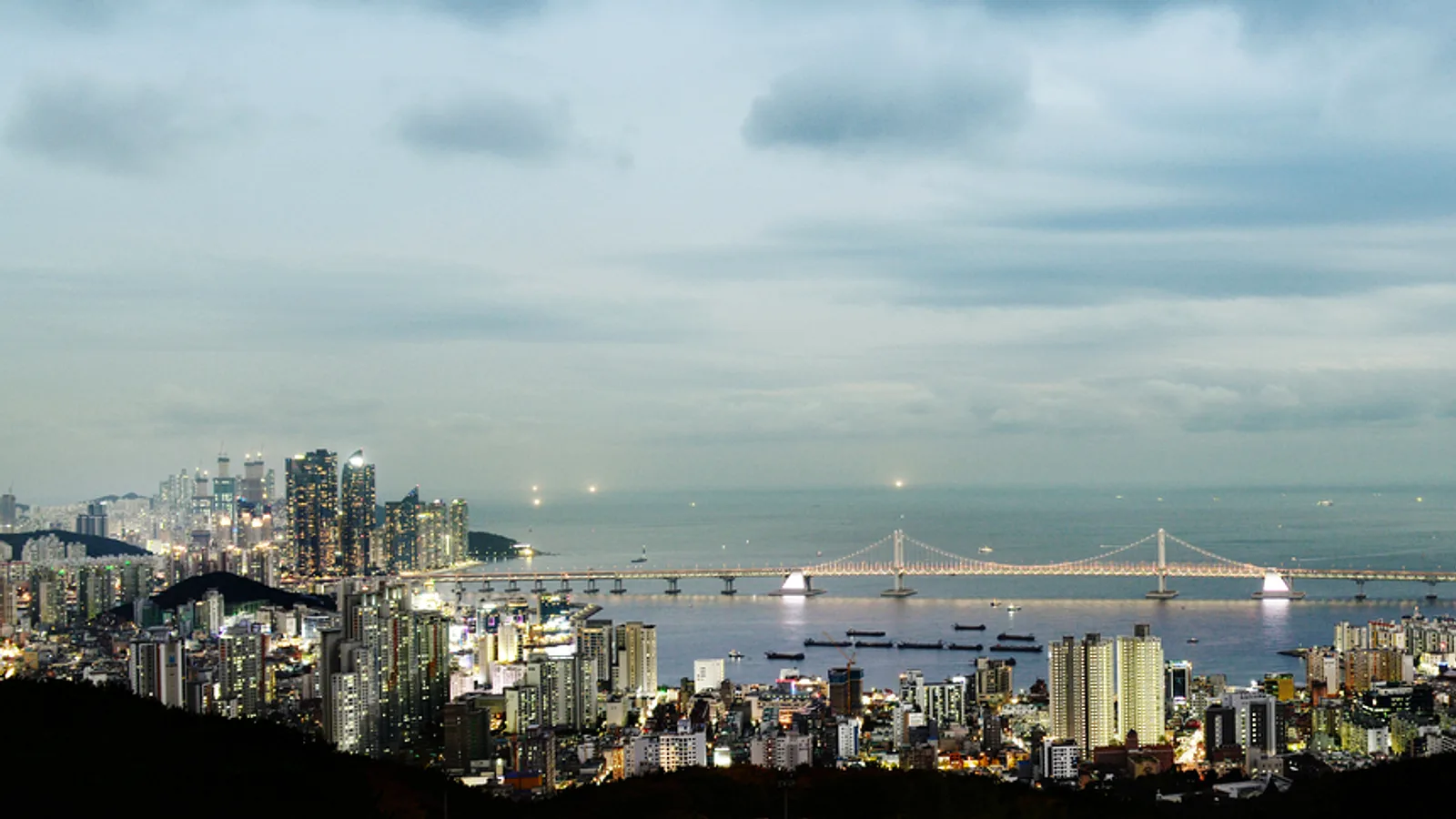
How to plan an evening at Gwangalli Beach in Busan, with the free weekend drone show, views of the lit Gwangan Bridge, grilled eel in Millak-dong and metro access.
Busan
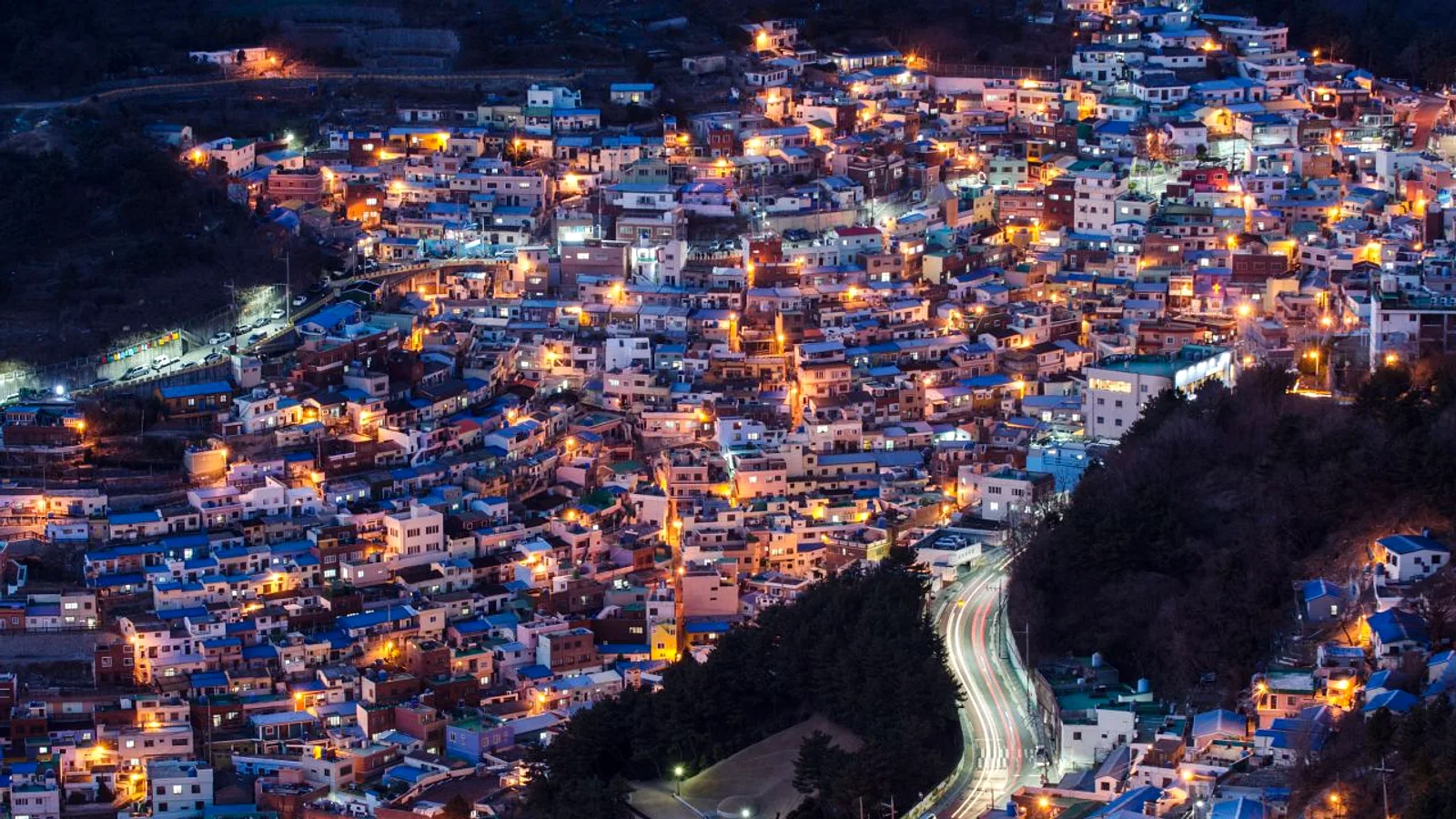
Jagalchi Fish Market in Busan: How to Buy, Where to Eat, What to Expect
A practical guide to Jagalchi Fish Market in Busan: how the ground-floor tanks and upstairs restaurants work, what to buy, how to confirm the total, and how to eat raw fish.
Busan
Gamcheon Culture Village, Busan: A Photo Walk Route and Etiquette Guide
How to walk Gamcheon Culture Village in Saha-gu, where to photograph its pastel houses and murals, and how to respect the residents who still live there.
Connected Cultural Destinations
Handpicked nearby attractions and regional cultural highlights.
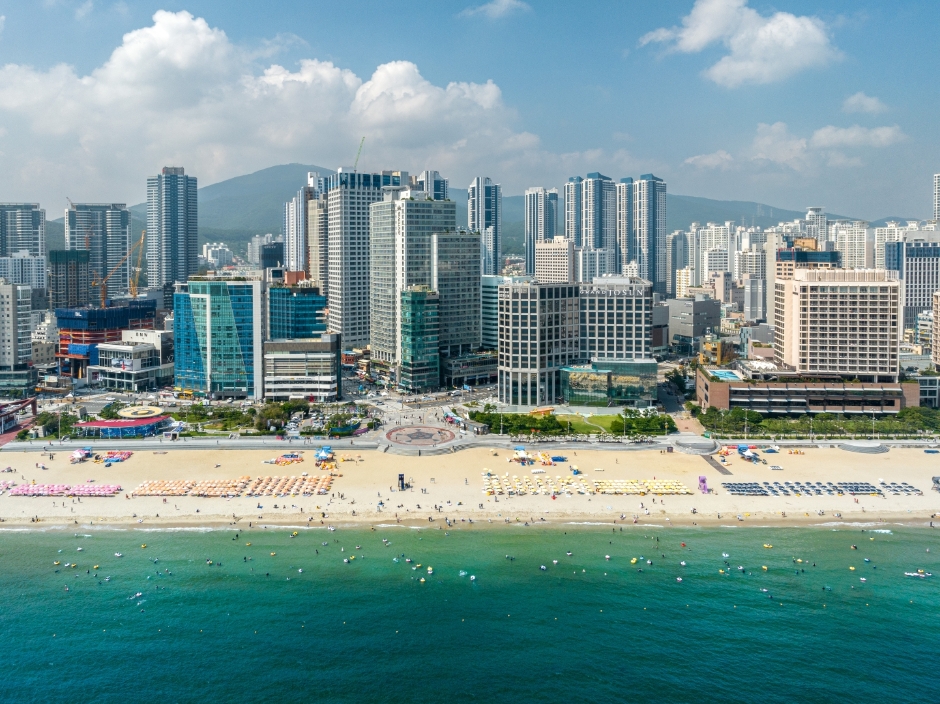
Haeundae Beach
해운대해수욕장Haeundae Beach, Busan, South Korea
Haeundae Beach is South Korea’s most celebrated coastal seaside destination, stretching for 1.5 kilometers of soft golden sand along Busan’s southeastern shoreline. Backed by modern skyscrapers, se...
HalalMorning (around 09:30-10:00)
Details→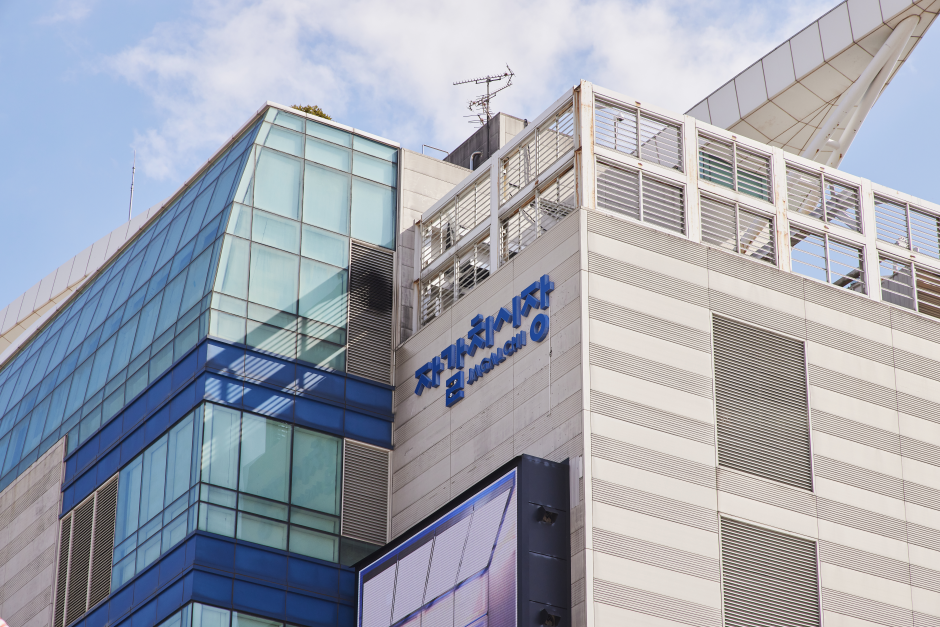
Jagalchi Fish Market
자갈치시장Jagalchi Fish Market, Busan, South Korea
Jagalchi Fish Market is Korea’s largest seafood bazaar on the Busan waterfront, renowned for vibrant fishmonger stalls, live king crab tanks, and fresh second-floor sashimi dining.
HalalMorning (around 09:30-10:00)
Details→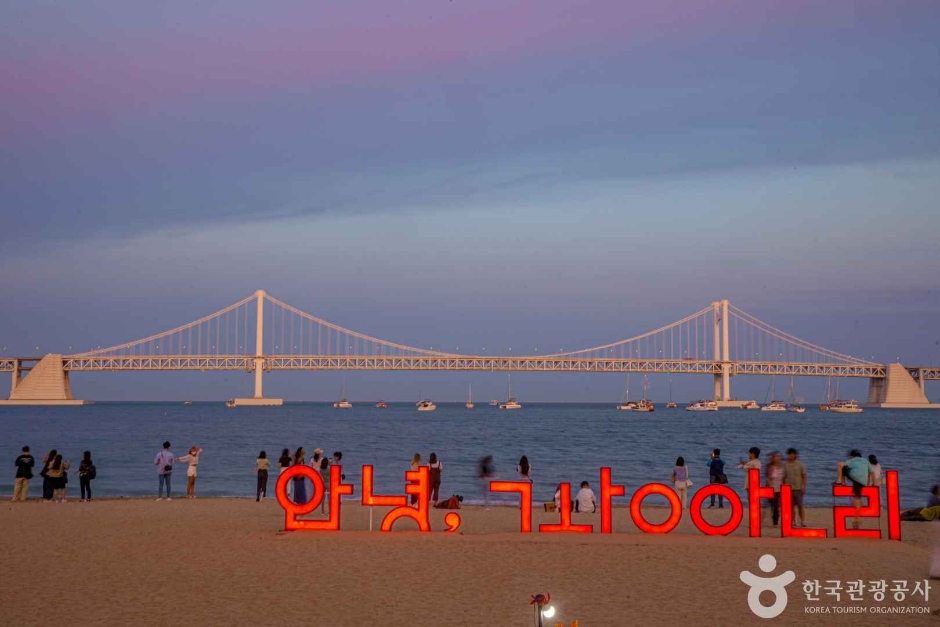
Gwangalli Beach & Gwangan Bridge
광안리해수욕장219 Gwanganhaebyeon-ro, Suyeong-gu, Busan
Gwangalli Beach, curving gracefully in Suyeong-gu, Busan, is renowned for its sweeping vistas of the monumental 7.42-kilometer Gwangan Grand Bridge (Diamond Bridge) spanning the ocean horizon. Frin...
HalalMorning (around 09:30-10:00)
Details→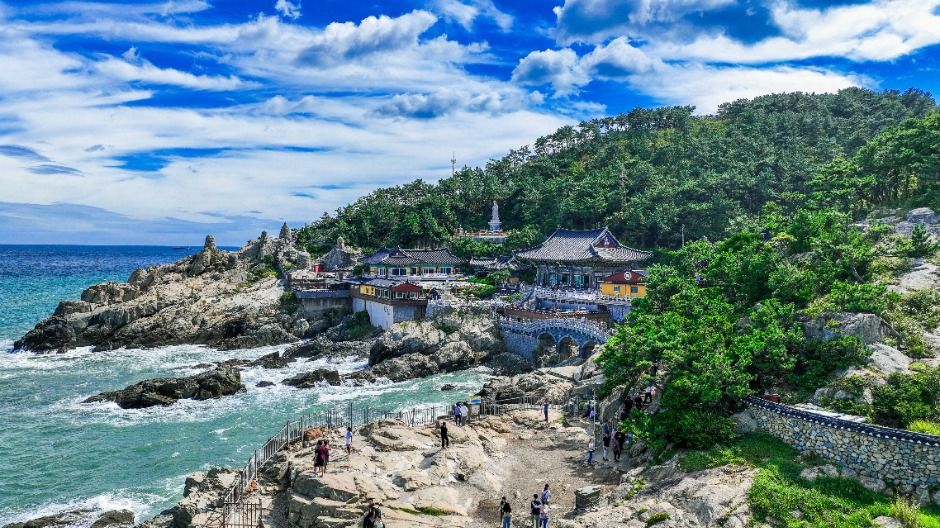
Haedong Yonggungsa Temple
해동용궁사86 Yonggung-gil, Gijang-eup, Gijang-gun, Busan
Haedong Yonggungsa Temple, perched dramatically on rugged oceanfront cliffs in Gijang, Busan, is one of South Korea's rare and magnificent seaside Buddhist sanctuaries. Founded in 1376 by Great Mas...
HalalMorning (around 09:30-10:00)
Details→